Can Tcu Transmission Controller: How It Works Explained
When you drive a modern car, you probably don’t think much about how smoothly the gears shift. But behind every effortless gear change in an automatic transmission, there’s a hidden hero: the TCU transmission controller. This small but powerful electronic unit decides when and how your transmission shifts, making your ride smoother, more efficient, and even safer. Understanding how a TCU works is important—not just for car enthusiasts, but for anyone who wants to get the most out of their vehicle or avoid costly repairs.
The world of vehicle technology can feel complicated, especially for non-native English readers. But this article will break down the TCU transmission controller in simple terms, explain how it works, highlight why it matters, and clear up common myths. Whether you’re a DIY mechanic, a curious driver, or someone considering a car upgrade, you’ll find practical insights here that go beyond the basics.
What Is A Tcu Transmission Controller?
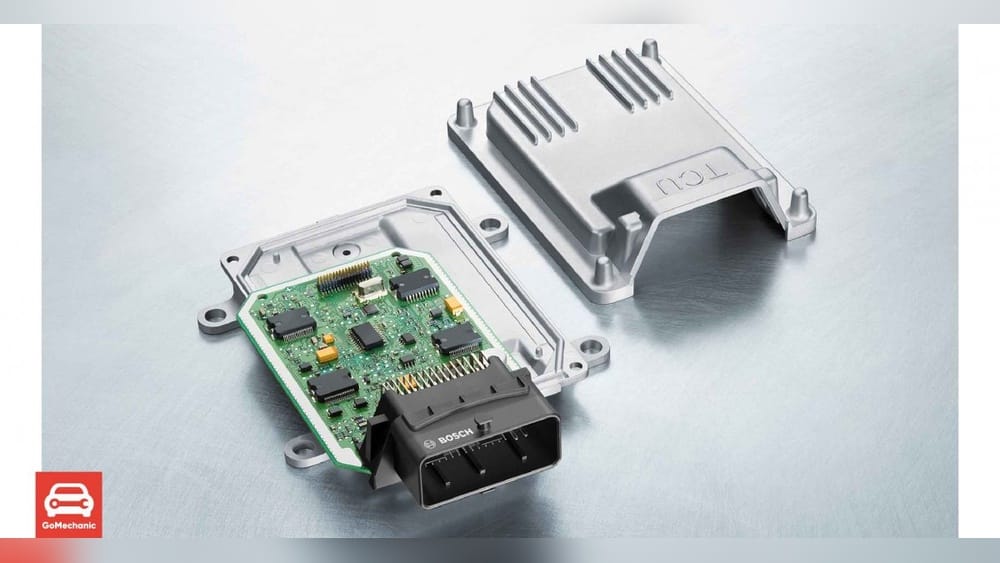
The Transmission Control Unit (TCU) is an electronic device found in most modern automatic and semi-automatic vehicles. Its main job is to control and optimize the operation of the transmission system. While older cars used purely mechanical or hydraulic systems to shift gears, today’s cars rely on the TCU’s brainpower.
The TCU receives information from many sensors in your car—like speed, throttle position, engine load, and temperature. It processes this data and decides when to shift gears, how fast to shift, and even how much pressure to use. It sends commands to the transmission’s actuators, which move the gears and clutches.
In simple words, the TCU is like a smart traffic controller inside your car’s transmission. It manages complex tasks in real time, so you don’t have to think about them.
Key Functions Of A Tcu
- Gear selection: Chooses the best gear based on driving conditions.
- Shift timing: Decides when to shift up or down.
- Shift quality: Controls how smoothly gears change.
- Safety protocols: Prevents unsafe shifting or transmission damage.
- Adaptive learning: Some TCUs learn your driving style and adapt.
How The Tcu Transmission Controller Works
Understanding how a TCU transmission controller works is easier if you break it into steps. Here’s what happens every time you drive:
1. Gathering Data From Sensors
The TCU is always listening to sensors placed throughout your car. Some of the most important data it receives includes:
- Vehicle speed (from wheel speed sensors)
- Engine RPM (revolutions per minute)
- Throttle position (how much you’re pressing the gas pedal)
- Transmission fluid temperature
- Brake pedal status
- Current gear position
This data helps the TCU understand the current situation and predict what should happen next.
2. Processing And Decision-making
Once the TCU has all the information, it uses pre-programmed logic and sometimes even artificial intelligence to decide:
- Should the transmission shift now or wait?
- Is it better to skip a gear for power or fuel savings?
- Does the car need a quick downshift for acceleration or hill climbing?
The TCU processes this information in milliseconds—much faster than any human could.
3. Sending Commands To Actuators
After making a decision, the TCU sends electrical signals to the transmission’s actuators. These are small devices that physically move the valves, clutches, and bands inside the transmission.
For example, if you push the gas pedal hard to overtake a car, the TCU will quickly downshift to a lower gear. You’ll feel more power instantly, without any delay or harshness.
4. Continuous Monitoring And Adjusting
The TCU never stops working. As you drive, it keeps monitoring sensor data, adapts to changes (like going uphill or towing a trailer), and adjusts its strategy. Some advanced TCUs can even learn your driving habits over time and optimize gear shifts to match your style.
Tcu Vs. Ecu Vs. Pcm: What’s The Difference?
People often confuse the TCU with other automotive control units:
- ECU (Engine Control Unit): Controls the engine’s fuel injection, ignition timing, and emissions.
- TCU (Transmission Control Unit): Manages the transmission’s gear shifts and related functions.
- PCM (Powertrain Control Module): Combines both the ECU and TCU in one unit (found in some modern cars).
Understanding these differences helps when diagnosing issues or discussing upgrades.
| Controller | Main Function | Controls | Common Vehicles |
|---|---|---|---|
| ECU | Engine management | Fuel, ignition, emissions | All modern cars |
| TCU | Transmission management | Gear shifts, clutch, solenoids | Automatic & semi-automatic cars |
| PCM | Combined engine & transmission | Both engine and transmission | Newer vehicles |

Credit: trackobit.com
Why Is The Tcu So Important?
Many drivers underestimate the importance of the TCU transmission controller. Here’s why it matters:
Smoother Driving
A well-functioning TCU makes gear changes almost unnoticeable. This gives you a comfortable driving experience—no jerks or delays.
Improved Fuel Economy
The TCU helps the car use the right gear for every situation. This can save fuel, especially during city driving or highway cruising.
Transmission Protection
The TCU prevents harsh shifts, over-revving, and overheating. This reduces wear and tear, extending the life of your transmission.
Enhanced Safety
In dangerous situations, the TCU can block unsafe shifts or switch to a “limp mode” if it detects a problem. This protects both you and your car.
Better Performance
For sports cars or heavy vehicles, the TCU can be programmed for faster gear changes and more aggressive driving styles.
Adaptability
Some TCUs have adaptive learning features. They study your driving patterns—whether you drive aggressively or gently—and adjust shifting to match.
Common Tcu Transmission Controller Problems
Even though the TCU is reliable, it’s not immune to problems. Recognizing the signs early can save you money and prevent breakdowns.
1. Transmission Slipping Or Hard Shifting
If the TCU fails, gears may slip (lose power) or shift with a sudden jerk. This feels uncomfortable and can damage the transmission.
2. Delayed Or Missed Shifts
A faulty TCU may cause slow gear changes or skip gears entirely. You might notice the engine revving without the car speeding up.
3. Dashboard Warning Lights
Modern cars have a “Check Engine” or “Transmission” warning light. If the TCU detects a fault, it triggers these lights.
4. Stuck In One Gear (“limp Mode”)
If the TCU senses a serious issue, it may lock the transmission in one gear to prevent further damage. This is called “limp mode. ” You’ll feel a big drop in performance.
5. Poor Fuel Economy
Unexpected drops in fuel efficiency may point to TCU-related shifting problems.
6. Diagnostic Trouble Codes
Mechanics use a scan tool to read error codes stored in the TCU. Codes like “P0700” often mean there’s a transmission control problem.
Non-obvious Insight: Electrical Gremlins
Many TCU problems are electrical, not mechanical. Loose wiring, corroded connectors, or water intrusion can mimic serious transmission failure. Always check electrical connections before replacing expensive parts.
How Mechanics Diagnose Tcu Issues
Diagnosing TCU problems requires more than just guessing. Here’s how professionals do it:
- Scan for Codes: Plug in a diagnostic scanner to read error codes from the TCU.
- Check Wiring and Connectors: Look for loose, damaged, or corroded wires.
- Test Sensors: Verify that all input sensors (speed, temperature, throttle) are working.
- Simulate Conditions: Some garages use a “test drive” with live data logging to see how the TCU responds in real time.
- Check TCU Software: Update or reflash the TCU if needed. Sometimes, a software bug is the cause.
Non-obvious Insight: Battery Voltage Matters
A weak car battery or charging system can cause the TCU to act strangely. Always check battery health before blaming the TCU.
Tcu Replacement And Repair: What To Expect
If your TCU fails, you may wonder if it’s better to repair or replace it. Here’s what you need to know:
Can You Repair A Tcu?
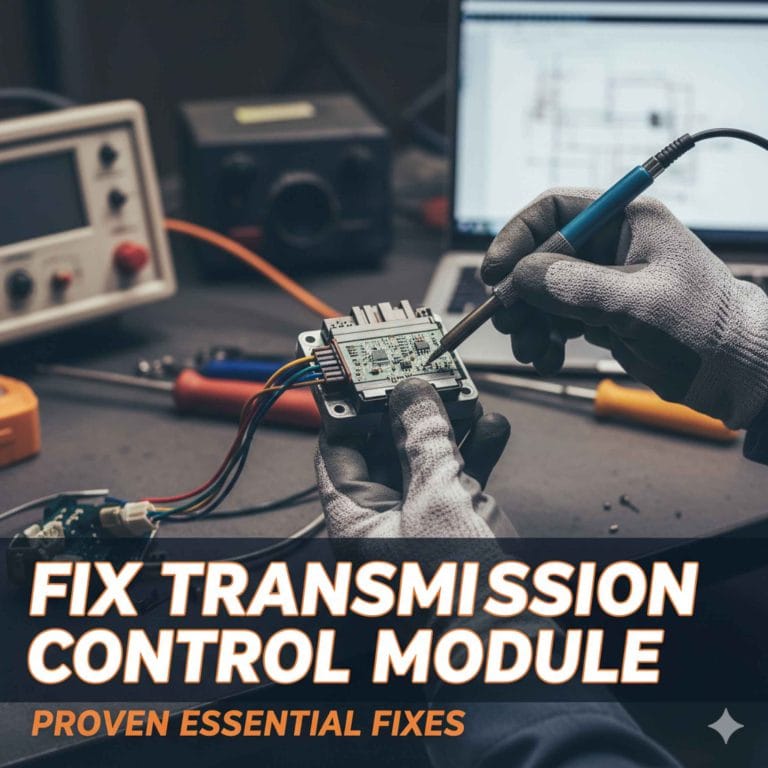
In some cases, yes. If the problem is a bad solder joint, water damage, or a faulty connector, a skilled electronics technician can repair the TCU.
However, if the internal circuit board or processor is damaged, replacement is usually the only option.
How Much Does It Cost?
- Repair: $150–$600, depending on the problem and car model.
- Replacement (new): $400–$2,000 or more, including programming.
- Used or refurbished TCU: $100–$800, but may require reprogramming.
Labor costs depend on your location and vehicle type.
Programming And Coding
A new or used TCU must be “coded” to match your car. This involves loading the correct software and synchronizing it with your engine and security system. Only specialized garages or dealerships can do this.
Can You Drive With A Bad Tcu?
You can—but it’s not safe or smart. Driving with a faulty TCU can cause further transmission damage and leave you stranded.
| Repair Option | Pros | Cons | Typical Cost |
|---|---|---|---|
| Repair | Cheaper, quick fix | Not always possible, may recur | $150–$600 |
| Replace (new) | Reliable, warranty | Expensive, programming needed | $400–$2,000+ |
| Used/Refurbished | Less costly, good for old cars | No warranty, compatibility issues | $100–$800 |

Credit: www.ecutesting.com
Tcu Upgrades And Tuning
Some car owners want more performance or unique features from their TCU transmission controller. This leads to TCU “tuning” or upgrading.
What Is Tcu Tuning?
TCU tuning involves changing the software programming inside the TCU. This can:
- Make gear changes faster (for racing)
- Change shift points for better acceleration or fuel savings
- Enable features like launch control or paddle shifting
Is It Safe?
If done by professionals, yes. However, poorly tuned TCUs can cause harsh shifting, transmission failure, or even void your car’s warranty.
Popular Tcu Upgrade Brands
Some well-known brands offer TCU software upgrades for performance cars, like Audi, BMW, and Volkswagen.
Legal And Warranty Concerns
Always check your local laws. In some places, modifying your TCU may affect emissions compliance or insurance coverage.
Non-obvious Insight: Factory Updates
Car manufacturers sometimes release official TCU software updates to fix bugs or improve performance. Ask your dealer if your car is eligible.
Tcu Maintenance Tips
Most drivers never think about TCU maintenance. But a few smart habits can keep your transmission and TCU healthy:
- Keep battery and charging system in good shape: Low voltage can cause TCU errors.
- Avoid water exposure: Water can damage the TCU, especially in cars with the unit mounted low.
- Service transmission fluid on schedule: Dirty fluid can cause shifting problems the TCU can’t fix.
- Fix warning lights quickly: Don’t ignore transmission or check engine lights.
- Use the right fluid: Some modern transmissions use special fluids that help the TCU work properly.
Advanced Tip: Tcu Reset
If you’ve fixed a mechanical problem, sometimes the TCU needs a “reset” to relearn good shifting. This can be done with a scan tool or by disconnecting the battery (check your manual).

Credit: gomechanic.in
The Future Of Tcu Technology
The TCU transmission controller is evolving fast. As cars become more connected and electric, TCUs are gaining new features:
Integration With Other Systems
Modern TCUs talk to the engine, brakes, and even navigation system. For example, some cars downshift automatically when you’re going downhill, based on GPS data.
Over-the-air Updates
Like smartphones, some new vehicles can receive TCU software updates wirelessly. This means faster bug fixes and new features without a trip to the dealer.
Predictive Shifting
Using AI and big data, future TCUs may predict your driving needs based on traffic, weather, and even your habits.
Electric Vehicle (ev) Tcus
Electric cars need fewer gear changes, but TCUs are still used to manage power delivery, regenerative braking, and safety features.
| Feature | Traditional TCU | Modern TCU | Future TCU |
|---|---|---|---|
| Gear Control | Hydraulic/electronic | Fully electronic | AI-based |
| Learning Ability | Basic adaptive | Advanced adaptive | Predictive AI |
| Updates | Manual reprogramming | Dealer update | Over-the-air |
| Integration | Engine only | Engine, brakes, nav | Full vehicle network |
Frequently Asked Questions
What Does A Tcu Transmission Controller Do?
The TCU transmission controller manages all gear shifting in automatic and semi-automatic transmissions. It reads sensor data, decides the best time to shift gears, and sends commands to the transmission’s actu
Products related to this article
Sponsored / affiliate links. As an Amazon Associate I earn from qualifying purchases. I may earn additional commission from eligible campaigns.