Does Transmission Control Gears Directly? Honest Answer
When you press the gas pedal on your car and feel the vehicle shift smoothly into a new gear, you may wonder: Is the transmission actually controlling the gears directly? Or is there more happening under the hood than most drivers realize? Many drivers are unsure about how their car’s transmission works, and even more are surprised to learn that the answer is not as simple as “yes” or “no.” In this article, you’ll get a clear, honest explanation of how transmissions interact with gears, whether they control them directly, and why understanding this matters for anyone who drives or maintains a vehicle.
What Is A Transmission, Really?
The transmission is one of the most important parts of your car. Its main job is to transfer power from the engine to the wheels and to change how much power is sent depending on how fast you want to go. Without a transmission, the engine would not be able to move the car at different speeds efficiently.
There are several types of transmissions:
- Manual transmission (stick shift)
- Automatic transmission
- Continuously Variable Transmission (CVT)
- Dual-clutch transmission (DCT)
- Automated manual transmission (AMT)
Each type handles gear changes differently, and this affects whether the transmission “controls” the gears directly or indirectly.
How Transmissions And Gears Work Together
At the center of every transmission is a set of gears. Gears are round, toothed wheels that mesh together. By changing which gears are engaged, the transmission can make the car go faster, slower, or provide more power for climbing hills.
The Direct Vs. Indirect Control Question
So, does the transmission control gears directly? The answer depends on the transmission type and what you mean by “directly. ” In some systems, the driver or transmission mechanism physically moves gears. In others, gear ratios change without any gears actually moving.
Understanding this difference is key.
Manual Transmission: The Most Direct Control
With a manual transmission, the driver uses a gear stick and a clutch pedal to engage and disengage gears. When you shift, you are physically moving a selector fork, which slides gears along the output shaft to mesh with other gears.
Key Facts:
- Full driver control: The driver decides when and how to change gears.
- Mechanical link: The movement of the gear stick is connected by rods or cables directly to the gears inside the transmission.
- Clutch engagement: The clutch disconnects the engine from the gearbox, allowing smooth gear changes.
Example: Shifting In A Manual Car
When you want to change from second to third gear:
- You press the clutch pedal.
- Move the gear stick from 2nd to 3rd.
- The selector fork inside the transmission physically moves the gear into the new position.
- Release the clutch to re-engage the engine.
Insight: In a manual, the transmission does not act on its own—the driver is the main controller. But the transmission’s internal mechanism does move gears directly in response to the driver’s action.
Automatic Transmission: Indirect, But Intelligent
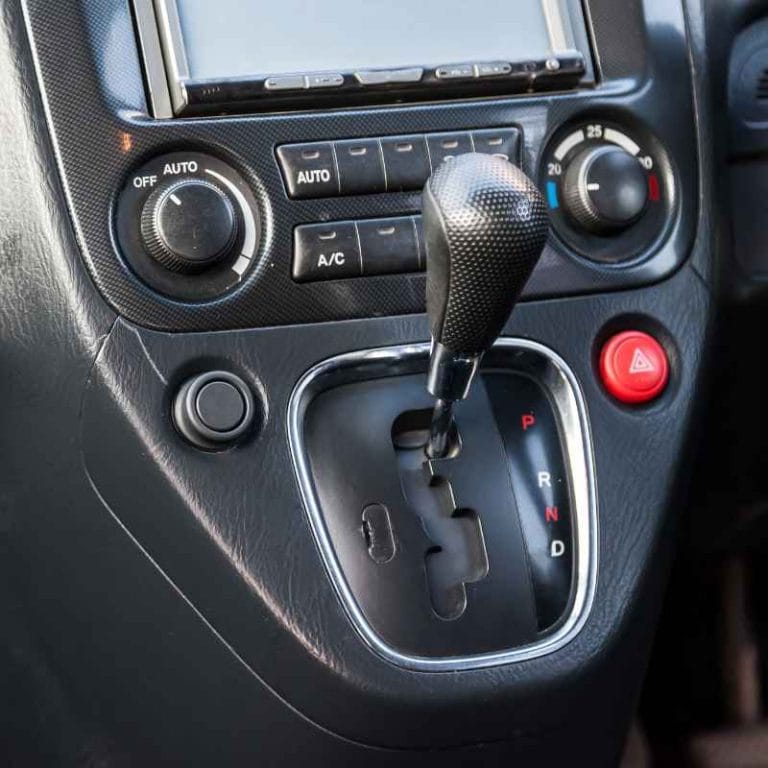
An automatic transmission uses fluid pressure, sensors, and computers to change gears for you. Instead of moving gears directly, it uses a set of planetary gears and hydraulic clutches or bands that lock and unlock gear sets to create different gear ratios.
Key Facts:
- No gear stick movement: The driver selects “Drive,” and the transmission decides when to shift.
- Hydraulic control: Transmission fluid moves pistons and valves to engage or disengage gears.
- Planetary gear sets: Instead of sliding gears, the transmission changes which gears are locked together.
Example: Shifting In An Automatic Car
When the car accelerates:
- Sensors detect speed and load.
- The control unit decides to shift.
- Hydraulic fluid moves a piston, locking a clutch pack.
- A new gear ratio is created by the planetary gear set.
Non-obvious Insight: In an automatic, the transmission does not move gears in the same way as a manual. Instead, it controls which gear sets are active by locking or unlocking certain elements. The gears themselves do not slide; the path of power changes inside the gear set.
Comparison: Manual Vs. Automatic Gear Control
Here’s a simple comparison:
| Aspect | Manual Transmission | Automatic Transmission |
|---|---|---|
| Gear Change Method | Driver moves gears directly | Hydraulics and sensors control gear sets |
| Clutch Operation | Manual (pedal) | Automatic (internal) |
| Gear Engagement | Sliding gears on shafts | Locking/unlocking gear sets |

Credit: www.directrelief.org
Cvt: No Traditional Gears To Control
A Continuously Variable Transmission (CVT) is unique. It does not use gears in the traditional sense. Instead, it uses a system of pulleys and a steel belt to create an almost infinite number of gear ratios.
How Cvt Works
- Two pulleys: One connected to the engine, one to the wheels.
- Steel belt: Runs between the pulleys.
- Variable width: The pulleys can change their width, making the belt ride higher or lower, which changes the gear ratio.
Insight: In a CVT, the transmission does not control gears directly because there are no fixed gears to engage or disengage. Instead, the system controls the size of the pulleys, which changes how power moves from the engine to the wheels.
Example: Cvt In Action
When you accelerate:
- The transmission computer reads your throttle position.
- The pulleys adjust their width smoothly.
- The car accelerates without any noticeable gear changes.
Common beginner mistake: Expecting to feel gear shifts in a CVT. The power delivery is smooth and continuous, which can feel strange if you’re used to traditional automatics.
Dual-clutch And Automated Manual: Mixing Direct And Indirect
Dual-clutch transmissions (DCT) and automated manual transmissions (AMT) are hybrids. They use physical gears like a manual, but shift automatically using computers and actuators.
Dual-clutch Transmission (dct)
- Two clutches: One for odd gears, one for even gears.
- Pre-selection: The next gear is pre-engaged, allowing for fast shifts.
- Electronic control: Computers decide when to shift, but the mechanism still moves gears on shafts.
Automated Manual Transmission (amt)
- Traditional gears: Uses manual gearbox design.
- Automated clutch and shifting: Actuators replace the driver’s hand and foot.
Insight: Both DCT and AMT physically move gears, but the command comes from a computer, not the driver. This makes the control more “direct” than a traditional automatic, but still not as direct as a manual.
Transmission Control: Direct, Indirect, Or Both?
To answer the main question: Does the transmission control gears directly? It depends on the transmission type.
- Manual transmissions: Control is direct, but driven by the driver.
- Automatics: Control is indirect, using hydraulics and electronics.
- CVTs: There are no traditional gears to control.
- DCT/AMT: A mix of direct gear movement with electronic command.
Table: Transmission Types And Gear Control
| Transmission Type | Direct Gear Control? | Main Control Method |
|---|---|---|
| Manual | Yes (driver-initiated) | Physical movement by driver |
| Automatic | No (indirect) | Hydraulic/electronic control |
| CVT | No (no gears) | Pulley/belt adjustment |
| Dual-Clutch | Yes (electronically controlled) | Actuators and computers |
| Automated Manual | Yes (electronically controlled) | Actuators and computers |
Why Does This Matter For Drivers?
Knowing how your transmission works can help you:
- Diagnose problems: If you know how your car shifts gears, you can better explain issues to a mechanic.
- Drive smarter: For example, manual drivers can avoid gear grinding by timing shifts correctly.
- Choose the right car: Some people prefer the control of a manual, while others want the ease of an automatic or the efficiency of a CVT.
Non-obvious Insight: Transmission Type Affects Maintenance
- Manuals: Often cheaper to maintain, but require clutch replacement.
- Automatics: Need regular fluid changes and can be expensive to repair.
- CVTs: Require special fluid and can be costly if the belt fails.
- DCT/AMT: May need clutch service, and repairs can be complex.
Real-world Examples
Example 1: Manual Transmission Sports Car
A driver in a Mazda MX-5 Miata uses the clutch and gear stick to shift. Each movement is mechanical and direct. If the driver is skillful, they can control the car’s speed and power with precision.
Example 2: Automatic Family Sedan
A Toyota Camry with automatic transmission shifts gears smoothly as you accelerate. The driver feels almost nothing, and the computer decides the best time to change gears for comfort and fuel economy.
Example 3: Cvt In A Hybrid
A Toyota Prius uses a CVT. When you press the accelerator, the car speeds up without any gear “steps.” The transmission adjusts the pulleys so the engine can run at the best speed for fuel efficiency.
Example 4: Dual-clutch In A Sports Hatchback
A Volkswagen Golf GTI with a DSG (DCT) transmission shifts gears extremely quickly. The driver can use paddle shifters to tell the car when to change, but the computer and actuators do the actual gear movement.
The Role Of Transmission Control Units (tcus)
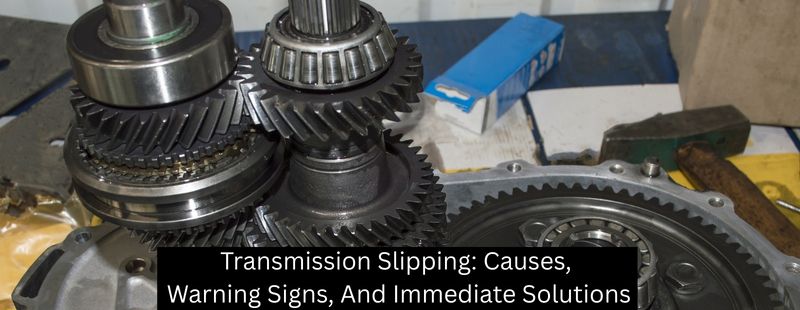
Modern automatic, CVT, and DCT transmissions use a Transmission Control Unit (TCU)—a specialized computer that decides when and how to shift gears (or adjust ratios). The TCU reads information from many sensors:
- Speed sensors
- Throttle position
- Engine load
- Temperature
The TCU’s decisions are based on performance, fuel economy, and driver behavior. In some cars, you can even select different modes—like “Sport” or “Eco”—which change how the TCU shifts.
Interesting Fact: Some high-end vehicles use artificial intelligence in their TCUs to “learn” your driving style and adjust shift patterns accordingly.
Credit: www.mistertransmission.com
Mechanical Vs. Electronic Control: What’s Changing?
In older cars, transmissions were controlled mostly by mechanical means—rods, cables, and hydraulic pressure. Now, most transmissions use electronic controls for:
- Faster response times
- Smoother shifts
- Better fuel efficiency
But this also means repairs are more complex and often require a specialist with the right diagnostic tools.
Table: Evolution Of Transmission Control
| Era | Main Control Method | Complexity | Repair Cost |
|---|---|---|---|
| Pre-1990 | Mechanical/Hydraulic | Simple | Low |
| 1990–2010 | Hydraulic/Electronic | Medium | Medium |
| 2010–Present | Fully Electronic | High | High |
Common Misconceptions About Transmission And Gear Control
- “All transmissions have gears.”
- Not true. CVTs don’t have fixed gears, and electric vehicles often have a single-speed gearbox.
- “Automatics are just manuals with a computer.”
- Not exactly. The internal mechanisms are different, especially with planetary gearsets.
- “Manuals are always better for performance.”
- Modern automatics and DCTs can shift faster than most humans.
- “You need to warm up the transmission like the engine.”
- For most modern cars, normal driving will warm the transmission quickly. Idling is often unnecessary.
- “All transmission problems are expensive.”
- Sometimes, the issue is just low or old fluid—a simple fix.
When To Worry About Transmission Control
If you notice these signs, your transmission may not be controlling the gears properly:
- Hard or delayed shifts
- Slipping gears (engine revs, but speed does not increase)
- Grinding noises
- Warning lights (check engine or transmission)
Early attention can prevent bigger problems. Always use the correct transmission fluid and follow the manufacturer’s maintenance schedule.
Frequently Asked Questions
Does The Transmission Physically Move The Gears In An Automatic Car?
In most automatics, the transmission does not slide gears along a shaft as in manuals. Instead, it uses hydraulic pressure to lock and unlock parts of a planetary gear set, creating different gear ratios without moving the gears themselves.
Can You Damage Your Transmission By Shifting Incorrectly?
Yes, especially in manual cars. If you force the gear stick or release the clutch too quickly, you can grind gears or wear out the clutch. In automatics, shifting from “Drive” to “Reverse” while moving can cause damage.
Is A Cvt Better Than A Traditional Automatic?
It depends on your needs. CVTs provide smoother acceleration and better fuel economy, but some drivers dislike the lack of “shifting feel. ” Maintenance can also be more specialized.
Do Electric Cars Have Transmissions And Gears?
Most electric cars use a single-speed reduction gearbox, not a multi-speed transmission. There are no gear changes during normal driving, as electric motors provide full torque at any speed.

Credit: www.directrelief.org
Where Can I Learn More About Transmission Types And Technology?
A Good Starting Point Is The Products related to this article
Sponsored / affiliate links. As an Amazon Associate I earn from qualifying purchases. I may earn additional commission from eligible campaigns.
Products related to this article
Sponsored / affiliate links. As an Amazon Associate I earn from qualifying purchases. I may earn additional commission from eligible campaigns.