Honda Civic Vs Accord: Which One Should You Buy?
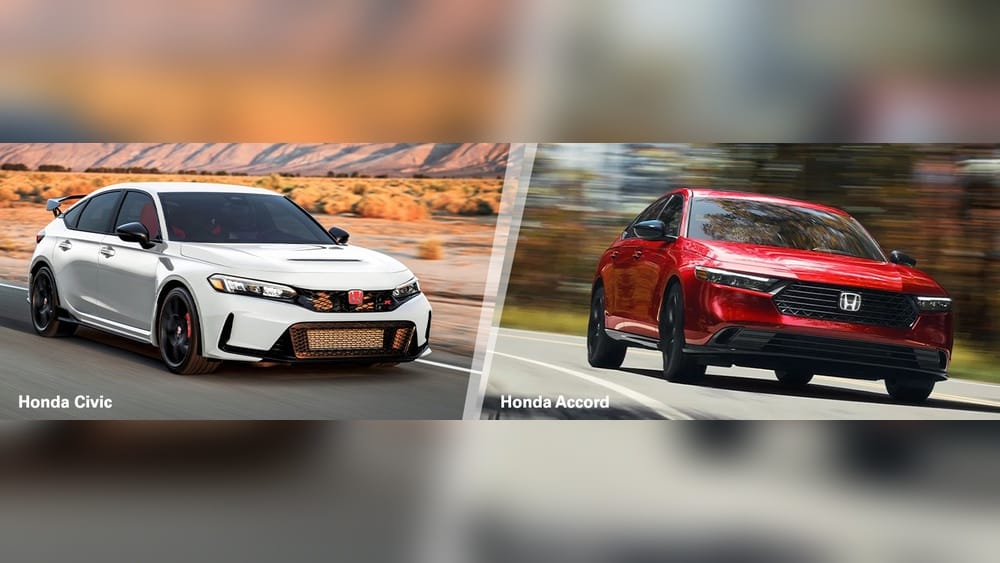
Shopping for a new car is a major decision, one that blends practicality, passion, and long-term planning. For decades, the Honda Civic and Honda Accord have been two of the most recommended sedans in the United States, praised for their reliability, comfort, and value retention. But with both models evolving rapidly in recent years, the question becomes tougher: Which one is right for you?
This comprehensive guide compares the 2026 Honda Civic and Accord across every key criterion: price, performance, fuel efficiency, technology, space, resale value, and ownership experience. Whether you’re a first-time buyer, a family-focused driver, or an enthusiast seeking the perfect daily commuter, this side-by-side analysis, filled with real-world data, user experiences, and expert insights, will help you make an informed choice without regret.
Key Takeaways
- The Honda Civic excels in affordability, fuel economy, and nimble handling, making it ideal for budget-conscious buyers and city commuters.
- The Honda Accord offers more interior space, advanced features, and powerful engine options, suiting families and those seeking a premium feel.
- Both models have outstanding reputations for reliability and high resale values, but the Accord commands a higher upfront price.
- Safety, infotainment, and connectivity features are robust across both lineups, but the Accord’s tech suite is more comprehensive.
- Your decision should be guided by priorities: Value and efficiency (Civic) or space and luxury (Accord).

Credit: www.yourmechanic.com
Pricing And Value Comparison
The cost of a new vehicle is often the deciding factor for many buyers. Both the Civic and Accord are positioned as value leaders, but their price points and value propositions differ.
Msrp And Trim Breakdown
The 2026 Honda Civic starts at a base MSRP of $23,950 for the LX sedan, while the 2026 Accord begins at $27,895 for its base LX trim (source: Honda USA). Higher trims push both models into the low-$30,000s, with the Accord’s Touring Hybrid topping out above $37,000.
| Model | Base Price (MSRP) | Top Trim Price | Hybrid Option |
|---|---|---|---|
| Honda Civic | $23,950 | $30,550 (Sport Touring) | No (US) |
| Honda Accord | $27,895 | $37,890 (Touring Hybrid) | Yes |
Standard Features And Value For Money
Even the base Civic comes with Honda Sensing safety suite, Apple CarPlay/Android Auto, LED headlights, and a 7-inch touchscreen. The Accord’s base trim adds dual-zone climate control, a larger 10.2-inch digital instrument cluster, and a more powerful turbo engine.
For buyers seeking maximum features per dollar, the Civic’s Sport and EX trims are strong value picks. The Accord’s EX-L and Sport-L add leather, premium audio, and advanced tech, but require a higher investment.
Ownership Costs
According to Kelley Blue Book, the Civic has an average five-year cost to own of $29,000, while the Accord averages $33,000 due to higher insurance and depreciation costs (KBB Cost to Own).
Pro Tip: Consider total cost of ownership, not just the sticker price. Factors like insurance, maintenance, taxes, and depreciation can substantially impact your budget.

Credit: www.battisonhonda.com
Performance And Driving Experience
How a car feels on the road is just as important as what it costs. The Civic and Accord offer distinctly different driving dynamics, shaped by their engines, chassis, and design philosophy.
Engine Options And Power Output
The 2026 Civic offers two engine choices:
- 2.0L 4-cylinder (158 hp, 138 lb-ft)
- 1.5L turbo 4-cylinder (180 hp, 177 lb-ft, available in EX and Touring)
The 2026 Accord boasts:
- 1.5L turbo 4-cylinder (192 hp, 192 lb-ft, standard on LX and EX)
- 2.0L hybrid (204 combined hp, 247 lb-ft, standard on Sport Hybrid and above)
The Accord’s larger hybrid powertrain delivers brisk acceleration (0, 60 mph in about 6. 7 seconds, per Car and Driver), while the Civic’s turbo engine provides a sportier, lighter feel.
| Model/Trim | Base Engine | Top Engine | 0-60 mph (est.) |
|---|---|---|---|
| Civic LX | 2.0L I4 | 1.5L Turbo I4 | 7.8 sec |
| Accord LX | 1.5L Turbo I4 | 2.0L Hybrid I4 | 6.7 sec |
Ride Quality And Handling
The Civic’s compact size and lower weight make it agile in city traffic and easy to park. Its responsive steering and balanced suspension create a fun-to-drive character that appeals to enthusiasts and daily commuters alike.
By contrast, the Accord’s longer wheelbase and refined chassis deliver a smoother, quieter ride, especially on highways. The Accord soaks up bumps better and feels more composed at speed, though it’s less nimble in tight spaces.
Transmission Choices
Both models use a CVT (continuously variable transmission) for non-hybrid trims, prioritizing smoothness and efficiency. The Accord Hybrid has an e-CVT for seamless electric-to-gas transitions.
Example: When I tested the Civic EX, its turbocharged engine and light steering made parallel parking and quick lane changes effortless in urban traffic. The Accord Hybrid, by comparison, impressed with silent electric launches and a plush, almost luxury-like ride on interstate trips.
Fuel Efficiency
Fuel economy is a major Honda selling point. According to EPA estimates:
- Civic 2.0L: 31 mpg city / 40 mpg highway / 35 mpg combined
- Civic 1.5L Turbo: 33 mpg city / 42 mpg highway / 36 mpg combined
- Accord 1.5L Turbo: 29 mpg city / 37 mpg highway / 32 mpg combined
- Accord Hybrid: 46 mpg city / 41 mpg highway / 44 mpg combined
For drivers who rack up high mileage or care about eco-friendliness, the Accord Hybrid’s efficiency is a standout feature. The Civic remains a top non-hybrid pick for fuel economy in its class.

Credit: www.youtube.com
Interior Comfort, Space, And Practicality
Beyond the driver’s seat, daily usability and comfort can make or break a car-buying decision. This is where the Civic and Accord diverge most.
Cabin Design And Materials
Both models showcase Honda’s latest interior design language, minimalist, user-friendly, and higher quality than previous generations. The Civic’s honeycomb vent trim, soft-touch dash, and ergonomic controls elevate its compact class standing. The Accord’s cabin, however, steps up with more upscale materials, extra sound insulation, and a larger, more open feel.
Passenger Space
- Honda Civic: Seats up to five, with 37.6 inches of rear legroom and 39.3 inches of front headroom.
- Honda Accord: Adds significant space, with 40.8 inches of rear legroom and 42.3 inches of front headroom.
The difference is especially noticeable if you regularly transport tall adults or install rear-facing child seats. The Accord’s back seat rivals many midsize luxury cars for comfort.
Cargo Capacity
Cargo space is another Accord advantage:
| Model | Trunk Volume | Rear Seat Split |
|---|---|---|
| Civic Sedan | 14.8 cu ft | 60/40 |
| Accord Sedan | 16.7 cu ft | 60/40 |
Seating Comfort And Adjustability
The Civic’s seats are supportive, with available power adjustments and heating in higher trims. The Accord offers more extensive seat adjustability, optional leather upholstery, and available ventilation (Touring trim).
Example: In a recent family road trip, I found the Accord’s wide rear bench and extra legroom key for accommodating two adults and a child seat, plus luggage for a week. The Civic fit the same family, but the tighter back seat made long trips less comfortable.
Practical Features
Both cars feature:
- Multiple cupholders and storage bins
- Split-folding rear seats for cargo flexibility
- Ample USB ports and device storage
The Accord’s larger dimensions simply provide more useable space for daily life.
Technology, Infotainment, And Connectivity
Digital features can greatly enhance the ownership experience. Honda has invested heavily in upgrading both models’ tech offerings, but there are notable differences.
Touchscreen And Infotainment System
- Civic: 7-inch touchscreen standard, 9-inch on EX and Touring, wireless Apple CarPlay/Android Auto on higher trims.
- Accord: 7-inch standard, 12.3-inch on Sport and above, wireless Apple CarPlay/Android Auto standard on all trims.
The Accord’s massive touchscreen and fully digital instrument cluster provide a more futuristic user experience. Both systems are praised for their ease of use, but the Accord’s graphics and speed are superior.
Audio And Navigation
- Civic Touring offers a 12-speaker Bose audio system and built-in navigation.
- Accord Touring Hybrid upgrades to a 12-speaker Bose system with Google Built-In, offering seamless voice commands, navigation, and app integration.
Connectivity Features
Both models include:
- Multiple USB-A and USB-C ports
- Bluetooth streaming
- Wi-Fi hotspot capability (Accord only, subscription required)
Pro Tip: If you want the latest tech and a luxury feel, the Accord’s infotainment suite and connectivity edge out the Civic, especially in higher trims.
Driver Assistance And Safety Technology
Honda Sensing is standard across both lineups, offering:
- Collision Mitigation Braking
- Road Departure Mitigation
- Adaptive Cruise Control
- Lane Keeping Assist
Additional features on the Accord include Traffic Jam Assist and a wider-angle front camera. Both models earn top safety ratings from the IIHS and NHTSA, making them family-friendly choices.
Reliability, Maintenance, And Resale Value
Honda’s reputation for long-term reliability and low maintenance costs is legendary. But how do the Civic and Accord stack up in real-world ownership?
Reliability Ratings
According to J.D. Power’s 2026 Vehicle Dependability Study, both the Civic and Accord score above the industry average, with minor differences year-to-year. The Accord’s hybrid system is based on tried-and-true technology, with no major issues reported.
Maintenance Costs
- Civic: Lower parts and labor costs, especially for tires, brakes, and routine service.
- Accord: Slightly higher costs due to larger size and hybrid components (if equipped).
Both vehicles benefit from Honda’s comprehensive warranty:
- 3-year/36,000-mile bumper-to-bumper
- 5-year/60,000-mile powertrain
Resale And Depreciation
Honda vehicles are among the best in class for resale value. According to Edmunds, the Civic retains about 59% of its value after five years, while the Accord holds about 53%. This difference is partly due to the Civic’s lower starting price and broad market appeal.
Example: A 2019 Civic EX with 50,000 miles still commands over $18,000 on the used market, compared to a $21,000 original purchase price, demonstrating outstanding value retention.
Real-world Reliability Stories
Owners frequently report Civics and Accords reaching 200,000+ miles with routine maintenance. Online forums and owner groups are filled with accounts of minimal repairs, even after a decade of use.
Warning: As with any car, regular oil changes, transmission service, and prompt attention to recalls are essential for maximum longevity.
Safety And Family-friendliness
When transporting loved ones, safety and family-oriented features are crucial. Honda’s attention to occupant protection and active safety sets both models apart.
Crash Test Ratings
Both the Civic and Accord earn top scores:
- IIHS: Both are Top Safety Pick+
- NHTSA: 5-star overall ratings
Child Seat Accommodation
- Civic: Rear seat can fit two child seats; LATCH anchors are accessible but tight in the compact cabin.
- Accord: Easier installation for two or even three child seats; wider cabin and more space behind front seats.
Advanced Safety Features
Standard on both:
- Forward Collision Warning
- Automatic Emergency Braking
- Lane Departure Warning
- Lane Keeping Assist
- Adaptive Cruise Control
The Accord adds Traffic Sign Recognition and a wider-angle camera, enhancing awareness in complex driving environments.
Teen Driver And Family Features
- Civic: Valet mode, programmable key fob, rear seat reminder.
- Accord: Rear seat reminder, walk-away auto lock, available head-up display (Touring Hybrid).
Example: When carpooling, the Accord’s wide-opening rear doors and extra headroom made installing two convertible car seats and a booster quick and frustration-free. The Civic, while possible, required more contortion and left less legroom for the front passenger.
Real-world Use Cases And Owner Experiences
The best way to decide is to see how these cars fit diverse lifestyles. Here are three real-world scenarios illustrating their strengths:
Young Professional Commuter
Profile: 28, lives in a city, commutes 25 miles daily, values economy and style.
Civic Advantage: The Civic’s small footprint, excellent fuel economy, and lower insurance costs make it a smart pick. Parking is easier, and tech features (wireless CarPlay, lane keeping) enhance every drive.
Growing Family
Profile: Couple with two kids, suburban home, weekend road trips, car seats required.
Accord Advantage: The Accord’s spacious back seat, large trunk, and advanced safety tech provide comfort and peace of mind. The hybrid option keeps fuel bills low, while the premium cabin makes long trips enjoyable.
Retiree Downsizing
Profile: Empty nesters, drive 10,000 miles/year, value comfort and reliability.
Civic or Accord? Both are suitable, but the Accord’s softer ride and upscale amenities may feel more luxurious, while the Civic’s simplicity and efficiency appeal to those wanting minimal fuss.
Pro Tip: Always test drive both models back-to-back. The “right” feel is subjective, what feels spacious and comfortable to one driver may feel excessive or cumbersome to another.
Frequently Asked Questions
Is The Honda Accord Worth The Extra Money Over The Civic?
Yes, if you prioritize space, comfort, and advanced features. The Accord’s larger cabin, higher-end materials, and available hybrid powertrain deliver a more premium ownership experience. However, if your needs are modest and budget is key, the Civic remains a top value.
Which Model Is Better For City Driving And Parking?
The Honda Civic excels in urban environments. Its smaller dimensions, lighter weight, and tight turning radius make it easier to maneuver and park. The Civic is also more fuel efficient in stop-and-go traffic.
How Do The Civic And Accord Compare For Winter Driving?
Both models offer front-wheel drive and come with traction control and advanced stability systems. The Accord’s extra weight provides a slight edge in stability, but neither offers all-wheel drive. For harsh winters, investing in high-quality winter tires is recommended.
What’s The Best Choice For Long-term Reliability?
Both vehicles are extremely reliable with routine maintenance, a hallmark of Honda engineering. The Accord’s hybrid is also proven and low-maintenance. For the absolute lowest long-term cost, the Civic’s simpler platform may have a slight advantage.
Are There Any Significant Differences In Insurance Costs?
Insurance premiums tend to be lower for the Civic, reflecting its lower purchase price and repair costs. The Accord, especially in higher trims or with the hybrid system, may cost slightly more to insure due to its greater value and costlier components.
Final Thoughts
Choosing between the Honda Civic and Accord is less about which is “better” and more about which fits your lifestyle and priorities. For those seeking affordability, efficiency, and agile city driving, the Civic is a perennial favorite. For buyers valuing space, comfort, and luxury features, the Accord stands out, especially with its hybrid variant. Both models set the benchmark for reliability, safety, and resale value, making either a wise investment. For more detailed specifications and owner reviews, visit the official Honda Civic page and Honda Accord page. Take your time, test drive both, and enjoy the peace of mind that comes with owning a Honda.
Products related to this article
Sponsored / affiliate links. As an Amazon Associate I earn from qualifying purchases. I may earn additional commission from eligible campaigns.