List of Different Car Types: Every Style Explained Simply
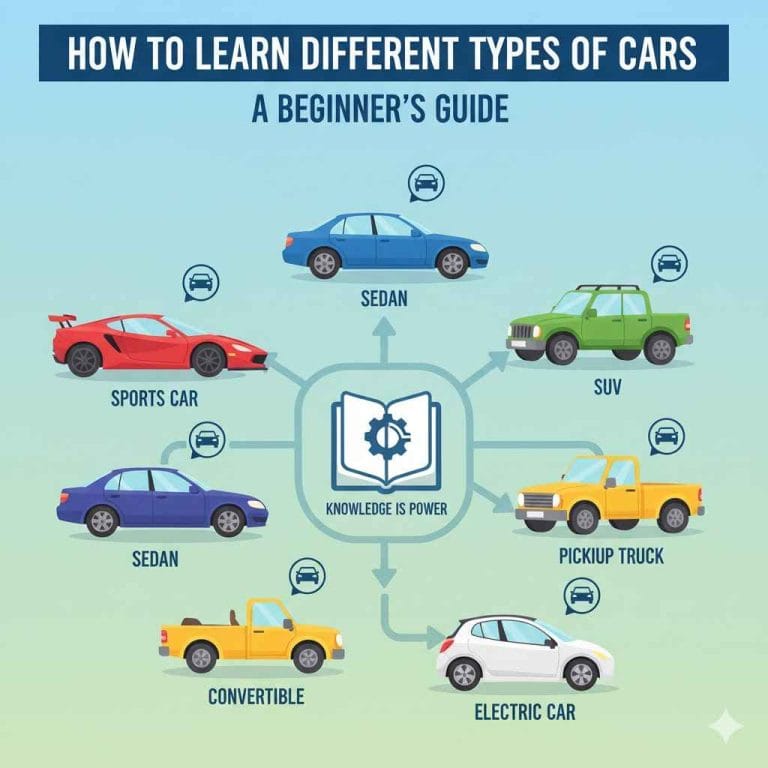
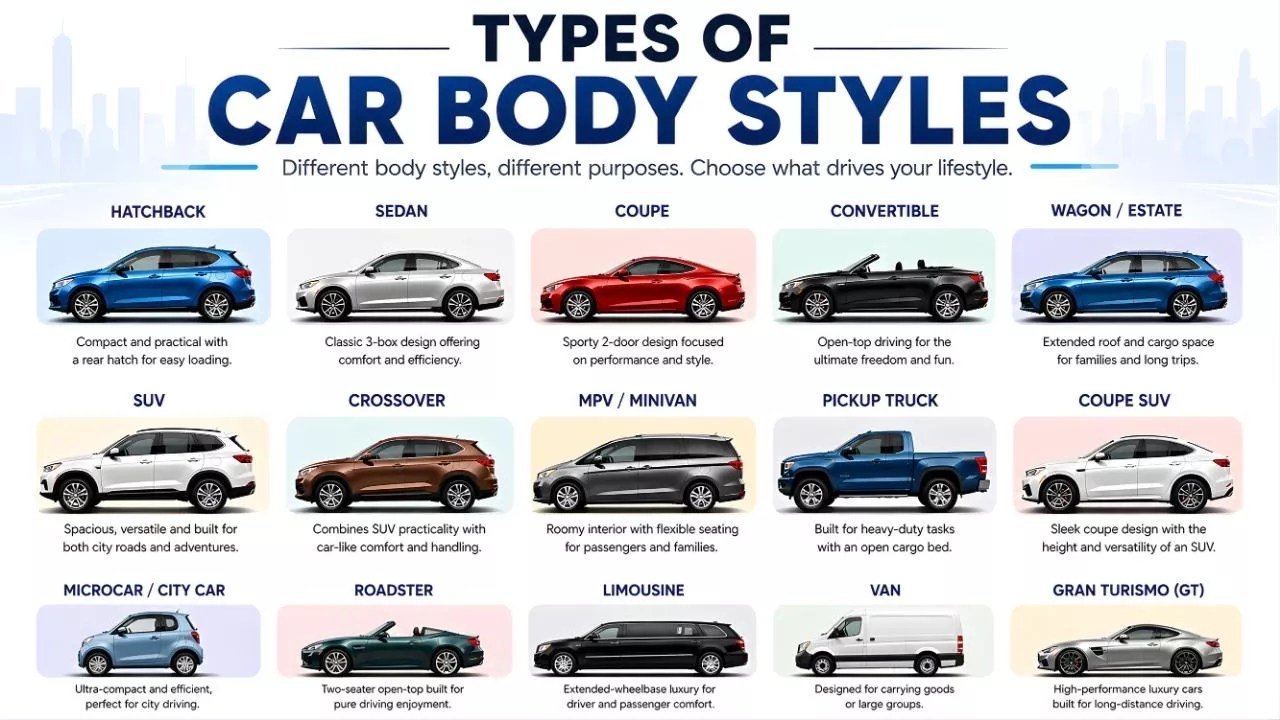
Cars are far more than just a means of transportation, they’re reflections of personality, lifestyle, and the ever-evolving world of automotive design. From sleek sports coupes to rugged SUVs, the diversity of car types can be overwhelming for both new buyers and seasoned enthusiasts.
Understanding the distinctions between each style is crucial, whether you’re considering your next purchase, researching options for a family vehicle, or simply curious about what’s on the market.
This comprehensive guide breaks down every major car type, explaining their unique characteristics, advantages, and common use cases. By the end, you’ll be equipped to identify and choose the best car style for your needs, backed by real-world examples, data-driven comparisons, and actionable insights.
Let’s explore the full spectrum, from the smallest hatchback to the largest pickup truck, making sense of every option available.
Key Takeaways
- Car types vary widely in design, purpose, and functionality, catering to different preferences and needs.
- Sedans, SUVs, trucks, and hatchbacks dominate global sales, but niche styles like coupes and convertibles offer specialized appeal.
- Understanding vehicle size, drive configuration, and intended use can help buyers make informed choices.
- Real-world examples and comparison tables clarify distinctions between similar car types.
- Choosing the right car type involves balancing practicality, style, and cost, not just aesthetics.
- This article simplifies each car style, ensuring clarity for both beginners and experienced drivers.
Credit: www.britannica.com
Sedans: The Classic All-rounder
Sedans remain a cornerstone of the automotive market, valued for their balance of comfort, practicality, and style. Characterized by a three-box design, engine, passenger, and cargo, sedans typically offer seating for four or five and a separate trunk.
Compact Sedans
Compact sedans like the Toyota Corolla and Honda Civic are renowned for their fuel efficiency and affordability. They’re ideal for city driving, offering nimble handling and easy parking. According to the Cars.com guide, compact sedans account for over 25% of all sedan sales in the US.
Midsize Sedans
Midsize sedans strike a balance between space and efficiency. Models like the Honda Accord and Toyota Camry provide generous legroom, advanced safety features, and modern infotainment systems. Their popularity stems from family-friendly interiors and reliable performance.
Full-size Sedans
For those seeking maximum comfort, full-size sedans such as the Chevrolet Impala and Chrysler 300 deliver luxury-level amenities, powerful engines, and spacious interiors. They’re preferred by executives and those who frequently drive long distances.
Real-world Example
Example: When I tested the Honda Accord, the ride quality stood out for both city commutes and highway journeys. The trunk space handled luggage for a week-long trip, and fuel efficiency exceeded 30 mpg, making it a practical family choice.
| Car Type | Typical Seating | Fuel Efficiency (mpg) | Cargo Volume (cu ft) |
|---|---|---|---|
| Compact Sedan | 5 | 30-40 | 12-15 |
| Midsize Sedan | 5 | 25-35 | 15-17 |
| Full-Size Sedan | 5 | 20-30 | 17-20 |
Suvs And Crossovers: Versatility And Utility
SUVs (Sport Utility Vehicles) and crossovers have surged in popularity, thanks to their elevated ride height, flexible seating, and all-weather capability. While both offer spacious interiors, crossovers are built on car platforms (unibody), whereas SUVs use truck-based frames (body-on-frame).
Subcompact And Compact Suvs
Subcompact SUVs like the Mazda CX-3 and Honda HR-V are perfect for urban dwellers needing extra cargo space and a higher driving position without sacrificing efficiency. Compact SUVs, including the Toyota RAV4, blend city-friendly size with adventurous capability.
Midsize And Full-size Suvs
Midsize SUVs such as the Ford Explorer and Chevrolet Traverse offer three-row seating, making them ideal for larger families. Full-size SUVs like the Chevrolet Tahoe and Ford Expedition excel at towing and off-road driving, often equipped with V8 engines and advanced 4WD systems.
Luxury Suvs
For premium comfort and cutting-edge technology, luxury SUVs, the BMW X5 and Mercedes-Benz GLE, provide high-end interiors, adaptive suspension, and advanced driver aids.
Real-world Example
Example: The Toyota RAV4’s hybrid model delivers impressive fuel economy for an SUV, with plenty of cargo space for camping gear and groceries. Its all-wheel drive handled snowy roads during a winter trip, proving its versatility.
| Type | Seating | Drive Options | Fuel Economy (mpg) |
|---|---|---|---|
| Subcompact SUV | 5 | FWD/AWD | 28-35 |
| Midsize SUV | 5-7 | FWD/AWD/4WD | 20-28 |
| Full-Size SUV | 7-8 | RWD/4WD | 15-22 |
| Luxury SUV | 5-7 | AWD/4WD | 18-25 |
Credit: www.theengineeringchoice.org
Hatchbacks And Wagons: Practicality Meets Style
Hatchbacks and wagons are designed for those seeking versatility in a compact form. With rear doors that open upward, hatchbacks provide easy access to cargo, while wagons extend the roofline for even more storage.
Hatchbacks
Models like the Volkswagen Golf and Honda Fit shine in urban settings, offering efficient use of space and flexible seating arrangements. Hatchbacks appeal to younger drivers and those who prioritize maneuverability.
Wagons
Station wagons such as the Subaru Outback and Volvo V60 combine sedan-like handling with extra cargo capacity. They’re popular in Europe and among families who need luggage space without moving to an SUV.
Sport Wagons
Sport wagons, the Audi A4 Allroad, for example, add performance features, all-wheel drive, and upscale trims, blending practicality with driving excitement.
Real-world Example
Example: The Subaru Outback’s all-wheel drive and generous cargo area made it the perfect companion for a cross-country road trip. Its reliability and safety ratings added peace of mind for long-distance travel.
| Type | Cargo Space (cu ft) | Fuel Efficiency (mpg) | Common Uses |
|---|---|---|---|
| Hatchback | 15-25 | 30-40 | City commuting, weekend trips |
| Wagon | 30-40 | 25-35 | Family travel, road trips |
| Sport Wagon | 25-35 | 20-30 | Performance, versatility |

Credit: www.theengineeringchoice.org
Coupes And Convertibles: Style And Performance
Coupes and convertibles are all about driving pleasure and aesthetics. These cars typically have two doors, sporty profiles, and prioritize performance and design over cargo space or rear-seat comfort.
Coupes
Coupes like the Ford Mustang and BMW 4 Series offer sharper handling and powerful engines. Their sleek lines and lower roof profiles make them favorites among enthusiasts seeking a sporty experience.
Convertibles
Convertibles, the Mazda MX-5 Miata and Chevrolet Camaro Convertible, provide open-air driving. Folding or removable roofs transform the driving experience, appealing to those who love feeling the wind and sunshine.
Sports Cars
Sports cars are a subset of coupes and convertibles. Models like the Porsche 911 and Chevrolet Corvette deliver high horsepower, precision handling, and advanced aerodynamics. They’re often used for track days and spirited weekend drives.
Grand Tourers
Grand tourers (GTs) such as the Aston Martin DB11 combine luxury and speed for comfortable long-distance journeys. They’re designed for high-speed cruising with plush interiors.
Real-world Example
Example: The Mazda MX-5 Miata stands out for its nimble handling and affordable price. When driving along coastal highways, a convertible top adds a sense of freedom unmatched by other car types.
Minivans: Family-focused Functionality
Minivans are engineered for transporting families and groups, boasting sliding doors, spacious cabins, and numerous storage compartments. They excel at comfort and convenience, making them the preferred choice for many parents.
Standard Minivans
Models like the Honda Odyssey and Toyota Sienna offer seating for up to eight, rear entertainment systems, and easy access for children and elderly passengers. The sliding doors are a significant advantage in tight parking spaces.
Hybrid Minivans
Hybrid minivans, such as the Chrysler Pacifica Hybrid, combine efficiency with practicality. They deliver better fuel economy without sacrificing passenger comfort or cargo capacity.
Real-world Example
Example: The Honda Odyssey’s Magic Slide seats simplify access to the third row, and its built-in vacuum cleaner keeps the interior tidy, features that proved invaluable during a week of carpooling and road trips.
Comparison Table: Minivan Vs. Suv
| Feature | Minivan | SUV |
|---|---|---|
| Seating Capacity | 7-8 | 5-8 |
| Cargo Space (cu ft) | 30-140 | 15-120 |
| Sliding Doors | Yes | No |
| All-Wheel Drive | Rare | Common |
| Fuel Efficiency (mpg) | 20-30 | 15-28 |
Pickup Trucks: Power And Utility
Pickup trucks are synonymous with ruggedness and utility. They’re built to carry heavy loads, tow trailers, and handle rough terrain. With their open cargo beds and powerful engines, pickups are essential for many professions and outdoor enthusiasts.
Light-duty Trucks
Models like the Ford F-150 and Chevrolet Silverado 1500 are America’s best-selling vehicles. They offer a balance of towing capacity, cabin comfort, and fuel efficiency. Light-duty trucks are popular for both work and personal use.
Heavy-duty Trucks
Heavy-duty trucks such as the Ram 2500 and Ford Super Duty are built for maximum towing and payload. They’re equipped with diesel engines and reinforced frames, making them ideal for construction, farming, and commercial needs.
Compact Trucks
Compact pickups like the Toyota Tacoma and Ford Ranger are easier to maneuver and park, with lower running costs. They’re suitable for light hauling and off-road adventures.
Real-world Example
Example: The Ford F-150’s aluminum body reduces weight and improves fuel economy. During a landscaping project, its towing capacity easily handled a loaded trailer, and the spacious crew cab accommodated four workers.
Electric And Hybrid Cars: Efficiency And Innovation
The rise of electric vehicles (EVs) and hybrid cars has transformed the automotive landscape. These vehicles are designed for sustainability, offering lower emissions and reduced operating costs.
Electric Cars
Models like the Tesla Model 3 and Nissan Leaf run entirely on battery power. They provide instant torque, quiet operation, and access to government incentives. Charging infrastructure is expanding rapidly, with over 50,000 public charging stations in the US (source: US Department of Energy).
Hybrid Cars
Hybrid vehicles, the Toyota Prius and Honda Insight, combine gasoline engines with electric motors for improved fuel efficiency. They’re ideal for drivers seeking to reduce emissions without switching to full electric.
Plug-in Hybrids
Plug-in hybrids (PHEVs) like the Toyota RAV4 Prime offer electric-only driving for short distances and switch to gasoline for longer trips. This flexibility addresses range anxiety and supports eco-friendly commuting.
Real-world Example
Example: The Tesla Model 3’s autopilot system and fast-charging capability allowed me to drive from Los Angeles to San Francisco with minimal stops. The regenerative braking extended battery life, and the cabin was nearly silent even at highway speeds.
| Type | Range (miles) | Fuel Efficiency (mpg-e) | Charging Time (hrs) |
|---|---|---|---|
| Electric | 200-350 | 100-130 | 1-10 |
| Hybrid | 500-600 | 50-60 | N/A |
| Plug-In Hybrid | 20-50 (electric) | 70-90 | 2-5 |
Specialty And Niche Cars: Unique Designs And Purposes
Beyond mainstream categories, specialty cars fulfill specific needs or preferences. These include vehicles designed for unique environments, performance requirements, or stylistic statements.
Microcars
Microcars like the Smart Fortwo are ultra-compact, making them ideal for dense urban areas. They sacrifice cargo space for maneuverability and ease of parking.
Off-road Vehicles
Off-road vehicles, the Jeep Wrangler and Land Rover Defender, feature reinforced suspensions, skid plates, and four-wheel drive. They’re engineered for challenging terrain, from deserts to mountains.
Luxury And Exotic Cars
Luxury cars, the Rolls-Royce Phantom, and exotics like the Lamborghini Aventador focus on opulence, high performance, and exclusivity. These vehicles often feature custom interiors, advanced materials, and limited production runs.
Vans And Commercial Vehicles
Cargo vans (e.g., Mercedes-Benz Sprinter) and commercial vehicles are tailored for transporting goods, tools, or passengers. They’re essential for businesses, offering customizable interiors and reliable engines.
Real-world Example
Example: The Jeep Wrangler’s removable roof and doors transformed a routine camping trip into an adventure. Its 4WD tackled muddy trails and rocky paths with ease, and aftermarket accessories enhanced its utility.
Frequently Asked Questions
What Is The Main Difference Between A Sedan And A Hatchback?
The primary distinction is the trunk design. Sedans have a separate, enclosed trunk, while hatchbacks feature a rear door that opens upward, integrating cargo and passenger spaces. This makes hatchbacks more versatile for loading larger items.
Are Suvs Safer Than Other Car Types?
SUVs generally offer higher driving positions and robust frames, contributing to a sense of security. However, their higher center of gravity can increase rollover risk. Safety ultimately depends on the vehicle’s design, features, and crash test ratings, consult the IIHS and NHTSA for detailed safety data.
Can Electric Cars Be Used For Long Road Trips?
Modern electric cars, such as the Tesla Model S, offer ranges exceeding 350 miles per charge. With expanding charging networks, long trips are increasingly feasible. Planning routes and charging stops is essential for seamless travel.
Why Do Some People Prefer Minivans Over Suvs?
Minivans excel at interior space and convenience features (like sliding doors and flat floors), making them ideal for families with young children or frequent passengers. Their lower ride height also improves accessibility.
How Do I Choose The Right Car Type For My Needs?
Assess your priorities: seating, cargo space, fuel efficiency, driving conditions, and budget. Consider test-driving multiple styles and researching reliability and resale values. Consulting professional reviews and consumer reports can provide further guidance.
Finding the ideal car type means balancing function, style, and practicality. Whether you seek the commanding presence of an SUV, the agility of a hatchback, or the eco-friendly benefits of an EV, understanding the unique features of each style is the first step.
Armed with this knowledge, you can confidently select a vehicle that suits your lifestyle and needs, making every journey safer, smoother, and more enjoyable.
Products related to this article
Sponsored / affiliate links. As an Amazon Associate I earn from qualifying purchases. I may earn additional commission from eligible campaigns.