When is the Right Time to Buy Electric Car: Expert Guide
Buying an electric car can feel like a big decision. Maybe you see more EVs (electric vehicles) on the road, or you want to help the environment, or you simply want to save money on fuel. But the question remains: when is the right time to buy an electric car? Timing can make a big difference. If you buy too early, you may face high costs or limited options. Wait too long, and you may miss out on benefits and savings. To understand the full scale of UK EV adoption, see how many people use electric cars in the UK — the 2026 registration numbers show exactly how fast the market is growing.
This article helps you understand all factors, big and small, that affect the best moment to switch to an electric car. You will see clear explanations, practical examples, and up-to-date facts. Whether you are ready to buy now or just starting to think about it, you will find the guidance you need.
Understanding The Current Electric Car Market
The electric car market has changed fast in recent years. More car makers offer electric models, and prices are coming down. In 2023, over 14 million electric cars were sold worldwide, up from just 2 million in 2019. Major companies like Tesla, BYD, Volkswagen, and Hyundai now have many electric options.
Battery technology is also improving. The average range of an electric car is now about 250 to 350 miles (400–560 km) per charge. Charging stations are appearing everywhere—from shopping centers to highways. Some countries, like Norway and the Netherlands, have more than 20% of all cars as electric.
But not all regions are the same. In some areas, charging can still be hard to find. Government support, such as tax credits or rebates, can also change from year to year. Understanding these market trends helps you see whether it is a good time to buy now or wait.
Financial Incentives And Costs
One of the main reasons people wait to buy an electric car is cost. In the past, electric cars were much more expensive than gas cars. Now, the price gap is closing fast.
Purchase Price
The average new electric car in 2024 costs around $53,000 in the U.S., compared to $48,000 for a gasoline car. However, lower-cost EVs are appearing, and used electric cars are getting cheaper as well.
Running Costs
Electric cars are much cheaper to run. Charging at home can cost only $0.04–$0.06 per mile, while gasoline often costs $0.10–$0.15 per mile. Maintenance is also lower because electric cars have fewer moving parts.
Incentives
Many governments offer tax credits, rebates, or grants. For example, the U.S. federal tax credit can be up to $7,500 for certain models. Some states give extra rebates or reduce registration fees. These incentives can lower the price by 10–20%.
But incentives do not last forever. Some are being reduced as electric cars become more common. It’s important to check what is available in your area before you buy.
Resale Value
Electric cars used to lose value quickly, but this is changing. As more people trust EVs, used prices are stabilizing. Still, the battery’s health can affect resale value. Newer cars with better batteries hold value better.
Battery Technology And Range
The battery is the heart of every electric car. Early EVs had limited range and long charging times, but technology is improving fast.
Range
Most new electric cars in 2024 can go 250–350 miles on a single charge. High-end models, like the Tesla Model S, can reach up to 400 miles. For most daily drives, even a 200-mile range is enough.
Charging Time
There are three main types of charging:
- Level 1 (home outlet): 2–5 miles of range per hour.
- Level 2 (home or public): 10–25 miles per hour.
- DC fast charging: 150–300 miles in 30–40 minutes.
Charging speed depends on the car and the charger. If you drive long distances, fast charging is important.
Battery Longevity
Modern EV batteries can last 8–15 years or more. Most carmakers offer an 8-year warranty on the battery. Battery replacement costs are dropping, but can still be $5,000–$10,000. However, most people trade or sell their car before a replacement is needed.
Insight: One thing many buyers miss is battery warranties. Always check the battery warranty length and coverage. It can give peace of mind and protect your wallet.
Charging Infrastructure: Is It Ready?
Charging is one of the biggest worries for new EV buyers. Will you find a charger when you need it? Is home charging possible for you?
Home Charging
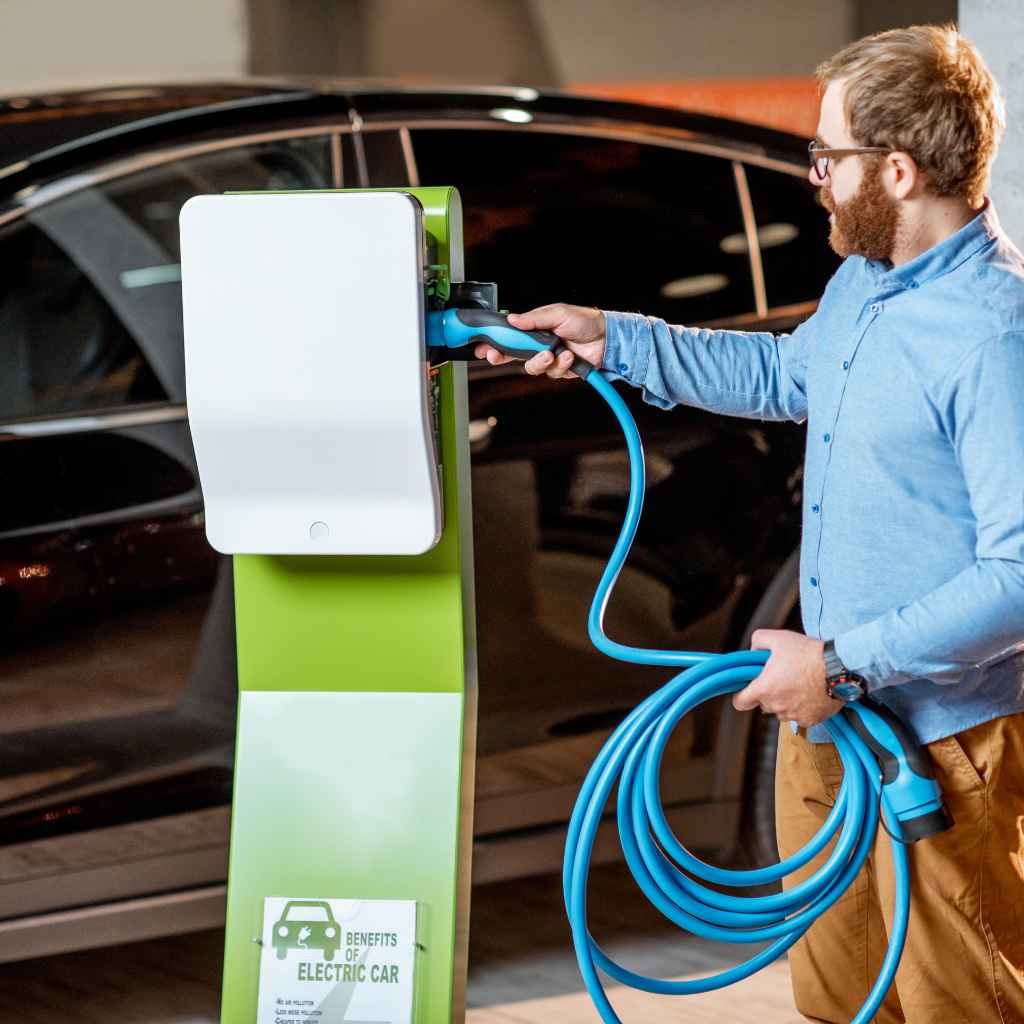
If you have a garage or driveway, installing a Level 2 charger is easy and convenient. Charging overnight means you start each day with a full battery. The cost to install a home charger is usually $500–$1,500.
Public Charging
Public charging networks are growing fast. In the U.S., there are now more than 150,000 public charging ports. Europe and China have even more.
Here’s a look at how major countries compare in charging infrastructure:
| Country | Public Chargers | EVs per Charger | Fast Chargers (%) |
|---|---|---|---|
| United States | 150,000 | 18 | 15% |
| China | 1,800,000 | 7 | 40% |
| Germany | 90,000 | 14 | 20% |
| Norway | 20,000 | 10 | 35% |
Apartment Dwellers
If you live in an apartment or do not have private parking, charging can be tricky. Some apartments now offer shared chargers. Public fast chargers near home or work can also solve the problem, but may be less convenient.
Insight: Always check the charging options where you live and work before buying. If you plan to move, see if your new place supports EV charging.
Environmental Benefits And Regulations
One reason people buy electric cars is to help the environment. EVs do not produce tailpipe emissions, which reduces air pollution and greenhouse gases.
Emission Reductions
Switching from a gas car to an electric car can cut your carbon footprint by 50% or more, depending on how your electricity is made. In areas with clean energy, the benefits are even greater.
Government Mandates
Many countries and cities now have rules to phase out gasoline cars. For example, the European Union will ban new petrol and diesel car sales by 2035. California, Canada, and others have similar plans.
This means that waiting too long to switch may make your gas car harder to sell in the future.
Low Emission Zones
Some cities, like London or Paris, have low emission zones. Only clean vehicles can enter or park in these areas. As more zones appear, having an electric car will give you more freedom.
Model Choice And Features
The number of electric car models has exploded in the last five years. You can now find everything from compact city cars to large SUVs and pickup trucks.
Variety
In 2018, there were only about 60 electric car models worldwide. In 2024, there are over 300 models to choose from.
Features
Modern electric cars offer:
- Advanced safety systems (like automatic emergency braking)
- Infotainment with large touchscreens
- Over-the-air updates (software improvements sent by the carmaker)
- All-wheel drive options
- Heated seats and climate control
Upcoming Models
Many companies have announced exciting new EVs for the next 1–2 years. If you want a special feature or size, it may be smart to wait for the right model.
Tip: Always test drive before you buy. Electric cars feel different from gas cars—smoother and quieter.
Total Cost Of Ownership: The Big Picture
When is the right time to buy an electric car? It’s not just about the purchase price. The total cost of ownership includes fuel, maintenance, insurance, and resale value.
Here’s a simple comparison for a mid-size car over 5 years (U.S. averages):
| Cost Item | Electric Car | Gas Car |
|---|---|---|
| Purchase Price | $50,000 | $45,000 |
| Fuel/Electricity | $2,500 | $7,500 |
| Maintenance | $2,000 | $4,500 |
| Incentives | -$7,500 | $0 |
| Resale Value | $20,000 | $18,000 |
| Total 5-Year Cost | $27,000 | $39,000 |
As you can see, electric cars often save money in the long run. The biggest savings are in fuel and maintenance. If you drive a lot, the break-even point comes even faster.
When Should You Wait?
It’s not always the perfect time to buy. Here are reasons you might want to wait:
- You cannot charge at home. If home charging is impossible and public charging is not available, wait until the infrastructure improves.
- Your driving needs are unique. If you drive very long distances often, and fast chargers are rare on your route, a gas car may still be easier.
- You want a specific upcoming model. Many exciting EVs are launching soon. If you want a truck or a certain brand, waiting 1–2 years could get you more options.
- Incentives may improve. Sometimes, governments announce bigger rebates to speed up adoption. Watch for news in your area.
- Your current car is still reliable. If your car is in great shape and costs little to run, waiting can make sense.
Common mistake: Waiting for “perfect” battery technology. No tech is ever perfect. Today’s EVs already meet most needs, and improvements are now coming in small steps, not giant leaps.
When Should You Buy Now?
In some cases, buying an electric car now makes the most sense.
- You have easy home charging. If you can charge at home, you will enjoy the biggest savings and comfort.
- Your daily driving fits the range. If you drive under 200 miles per day, today’s EVs cover your needs easily.
- You want to save on fuel and maintenance. With high gas prices, EVs pay off faster.
- You can use current incentives. If rebates are available, you can save thousands by acting now.
- You want to help the environment. Every gas car replaced by an EV helps cut air pollution and carbon emissions.
What About Used Electric Cars?
Buying a used electric car can be a smart way to save money. Prices for 3–5 year old EVs are often 30–50% lower than new ones. But you need to check a few things:
- Battery health: Ask for a battery check report. Most EVs show battery state in the dashboard.
- Warranty: Check how much battery warranty is left.
- Software: Some older models may not get the newest updates.
If you find a good used EV with a strong battery, it can be a bargain.
Tip: Used electric cars make great city vehicles, since range is often enough for daily errands.
The Future Of Electric Cars
The future is bright for electric cars. Prices will keep dropping as battery factories expand and more models appear. By 2030, experts predict that over 50% of new car sales worldwide will be electric.
Solid-state batteries, which are lighter and charge faster, are coming soon. This could increase range and cut charging time by half. But the change will be gradual, not overnight.
Car makers are also working on:
- Wireless charging (no cables needed)
- Vehicle-to-home power (using your car’s battery to power your house)
- Self-driving features
If you buy now, your car may get better with software updates. Waiting will bring more choices, but today’s cars are already very good.
How To Decide: A Simple Checklist
To help you decide the right time to buy, ask yourself:
- Do I have easy access to charging at home or work?
- Does my daily driving fit within the range of today’s EVs?
- Are financial incentives available in my area?
- Is my current car costing too much to run or repair?
- Am I willing to adapt to new technology and habits?
If you answer “yes” to most, it may be the right time to buy. If not, waiting is fine—EVs are only getting better.
Frequently Asked Questions
What Is The Best Month To Buy An Electric Car?
The best time is often at the end of the year or end of a quarter. Dealers want to meet sales targets, so discounts are common. New models usually arrive in fall, so prices for current models drop.
How Long Do Electric Car Batteries Last?
Most batteries last 8–15 years, depending on usage and climate. Car makers usually give 8-year warranties covering battery health. Proper charging habits can help batteries last longer.
Are Electric Cars Cheaper To Insure?
Insurance can be similar or slightly higher than for gas cars, mainly because of higher repair costs and expensive parts. But as more EVs hit the road and repair shops gain experience, rates are getting more competitive.
Will Electric Cars Get Cheaper In The Next Few Years?
Yes, prices are expected to fall as battery factories scale up and more models appear. By 2026, some experts think electric cars will match gas cars in price, even without incentives.
What If I Want To Keep My Car For 10+ Years?
EVs are a good long-term choice. Fewer moving parts mean less can break. However, check battery warranty terms and consider possible battery replacement costs after 8–10 years. Technology is advancing, so future batteries may be cheaper and better.
Final Thoughts
The decision of when to buy an electric car depends on your needs, location, and finances. Today’s electric cars are ready for most drivers, with better range, lower running costs, and growing support. If you have home charging and your daily drive fits the typical range, there are strong reasons to switch now. If you need more range, want a special model, or lack charging options, waiting makes sense.
Remember, the market is moving fast. Stay informed, check for new incentives, and always test drive before you buy. For more details about the growth of electric vehicles and the latest statistics, see the Wikipedia guide to electric car use by country. The future of driving is electric, and the right time to join is when it fits your life best.
Products related to this article
Sponsored / affiliate links. As an Amazon Associate I earn from qualifying purchases. I may earn additional commission from eligible campaigns.