How to Fix Transmission Control Module Problems at Home
Modern cars are complex machines, and one crucial part is the transmission control module (TCM). This small computer manages how your car shifts gears, making sure everything runs smoothly. When the TCM has problems, your car might shift roughly, stall, or even refuse to move. Many drivers fear expensive repairs, but you don’t always need a mechanic for TCM issues. With some patience, the right tools, and a careful approach, you can often fix TCM problems at home—even if you’re not a professional.
This guide will help you understand how the transmission control module works, what signs show it’s failing, and how you can diagnose and fix common issues yourself. While some problems do need expert attention, many can be solved in your own garage.
You’ll also learn about the tools required, safety tips, and what to do if things don’t go as planned. Let’s make the process less mysterious and more manageable.
What Is A Transmission Control Module?
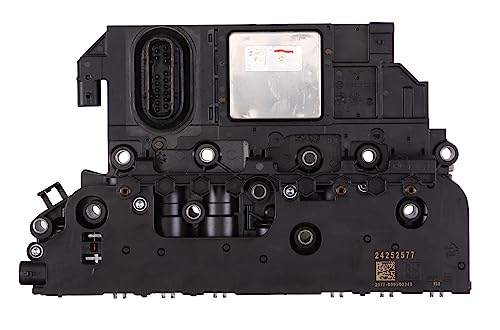
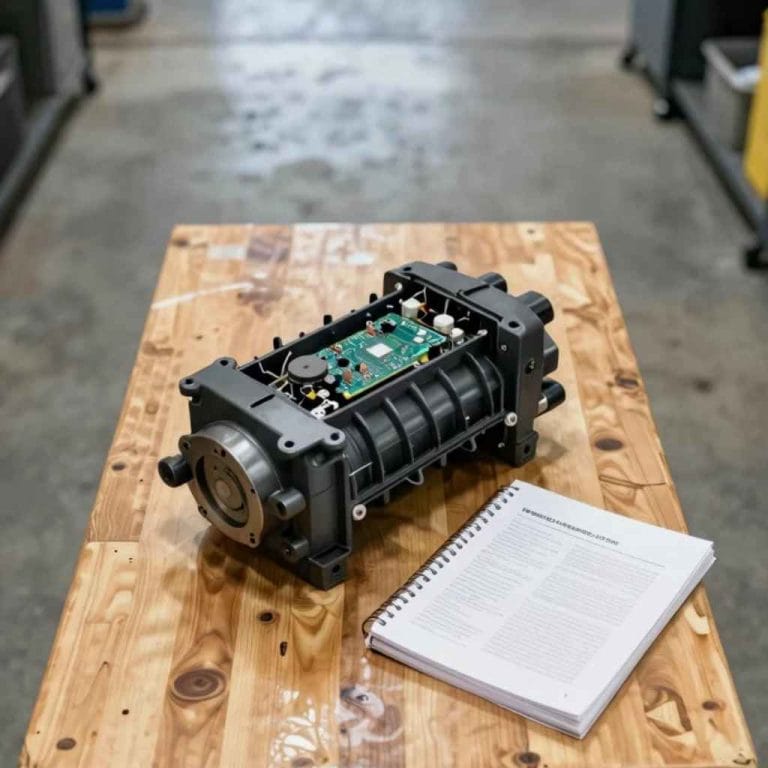
The transmission control module is an electronic unit that manages your car’s automatic transmission system. It decides when and how the gears shift based on signals from sensors in the engine, wheels, and transmission itself. The TCM’s job is to keep your car performing well, using the right gear at the right time for power and fuel efficiency.
Without a working TCM, your car might:
- Struggle to shift gears smoothly
- Get stuck in one gear
- Shift at the wrong time
- Enter “limp mode,” where the car limits itself to protect the transmission
Most modern cars, especially those built after 2000, use a TCM. Some vehicles combine the TCM with the engine control module (ECM), but the function is similar.
Signs Of A Bad Transmission Control Module
Before you start fixing, it’s important to know the common symptoms of a faulty TCM. Here’s what to watch for:
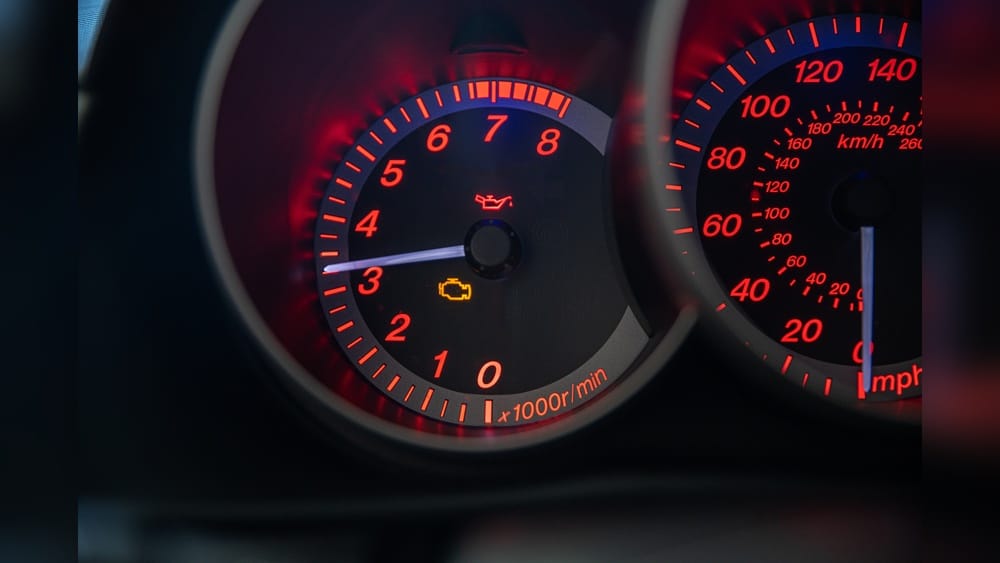
- Check Engine Light – If this light comes on, it can mean many things, but TCM problems often trigger it.
- Transmission Warning Light – Some cars have a specific light for transmission issues.
- Harsh or Delayed Shifting – Shifts feel jerky, slow, or happen at strange times.
- Stuck in Gear – The car won’t move out of one gear or is stuck in “limp mode.”
- Poor Fuel Economy – The engine works harder, using more fuel.
- No Response When Shifting – You move the shifter, but nothing happens.
- Slipping Gears – The car unexpectedly shifts out of gear or into neutral.
If you notice one or more of these, it’s time to check your TCM.

Credit: www.youtube.com
Basic Tools And Equipment You’ll Need
You don’t need a full mechanic’s shop to work on a TCM, but some basic tools and gear make the job easier and safer.
- OBD-II Scanner – Reads error codes from your car’s computer.
- Socket Set and Screwdrivers – For removing panels and bolts.
- Multimeter – Checks electrical signals and voltage.
- Protective Gloves – Keeps hands safe from dirt and chemicals.
- Repair Manual – Each car is different; a manual gives exact steps.
- Clean Workspace – Dirt and static electricity can damage electronics.
- Flashlight – Helps you see in tight spaces.
A good OBD-II scanner is especially important. Basic models cost $20–$60, while advanced ones can be $100 or more. Many auto parts stores will scan your codes for free if you don’t own one.
How To Diagnose Tcm Problems At Home
Diagnosing a TCM issue is easier than you might think. Here’s a step-by-step approach:
1. Read The Error Codes
Plug the OBD-II scanner into your car’s port (usually under the dashboard). Turn on the ignition but don’t start the engine. The scanner will display codes like “P0700,” which points to transmission control problems.
Common Tcm-related Codes
| Error Code | Meaning | Typical Cause |
|---|---|---|
| P0700 | Transmission Control System Malfunction | General TCM issue |
| P0715 | Input/Turbine Speed Sensor Circuit Malfunction | Sensor or wiring problem |
| P0720 | Output Speed Sensor Circuit Malfunction | Sensor or TCM wiring issue |
| P0613 | TCM Processor Error | TCM internal failure |
Write down all codes you find. Look up what they mean in your repair manual or online.
2. Visual Inspection
Open the hood and locate the transmission control module. It’s often near the battery, firewall, or under the center console. Look for:
- Corroded connectors
- Loose or damaged wires
- Signs of water damage
- Burnt smell or melted plastic
Sometimes, reseating a loose connector or cleaning corrosion solves the issue.
3. Check Battery Voltage
Low voltage can cause the TCM to malfunction. Use a multimeter to check the battery—it should read around 12.6 volts with the car off. If it’s lower, recharge or replace the battery before continuing.
4. Check Transmission Fluid
Low or dirty transmission fluid can cause shifting problems that seem like a bad TCM. Check the fluid level and color (bright red is good, brown or burnt is bad). Top up or replace if needed.
5. Test Sensors And Wiring
Use your multimeter to test key sensors (like the input and output speed sensors) and wiring for continuity. Refer to your manual for expected readings.
6. Rule Out Simple Causes
Many TCM errors are caused by failing sensors, weak batteries, or bad connections—not the TCM itself. Always eliminate these first before replacing the module.
Pro Tip: Software bugs can also cause TCM issues. Sometimes, a simple reset or re-flash solves the problem.
Common Transmission Control Module Problems And Fixes
Now, let’s look at the problems you might find and how to fix them at home.
1. Loose Or Corroded Connectors
Symptoms: Random error codes, intermittent shifting problems.
Fix: Unplug the connectors from the TCM. Spray with electronic contact cleaner and gently brush away corrosion. Make sure the connectors snap back firmly.
2. Software Glitches
Symptoms: Sudden shifting issues after battery change or electrical work.
Fix: Many TCMs can be reset by disconnecting the battery for 10–15 minutes. After reconnecting, start the car and let it idle for a few minutes. Some cars need a special reset procedure—check your manual.
3. Faulty Sensors
Symptoms: Codes like P0715 or P0720, shifting issues.
Fix: Replace the sensor (usually a small, bolt-on part). This job is usually easier than replacing the TCM and can be done with basic tools.
4. Damaged Wiring
Symptoms: No communication with the TCM, multiple error codes.
Fix: Inspect wires for breaks, burns, or shorts. Repair with solder or proper connectors, and wrap with electrical tape.
5. Internal Tcm Failure
Symptoms: Code P0613 or no response after other fixes.
Fix: The TCM may need to be replaced. In many cars, it’s a plug-and-play part (remove bolts, unplug old unit, plug in new one). Some cars need the new TCM programmed with a special tool, which may require a dealer visit.
Step-by-step: Replacing The Transmission Control Module
If you’ve diagnosed a failed TCM and ruled out other causes, you may need to replace it. Here’s how:
Preparation
- Get the correct replacement TCM for your car’s make, model, and year.
- Disconnect the battery to avoid electrical shorts.
Removal
- Locate the TCM (check your manual for the exact spot).
- Remove any covers or panels.
- Unplug the wiring harness (press the release tab).
- Remove mounting bolts or clips.
- Take out the old TCM.
Installation
- Place the new TCM in position.
- Attach bolts or clips.
- Plug in the wiring harness.
- Reinstall covers or panels.
- Reconnect the battery.
Programming (if Required)
Some cars need the new TCM programmed before it will work. This may require a dealer or a mechanic with the right tools. However, many older cars and some newer ones allow plug-and-play replacement.
Non-obvious insight: Always compare the part numbers on your old and new TCM. Even a small difference can cause problems.

Credit: www.orthoarkansas.com
Resetting And Relearning The Tcm
After replacing or fixing the TCM, the car may need to relearn shifting patterns. This process is called “relearning” or “adaptation.” Here’s how:
- Start the engine and let it idle for 5–10 minutes.
- Drive the car through all gears slowly (automatic: Move shifter through P, R, N, D; manual: drive in each gear briefly).
- For some cars, you may need to drive for 50–100 miles for the TCM to adjust fully.
Check your manual for specific steps. Skipping this process can lead to harsh or incorrect shifting.
When To Call A Professional
While many TCM problems can be fixed at home, some situations need expert help:
- Programming required: If your car needs TCM programming, and you don’t have the tools.
- Complex wiring issues: Deep electrical faults are hard to trace.
- Repeated TCM failures: If a new TCM fails quickly, there may be a deeper problem.
- Physical transmission damage: If you hear grinding, clunking, or smell burning, the transmission itself may be damaged.
Real-world Example: Fixing A Honda Civic Tcm
Let’s look at a real case. A 2010 Honda Civic owner noticed the check engine light and found code P0700 with an OBD-II scanner. The car shifted roughly. After inspecting the TCM, the owner found corrosion on the connector. Cleaning it fixed the problem—no need for a new module.
However, another owner with a 2016 Ford Focus had repeated TCM failures. The replacement TCM worked for a week, then failed again. A professional found a short in the wiring harness, which was causing the problem. This is why it’s important to check wiring before replacing expensive parts.
How Much Can You Save By Fixing Tcm Problems At Home?
Let’s compare typical costs if you fix the TCM yourself versus going to a shop.
| Repair Type | DIY Cost (USD) | Professional Cost (USD) |
|---|---|---|
| Clean/Reseat Connectors | 10–20 (tools/cleaner) | 100–200 |
| Replace Sensor | 20–80 (part) | 150–350 |
| Replace TCM | 150–400 (part only) | 500–1200 |
| Reprogram TCM | Free–100 (if you have tools) | 100–300 |
By fixing small issues yourself, you can save hundreds of dollars. However, be honest about your skill level—complex repairs may be worth the extra cost for peace of mind.
Safety Tips For Diy Tcm Repair
Working on car electronics is safe if you follow some simple rules:
- Disconnect the battery before touching any electrical parts.
- Avoid static electricity by touching metal before handling the TCM.
- Work in a dry, clean area.
- Never force connectors or wires—they should come off easily.
- Double-check part numbers before installing replacements.
Non-obvious insight: Always keep your car keys away from the ignition when working on the TCM. Accidentally turning the key can cause a short circuit.
Preventing Future Tcm Problems
Prevention is better than repair. Here’s how to keep your transmission control module in good shape:
- Keep electrical connections clean and dry.
- Replace transmission fluid as recommended by your manufacturer.
- Fix leaks quickly to prevent water or fluid from reaching the TCM.
- Avoid jump-starting your car unless necessary—power surges can damage electronics.
- Use a surge protector when charging or working on your car battery.
Some cars are more prone to TCM issues. For example, certain Volkswagen and Dodge models have known TCM problems. Research your car’s reputation online or on forums.
For more about how modern cars use electronics, see this Wikipedia article on automotive electronics.

Credit: www.sblcorp.com
Frequently Asked Questions
What Happens If I Drive With A Bad Transmission Control Module?
Driving with a faulty TCM can damage your transmission. The car may shift harshly, slip gears, or get stuck in limp mode. This can quickly lead to more expensive repairs. It’s best to fix the issue as soon as possible.
Can I Reset The Tcm By Disconnecting The Battery?
Yes, many cars will reset the TCM if you disconnect the battery for 10–15 minutes. However, some cars need a special reset with a scan tool. Always check your car’s manual for the correct procedure.
How Long Does It Take To Replace A Transmission Control Module?
For most cars, replacing the TCM takes 30–90 minutes. If you need to remove parts of the dashboard or center console, it might take longer. Programming a new TCM can add extra time.
Do I Need To Program A New Tcm?
Some cars require the new TCM to be programmed before it works. Others are plug-and-play. Check your repair manual or ask a dealer to be sure.
What Is The Difference Between The Tcm And Ecm?
The TCM controls the transmission, while the ECM (engine control module) manages the engine. In some cars, they are combined into one unit. Each module has a specific job, but they often share information to keep your car running smoothly.
Fixing a transmission control module at home is possible for many car owners,
Products related to this article
Sponsored / affiliate links. As an Amazon Associate I earn from qualifying purchases. I may earn additional commission from eligible campaigns.