Electronically Controlled Transmission Vs Cvt: Which Wins?
In the world of modern vehicles, transmission technology has changed more in the last few decades than in the previous hundred years. For many drivers, choosing between an Electronically Controlled Transmission (ECT) and a Continuously Variable Transmission (CVT) can be confusing. Each type offers unique advantages, and both are found in everything from small cars to SUVs. But which one truly wins for today’s drivers? If you want a smoother ride, better fuel economy, or lower maintenance costs, understanding the real differences between ECT and CVT is essential.
This article breaks down how ECT and CVT work, compares them in real-world situations, and explores what matters most for drivers. You’ll also find data, examples, and answers to common questions. Whether you’re buying a new car or just want to know more about what’s under the hood, this guide will help you make a smarter choice.
What Is An Electronically Controlled Transmission?
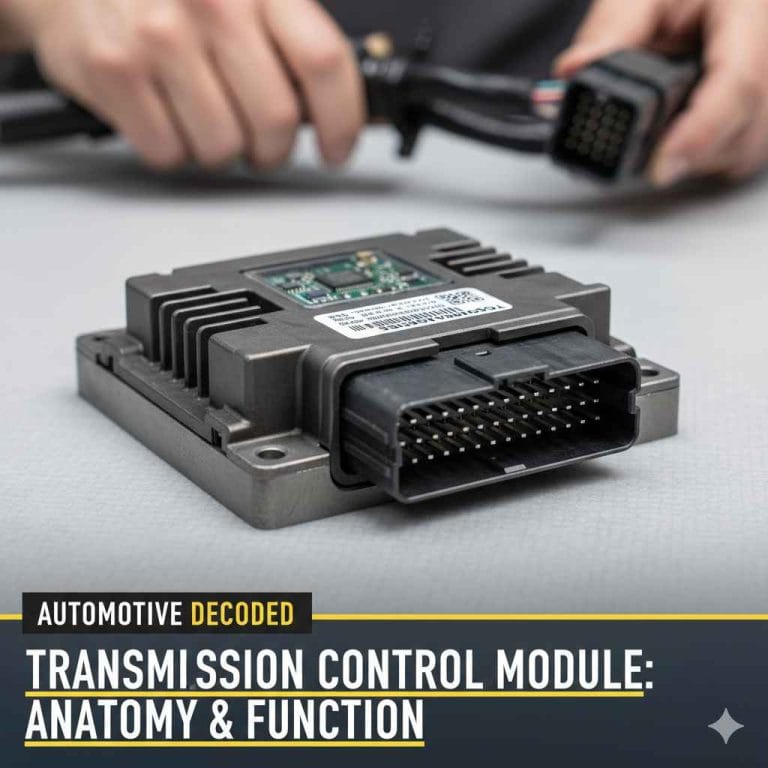
An Electronically Controlled Transmission is a type of automatic transmission that uses electronic sensors, actuators, and a central computer (also called the Transmission Control Module or TCM) to manage gear shifts. Instead of relying only on mechanical or hydraulic systems, the ECT measures things like speed, engine load, and throttle position. The computer then selects the best gear for the situation.
How Ect Works
When you press the gas pedal, the ECT’s sensors collect data and send it to the TCM. The TCM decides when to shift gears by sending signals to the transmission. This results in smoother, faster, and more precise shifts compared to older automatic transmissions.
Modern ECTs often include:
- Adaptive shifting: Learns your driving style and adapts gear changes for comfort or performance.
- Manual mode: Lets you control gear changes through paddles or the gear lever.
- Multiple driving modes: Such as Eco, Sport, or Snow, adjusting shift points and responsiveness.
Where You’ll Find Ect
ECTs are common in many vehicles, from economy sedans to high-end sports cars and trucks. Brands like Toyota, Honda, and BMW have all used ECT technology, sometimes with their own unique names.
Key Benefits Of Ect
- Reliable power delivery: Fixed gear ratios mean consistent acceleration.
- Strong performance: Great for towing or sporty driving.
- Long-term durability: Proven technology with well-understood maintenance needs.
What Is A Continuously Variable Transmission?
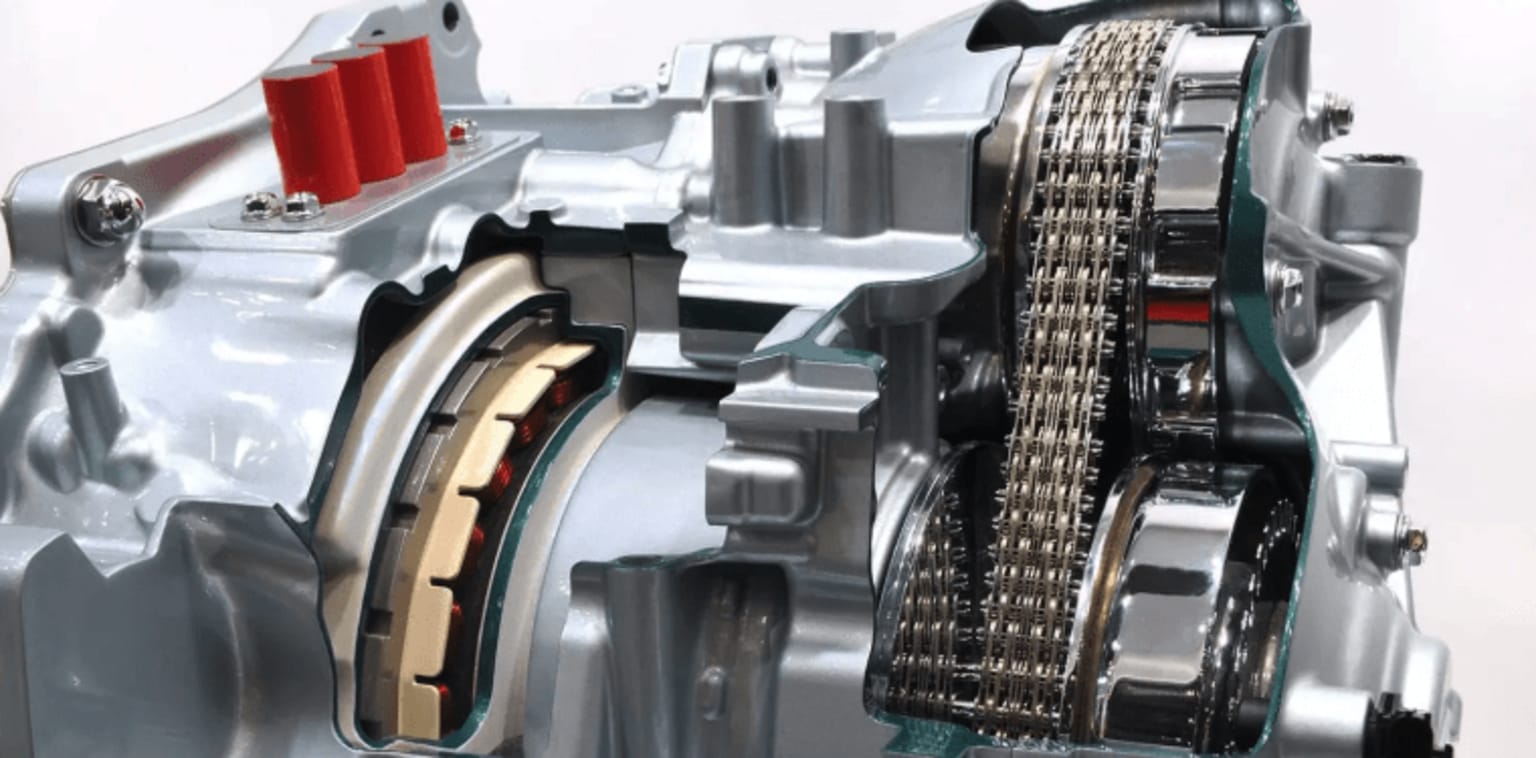
A Continuously Variable Transmission works differently. Instead of fixed gears, the CVT uses a system of pulleys and a belt or chain to create an “infinite” range of gear ratios. This allows the engine to run at the most efficient speed, no matter how fast the car is going.
How Cvt Works
When you press the gas, the CVT automatically adjusts the diameter of the pulleys, changing the gear ratio smoothly. There are no distinct shifts—you’ll notice the engine sound stays steady even as speed increases.
Common CVT designs include:
- Belt-driven CVT: The most popular, using a strong belt between two variable pulleys.
- Chain-driven CVT: Used in some high-torque vehicles for better durability.
- Toroidal and hydrostatic CVT: Less common, seen mostly in specialty vehicles.
Cvt In Today’s Cars
CVTs are used by brands like Nissan, Subaru, and Honda, especially in smaller engines and hybrid vehicles. Many compact cars and crossovers use CVT for better fuel efficiency.
Key Benefits Of Cvt
- Smooth acceleration: No noticeable gear shifts, just steady power.
- Fuel economy: Keeps the engine in its most efficient range.
- Lightweight design: Often weighs less than traditional automatics.
Ect Vs Cvt: Core Differences
Understanding the fundamental differences between ECT and CVT helps you see why each type has its fans. Here’s a side-by-side look:
| Feature | ECT | CVT |
|---|---|---|
| Gear System | Fixed gear ratios (e.g., 6-speed, 8-speed) | Infinite ratios with pulleys/belts |
| Shifting | Noticeable gear changes | Smooth, no gear steps |
| Fuel Efficiency | Good (varies by model) | Often superior, especially in city driving |
| Performance | Strong acceleration, sporty feel | Continuous acceleration, less sporty |
| Maintenance | Well-known, many mechanics trained | Specialized, can be costly if repairs needed |
| Durability | Proven over time, especially for high power | Improving, but can wear faster under stress |
Real-world Performance: Driving Experience
Ect On The Road
Drivers who enjoy a more “connected” feel often prefer ECT. You can sense each gear change, which gives feedback during acceleration. This is especially noticeable when merging onto highways or overtaking another car.
For example, a Toyota Camry with an 8-speed ECT feels responsive and provides good passing power. The transmission can also hold lower gears for extra power, a plus in hilly or sporty driving.
Cvt In Action
The CVT’s biggest strength is smoothness. There are no “shift shocks” or pauses. This is ideal for city driving, stop-and-go traffic, or for people who want a gentle ride. For example, the Nissan Altima with CVT delivers steady acceleration with no gear hunting.
However, some drivers notice a “rubber band” feeling—the engine revs but the car’s speed seems to catch up a moment later. This can feel less direct compared to ECT.
Noise And Vibration
CVTs keep the engine in its efficient range, which can mean higher RPMs at certain speeds. This sometimes leads to a droning sound. ECTs, by shifting gears, can keep engine noise lower during cruising.
Fuel Efficiency: Which Saves More Gas?
One of the main reasons automakers use CVT is to improve fuel economy. By always keeping the engine at the right speed, CVT can deliver 5–10% better fuel efficiency compared to traditional automatics in small to midsize cars.
For example:
- Honda Civic CVT: EPA rated at 32 mpg city / 42 mpg highway.
- Honda Civic with 6-speed ECT: EPA rated at 30 mpg city / 38 mpg highway.
This pattern holds for many models. However, the gap shrinks in larger vehicles or when towing. For example, trucks and SUVs with ECT often match or even beat CVT in highway driving, especially when loaded.
Hybrid Vehicles
Most hybrid cars use CVT because it maximizes the benefits of electric motors. The Toyota Prius and Honda Insight are famous examples, both using CVT for ultra-high mpg.
Maintenance, Durability, And Repair Costs
Ect: Proven Reliability
The ECT is a mature technology. Mechanics worldwide are trained to service and repair these transmissions. Parts are widely available, and routine maintenance (fluid changes, filter replacements) is well understood.
A well-maintained ECT can last over 150,000 miles or more. Heavy towing or aggressive driving can shorten life, but many ECTs are built to handle these demands.
Cvt: Evolving Fast, But Still Some Risks
CVTs are more sensitive to maintenance. Using the wrong fluid or skipping service can lead to early failure. Some early CVTs (especially from 2000–2012) had problems with belt wear or overheating.
Modern CVTs are much better, but repairs can be costly—sometimes requiring a full replacement if the belt or pulley fails. Finding a mechanic who specializes in CVT is important, as the technology is still less common in some regions.
Typical Repair Costs
Here’s a look at average repair costs for each type:
| Transmission Type | Minor Service (Fluid Change) | Major Repair/Replacement |
|---|---|---|
| ECT | $150–$300 | $1,800–$3,500 |
| CVT | $200–$400 (special fluid) | $3,000–$5,000 |
Insight: Early CVTs sometimes failed before 100,000 miles if not properly maintained. Always check service records if buying used.
Credit: www.magiccityautogroup.com
Driving Styles: Which Suits You Best?
Ect For Enthusiasts And Heavy-duty Use
If you want sporty performance, tow heavy loads, or prefer feeling each shift, ECT is often the better choice. The fixed gears handle high torque and horsepower, making them ideal for trucks, performance sedans, and vehicles used in challenging conditions.
Cvt For Everyday Commuting
If your main goal is smooth driving and saving fuel, especially in city traffic, CVT shines. It’s also a smart choice for hybrid cars and compact models where comfort and efficiency matter more than fast acceleration.
Not-so-obvious Tips
- Test drive both types: The “feel” is very different. Some drivers love CVT’s smoothness, others find it disconnected.
- Consider resale value: ECTs often have higher resale value in performance or work vehicles, while CVTs hold value well in fuel-efficient models.
Common Issues And Long-term Ownership
Ect: What To Watch For
- Delayed shifting: Can signal low fluid or worn solenoids.
- Hard or rough shifts: Sometimes caused by dirty fluid or software glitches.
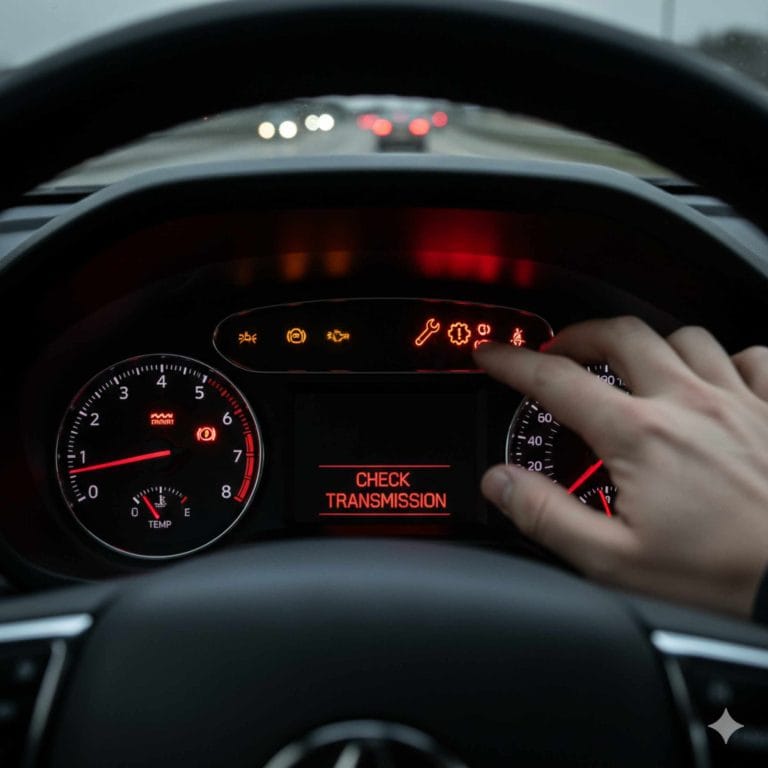
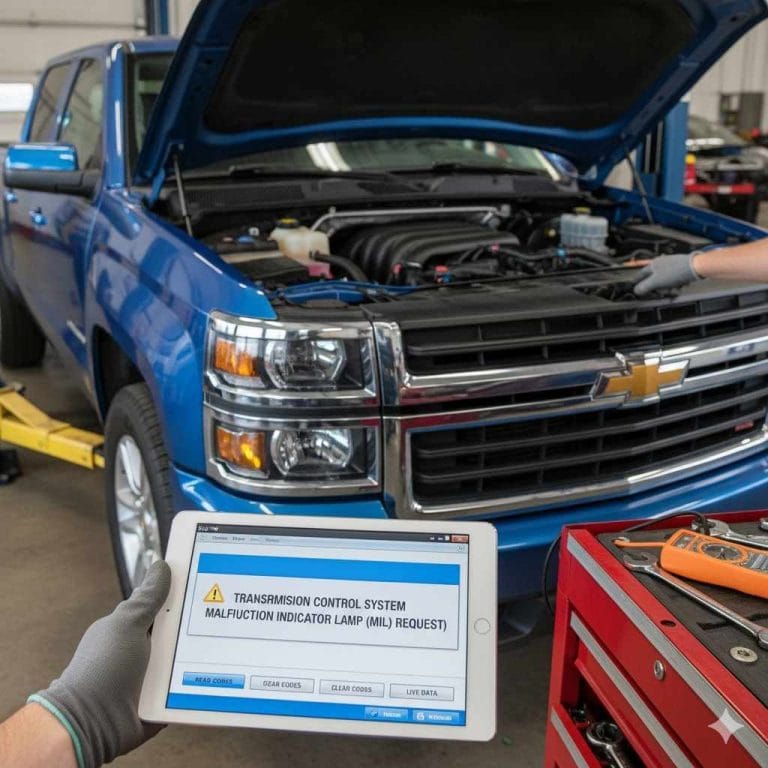
- Transmission warning lights: Most ECTs store error codes for easy diagnosis.
Cvt: Unique Weak Points
- Shuddering or slipping: Often means the belt or pulleys are worn.
- Overheating: Hard driving or towing can push CVT beyond its limits.
- Fluid breakdown: CVT fluid is special—using the wrong type can ruin the transmission.
Expert tip: CVT fluid should be changed every 30,000–60,000 miles, even if the manual says “lifetime.” ECTs can often go longer, but regular fluid changes always extend life.
Cost Of Ownership Over Time
Fuel savings with CVT can add up, but potential repair costs must be considered. Here’s a simplified five-year ownership example for a midsize sedan, using average US data:
| Category | ECT (Automatic) | CVT |
|---|---|---|
| Average Fuel Cost (5 yrs) | $6,500 | $6,000 |
| Maintenance & Service | $1,500 | $1,700 |
| Major Repair Risk | Medium | Medium–High |
| Total Ownership Cost | $8,000 | $7,700 |
Non-obvious insight: CVTs can sometimes cost less overall, but a single major repair may erase all savings. ECTs offer more predictable costs.
Environmental Impact
CVTs are often promoted as the greener choice, thanks to better fuel economy and lower emissions. This is especially true in city driving and hybrids. However, producing and recycling CVT components can be more complex due to specialized materials.
ECTs, while slightly less efficient, often last longer and are easier to recycle. Both types use transmission fluid, but CVTs require more frequent changes, which has a small environmental impact.
If you’re focused on reducing your carbon footprint, CVT in a hybrid is the top choice. For long-distance drivers, ECT’s durability may balance out the difference.
Credit: www.charliestoyota.com
The Future: Where Are Transmissions Heading?
As cars become more connected and electrified, both ECT and CVT are evolving fast. Some trends to watch:
- More gears in ECT: Some automatics now have 10 speeds for better fuel economy.
- Improved CVTs: New designs use stronger belts and smarter software for more natural driving.
- Hybrid and electric vehicles: Many EVs use single-speed gearboxes, but hybrids still rely on CVT or ECT.
- Software updates: Both types can now receive updates to improve shifting and efficiency without hardware changes.
Industry experts expect CVT to remain popular in small, efficient vehicles, while ECT will lead in larger, high-performance models.
For a deeper technical comparison, you can check out the CVT page on Wikipedia.
Which Wins? Deciding For Your Needs
There’s no one-size-fits-all winner in the ECT vs CVT debate. The right choice depends on your driving habits, vehicle type, and how long you plan to keep your car.
Choose ECT if:
- You value sporty performance or need to tow/haul.
- You plan to keep your car for many years.
- You want easier, more affordable repairs.
Choose CVT if:
- You drive mostly in the city or want maximum fuel savings.
- You prefer a smooth, shift-free ride.
- You’re buying a hybrid or compact car.
Credit: www.burienhonda.com
Frequently Asked Questions
What Is The Main Difference Between Ect And Cvt?
The main difference is that ECT uses a set number of fixed gears, while CVT uses pulleys and a belt to create an infinite range of gear ratios. This means ECT has step-by-step gear changes, and CVT offers smooth, continuous acceleration.
Is Cvt More Fuel Efficient Than Ect?
Generally, CVT is more fuel efficient, especially in city driving and small cars. It keeps the engine in its most efficient range. However, ECT can be just as efficient in larger vehicles or at highway speeds.
Which Transmission Lasts Longer: Ect Or Cvt?
ECT transmissions have a longer track record of durability,
Products related to this article
Sponsored / affiliate links. As an Amazon Associate I earn from qualifying purchases. I may earn additional commission from eligible campaigns.