How Long Do Transmission Control Modules Last? (Lifespan)
A transmission control module (TCM) typically lasts between 100,000 to 200,000 miles. However, this can vary greatly based on vehicle make, model, driving conditions, and maintenance. Factors like heat, moisture, and electrical surges can shorten its lifespan.
Understanding the Transmission Control Module
Think of the TCM as the brain for your car’s automatic transmission. It’s a small computer. It reads signals from different parts of your car.
These signals come from sensors on the engine and transmission. The TCM uses this information to decide when to shift gears. It needs to do this smoothly and at the right time.
This helps your car run efficiently and feel right when you drive.
Without a working TCM, your transmission wouldn’t know what to do. It could get stuck in one gear. Or it might shift at the wrong moments.
This can make driving difficult and even damage the transmission itself. So, the TCM is quite important for your car’s performance and health. It manages many complex tasks without you even noticing.
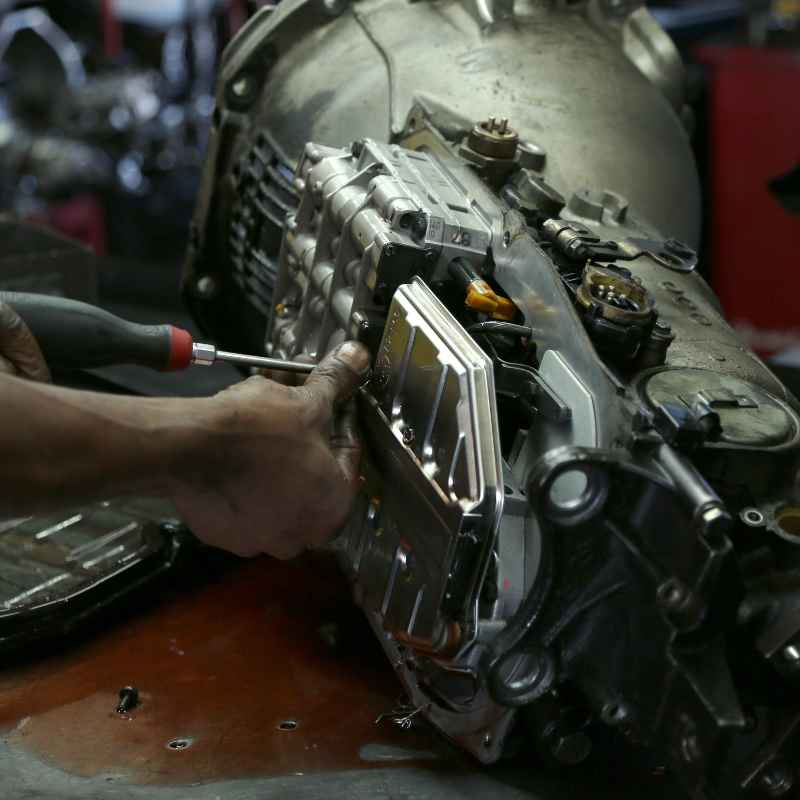
How Transmission Control Modules Work
The TCM is packed with electronics. It receives data from various sensors. These sensors monitor things like engine speed, throttle position, and vehicle speed.
They also check the temperature of the transmission fluid. The TCM then uses this data to send commands to solenoids inside the transmission. These solenoids control fluid pressure.
This pressure is what actually engages and disengages gears.
It’s a constant loop of reading, thinking, and acting. The TCM is always working. It adjusts shift points based on how you’re driving.
Are you accelerating hard? It will shift later. Are you cruising gently?
It will shift sooner. It also helps with things like torque converter lock-up. This makes your car more fuel-efficient.
The module’s software is crucial for these smart decisions.
Why TCM Lifespan Varies So Much
It’s tough to give one exact number for how long a TCM will last. Many things play a role. Your car’s make and model are big factors.
Some car brands build them better than others. Also, the environment your car lives in matters. Cars in very hot or very cold places might stress the electronics more.
Dusty or humid areas can also cause problems.
How you drive your car makes a big difference too. If you’re always flooring it, that puts more strain on the transmission and the TCM. Frequent stop-and-go traffic can also be hard.
Regular maintenance is key. If transmission fluid isn’t changed, it can overheat and get dirty. This can harm the TCM.
Electrical issues in the car can also cause the TCM to fail early.
Common Causes of TCM Failure
Heat is a major enemy of electronic parts. The TCM is often located near the transmission. This area gets very hot.
Over time, this heat can degrade the components inside the module. Moisture is another big problem. If water gets into the TCM housing, it can cause corrosion and short circuits.
This is especially true in older vehicles.
Electrical surges can also zap the TCM. These can happen from a bad battery or faulty wiring. Sometimes, a manufacturing defect can lead to an early failure.
If the module isn’t sealed properly, dirt and debris can get in. This can interfere with its operation. Even something as simple as vibrations from a rough road can loosen connections over time.
Signs Your TCM Might Be Failing
You might notice some clear signs if your TCM is starting to go bad. The most common is a “check engine” light. Or you might see a transmission warning light.
These lights are your car’s way of telling you something is wrong. Pay attention to how your car is shifting. If it feels rough or jerky, that’s a bad sign.
It might hesitate before shifting gears. Or it might not shift at all.
Sometimes, the transmission can get stuck in “limp mode.” This is a safety feature. Your car will only go a certain speed, usually around 25-30 mph. This allows you to get to a repair shop safely.
You might also smell burning. This is often from overheating transmission fluid. This is a serious issue that needs immediate attention.
Loss of power can also be a symptom.
Personal Experience with a Failing TCM
I remember one time, I was driving my old sedan home from a weekend trip. It was late, and a light rain was falling. Suddenly, my car lurched.
The gear shift felt clunky, not smooth like usual. A bright red transmission warning light flashed on the dashboard. My heart sank.
I pulled over, feeling a wave of panic wash over me. The car felt sluggish, like it was struggling to move. I was miles from home, and the thought of a costly repair was overwhelming.
I managed to drive it slowly to a nearby gas station, the transmission groaning with every mile. It turned out to be a failing TCM, fried by a recent electrical surge after a heavy rainstorm. The mechanic said it was lucky I didn’t do more damage.
That experience really taught me how vital these modules are. I’d always assumed transmissions were just mechanical. I didn’t realize how much brainpower they relied on from these computers.
The mechanic explained that the moisture had seeped into the TCM casing, causing corrosion. He showed me the damaged board. It was a stark reminder that even small electronic parts are crucial for a car’s complex systems.
I learned that ignoring strange car behavior, no matter how small, can lead to bigger, more expensive problems down the road.
Quick Scan: TCM Failure Indicators
Warning Lights: Check Engine, Transmission Light
Shifting Issues: Rough, delayed, or no shifting
Limp Mode: Car stuck at low speed
Strange Smells: Burning odor from transmission fluid
Performance Loss: Noticeable lack of power
The Role of Heat and Moisture
Let’s talk more about heat. Transmissions generate a lot of heat. This is from friction between moving parts.
This heat needs to be managed. Transmission fluid helps cool it down. But if the fluid is old or low, it can’t do its job well.
The TCM is often mounted close to the transmission. It’s exposed to this intense heat constantly. Over years of exposure, this heat can cause solder joints inside the module to crack.
It can also degrade other electronic components.
Moisture is just as bad, if not worse. Water, especially in humid climates or from driving through puddles, can get into the TCM’s protective casing. Once inside, it can cause rust and corrosion on the circuit board.
This corrosion can break electrical connections. It can also create unintended pathways for electricity, leading to short circuits. A poorly sealed TCM is a ticking time bomb.
This is why checking for leaks around the TCM and its connectors is important during regular inspections.
Contrast: Normal vs. Concerning Transmission Behavior
Normal Behavior
- Smooth gear shifts
- Consistent acceleration
- No warning lights
Concerning Behavior
- Jerky or harsh shifts
- Hesitation before shifting
- Transmission not engaging
- Warning lights illuminated
- Sudden loss of power
Driving Habits and Their Impact
How you drive your car directly affects how hard the TCM works. If you’re constantly accelerating aggressively, your transmission is shifting more frequently and under higher load. This generates more heat.
It also puts more stress on the electronic components that control those shifts. Think of it like this: pushing your computer to run demanding games for hours on end will make it hotter and might shorten its lifespan compared to simple web browsing.
Frequent stop-and-go traffic is another challenge. In city driving, the transmission is constantly shifting. It’s changing gears from first to second, and back again.
This constant activity generates heat and wear. Unlike highway cruising, where the transmission might stay in a higher gear for long periods, city driving is a workout for the entire system. Drivers who tow heavy loads or drive in hilly terrain also put extra strain on their transmissions and, by extension, their TCMs.
Quick-Scan Table: Factors Affecting TCM Lifespan
| Factor | Impact | Notes |
| Heat | Decreases lifespan | Can degrade components, crack solder |
| Moisture | Decreases lifespan | Causes corrosion, short circuits |
| Driving Style | Can decrease lifespan | Aggressive acceleration, frequent stops |
| Maintenance | Increases lifespan | Regular fluid changes, inspections |
| Electrical Issues | Can drastically decrease lifespan | Surges, faulty wiring |
The Importance of Regular Maintenance
This is where you, as a car owner, have a lot of control. Regular maintenance is probably the single best way to ensure your TCM, and your whole transmission, lasts as long as possible. The most critical maintenance item is changing the transmission fluid.
Over time, this fluid breaks down. It loses its lubricating and cooling properties. It also picks up tiny metal particles from wear.
Dirty, old fluid can overheat the transmission. This heat is bad for the TCM.
Your car’s owner’s manual will tell you when to change the fluid. Many mechanics recommend doing it sooner than the manual suggests, especially if you drive in tough conditions. Also, have your mechanic check for any leaks around the transmission and the TCM.
Make sure electrical connections are clean and secure. Catching small issues early can prevent them from becoming major problems that affect the TCM.
When to Worry: Warning Signs to Watch For
It’s easy to ignore minor quirks in a car. But with your transmission, it’s smart to be attentive. Any illuminated warning lights on your dashboard should not be ignored.
Especially if it’s the check engine light or a specific transmission warning. These are direct signals from your car’s computer. They often point to issues with sensors or modules like the TCM.
Changes in how your car shifts are a big deal. If shifts feel rough, or if there’s a noticeable delay between when you accelerate and when the gear engages, that’s concerning. You might also notice your car struggling to gain speed.
Or it might feel like it’s slipping out of gear. If you smell a burning odor, especially a sweetish smell like burnt oil, that’s a very bad sign. It often means the transmission fluid is overheating, which is detrimental to the TCM.
Observational Flow: What Happens When a TCM Fails
1. Initial Symptoms: Subtle rough shifts, slight hesitation.
2. Warning Lights: Check Engine or Transmission light appears.
3. Pronounced Issues: Shifting becomes very harsh, delayed, or sporadic.
4. Limp Mode Activation: Vehicle speed is severely restricted for safety.
5. Complete Failure: Transmission stops engaging gears, car may not move.
6. Potential Secondary Damage: If driven while failing, other transmission parts can be damaged.
Common Scenarios Where TCMs Fail
Let’s look at some specific situations where TCMs tend to give out. One common scenario is after a vehicle has been sitting for a long time. Batteries can die, and then when they are jumped or
Cars that are frequently driven through deep water or experience flooding are also at high risk. Even if the TCM is well-sealed, repeated submersion can eventually cause water intrusion. Mechanics often see TCM failures in older vehicles where seals have aged and cracked.
Also, if a car has had other electrical issues, like a faulty alternator or persistent battery problems, these can stress the TCM. It’s like a domino effect.
Stacked Micro-Sections: TCM Health Checks
Fluid Level: Check transmission fluid regularly. Low fluid causes overheating.
Fluid Condition: Fluid should be bright red, not dark or burnt-smelling.
Leaks: Inspect for any fluid leaks around the transmission.
Connections: Ensure electrical connectors to the TCM are clean and tight.
Warning Lights: Never ignore dashboard warning lights.
Can You Replace a TCM Yourself?
Replacing a TCM is generally not a DIY job for most people. While the part itself might be accessible, the process often requires specialized knowledge and tools. First, you need to correctly diagnose that the TCM is indeed the problem.
This involves using diagnostic scanners that can read transmission fault codes. These codes can point to the TCM, but sometimes other issues can mimic TCM failure.
Once diagnosed, the TCM often needs to be programmed or flashed after installation. This means it needs to be set up to work with your specific vehicle’s computer system. This programming is usually done by a dealership or a specialized repair shop.
Without this step, even a new TCM might not work correctly. So, while you can buy the part, professional installation and programming are usually needed.
Cost of TCM Replacement
The cost to replace a TCM can vary quite a bit. The price of the module itself can range from around $300 to over $1,000. This depends heavily on the make and model of your car.
Some luxury or performance vehicles have much more expensive modules. Then you have labor costs. This includes the mechanic’s time to diagnose the issue, replace the module, and program it.
Labor costs can add another $200 to $800 or more. Programming is a crucial part of this. If you take it to a dealership, their labor rates are usually higher than an independent shop.
Overall, you might expect to pay anywhere from $500 to $2,000 or even more for a TCM replacement. It’s definitely a significant repair cost. Getting a few quotes from different reputable shops is a good idea.
TCM Lifespan Myth vs. Reality
Myth: A TCM lasts forever.
Reality: Like all electronic components, TCMs have a finite lifespan. They are subject to wear and tear from heat, vibration, and electrical stress.
Myth: A failing TCM will always trigger a warning light immediately.
Reality: Some TCM issues can start subtly. Early signs might be slight performance changes before a light comes on. Regular checks are important.
Myth: All transmission problems are caused by low fluid.
Reality: While low fluid is common and serious, TCM failure or other internal transmission issues can occur even with correct fluid levels.
Factors Influencing How Long A TCM Lasts
Let’s break down the factors that really influence the lifespan of a transmission control module. It’s not just one thing. It’s a combination of how the car was made, how it’s treated, and where it lives.
We’ve talked about heat and moisture. These are huge. A car that constantly runs at high temperatures will stress its electronics much more.
Think of deserts or areas with hot, humid summers.
Vehicle usage is also a big deal. A car used for short trips around town, where the engine and transmission don’t always reach optimal operating temperatures, can sometimes have issues. This is because condensation can build up inside components.
On the flip side, constant heavy towing or aggressive driving will also shorten lifespan due to increased heat and strain. The quality of the original manufacturing also plays a role. Some manufacturers have better track records for electronic reliability than others.
When is a TCM Actually “Bad”?
Diagnosing a bad TCM isn’t always straightforward. A mechanic will typically use a scan tool to pull diagnostic trouble codes (DTCs) from the car’s computer. Codes related to transmission performance, solenoids, or sensor inputs might point towards the TCM.
However, these same codes can sometimes be triggered by faulty sensors, wiring issues, or even low transmission fluid. The mechanic needs to do further testing.
This might involve checking the resistance of the solenoids, inspecting wiring harnesses for damage, and verifying sensor readings. Sometimes, the TCM itself can be sent out to a specialist for testing and repair. This can be a more cost-effective option than buying a brand new module.
The goal is to be absolutely sure the TCM is the root cause before replacing it. This avoids unnecessary expense and further frustration.
Personal Experience: A TCM’s Last Stand
Vehicle: 2008 Honda Civic
Mileage: Approx. 155,000 miles
Symptom: Intermittent rough shifting, especially when cold. Eventually, transmission would not shift out of second gear.
Diagnosis: Faulty TCM, likely due to heat exposure over years and potential moisture ingress.
Repair:
Lesson Learned: Pay attention to early warning signs like slightly rough shifts, don’t wait until it leaves you stranded.
Extending the Life of Your TCM
You can take steps to help your TCM last longer. The most important is proper maintenance. Follow your car manufacturer’s recommendations for transmission fluid changes.
Use the correct type of fluid specified in your owner’s manual. If you frequently drive in severe conditions (hot weather, towing, stop-and-go traffic), consider changing the fluid more often. This helps keep the transmission cool and clean.
Avoid aggressive driving when possible. Smooth acceleration and braking put less stress on the transmission and its control module. Also, be mindful of where you drive.
Try to avoid deep puddles or flooding. If your car does go through water, check for any signs of leaks. Having a mechanic inspect your vehicle periodically for any electrical system faults is also a good preventive measure.
Addressing issues like battery problems or charging system faults promptly can prevent damaging surges.
When to Consider a Repair vs. Replacement
For TCMs,
When you get a diagnosis, ask your mechanic about the options. They should explain why they recommend
Quick Fixes & Tips for TCM Longevity
- Regular Fluid Service: Stick to or exceed manufacturer recommendations.
- Use Correct Fluid: Always use the specified transmission fluid.
- Smooth Driving: Avoid aggressive acceleration and hard braking.
- Monitor Warning Lights: Address any dashboard alerts promptly.
- Avoid Deep Water: Minimize driving through excessive water.
- Check for Leaks: Periodically inspect for transmission fluid leaks.
- Proper Diagnostics: Ensure a professional diagnoses the issue before replacing parts.
Frequent Questions About TCM Lifespan
How many miles can a transmission control module last?
Most transmission control modules (TCMs) are designed to last the lifetime of the vehicle, often between 100,000 to 200,000 miles. However, this is an average, and factors like heat, moisture, and electrical issues can cause them to fail much sooner.
What makes a TCM fail?
The most common causes of TCM failure are extreme heat, moisture intrusion, electrical surges, vibration, and sometimes manufacturing defects. Over time, these can degrade the electronic components within the module.
What are the signs of a bad TCM?
Signs include illuminated warning lights (check engine, transmission light), rough or delayed gear shifts, the transmission getting stuck in “limp mode,” unusual noises, a burning smell, and loss of power.
Is it expensive to replace a TCM?
Yes, replacing a TCM can be expensive. The cost typically ranges from $500 to over $2,000, depending on the vehicle, the cost of the part (new, remanufactured, or used), and labor charges for diagnosis, replacement, and programming.
Can a TCM be repaired instead of replaced?
While some specialized shops offer TCM repair,
How can I make my TCM last longer?
Proper transmission maintenance, including regular fluid changes with the correct fluid type, avoiding aggressive driving, and preventing exposure to extreme heat and moisture, can help extend your TCM’s lifespan.
Conclusion: Protecting Your Transmission’s Brain
The transmission control module is a vital, yet often overlooked, part of your car. Understanding how long it typically lasts, and what can shorten its life, is key. By staying on top of maintenance and listening to your car, you can help ensure your TCM, and your transmission, keep working smoothly for many miles to come.
It’s about being proactive and giving these electronic marvels the care they deserve.
See also transmission remote stopped working here is the fix. See also what does transmission control protocol do simply explained.