Can You Rebuild A Transmission Control Module? Here’S How
It’s a heart-sinking moment. Your car’s check engine light flickers on, or perhaps your transmission starts acting strangely – slipping gears, rough shifting, or even refusing to engage. Often, the culprit can be traced back to a small but vital computer: the Transmission Control Module, or TCM.
This little box is the brain behind your car’s automatic gearbox. It tells it when to shift, how smoothly to shift, and manages all sorts of complex operations. When it goes wrong, it can feel like your whole car is broken.
Many people immediately jump to the conclusion that they need a brand-new, expensive part.
But what if there’s another way? Can you actually fix the one you have? This is where the question of rebuilding comes in.
It’s a common concern for car owners facing this specific problem. You’re looking for answers, for a way to save money and get your car back on the road without breaking the bank.
This guide dives deep into the world of Transmission Control Modules. We’ll explore if rebuilding is possible, what’s involved, and when it makes sense. We’ll also cover other options, like repair and replacement, and help you understand the best path forward for your situation.
Let’s get your questions answered.
Rebuilding a Transmission Control Module (TCM) is generally not a straightforward DIY task. While some specialized electronic repair shops can indeed repair or rebuild TCMs, it requires expert knowledge, specialized tools, and a controlled environment. For most car owners, the options lean towards professional repair services or replacing the unit.
Understanding Your Transmission Control Module (TCM)
Think of your TCM as the command center for your automatic transmission. It’s a computer. It receives signals from various sensors around your car.

Manymiba
Manymiba Programmed TCM TCU Transmission Control Module…
- 【𝗙𝗮𝗰𝘁𝗼𝗿𝘆-𝗣𝗿𝗼𝗴𝗿𝗮𝗺𝗺𝗲𝗱 𝗳𝗼𝗿 𝗜𝗻𝘀𝘁𝗮𝗻𝘁 𝗨𝘀𝗲】Pre-programmed specifically for 2011-2022 Ford Focus 2.0L models with DPS6 transmissions. This…
- 【𝗚𝗲𝗻𝘂𝗶𝗻𝗲 𝗢𝗘𝗠-𝗟𝗲𝘃𝗲𝗹 𝗥𝗲𝗽𝗹𝗮𝗰𝗲𝗺𝗲𝗻𝘁】Engineered as a direct replacement for multiple OEM part numbers (including A2C53377498, AE8Z-7Z369…
- 【𝗦𝘁𝗿𝗮𝗶𝗴𝗵𝘁𝗳𝗼𝗿𝘄𝗮𝗿𝗱 𝗜𝗻𝘀𝘁𝗮𝗹𝗹𝗮𝘁𝗶𝗼𝗻】The module comes pre-loaded with the correct Ford software. Simply install it and perform the final…
As an Amazon Associate I earn from qualifying purchases.
These sensors tell it things like how fast you’re going, how much you’re pressing the gas pedal, and the engine’s RPM. Based on all this data, the TCM makes split-second decisions.
It then sends electronic signals to the transmission. These signals control things like the solenoids. Solenoids are like tiny electric valves.
They direct hydraulic fluid to engage different gears. The TCM ensures your car shifts gears smoothly and at the right times. It optimizes your car’s performance and fuel efficiency.
A faulty TCM can cause a wide range of problems. You might notice harsh shifts, delayed gear engagement, or even your car getting stuck in “limp mode.” Limp mode is a safety feature. It puts your transmission in a low gear to prevent further damage.
This mode usually feels very sluggish.
The reasons a TCM might fail are varied. Internal components can wear out over time. Extreme temperatures, both hot and cold, can stress the electronics.
Moisture or corrosion can also get into the module. Sometimes, a power surge from your car’s battery or alternator can fry its delicate circuits.
Because it’s a complex electronic device, repairing it isn’t like fixing a leaky hose. It involves intricate circuit boards and tiny electronic parts. This is why the idea of “rebuilding” it sounds complicated.
It often means replacing damaged internal components and ensuring the whole system is sound.
Can You Actually Rebuild a Transmission Control Module?
The short answer is: Yes, in a way, but not usually by yourself. When people talk about “rebuilding” a TCM, they usually mean having it professionally repaired. It’s more accurate to call it electronic repair or refurbishment. You can’t just take it apart and put new parts in like you would with an engine.
It needs specialized skills.
Why is it so complex? TCMs are sealed units. They are designed to withstand the harsh environment under your car’s hood.
Opening them up requires care. Inside, there are circuit boards with tiny components like microchips, resistors, and capacitors. Diagnosing a problem often involves using special diagnostic equipment.
This equipment helps identify which specific component on the board has failed. A skilled technician can then desolder the faulty part. They will
It’s not like rebuilding an engine where you can buy standard kits. Each TCM model is different. The repair process is specific to the exact module and the problem it has.
This is why most car owners don’t have the tools or the knowledge to do this at home.
The goal of a professional repair is to restore the TCM to its original working condition. They test it thoroughly after the repair. This ensures it will communicate correctly with your car’s other systems.
It’s about making sure it’s reliable and safe for you to drive.
My Own TCM Scare: A Story of Sparks and Stress
I remember one particularly stressful Tuesday evening. I was driving home from a client meeting, feeling pretty good about the day. Suddenly, my car’s transmission started acting like it had a mind of its own.
It felt like it was trying to shift into a gear that wasn’t there. The engine would rev, but the car would barely move.
Then, the dreaded check engine light came on. Right after that, the transmission seemed to enter some kind of “safe mode.” It felt sluggish and wouldn’t shift out of what felt like second gear. Panic started to set in.
I was miles from home, and my reliable old sedan suddenly felt like a giant paperweight.
I managed to pull over safely. My first thought was, “Oh no, this is going to cost a fortune.” I pictured a massive bill for a new transmission. But I know a mechanic friend.
I gave him a call. He asked a few questions about the symptoms. He mentioned the possibility of a faulty Transmission Control Module.
He explained that sometimes, these electronic modules can fail. They can cause exactly the kind of problems I was experiencing. He told me that while replacing the whole module is common, sometimes repair is an option.
He told me about specialized shops that could test and fix TCMs. This was a glimmer of hope. It wasn’t just about the money; it was about the principle of fixing something that could be fixed.
The idea of “rebuilding” my TCM sounded complex. But the thought of saving hundreds, maybe even thousands, of dollars was incredibly appealing. It made me realize that understanding these complex systems is so important for everyday drivers.
We often assume the only solution is the most expensive one. That evening, I learned that’s not always true.
When Does a TCM Need Repair or “Rebuilding”?
A Transmission Control Module can fail for a number of reasons. Recognizing the signs is the first step. Common symptoms include:
- Erratic shifting: Gears might feel rough, delayed, or skip altogether.
- Transmission warning lights: Lights like the “check engine” light or specific transmission fault lights may illuminate.
- Limp mode: The car may refuse to shift beyond a certain gear, usually second or third.
- Inability to shift gears: The car might be stuck in park or neutral.
- Slipping gears: The engine revs, but the car doesn’t accelerate as expected.
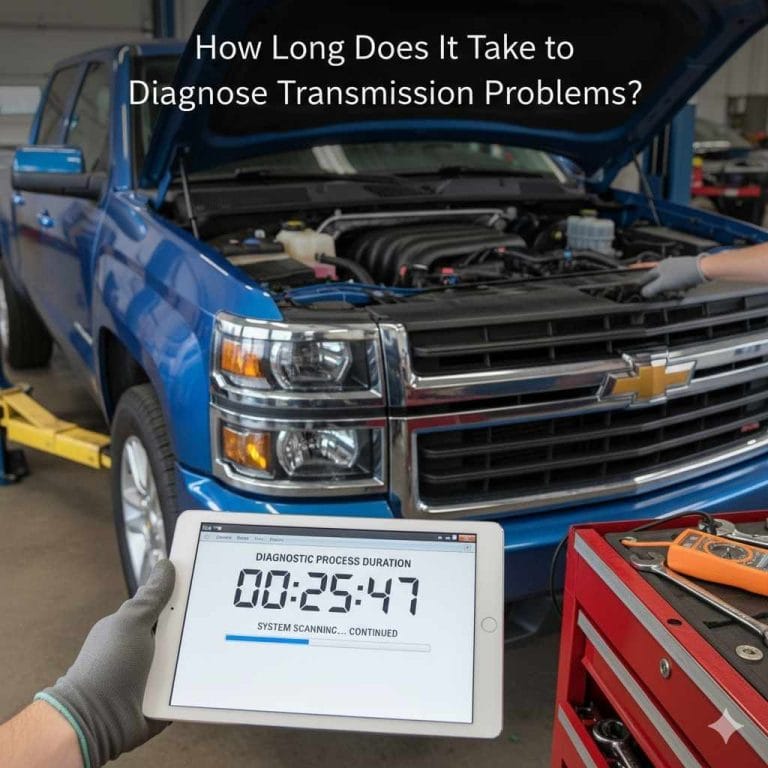
When these symptoms appear, a mechanic will first perform diagnostics. They use scan tools to check for trouble codes. These codes can point towards an issue with the TCM or related sensors and solenoids.
If the codes indicate a problem with the module itself, then the question of repair or replacement arises.
A TCM might be considered for repair if the problem is with a specific, identifiable internal component. For example, if a particular circuit or a power transistor fails. These are often components that can be replaced by a skilled technician.
If the entire circuit board is damaged or corroded, repair might not be feasible.
It’s important to understand that “rebuilding” a TCM isn’t about replacing every single part. It’s about diagnosing the exact failure and fixing it. This often involves replacing one or a few key components.
It’s about restoring its function reliably.
TCM Failure vs. Other Transmission Issues
Key Difference: A TCM is the computer. Other parts are mechanical or hydraulic.
TCM Failure Signs: Often electrical codes, erratic shifting, limp mode. Symptoms can seem like the car is confused.
Mechanical Failure Signs: Grinding noises, leaks, gears not engaging at all. Symptoms are often more direct mechanical issues.
Expert Check Needed: A mechanic’s diagnostic tools are crucial to tell them apart.
The Professional TCM Repair Process
When you decide to have your TCM repaired or “rebuilt,” it’s typically done by specialized electronic repair shops. These aren’t your average auto repair garages. They have technicians with specific expertise in automotive electronics.
Here’s a general outline of how the process works:
- Removal: Your car is brought to a mechanic. They will carefully remove the TCM from your vehicle. This unit is usually located within or near the transmission housing.
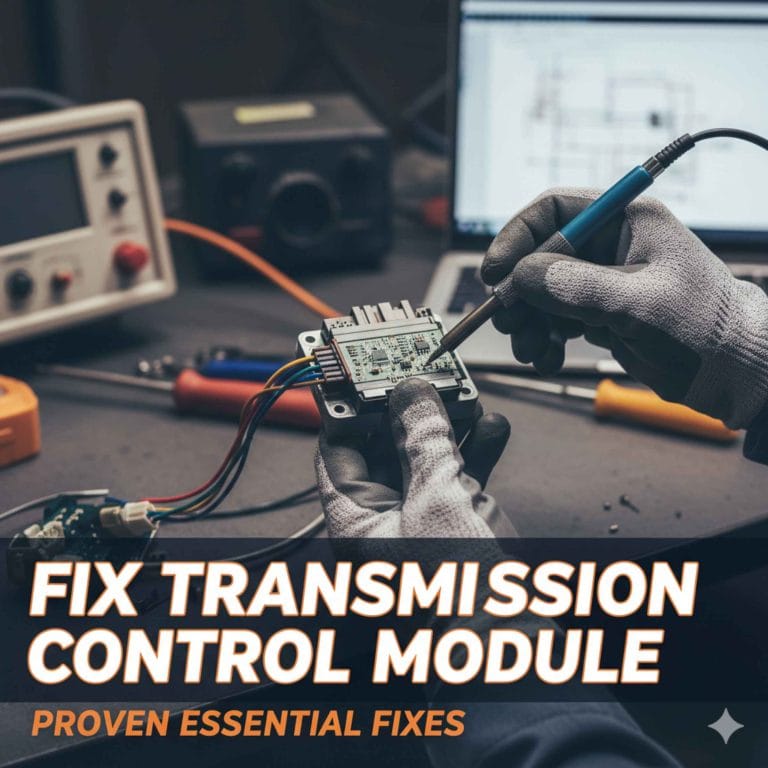
- Diagnosis: The removed TCM is sent to the repair facility. Their technicians will connect it to specialized test benches. These benches simulate the car’s environment. They run diagnostic tests to pinpoint the exact fault.
- Component Replacement: Once the faulty component(s) are identified, they are replaced. This might involve soldering new transistors, capacitors, or even microchips onto the circuit board.
- Software Check: Sometimes, the issue can also be related to the software within the TCM. Repair shops may be able to update or reflash the software to correct any glitches.
- Rigorous Testing: After the repair, the TCM is put back on the test bench. It undergoes extensive testing to ensure all its functions are working correctly. They will test communication with simulated engine and transmission components.
- Reinstallation: Once the TCM passes all tests, it’s returned to your mechanic. They will then reinstall it into your car. They will clear any old codes and perform a final road test.
This process ensures that the repaired unit is as good as new. It’s often more cost-effective than buying a brand-new TCM. Many repair shops offer warranties on their work.
This gives you peace of mind.
It’s important to find a reputable repair service. Look for companies that specialize in automotive electronics or TCM repair. Read reviews and check their warranty policies.
Not all TCMs are repairable, and a good shop will be honest about this upfront.
When Repair Might NOT Be Possible
Extensive Physical Damage: If the TCM’s casing is severely damaged, or the circuit board is burnt or corroded beyond repair, it may be unsalvageable.
Obsolete Components: In rare cases, a critical component might be so old or rare that it’s impossible to find a replacement.
Multiple Major Failures: If several different parts of the TCM have failed, the cost of repair might exceed the cost of a replacement unit.
The Cost Comparison: Repair vs. Replacement
One of the biggest draws of getting a TCM repaired or rebuilt is the cost savings. Buying a brand-new, genuine TCM from a dealership can be very expensive. Prices can range from $500 to over $1,500, not including installation.
Professional repair services often charge a fraction of that price. Depending on the complexity of the repair, you might be looking at anywhere from $200 to $600. This is a significant difference.
It can make a big impact on your car repair budget.
However, there are a few things to consider:
- Downtime: Sending your TCM out for repair takes time. You might be without your car for several days, or even a week or more. This is a major factor if you rely on your car daily.
- Core Charges: When you buy a new or remanufactured TCM, you often pay a core charge. This is a deposit that you get back when you return your old unit. If you get yours repaired, you’ll still need to pay the repair shop for their work, and then reinstall your repaired unit.
- Warranty: Both new and repaired TCMs typically come with warranties. New units might have longer warranties. Repaired units will have a warranty specific to the repair shop’s work. Make sure you understand the terms of any warranty.
Remanufactured or used TCMs are also options. A remanufactured unit has been restored to like-new condition. Used units are taken from other vehicles.
These can be cheaper than new, but their reliability can be uncertain. Their warranties might also be shorter or nonexistent.
When I was researching my own TCM scare, I found that a new module would have cost me close to $900, plus about $200 for labor. The repair shop quoted me $350 for the rebuild, plus the mechanic’s labor to remove and reinstall it. For me, the savings were worth the few extra days without my car.
Quick Cost Snapshot (Estimates)
New OEM TCM: $500 – $1500+ (plus installation)
Professional Repair: $200 – $600 (plus removal/reinstallation labor)
Remanufactured TCM: $300 – $700 (plus installation)
Used TCM: $100 – $400 (plus installation, often no warranty)
Note: Prices vary greatly by vehicle make and model.
Can I Repair My Own TCM? The DIY Dilemma
For most people, attempting to repair a TCM at home is not recommended. It’s a highly specialized job. It requires tools and knowledge that the average car owner simply doesn’t have.
Here’s why it’s so difficult:
- Specialized Tools: You need diagnostic scan tools that can read specific TCM codes. You also need soldering equipment for delicate circuit board work, and potentially a bench tester to verify function.
- Technical Expertise: Understanding electronic schematics, identifying faulty components on a printed circuit board, and performing micro-soldering are skills that take years to develop.
- Environment: Working in a clean, static-free environment is crucial. Static electricity can easily damage the sensitive electronics inside a TCM.
- Risk of Further Damage: An untrained attempt to repair the TCM could easily cause more damage. This could make it unrepairable and lead to higher costs later.
There are online forums where people discuss DIY repairs. Some individuals with strong electronics backgrounds might attempt it. They might replace a visible burnt capacitor or a loose connection.
However, this is very rare and risky. It’s not a general solution for most car owners.
Think about it this way: you wouldn’t try to perform brain surgery on yourself, even if you watched a few videos. The same applies to the complex electronics within your car. It’s best to leave this to the experts.
Finding a Reputable TCM Repair Service
If you’re considering repairing your TCM, finding a trustworthy service is key. Here are some tips:
- Ask Your Mechanic: Your trusted local mechanic is often the best starting point. They might have preferred repair shops they work with regularly.
- Online Search: Search for “TCM repair services” or “automotive electronic repair” in your area. Look for companies that specifically mention Transmission Control Modules.
- Read Reviews: Check online reviews on platforms like Google, Yelp, or automotive repair directories. Look for consistent positive feedback regarding their diagnostic skills and repair quality.
- Check Warranties: A good repair shop will offer a warranty on their work. This might be 6 months, 1 year, or even longer. Understand what the warranty covers.
- Ask About Their Process: Don’t be afraid to ask them about their diagnostic process and how they test repaired units. A reputable shop will be happy to explain.
- Get Quotes: If possible, get quotes from a couple of different places. Compare not just the price, but also the warranty and turnaround time.
I found my mechanic friend’s recommendation for a place called “Auto Electronic Solutions” incredibly helpful. They were clearly experts. They explained the process simply and offered a solid one-year warranty on their repairs.
What to Look For in a TCM Repair Shop
Specialization: Do they focus on automotive electronics or specific modules like TCMs?
Experience: How long have they been repairing TCMs?
Testing Equipment: Do they use advanced diagnostic tools and bench testers?
Warranty: What kind of guarantee do they offer on their repair work?
Customer Service: Are they clear, honest, and easy to communicate with?
When Replacement is the Only Option
While repair is often a great option, there are times when a TCM simply cannot be rebuilt. This can happen for a few reasons:
- Unrepairable Damage: If the TCM has suffered extensive physical damage, such as from a flood, fire, or a major impact, the circuit board might be beyond repair.
- Obsolete Components: On very old vehicles, it might be impossible to find replacement parts for certain internal components of the TCM.
- Multiple, Severe Failures: If too many critical components have failed, the cost of trying to repair it might exceed the cost of a new or remanufactured unit.
- Proprietary Software/Sealed Units: Some modern TCMs are so integrated and sealed that they are practically impossible to open and repair without specialized factory tools and software.
In these situations, replacing the TCM is the only viable solution. Your mechanic will usually recommend either a brand-new unit from the dealership or a high-quality remanufactured unit.
A remanufactured TCM has been rebuilt by a company that specializes in these parts. They take used units, disassemble them, inspect all components, replace worn or faulty parts, and reassemble them to factory specifications. They are often a good balance between cost and reliability.
When replacing a TCM, it’s critical that the new unit is programmed correctly for your specific vehicle. Most modern TCMs come programmed, but sometimes, a dealer or a specialized shop needs to “flash” the module with your car’s VIN and other data. This ensures it communicates properly with all your car’s systems.
The Role of Sensors and Other Components
It’s important to remember that the TCM doesn’t operate in isolation. It relies on a network of sensors and actuators to function. Sometimes, symptoms that appear to be TCM failure are actually caused by a faulty sensor or a problem elsewhere in the transmission system.
Common culprits that can mimic TCM problems include:
- Speed Sensors: These tell the TCM how fast the vehicle or specific parts of the transmission are spinning.
- Transmission Fluid Level and Condition: Low or dirty fluid can cause all sorts of shifting problems.
- Solenoids: These are the electronic valves that the TCM controls to direct fluid and engage gears. A failing solenoid can cause a specific gear to not engage or shift poorly.
- Wiring Harness: A damaged wire or corroded connector in the wiring harness between the TCM and the transmission can disrupt communication.
- Throttle Position Sensor (TPS): This sensor tells the TCM how much the accelerator pedal is pressed, influencing shift points.
This is why a thorough diagnostic process by a qualified mechanic is so important. They need to rule out these other possibilities before concluding that the TCM itself needs repair or replacement.
I learned this the hard way with a previous car. I was convinced the TCM was bad because of erratic shifting. Turns out, it was a simple wiring issue in the transmission harness that was sending bad data to the computer.
A much cheaper fix!
Troubleshooting Flowchart: Is it the TCM?
Step 1: Observe Symptoms
- Erratic shifts?
- Warning lights on?
- Limp mode engaged?
Step 2: Basic Checks
- Check transmission fluid level and condition.
- Scan for diagnostic trouble codes (DTCs).
Step 3: Advanced Diagnostics (Mechanic Required)
- Test individual sensors (speed, throttle).
- Test solenoids and their circuits.
- Inspect wiring harness for damage.
- Test TCM communication.
Step 4: TCM Diagnosis
- If all other components test good, the TCM is the likely suspect.
Preventative Care for Your TCM
While TCMs can fail due to component wear, some simple maintenance can help prolong their life. Preventing problems is always better than fixing them!
- Regular Transmission Fluid Changes: This is perhaps the most critical step. Clean transmission fluid is essential for the smooth operation of your transmission and the TCM. Follow your car’s maintenance schedule for fluid changes.
- Avoid Overheating: Extreme heat can be very damaging to electronic components. Ensure your car’s cooling system is working properly. If you often tow heavy loads in hot weather, consider a transmission cooler.
- Protect Against Water Intrusion: If you drive through deep water, try to avoid it. Water can corrode electrical connectors and internal TCM components.
- Proper Battery Maintenance: A failing or weak battery can cause inconsistent voltage. This can sometimes lead to electrical issues that affect computers like the TCM.
- Address Other Issues Promptly: If you notice any strange transmission behavior or warning lights, get them checked out immediately. Small problems can sometimes lead to bigger, more expensive ones if ignored.
Taking these small steps can help protect your TCM and your transmission as a whole. It’s all about giving your car the best chance to run smoothly for as long as possible.
Frequently Asked Questions About Rebuilding TCMs
Can I find a used TCM and have it installed?
Yes, you can. Used TCMs are available from salvage yards. However, they come with significant risks.
There’s often no warranty, and you don’t know the history of the unit. It might fail soon after installation. It’s generally recommended to go with a repaired or remanufactured unit for better reliability and warranty.
How long does a TCM repair typically take?
The repair itself, once the TCM is at the shop, can take anywhere from 1 to 3 days. However, you also need to factor in shipping time to and from the repair facility. So, the entire process could take 5 days to over a week.
Does a repaired TCM need to be programmed?
Yes, typically a repaired TCM will still need to be programmed or calibrated to your specific vehicle. This is usually done by the mechanic after the repaired unit is reinstalled. They use diagnostic tools to link the TCM to your car’s computer system and transmission.
What is the difference between a rebuilt and a remanufactured TCM?
The terms are often used interchangeably, but generally, “rebuilt” might imply replacing only the failed parts. “Remanufactured” usually means a more thorough process where the unit is completely disassembled, cleaned, and all worn parts are replaced, brought back to original factory specifications.
Can a faulty TCM cause my car to stall?
While a faulty TCM’s primary function is related to shifting gears, severe internal failures or communication errors could potentially impact other engine management functions indirectly, leading to stalling in some rare cases. However, stalling is more commonly associated with other engine control modules or fuel/ignition issues.
Is it cheaper to repair my TCM or buy a new one?
In most cases, repairing your existing TCM is significantly cheaper than buying a brand-new one. The cost savings can be hundreds of dollars. However, you need to weigh this against the downtime without your car and the warranty offered.
Conclusion: When in Doubt, Get Expert Advice
Dealing with transmission problems can be stressful and expensive. The question of whether you can rebuild a Transmission Control Module is a common one for car owners facing these issues.
The good news is that yes, TCMs can often be repaired or “rebuilt” by specialized electronic repair services. This can be a much more cost-effective solution than buying a new module outright. However, it’s not a DIY job for most people.
Always start with a thorough diagnosis from a qualified mechanic. They can determine if the TCM is truly the problem or if another component is at fault. If it is the TCM, they can guide you through the best options, whether it’s professional repair, a remanufactured unit, or a new replacement.
Understanding your options empowers you to make the best decision for your wallet and your car’s health. Don’t assume the most expensive fix is the only fix.
See also transmission controller not broadcasting expected message fix.
Related pick: Check today's price on Amazon