Transmission control system vs solenoid: differences
A transmission control system fault can affect multiple solenoids or the overall shift plan, while a solenoid fault often shows up as a single gear issue, one circuit code, or one repeatable shift event; if more than one pressure-control or shift code appears, I would check the control system first. Calling it wrong sends you after parts the car never needed, and the fault stays put. This guide shows how to sort symptoms, scan data, and test circuits so you can separate a control issue from one bad solenoid before buying anything.
The split starts at function. The control system decides. The solenoid moves fluid. That sounds simple, but it is where a lot of diagnoses go wrong.
Transmission control system vs transmission solenoid: what is the real difference?


| Decision factor | Transmission control system | transmission solenoid: differences | Winner |
|---|---|---|---|
| What it does | Uses sensor inputs, wiring, module logic, and fault handling to command shifts | Opens or closes hydraulic passages to move fluid and change pressure | Depends on the fault |
| Common failure footprint | Multiple codes, network faults, default strategy, or limp mode | One shift event, one gear, or one pressure circuit | Transmission control system |
| First test | Scan DTCs, check module power, grounds, and communication | Check solenoid command, resistance, and hydraulic response | Transmission control system for diagnosis flow |
| Repair scope | Module, wiring, fuse, sensor, or network issue | Single solenoid, valve body circuit, or related fluid path | transmission solenoid: differences |
Transmission control system: inputs, outputs, and fault logic
The transmission control system is the whole decision chain. It uses sensors, wiring, module input, and outputs to control shifting strategy, then decides how to react when something looks wrong. I have seen a bad input, poor ground, open circuit, or communication fault make the system ignore a good solenoid.
Transmission wiring harness and fuse: power and signal path
The wiring harness carries power and command signals to the solenoids and the module. Opens, shorts, corrosion, and connector damage can look exactly like a dead solenoid or a bad TCM. A blown transmission fuse can interrupt the circuit and cause a no-shift complaint that may be easy to misread.
Transmission solenoid: electrical command and hydraulic action
A transmission solenoid is an electromagnetic valve. The module energizes it, the valve opens or closes a passage, and hydraulic pressure changes line pressure or shift timing. If one solenoid fails, the problem may stay tied to one gear change or one pressure function instead of the entire transmission.
Can a bad solenoid cause transmission warning lights or shifting problems?
Yes. A bad transmission solenoid can trigger warning lights, harsh shifts, delayed shifts, or a single missing gear if the module sees the fault as electrical or hydraulic. If the failure is limited to one circuit, the car may still move normally in other gears, which is a strong clue against a full control-system failure.
Single-shift symptoms from one failed solenoid
A single shift solenoid can cause a repeatable problem on the same upshift or downshift. The complaint often stays consistent: 2-3 flare, 3-4 harshness, or no engagement in one range. That pattern points toward the solenoid or its local hydraulic circuit.
Multiple-shift symptoms from a shared circuit fault
When several shifts act up together, the shared power feed, ground, fuse, or module command circuit is more suspect than one solenoid. A common feed problem can disable multiple valves at once, and the scan tool often shows more than one related code.
When a solenoid fault pushes the car into limp mode
Limp mode happens when the module decides it cannot trust the transmission enough to keep normal strategy active. A severe solenoid fault can do that, especially if the fault affects line pressure control or a critical shift path. The vehicle may lock into limited gears and reduced performance to protect the transmission.
How do you tell if the fault is the control system or one solenoid?
Start with codes, then compare command and response. A single solenoid code with clean power, ground, and communication often points to the solenoid or valve body path, while multiple circuit, sensor, or network codes point back to the control system, wiring, or module. Resetting parts before scanning only erases evidence.
Read DTCs before touching parts
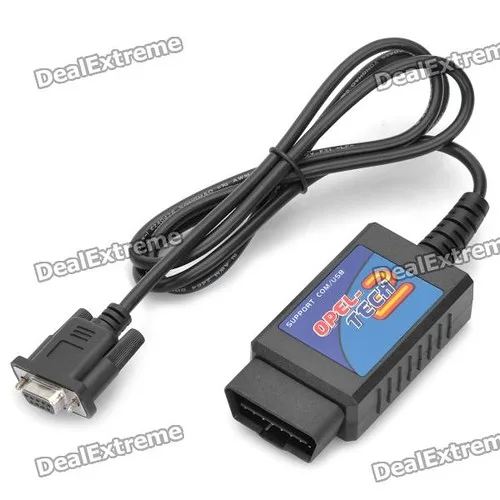
Diagnostic trouble codes separate circuit faults, solenoid faults, sensor faults, and communication faults. A code for an output circuit is not the same as a code for a pressure sensor or TCM communication loss. The code family tells you where to start, not what to replace.
Use scan data to compare command versus response
Scan data shows whether the module is asking for a shift or pressure change and whether the transmission is answering. If the module commands the solenoid and the state changes in data but the shift does not happen, the hydraulic side rises on the suspect list. If the command never appears, the module or its inputs need attention.
Check power, ground, and communication before resistance tests
Before measuring solenoid resistance, confirm fuse power, ground quality, and network communication to the TCM. On some vehicles, the TCM is built into the PCM, so a module fault may show up as an engine-side or network code. That layout changes the test order because the module may not be separate from the main powertrain computer.
What symptoms point to wiring, fuse, or communication faults instead of a solenoid?

No power to the solenoid circuit, intermittent operation with heat or vibration, or network codes that affect several systems usually point away from a single solenoid. These faults break the command path itself, so the module may command a shift that never reaches the valve. In that case, replacement parts will not fix the root cause.
No power to the solenoid circuit
A blown transmission fuse can mimic a dead module or bad solenoid because the circuit goes dark. If the fuse is open, the solenoid cannot energize, and the scan tool may show multiple output faults. The first check is power at the fuse and at the connector, not a parts swap.
Intermittent faults from heat, vibration, or corrosion
Wiring faults often appear and disappear. Heat can open a weak internal wire, vibration can shake a loose pin, and corrosion can raise resistance enough to upset the circuit. If the complaint comes and goes with bumps or temperature changes, inspect the wiring and connectors before condemning the solenoid.
Network or module communication codes that change the diagnosis
If the TCM cannot talk to the engine or vehicle networks, the transmission may default to a fail-safe strategy. That can produce warning lights, harsh shifts, and limp mode even when every solenoid checks out electrically. Communication codes shift the diagnosis toward module power, grounds, or bus issues.
Diagnosis matrix for symptom, failure layer, and first test
This is the fastest way to sort the fault location. Use the symptom to narrow the layer, then run the first test before buying parts. The goal is to avoid treating a control fault like a solenoid fault, or the other way around.
| Symptom | Likely failure layer | First test to run |
|---|---|---|
| One repeated harsh shift in the same gear change | Solenoid / hydraulic | Check DTCs, then command the solenoid with a scan tool and compare response |
| Multiple shift complaints at once | Module/control or wiring/power | Inspect fuse, power, ground, and shared wiring feed |
| Warning light with limp mode | Module/control | Pull DTCs and check for communication, sensor, or pressure-control codes |
| No movement or no engagement after recent work | Wiring/power | Verify transmission fuse, connector seating, and circuit voltage |
| One gear missing, others normal | Solenoid / hydraulic | Test the related solenoid resistance and look for valve body faults |
| Intermittent fault when hot or over bumps | Wiring/power | Perform wiggle test, inspect corrosion, and check for opens or shorts |
How to move from the matrix to parts testing
- Scan and record every DTC.
- Check fuse, power, and ground.
- Review command state and live data.
- Inspect the wiring and connectors.
- Measure solenoid resistance only after the circuit is powered and intact.
Choose transmission control system if… / Choose transmission solenoid: differences if…
Choose the control-system path when codes, network faults, or multiple circuits fail together, or when limp mode appears with several related symptoms. Choose the solenoid path when one circuit, one gear change, or one hydraulic action is isolated and the rest of the transmission behaves normally. A wiring, fuse, or fluid issue can still sit between those two, so test the circuit first.
Choose transmission control system if…
Pick this path when you see more than one pressure-control or shift code, a no-communication code, or a symptom pattern that affects several gears at once. Also favor this path when the TCM is built into the PCM and the scan tool shows module-level faults, not a single output problem.
Choose transmission solenoid: differences if…
Pick the solenoid path when the issue is repeatable in one gear, one shift event, or one pressure function. If the power feed, ground, and communication look good and only one solenoid code is present, that can point toward the valve or its hydraulic circuit. That is where replacement may be justified.
Can a transmission solenoid be tested or replaced separately?
Yes. A transmission solenoid can usually be tested electrically and, in some cases, hydraulically, then replaced without changing the entire transmission control system. The catch is simple: if the problem is a shared wiring path, fuse, valve body passage, or control module command, replacing the solenoid alone will not solve it.
Electrical testing before replacement
Check the solenoid resistance against the service data for that vehicle, then verify that the module can command the circuit. An open, short, or out-of-range reading supports a bad solenoid or damaged circuit. If the numbers are fine, the fault may be elsewhere.
Hydraulic testing when the electrical side passes
If the circuit tests good, the next question is whether the valve actually moves fluid. Line pressure and hydraulic control link the electrical command to the mechanical shift. A clean electrical test with bad shift behavior often means the valve body, passage, or pressure control side is at fault.
Does resetting the battery clear transmission control faults?
No. A battery reset may clear temporary memory or turn off a warning light briefly, but it does not fix the underlying fault. If the underlying problem is still present, the codes and symptoms return as soon as the module runs its checks again.
What battery reset can and cannot do
It can clear learned values and temporary codes on some vehicles. It cannot fix a blown fuse, a broken wiring run, a bad solenoid, or a failed module. Treat any battery disconnect as a memory reset, not a repair.
Why the light often comes back
The TCM continues to monitor sensors, commands, and feedback after the reset. Once it sees the same fault again, it stores the DTC and may put the transmission back into limp mode. That return of the fault is useful evidence, not bad luck.
When should I scan for codes before replacing parts?
Always scan first. Codes tell you whether the problem sits in the control system, wiring, sensor input, or a single solenoid, and they can save you from replacing the wrong part. A scan tool is the starting point, not a last resort after parts swapping.
Scan before any solenoid or module purchase
Scan before buying a solenoid, a TCM, or a transmission control part. The code list may point to a shared power feed, a communication failure, or a sensor signal that changes the whole diagnosis. Without that list, the repair path is guesswork.
Scan again after the first circuit checks
After fuse, power, ground, and connector checks, scan again if the fault was intermittent. Some codes only reappear after a drive cycle, and the updated data can show whether the issue is electrical or hydraulic. That second scan is often more useful than the first erase-and-restart attempt.
Frequently asked questions
What is the difference between a transmission control system and a transmission solenoid?
The transmission control system is the decision-making side: module, sensors, wiring, inputs, outputs, and shift logic. A transmission solenoid is one actuator inside that system. It opens or closes hydraulic passages so the transmission can change pressure and gear state.
Can a bad solenoid cause transmission warning lights or shifting problems?
Yes. A bad solenoid can turn on a warning light, set a DTC, and cause harsh shifting, delayed shifting, or one missing gear. If the fault is limited to one circuit, the rest of the transmission may still work normally, which helps separate it from a broader control fault.
How do you tell if the problem is the control system or just one solenoid?
Read the DTCs first, then compare scan-tool command data with actual shift response. One isolated solenoid code usually points to the component or its local circuit. Multiple related codes, communication faults, or limp mode lean toward the control system or shared wiring.
What symptoms point to wiring, fuse, or communication faults instead of a solenoid?
No power at the connector, intermittent operation with heat or vibration, and network or module communication codes are strong clues. A blown transmission fuse can mimic a bad solenoid or bad module, so fuse and power checks belong at the start of diagnosis.
Can a transmission solenoid be tested or replaced separately?
Usually yes. It can be tested electrically, and sometimes hydraulically, before replacement. If the solenoid checks out and the command path is good, look harder at the wiring, fuse, valve body, or TCM before buying another part.
When should I scan for codes before replacing parts?
Before any part replacement. The code list tells you whether the fault is in the module, wiring, sensor input, network communication, or a single solenoid circuit. Skipping that step is the fastest way to replace the wrong component.
Products related to this article
Sponsored / affiliate links. As an Amazon Associate I earn from qualifying purchases. I may earn additional commission from eligible campaigns.