How to compare new vs used cars the smart way: costs
Buy new if you’ll keep it 5+ years and want the lowest repair risk, CPO if you want warranty coverage at a lower price, and used if you plan to sell within 3 years and can inspect it well. Pick wrong and depreciation, surprise repairs, and loan interest can drain thousands. This guide compares new, used, and CPO cars with a total-cost matrix covering ownership length, financing, warranty coverage, and repair exposure.
This guide is part of our Car comparison guide series.
How to compare new vs used cars the smart way
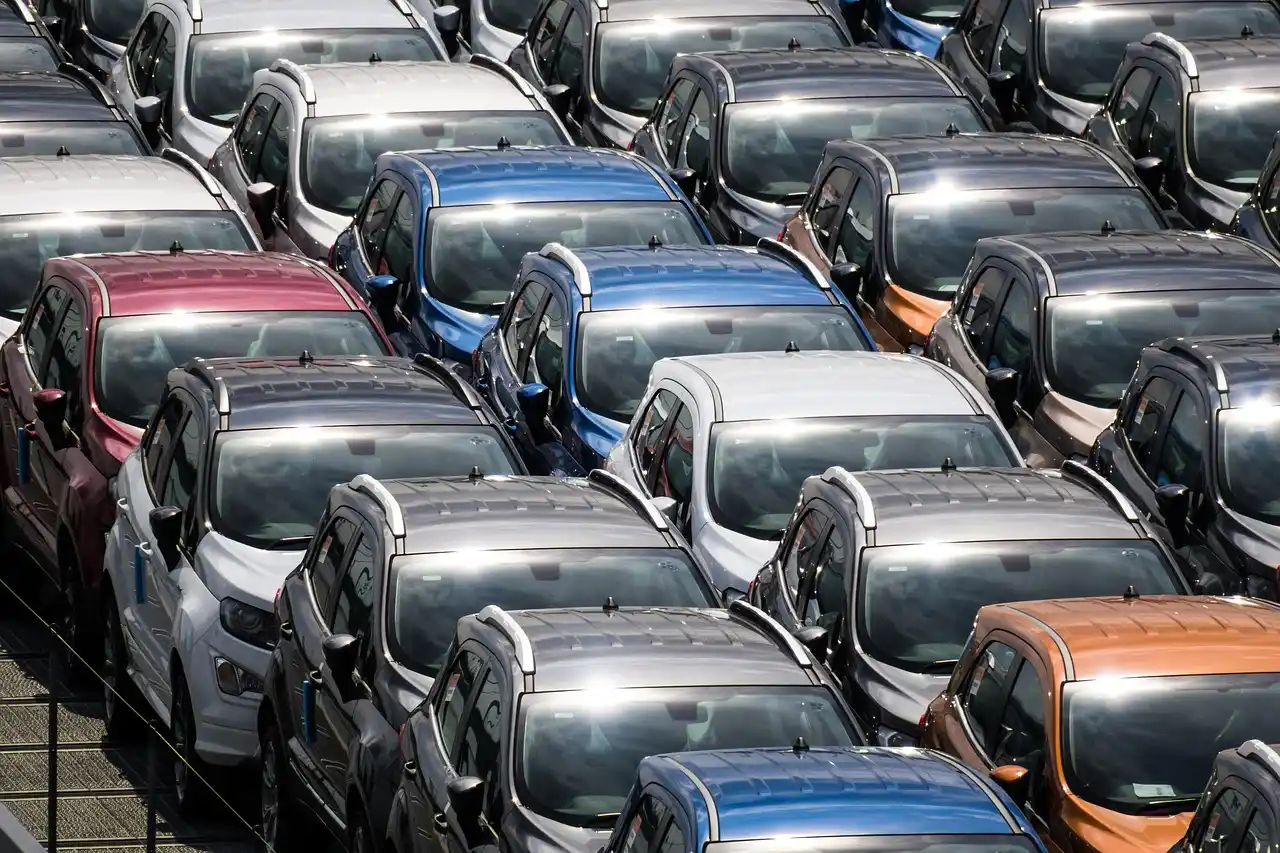
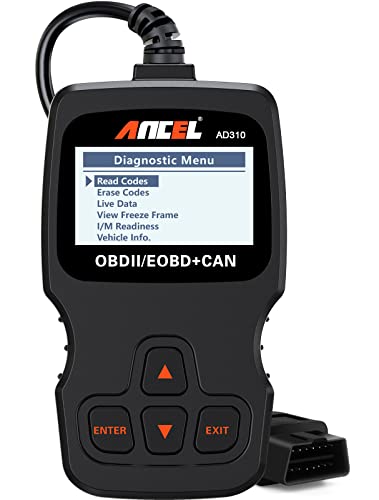

The trade-off is direct: pay less now, or take less risk and usually easier financing. I look past the sticker and add depreciation, APR, insurance, registration, and the repair bill likely over your planned ownership length.
Ownership length changes the answer. A car kept for about 2 years is often more of a depreciation issue; a car kept around 5 years can bring more focus to financing and warranty coverage; a car kept 8+ years may shift attention toward maintenance and wear.
| Factor | How to compare new | used cars the smart way | Winner |
|---|---|---|---|
| Upfront price | Higher cash outlay at signing; the buyer pays more upfront. | Usually 30–40% lower in purchase price, so sticker price is often cheaper. | used cars the smart way |
| Warranty and repair exposure | Full factory warranty coverage and fewer unknowns in the early years. | Limited or no warranty on ordinary used cars, so repair risk is higher. | How to compare new |
| Depreciation and resale timing | Can lose about 20% of value in the first year, with the steepest early drop. | Starts on a flatter part of the depreciation curve, which helps shorter ownership plans. | used cars the smart way |
| Financing / APR | Usually has lower interest rates, which can offset part of the higher sticker price. | Often carries higher APR risk and more credit sensitivity. | How to compare new |
| Insurance and registration | Higher insurance premiums; registration fees vary by state. | Often cheaper to insure and register, which can help when budget is tight. | used cars the smart way |
| Maintenance and hidden repair costs | Zero prior wear, fresh tires, and no hidden owner shortcuts are part of the price. | May need tires, brake pads, alignment work, and routine maintenance sooner. | How to compare new |
| Total cost of ownership | Higher purchase price, but lower APR and full warranty can reduce some costs. | Can be cheaper overall if the car is clean and well maintained, but repairs can erase savings quickly. | Tie |
| Best-fit use / ownership length | Best if you’ll keep it 5+ years and want the lowest repair risk. | Best if you plan to sell within 3 years and can inspect it well. | Tie |
Purchase price and upfront cash
Used cars usually win on sticker price because they are often 30–40% lower in purchase price. That gap matters when cash is tight, but it is not automatic savings because interest, repairs, and depreciation timing can eat into it.
New cars ask for more money at signing, and the buyer gets fewer unknowns. Zero prior wear, fresh tires, and no hidden owner shortcuts are part of what the price buys.
Warranty coverage and repair exposure
New cars have full factory warranty coverage, which makes the early years easier to budget. Used cars may have limited or no warranty, and that shows up fast when brakes, sensors, batteries, or cooling parts fail.
CPO cars sit in the middle. They are inspected and reconditioned before resale, and they often include a manufacturer warranty, which cuts the uncertainty that makes ordinary used shopping hard.
Depreciation and resale timing
New cars can lose about 20% of their value in the first year, so the first owner takes the steepest drop. Used cars start on a flatter part of the depreciation curve, which is why shorter ownership often favors used inventory.
Trade-in timing matters. If a buyer expects to sell early, the first owner’s depreciation hit can overwhelm the savings from new-car features or warranty coverage.
APR, insurance, and registration
New cars usually have lower interest rates than used cars, and that lower APR can offset part of the higher sticker price. Used-car financing often carries more credit sensitivity, so a weaker credit score can widen the payment gap more than shoppers expect.
Insurance premiums are higher for new cars and lower for used cars. Registration costs vary by state, and they may be lower on used vehicles, which can help total cost of ownership when the budget is tight.
According to New Cars vs Used Cars: Smart Buying Guide for 2026 Shoppers — New cars can lose about 20% of their value in the first year.
How much money do you really save by buying used?

Used cars often save money upfront, but the real savings depend on purchase price, APR, insurance, registration, and the repair stack that comes with age. If the used car costs less but needs tires, brakes, and a few repairs within the first year, the gap can shrink fast.
Sticker price versus total cost of ownership
Total cost of ownership includes purchase price, interest, insurance, depreciation, maintenance, tires, and brakes. That is the cleanest way to tell whether a lower asking price on a used car is real savings or just spending delayed.
A clean used car with a good service record can beat a new car on total cost. A neglected used car with a few overdue repairs can become the expensive option.
When lower APR on new can offset part of the gap
New-car financing can be cheap enough to narrow the spread, especially when the dealer offers a low-rate promotion. That matters most when the buyer finances most of the price and plans to keep the car long enough to spread out the depreciation hit.
Once used-car APR rises, the monthly payment gap is not always as wide as the sticker gap suggests. The finance charge can eat into the bargain.
Hidden costs: tires, brakes, maintenance, and repairs
Used cars can ask for consumables sooner. Tires, brake pads, alignment work, and routine maintenance are common early costs, and they are easy to forget when comparing listings.
That is why a vehicle history report and a pre-purchase inspection matter. They are not paperwork exercises; they are a filter for expense risk.
How fast do new cars depreciate in the first year?
New cars can lose about 20% of their value in the first year, and that loss matters most early because it hits before the buyer has built much equity. The first owner pays for the privilege of driving the newest car off the lot.
First-year loss and why it matters most early
The first year is where the depreciation curve is steepest. A buyer who trades or sells quickly can take the worst of that drop while getting very little use out of the car in return.
That is why short ownership usually pushes buyers toward used or CPO. The value math is less punishing after the first owner has absorbed the initial hit.
How ownership length changes the depreciation penalty
At around 2 years, depreciation is often one of the biggest cost items in the decision. At 5 years, warranty coverage and financing matter more because the car has already moved down the curve. At 8+ years, maintenance, tires, and brakes can take up more of the budget than the purchase price.
The right choice changes with the clock. A car that looks expensive on day one can become cheaper over a long enough hold period.
Trade-in timing and value retention
Trading before the steepest wear items arrive can protect value, but it also means paying depreciation twice if the buyer keeps replacing cars. Holding a well-maintained car longer often works better than chasing a new payment every few years.
That said, a buyer who knows a move, job change, or family change is coming soon should be cautious about buying new.
Are certified pre-owned cars worth it?
CPO cars are often worth it when the buyer wants less guesswork than ordinary used inventory can offer. The dealer inspection and reconditioning reduce risk, and the limited warranty often makes the price premium easier to justify than a random used listing.
What dealer inspection and reconditioning really buy you
CPO vehicles are inspected and reconditioned before resale, which usually means the obvious problems are corrected before the car hits the lot. That does not make the car new, but it does reduce the chance of buying someone else’s neglected maintenance.
For many shoppers, that extra screening is the point. It narrows the risk spread between new and used.
Limited warranty coverage versus ordinary used cars
Ordinary used cars may have limited or no warranty, while CPO programs often include a manufacturer warranty. That matters most when the car is only a few years old and still has expensive electronics or drivetrain parts that could fail.
If the buyer wants used pricing without the full uncertainty of private-party shopping, CPO is often the middle path.
When CPO is the middle ground that makes sense
CPO makes sense for buyers who want lower risk than standard used inventory but do not want new-car depreciation. It is especially useful when the buyer plans to keep the car long enough to matter, yet still wants backup coverage on major repairs.
CPO is not the cheapest option. It is the controlled-risk option.
What should you check before buying a used car?
Check the vehicle history report, then pay for a pre-purchase inspection by an independent mechanic. Those two steps catch most of the hidden problems that turn a cheap car into an expensive one.
Vehicle history report: title, accidents, mileage, service clues
A vehicle history report can help check ownership history, accident history, title status, mileage consistency, and any service or damage clues. A clean report does not guarantee a perfect car, but a bad report is often enough to walk away.
Watch for title brands, odometer jumps, repeated auction flips, and unexplained gaps in service records. Those are risk signals, not trivia.
Pre-purchase inspection by an independent mechanic
A pre-purchase inspection is recommended when buying used. The goal is to catch mechanical condition problems before money changes hands: leaks, worn suspension parts, brake wear, cooling issues, electronics faults, and signs of accident repair.
This is the cheapest way to reduce hidden repair risk. It is far less costly than discovering a problem after the title transfer.
Red-flag failure cases that should end the deal
- Title problems, salvage branding, or mileage inconsistency.
- Evidence of frame damage, flood damage, or poor accident repair.
- Inspection results showing engine, transmission, or cooling-system faults.
- Seller refuses history reports, inspection access, or maintenance records.
Choose new if… / Choose used if… / Choose CPO if…
Choose new if you want the lowest repair uncertainty, full factory warranty coverage, latest safety tech, lower financing rates, zero prior wear, and customization options. It also makes sense if you plan to keep the car long enough to spread depreciation over many years.
Choose used if price matters most, you can verify the car carefully, and you are comfortable with possible limited or no warranty coverage. It is strongest when you plan to sell within about 3 years and want to avoid paying the first-owner depreciation hit.
Choose CPO if you want a middle path with dealer inspection, reconditioning, reduced guesswork, and some warranty protection without paying new-car pricing. It is a good fit when you want lower risk than ordinary used inventory but do not need the latest model.
One-page decision matrix for 10 buying scenarios

Use this matrix before test-driving. Score the scenario you are actually in, then pick the column that matches your horizon, financing, and risk tolerance instead of shopping by sticker alone.
| Buying scenario | Ownership horizon | APR sensitivity | Warranty exposure | Expected depreciation | Red-flag failure case | Best fit |
|---|---|---|---|---|---|---|
| 1. First car, tight budget | 2 years | High | Low tolerance for surprises | Used beats new on first-year loss | Any title issue or weak inspection | CPO or carefully inspected used |
| 2. Long commute, keep it 8+ years | 8+ years | Moderate | High need for coverage early | New loss is spread over time | No factory warranty or poor service history | New |
| 3. Short lease-style ownership without leasing | 2 years | High | Medium | Steep if bought new | Overpaying for new-car depreciation | Used |
| 4. Want warranty without new pricing | 5 years | Moderate | High | Moderate | Ordinary used car with no coverage | CPO |
| 5. Best monthly payment, not lowest lifetime cost | 3 years | High | Low | Used keeps payment down | APR erasing sticker savings | Used |
| 6. Need latest safety tech and driver aids | 5+ years | Moderate | High | Acceptable if held long enough | Choosing a stripped older car to save too much | New |
| 7. Buying from a private party | Variable | Low to moderate | High | Usually lowest upfront price | No inspection, bad history report, hidden damage | Only with inspection and clean records |
| 8. Buying from a dealer on a budget | 3–5 years | Moderate | Medium | Moderate | Paying for appearance, not condition | CPO or vetted used |
| 9. Credit score makes APR painful | 5 years | Very high | Moderate | Moderate | Used APR wiping out savings | Compare both; new may win on financing |
| 10. Need the least ownership drama | 5+ years | Low to moderate | Very high | New is acceptable | Any uncertainty about maintenance history | New |
How to use the matrix: pick the scenario that matches your real plan, then compare total cost of ownership, not monthly payment alone. A high APR on used, a weak warranty, or a bad history report is enough to move the answer toward CPO or new.
Frequently asked questions
Is it better to buy a new or used car?
It is better to buy new if you want the lowest repair risk, full factory warranty coverage, and lower financing rates, and you plan to keep the car long enough to absorb depreciation. Used is better when upfront price matters most and you can inspect the car carefully.
How do financing rates compare for new vs used cars?
New cars usually have lower interest rates than used cars. That can matter enough to narrow the price gap, especially on larger loans or when a buyer has weaker credit and the used-car APR is meaningfully higher.
When does buying new make more sense than buying used?
Buying new makes more sense when the buyer wants the latest safety tech, full warranty coverage, zero prior wear, lower financing rates, and the cleanest ownership path. It also makes sense when long-term ownership lets the buyer spread the first-year depreciation over many years.
Products related to this article
Sponsored / affiliate links. As an Amazon Associate I earn from qualifying purchases. I may earn additional commission from eligible campaigns.