How to compare hatchback vs sedan: key differences
Pick a hatchback if you carry strollers, pet crates, boxes, or home-improvement gear, or if you park where every inch matters. Pick a sedan if you want bags hidden, a separate trunk, and a cabin that stays tidier on long drives. Choose wrong, and loading gets annoying fast. This guide compares both body styles for passengers, cargo, parking, child seats, commuting, and family use.
This guide is part of our Car comparison guide series.
| Decision factor | How to compare hatchback | sedan: key differences | Winner |
|---|---|---|---|
| Cargo access | Flip-up rear hatch, larger opening, easier bulk loading | Separate trunk with a narrower opening | Hatchback |
| Out-of-sight storage | Open cargo area is more visible unless covered | Closed trunk hides bags and gear better | Sedan |
| Family loading | Helpful for strollers, car seats, pets, and awkward packages | Can work well, especially with split-fold rear seats or pass-throughs | Hatchback |
| Parking practicality | Often easier to place in tight spots because the body can be shorter | Can be just as easy if the car is compact, even with a trunk | Tie |
| Fuel economy | Depends more on engine, drivetrain, and weight than the hatch itself | Also depends more on drivetrain and tuning than the trunk shape | Tie |
| Price and packaging | Can cost more or less depending on trim mix and AWD availability | Can cross-shop cheaper or pricier depending on equipment | Tie |
What is the main difference between a hatchback and a sedan?


The main difference is body layout. A sedan is generally a passenger car with four doors and a separate trunk, while a hatchback typically has a flip-up rear hatch and an integrated cargo area. The opening shape matters as much as the cargo volume.
Three-box sedan vs two-box hatchback
A sedan splits the engine bay, passenger cabin, and trunk into separate sections. That gives the rear of the car a closed cargo area, which hides bags better and keeps loose items from spreading into the cabin. Some sedans also offer fold-down rear seatbacks or a pass-through, which helps with long items without giving up the trunk.
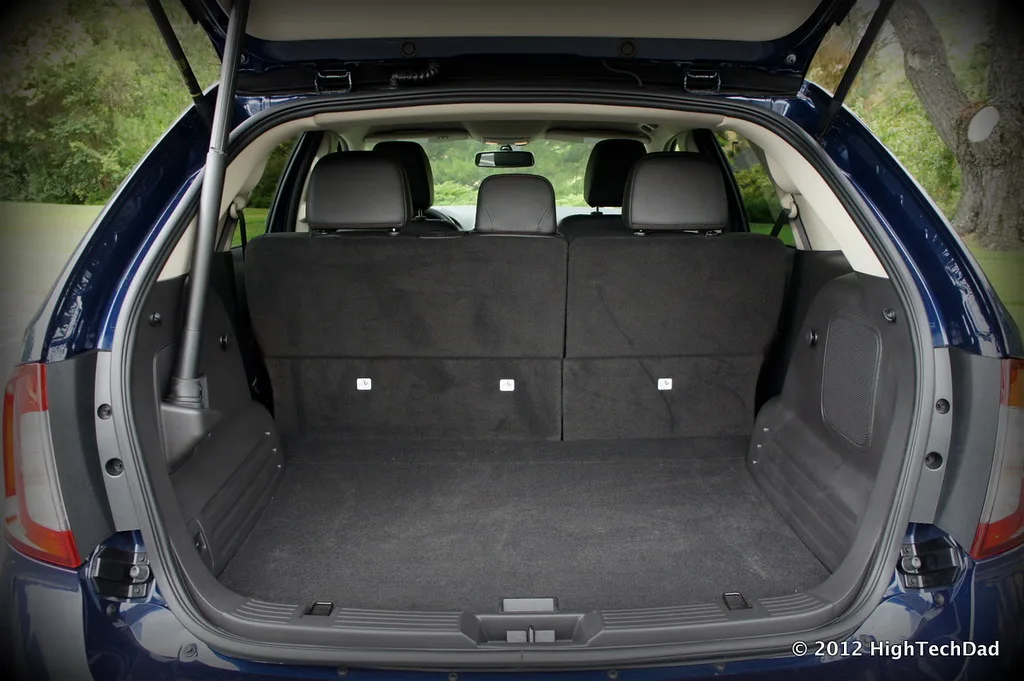
A hatchback joins the cargo area and cabin behind the rear seats. That makes the opening taller and often wider, which is why a hatchback can take larger cargo more easily than a sedan. Older hatchbacks were often two-box cars with no trunk; that layout still explains their everyday usefulness today.
Why the cargo opening matters as much as cargo volume
Published cargo volume can sometimes be misleading for shoppers. A deep trunk with a narrow opening can be harder to use than a slightly smaller hatch with a wide hatch opening and lower liftover height. For awkward boxes, pet crates, and folded strollers, the path into the car matters as much as the number printed in the brochure.
Hatchback vs sedan: side-by-side at a glance
In many cases, hatchbacks are easier to load, while sedans tend to offer more privacy and hidden storage. In compact cars, the gap can shrink because dimensions matter so much that one model’s wheelbase, rear-seat shape, or trunk opening can flip the usual answer. That is why the exact car matters more than the body shape.
Cargo access and liftover height
A hatchback’s rear opening is tall and usually wide, so bulky items slide in with less twisting. A sedan’s trunk opening is lower and narrower, which can be awkward for boxes that are taller than the opening or too wide to angle neatly. On paper, cubic feet can look similar; in practice, the hatch is often easier for odd cargo.
Privacy and out-of-sight storage
The sedan’s separate enclosed trunk is the better choice when bags, tools, or shopping need to stay out of view. That privacy can matter for street parking, airport runs, and daylong errands. Hatchbacks can use a cargo cover, but the cargo area is still more exposed whenever the hatch is opened.
Passenger room and rear-seat usability
Rear-seat access is usually simpler in a hatchback because the cargo opening and rear seatback are integrated, which makes it easier to reach child seats or load a stroller without fighting a narrow trunk lid. A sedan can still work well for families, especially if the rear seatbacks fold down or the model has a useful pass-through. The seatback layout matters more than the body style label.
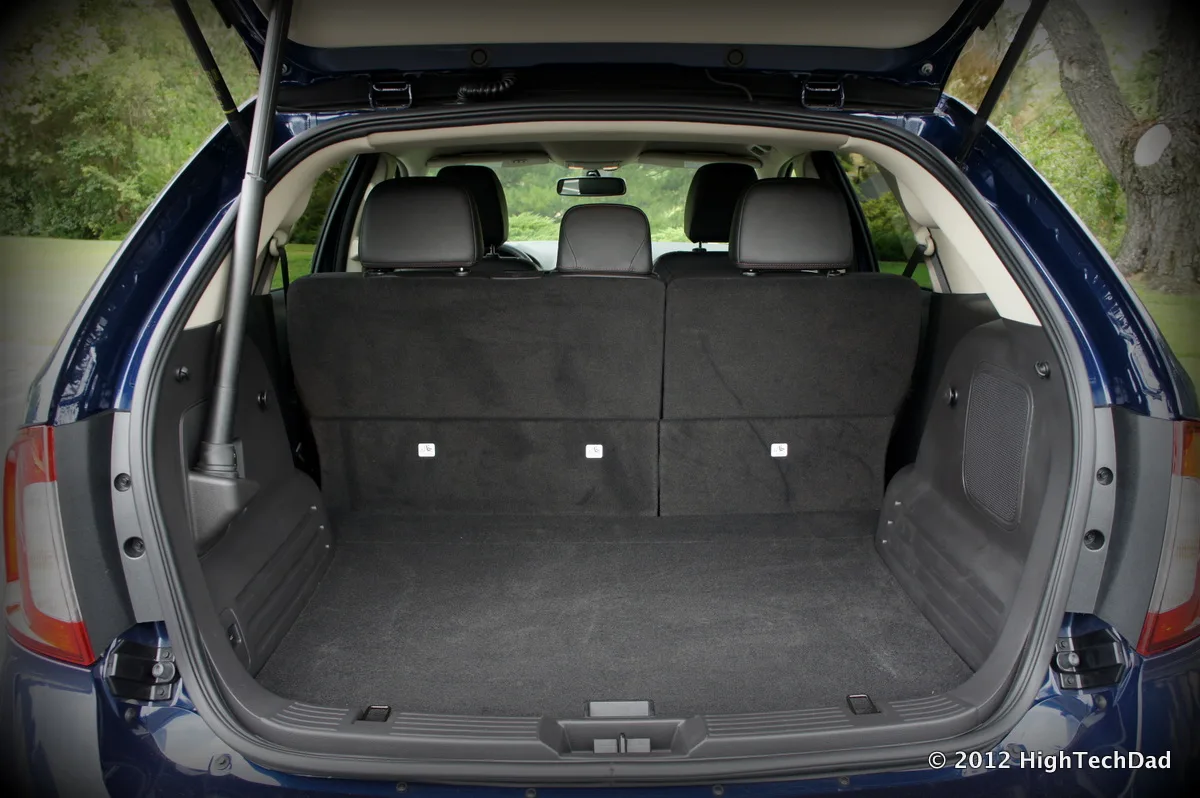
Is a hatchback better than a sedan for cargo space?
A hatchback is usually better for bulky cargo, but not automatically better for every kind of cargo space. The opening shape, liftover height, and seat-fold layout often matter more than the quoted volume. A sedan can be more useful than expected if its trunk opening is generous or if the car’s packaging leaves a deep, usable trunk.
When a hatchback wins on loading bulky items
The hatchback is the easier choice for flat-pack furniture, large grocery hauls, garden supplies, and pet carriers. The hatch opening gives more vertical clearance, and fold-down rear seats turn the cargo bay into one long space. For home-improvement runs, that flexibility is usually worth more than a few extra cubic feet on paper.
When a sedan trunk can be more useful than the numbers suggest
A sedan can surprise buyers when the trunk opening is well shaped or when the car’s rear structure leaves a deep cargo well. In a compact sedan, the trunk may be large enough for airline bags, backpacks, and grocery bags that fit neatly and stay hidden. For everyday commuting, that clean separation can be more useful than a larger but exposed hatch area.
How fold-down rear seatbacks change both body styles
Fold-down rear seatbacks narrow the gap between the two body styles. A hatchback already starts with an open cargo area, so folding the rear seats mainly adds length. A sedan gains a lot when the rear seatback folds or offers a pass-through, because that turns a closed trunk into a partial cargo tunnel for skis, lumber, or other long items.
Which is easier to park and drive, hatchback or sedan?
Neither body style wins automatically. Parking and low-speed maneuvering depend more on overall length, turning feel, and visibility than on whether the car has a hatch or a trunk. A compact sedan can be just as easy to place in tight spots as a compact hatchback, while a larger hatch can feel clumsier than a smaller sedan.
Why compact dimensions matter more than body style
Vehicle size class matters more than shape alone. In compact cars, a shorter wheelbase and smaller footprint can make both hatchbacks and sedans easy to live with. In mid-size cars, the added length can matter more than whether the rear cargo area opens upward or swings behind a trunk lid.
Where the sedan’s separate trunk can help
A sedan can make rear visibility cleaner because the cargo area is sealed off from the cabin. That can make the cabin feel calmer and less cluttered in daily use. A hatchback’s rear glass and open cargo area can help with visibility in some models, but it can also mean more visual noise when the cargo bay is full.
How do fuel economy, price, and AWD usually differ?
Fuel economy, price, and all-wheel drive are often model-specific rather than body-style-specific. Body shape alone may barely move the mpg needle, and the same is true for price once trim content, drivetrain, and options enter the picture. AWD can be available on both hatchbacks and sedans, but it often brings a price premium and packaging tradeoff.
Fuel economy: what body style does and does not change
On paper, the Mazda3 hatchback AWD gets 24 mpg city, 32 highway, 27 combined. The Mazda CX-30 AWD gets 25 mpg city, 32 highway, 27 combined. Those numbers show the bigger point: drivetrain and vehicle setup can matter more than whether the rear opens like a hatch or closes like a trunk.
Both cars use a 2.5-liter four-cylinder engine producing 186 horsepower and 186 pound-feet of torque. That kind of match-up is why shoppers should not assume the hatchback will always be thirstier or that the sedan will always be leaner.
Price and trim packaging
Base pricing can also flip the expected answer. A base front-wheel-drive 2020 Mazda3 hatchback costs $23,700, while a base front-wheel-drive CX-30 starts at $21,900. That does not make hatchbacks inherently pricier; it shows how trim mix and equipment can move the budget answer around.
AWD costs $1,400 extra on both vehicles. When a buyer wants all-wheel drive, the extra money may buy traction, but it can also change curb weight and cargo packaging. That tradeoff matters more in smaller cars where every inch of rear space counts.
Ownership costs that differ indirectly
Insurance, tires, and trim content often vary by model more than by body style. A higher-priced trim or AWD setup can push costs up even if the body style itself is unchanged. For buyers comparing compact cars, the correct question is not “hatch or sedan?” alone, but “which exact version fits the budget after the equipment list is counted?”
Which is safer, a hatchback or sedan?
Body style alone does not make one safer. Crash performance depends more on the specific model’s structure, restraint design, airbags, driver aids, and how the car was engineered. A sedan with a strong safety package can outperform a hatchback, and the reverse can also be true.
Why the shape is not the safety answer
The cargo opening and trunk shape do not decide crashworthiness by themselves. The important questions are how the cabin is built, how the car manages crash forces, and which equipment comes on the trim you buy. A shopper should compare specific model ratings and safety equipment, not assume one rear body shape automatically wins.
Visibility and everyday risk
In daily driving, some hatchbacks offer a more open rear view, while some sedans give a cleaner separation between cargo and passengers. That can affect convenience, not crash safety. For families, the more useful safety question is whether the car makes it easy to secure children correctly every time.
Which body style is better for families, hatchback or sedan?
For families, a hatchback usually wins for loading strollers, sports gear, pets, and child seats, but a sedan can still be the better fit if privacy, trunk separation, and a calmer cabin matter more. The family answer is usually about rear-seat access, cargo shape, and how often the car hauls messy or bulky items.
Child-seat loading and school pickup
Rear-facing child seats are easier to work around when the rear opening is wide and the load floor is accessible. A hatchback makes it simpler to reach into the back without leaning far over a trunk lip. On school pickup duty, that convenience is obvious every time a backpack, lunch bag, and jacket need to be loaded quickly.
Strollers, pets, and weekend use
Strollers are a good example of why volume figures alone can mislead. Some fold flat but still need a tall opening; others fit only after a rear seatback folds. The hatchback is usually the better bet for pets and odd-shaped family cargo because the opening is broad and the load path is less fussy.
When a sedan works better for family life
A sedan can be the better family car if you want bags and sports equipment out of sight, especially in busy parking lots. Some sedans also have useful split-fold rear seatbacks or a rear pass-through, which lets them handle long items without exposing the cabin to every package. That can make a sedan feel tidier for years of daily use.
Buyer decision matrix: 8 everyday scenarios

| Scenario | Hatchback score | Sedan score | Who usually wins |
|---|---|---|---|
| Grocery runs | 4/5 for loading ease, 3/5 privacy, 4/5 parking, 4/5 comfort | 3/5 loading ease, 5/5 privacy, 4/5 parking, 4/5 comfort | Tie |
| Stroller loading | 5/5 loading ease, 3/5 privacy, 4/5 comfort, 4/5 parking | 3/5 loading ease, 5/5 privacy, 4/5 comfort, 4/5 parking | Hatchback |
| Airport luggage | 4/5 loading ease, 3/5 privacy, 4/5 comfort, 4/5 parking | 4/5 loading ease, 5/5 privacy, 4/5 comfort, 4/5 parking | Tie |
| Pet transport | 5/5 loading ease, 3/5 privacy, 4/5 comfort, 4/5 parking | 3/5 loading ease, 4/5 privacy, 4/5 comfort, 4/5 parking | Hatchback |
| Commuting | 4/5 loading ease, 3/5 privacy, 4/5 comfort, 4/5 parking | 4/5 loading ease, 5/5 privacy, 4/5 comfort, 4/5 parking | Sedan |
| School pickup | 5/5 loading ease, 3/5 privacy, 4/5 comfort, 4/5 parking | 3/5 loading ease, 5/5 privacy, 4/5 comfort, 4/5 parking | Hatchback |
| Road trips | 4/5 loading ease, 3/5 privacy, 4/5 comfort, 4/5 parking | 4/5 loading ease, 5/5 privacy, 4/5 comfort, 4/5 parking | Sedan |
| DIY hauling | 5/5 loading ease, 3/5 privacy, 4/5 comfort, 4/5 parking | 2/5 loading ease, 5/5 privacy, 4/5 comfort, 4/5 parking | Hatchback |
Grocery runs
For routine groceries, both body styles work well. The sedan’s trunk keeps bags from sliding around and keeps them out of sight, while the hatchback makes it easier to load odd-shaped items like cases of water or a full cart’s worth of paper goods. If grocery trips are usually small, the sedan’s privacy is more useful.
Stroller loading
Hatchbacks usually win here because the rear opening is larger and the cargo floor is easier to reach. A stroller that requires careful angling into a sedan trunk is often a simple drop-in job in a hatch. Families that use the stroller daily feel that difference quickly.
Airport luggage
Both can work. The sedan often keeps luggage hidden and separated from passengers, which is nice for long highway drives. The hatchback is easier when suitcases are bulky or oddly shaped, especially if the trip includes extra bags, a cooler, or gifts that do not stack neatly.
Pet transport
Pets and carriers usually favor the hatchback because the cargo opening is taller and the load area feels less confined. A sedan can still work with a crate or seat barrier, but the trunk opening is the limiting factor. For larger dogs or travel crates, the hatch is the less frustrating answer.
Commuting
For a solo commute or mostly empty family run, the sedan often feels tidier. The separate trunk keeps work bags, gym gear, and shopping tucked away. If the commute regularly ends with errands that involve larger items, the hatchback starts to make more sense.
School pickup
School pickup favors the hatchback because the cargo area is more open to quick loading. Backpacks, instruments, sports bags, and lunch tubs are easier to place without lifting them over a trunk lip. The sedan can still do the job, but it asks for a little more sorting and stacking.
Road trips
Road-trip comfort depends on how much luggage needs to be carried and whether the cabin should stay separate from the cargo. The sedan often feels calmer because the trunk hides clutter and noise. The hatchback wins if the trip includes camping gear, a pet, or extra coolers that need vertical space.
DIY hauling
Home-improvement runs are where the hatchback earns its keep. The large opening, fold-down rear seats, and lower liftover height make lumber, tile boxes, and tool bags easier to load. A sedan can manage occasional long items with a pass-through, but it is less forgiving when the cargo is awkward.
Choose hatchback if… / Choose sedan if…
Choose a hatchback if you want easier loading for strollers, pet crates, sports gear, or home-improvement cargo; if you park in cramped city lots; or if you regularly need to fold the rear seats and use the full cargo area. It is the better fit when cargo shape matters more than hidden storage.
Choose a sedan if you want bags and valuables kept out of sight; if you do mostly commuting and highway miles; or if you prefer a separate trunk that keeps the cabin cleaner. It is also a smart pick when the specific sedan has a useful trunk opening or rear-seat pass-through that makes your regular cargo fit without drama.
The model matters more than the body shape. A compact hatch can be nearly identical in practicality to a compact sedan with smart packaging, and a mid-size sedan can beat a smaller hatch if the trunk opening and rear-seat layout are better designed. That is the decision rule: judge the car by how your stuff fits, not by the rear silhouette alone.
Frequently asked questions
What is the main difference between a hatchback and a sedan?
A sedan has a separate trunk and a three-box body design, while a hatchback has a one-piece flip-up tailgate and an integrated cargo area. The practical difference is not only style; it is how easy the car is to load, how much cargo stays visible, and how the rear seats interact with the cargo space.
Is a hatchback better than a sedan for cargo space?
Usually yes for bulky cargo, but not always for every type of cargo. A hatchback makes better use of its opening and rear-seat fold-down function, while a sedan can be more useful when hidden storage matters more. The real answer depends on the shape of the items you carry most often.
Which is safer, a hatchback or sedan?
Neither body style is automatically safer. Safety depends more on the specific model, crash structure, airbags, and driver-assistance equipment. A well-engineered hatchback can be safer than a sedan, and a well-equipped sedan can be safer than a hatchback, so shoppers should compare the exact vehicle, not the body shape alone.
Are hatchbacks more fuel efficient than sedans?
Not necessarily. Fuel economy depends more on the engine, drivetrain, gearing, weight, and aerodynamic setup than on whether the rear opens like a hatch or a trunk. In some matched comparisons, the mpg numbers are nearly identical, which is why body style by itself is a weak predictor.
Which is easier to park and drive, hatchback or sedan?
Whichever one is smaller overall tends to be easier. A compact hatchback and a compact sedan can both be simple to park, while a larger version of either body style can be harder to place. The sedan’s separate trunk may help keep the cabin visually cleaner, but size and visibility matter more than the body label.
Is a sedan cheaper to buy and insure than a hatchback?
Not always. Base MSRP, trim packaging, and drivetrain choices can move the price more than the body style itself, and insurance often tracks the exact model and equipment level. A sedan may be cheaper in one lineup and more expensive in another, so cross-shopping has to start with the specific vehicle configuration.
Products related to this article
Sponsored / affiliate links. As an Amazon Associate I earn from qualifying purchases. I may earn additional commission from eligible campaigns.
 Hail Protector Car Cover for Sedan(Length:Length:186"-203") + Gift Windshield Sunshade, Multi-Layered EVA Hail Proof Car Cover, Padded Car Hail Protector Blanket for Camry, Model 3, Accord, K5 etc.
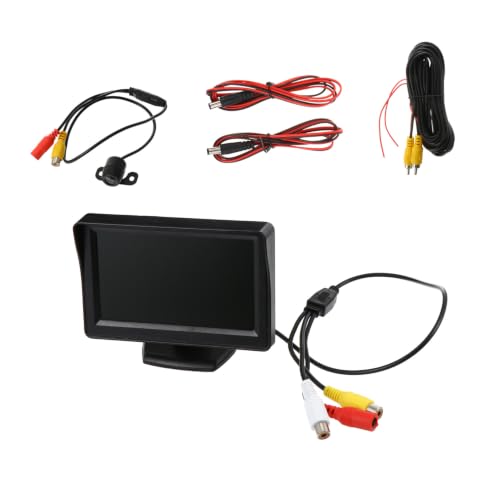 FAVOMOTO 1set Car Rear View Monitor Auto Reversing System Easy Install Backup Camera and Digital Display for Cars Suvs and Trucks and Vehicle Safety Tool