Where Do Ford Cars Come From? Origins & Factories Explained
Ford vehicles are a familiar sight on roads across the globe, symbolizing American innovation, reliability, and automotive excellence. But have you ever wondered where Ford cars actually come from? The origins and manufacturing journey of Ford vehicles span continents, reflecting more than a century of engineering progress, global expansion, and adaptation to regional markets.
Understanding where Ford cars are built and how their origins influence quality, technology, and even resale value can help consumers make more informed purchasing decisions.
In this article, we’ll take a deep dive into the roots of the Ford Motor Company, chart its global factory footprint, examine the manufacturing processes in key regions, and reveal the fascinating journey each Ford takes from blueprint to dealership. Whether you’re a Ford enthusiast, a prospective buyer, or simply intrigued by the complex world of automotive manufacturing, this comprehensive guide will answer your most pressing questions about the origins of Ford cars.
Key Takeaways
- Ford vehicles are produced in a global network of factories, with major manufacturing plants in North America, Europe, Asia, South America, and Africa.
- Each region specializes in certain Ford models based on market demand, regulations, and supply chain efficiencies.
- Ford’s manufacturing history began in Detroit, Michigan, but today the company uses cutting-edge, highly automated plants worldwide.
- VIN numbers and vehicle labels can reveal a Ford’s country of origin, offering insights into build quality and specifications.
- Globalization allows Ford to optimize costs and logistics, but also introduces regional differences in features, engines, and technology.
- Ford’s commitment to sustainability and innovation is reflected in its modern factories and manufacturing practices.
The Origins Of Ford: A Historical Perspective
The Birth Of Ford Motor Company
The story of Ford begins in 1903, when Henry Ford and a group of investors launched the Ford Motor Company in Detroit, Michigan. Ford’s vision was to make automobiles accessible to the masses, a goal realized with the introduction of the Model T in 1908. By pioneering the moving assembly line in 1913, Ford revolutionized vehicle production, drastically reducing costs and production time. This innovation not only put millions of Americans behind the wheel but also set the stage for Ford’s expansion beyond the United States.
Global Expansion And Local Assembly
By the 1920s, Ford had established assembly plants in Canada, the United Kingdom, Germany, France, and Australia. These early overseas factories allowed Ford to adapt its vehicles to local preferences and regulations. For instance, in the UK, the Ford Model Y was specifically designed to meet British market needs.
As the company grew, so did its international footprint, with factories opening in South America, Asia, and Africa throughout the 20th century.
The Modern Era: A Global Manufacturing Giant
Today, Ford is a truly global automaker, producing over 4 million vehicles annually in more than 50 countries. The company operates dozens of major assembly plants and countless component factories worldwide. This globalization strategy allows Ford to:
- Reduce shipping costs and import tariffs
- Customize models to regional tastes and standards
- Leverage local supply chains and labor markets
Ford’s adaptability and international reach have helped the brand remain competitive in an ever-changing automotive landscape.
Credit: www.ranchhand.com
Ford’s Global Factory Network
North America: The Heart Of Ford Production
United States
The US remains the backbone of Ford’s manufacturing empire. Key plants include:
- Dearborn Truck Plant (Michigan): Home of the iconic Ford F-150.
- Louisville Assembly Plant (Kentucky): Produces the Ford Escape and Lincoln Corsair.
- Chicago Assembly Plant (Illinois): Builds the Ford Explorer and Lincoln Aviator.
These factories utilize advanced robotics, quality control systems, and sustainable practices.
Canada
Ford’s Oakville Assembly Complex in Ontario is a major hub for crossovers like the Ford Edge and Lincoln Nautilus. Canadian plants benefit from proximity to US markets and an integrated North American supply chain.
Mexico
Ford has invested heavily in its Mexican facilities, such as:
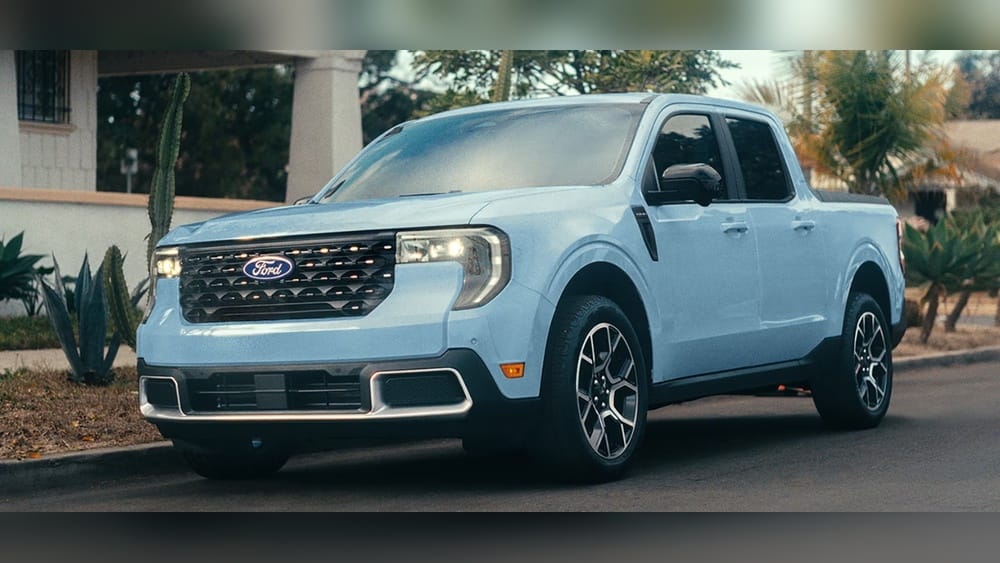
- Hermosillo Stamping and Assembly: Focuses on the Ford Bronco Sport and Ford Maverick.
- Cuautitlán Stamping and Assembly: Notably produces the all-electric Ford Mustang Mach-E.
Mexico offers cost advantages and access to skilled labor, making it a strategic location for both traditional and electric vehicles.
Europe: Engineering And Innovation
Germany
The Cologne Assembly Plant is a center of excellence for Ford’s small and midsize cars, including the Ford Fiesta and the upcoming electric vehicles based on the Volkswagen MEB platform.
United Kingdom
The Dagenham Engine Plant specializes in diesel engines, exporting powertrains to Ford vehicles worldwide. The Halewood plant also produces key components.
Spain And Turkey
- Valencia Plant (Spain): Manufactures the Ford Kuga and other SUVs.
- Ford Otosan (Turkey): Joint venture focusing on commercial vehicles like the Ford Transit.
Asia-pacific: Meeting Growing Demand
China
As the world’s largest automotive market, China is crucial for Ford. The company operates multiple joint ventures, including Changan Ford and Jiangling Motors, producing models tailored for Chinese consumers.
Thailand And India
Thailand’s Rayong plant builds pickups like the Ford Ranger for Asia-Pacific and global export. India’s Sanand plant (now transitioning to EVs) has produced the Figo and Aspire for regional markets.
South America: Regional Adaptation
Ford’s factories in Brazil and Argentina have long catered to Latin American markets, producing models like the Ford EcoSport and Ranger. Recent restructuring has seen Ford shift focus to imports and more specialized production.
Africa And Middle East
Although smaller in scale, Ford’s operations in South Africa (Silverton Assembly) and Egypt provide vehicles for regional markets, especially pickups and SUVs.
Data Table: Major Ford Assembly Plants By Region
| Region | Country | Key Plant | Main Models Produced |
|---|---|---|---|
| North America | USA | Dearborn Truck | F-150 |
| North America | Mexico | Hermosillo | Bronco Sport, Maverick |
| Europe | Germany | Cologne | Fiesta, EVs |
| Asia-Pacific | China | Changan Ford | Territory, Focus |
| South America | Argentina | Pacheco | Ranger |
| Africa | South Africa | Silverton | Ranger, Everest |

Credit: www.hemmings.com
How Ford Decides Where To Build Each Model
Market Demand And Regional Preferences
The decision to manufacture a specific Ford model in a particular country is driven by local market demand. For example, trucks and SUVs dominate in North America, so US and Canadian plants focus on these segments. In Europe, where compact cars and diesels are popular, Ford’s Cologne and Valencia plants specialize in hatchbacks and small SUVs.
Regulatory And Trade Considerations
Tariffs, emissions standards, and safety regulations vary by country. Ford often builds vehicles close to their end markets to ensure compliance and avoid costly import duties. The US-Mexico-Canada Agreement (USMCA) and the European Union’s customs union shape many production decisions.
Supply Chain Efficiency
Proximity to suppliers of key components—such as engines, transmissions, and electronics—can dictate factory locations. For instance, Ford’s Dagenham plant in the UK is strategically placed near major engine suppliers and export ports.
Labor Costs And Workforce Skills
Ford evaluates the availability of skilled labor and relative wages. Mexico, Thailand, and Turkey offer competitive labor rates and have developed robust automotive workforces.
Case Study: The Ford Mustang Mach-e
The all-electric Ford Mustang Mach-E is produced at the Cuautitlán plant in Mexico. This location was chosen for its:
- Proximity to US and global EV markets
- Modernized facilities capable of flexible manufacturing
- Skilled workforce with experience in high-tech assembly
The Mach-E’s success demonstrates Ford’s ability to align production with emerging trends and consumer expectations.

Credit: www.tes.com
Inside The Ford Manufacturing Process
From Design To Production
Each Ford vehicle starts as a concept in the company’s design studios, where engineers and designers collaborate using advanced CAD software and 3D modeling. Prototypes are tested for safety, performance, and durability before the final production design is approved.
The Assembly Line: Automation And Human Ingenuity
Modern Ford factories are a blend of robotics and skilled labor. Key steps include:
- Stamping: Steel or aluminum sheets are shaped into body panels.
- Body Shop: Robots weld panels together, forming the vehicle shell.
- Paint Shop: Automated sprayers apply anti-corrosion coatings and paint.
- Assembly: Workers and machines install engines, interiors, and electronics.
- Quality Control: Every car undergoes rigorous testing before shipment.
Quality Assurance And Inspection
Ford uses sophisticated vision systems, laser measurements, and durability tests to ensure each vehicle meets strict quality standards. Plants regularly earn certifications like ISO 9001 for manufacturing excellence.
Real-world Example: Dearborn Truck Plant
The Dearborn Truck Plant in Michigan, which produces the F-150, features:
- 500+ robots for welding and assembly
- Advanced paint facilities that minimize emissions
- A “Living Roof” for sustainability
- Real-time data analytics for process improvement
This blend of tradition and innovation keeps Ford at the forefront of automotive manufacturing.
Ford’s Global Supply Chain And Logistics
Sourcing Components Worldwide
A typical Ford car contains thousands of parts from hundreds of suppliers. Major components such as engines, transmissions, and infotainment systems often cross borders multiple times before final assembly. Ford works with a diverse network of suppliers in North America, Europe, Asia, and South America.
Transportation And Distribution
After assembly, vehicles are shipped by rail, truck, and sea to regional distribution centers. Logistics teams optimize routes to minimize costs and delivery times.
Supply Chain Resilience
Events like the COVID-19 pandemic and global semiconductor shortages have challenged Ford’s supply chain. The company has responded by:
- Diversifying suppliers
- Increasing inventory of critical parts
- Investing in digital supply chain management
These efforts ensure that Ford can continue delivering vehicles despite global disruptions.
Data Table: Ford’s Top Component Suppliers By Region
| Component | Region | Key Supplier |
|---|---|---|
| Engines | Europe | Ford Dagenham |
| Transmissions | North America | BorgWarner |
| Electronics | Asia | LG Electronics |
| Seats | Global | Adient |
Regional Differences In Ford Cars
Engine Options And Emissions
Ford adapts its vehicles to local regulations and consumer preferences. For example:
- European Fords often feature smaller, turbocharged engines with advanced emissions controls.
- North American models tend to offer larger V6 or V8 engines.
- In China, Ford produces hybrid and electric models to meet government mandates.
Features And Technology
Infotainment systems, driver assistance features, and even interior materials may vary by region. For instance, European Ford Focus models offer different tech packages than their US counterparts.
Safety Standards
While Ford maintains high global safety standards, crash regulations differ worldwide. Vehicles are often engineered to meet the strictest local requirements.
Case Study: The Ford Ranger
The Ford Ranger pickup is produced in multiple regions, including the US, Thailand, South Africa, and Argentina. Each version is tailored to local needs:
- US models emphasize towing and off-road capability.
- Asian and African Rangers may have different engines and trim levels.
- Latin American Rangers focus on durability for tough conditions.
This approach ensures Ford trucks remain competitive globally.
How To Identify The Origin Of Your Ford Vehicle
Deciphering The Vehicle Identification Number (vin)
Every Ford car has a unique 17-character VIN that reveals key details about its origin:
- The first character indicates the country of manufacture (e.g., 1 = USA, 3 = Mexico, S = UK).
- Characters 2-3 identify the manufacturer and plant.
- The 11th character specifies the assembly plant.
A quick VIN lookup can tell you where your Ford was built.
Checking The Door Label
Inside the driver’s door jamb, a label lists the plant code, build date, and country of origin. This is a reliable way to verify your vehicle’s provenance.
Online Tools And Resources
Numerous online VIN decoders and Ford’s official owner portal allow you to trace your car’s manufacturing history. For more details, visit the NHTSA VIN Lookup.
Why Origin Matters
Knowing where your Ford was made can affect:
- Warranty coverage
- Parts availability
- Resale value
- Perceived quality
Some buyers prefer American-made Fords, while others seek models built in Europe or Asia for specific features.
Ford’s Commitment To Sustainability And Innovation
Sustainable Manufacturing Practices
Ford is investing heavily in eco-friendly production. Initiatives include:
- Using renewable energy in factories
- Reducing water and energy consumption
- Recycling manufacturing waste
The Dearborn Truck Plant’s “Living Roof” and solar panels are prime examples of Ford’s green efforts.
Electrification And Next-gen Vehicles
Ford is transitioning to electric vehicles (EVs) with major investments in new plants and battery factories. The BlueOval City complex in Tennessee will be a flagship site for EV and battery production, aiming to significantly reduce carbon emissions.
Case Study: Blueoval City
The upcoming BlueOval City, expected to open in 2026, will:
- Produce next-generation electric trucks and batteries
- Employ over 6,000 workers
- Use zero-waste-to-landfill processes
This project signals Ford’s commitment to a sustainable future.
Partnerships And Research
Ford collaborates with global tech firms and universities to develop new materials, autonomous driving tech, and efficient manufacturing processes. Partnerships with companies like Volkswagen and SK Innovation further enhance Ford’s innovation capabilities (Ford Media).
Real-world Examples: Ford’s Global Impact
Example 1: The Ford F-150 In The United States
The F-150, America’s best-selling vehicle, is built primarily at the Dearborn and Kansas City plants. Its success is rooted in:
- Local sourcing of parts
- Adaptation to US consumer needs (towing, payload, technology)
- Continuous improvement in quality and safety
Example 2: The Ford Focus In Europe
The European Ford Focus, produced in Saarlouis (Germany) and Valencia (Spain), differs from the US model in engine options, chassis tuning, and available tech. European buyers value efficiency and dynamic handling, so Ford tailors the Focus accordingly.
Example 3: The Ford Territory In China
The Ford Territory, developed with Jiangling Motors, is designed specifically for Chinese tastes—featuring unique styling, infotainment, and comfort features. This localized approach has helped Ford grow its market share in China (Changan Ford).
Data Comparison: Us Vs. Global Ford Production
| Metric | United States | Global (Excluding US) |
|---|---|---|
| Annual Production (2026) | ~2.1 million vehicles | ~2.3 million vehicles |
| Number of Plants | 16 | 45+ |
| Top Models | F-150, Explorer, Escape | Fiesta, Kuga, Ranger |
| EV Production | Mustang Mach-E, F-150 Lightning | Puma EV (Europe), Territory EV (China) |
Ford’s Future: Trends And Challenges
Shifting To Electric And Connected Vehicles
Ford’s major investments in electric and connected cars are transforming its manufacturing footprint. New plants are optimized for battery assembly, lightweight materials, and advanced robotics. The BlueOval SK Battery Park in Kentucky is a pivotal project (SK Innovation).
Navigating Global Trade And Politics
Trade tensions, tariffs, and local regulations require Ford to remain agile in its production planning. The company continuously assesses risks and adapts its supply chain accordingly.
Meeting Sustainability Goals
With ambitious targets to reach carbon neutrality by 2050, Ford is rethinking everything from materials sourcing to logistics. Circular economy principles and renewable energy are central to this strategy (Ford Sustainability Report).
Adapting To Consumer Preferences
Ford’s ability to read and respond to consumer trends—like the growing demand for SUVs, pickups, and EVs—will determine its continued global success. Localization remains a cornerstone of Ford’s strategy.
Frequently Asked Questions
Where Are Most Ford Cars Made?
Most Ford cars for the US market are made in the United States, with major assembly plants in Michigan, Kentucky, and Illinois. However, Ford also manufactures many vehicles in Mexico, Canada, Europe, and Asia, depending on the model and intended market. Globally, Ford produces vehicles in over 50 countries.
How Can I Tell Where My Ford Was Built?
You can determine your Ford’s origin by checking the Vehicle Identification Number (VIN). The first character indicates the country (e.g., 1 = USA, 3 = Mexico, S = UK). Additionally, the label inside the driver’s door lists the assembly plant and build date. Online VIN decoders and Ford’s owner portal provide detailed information.
Do Ford Cars Differ Depending On Where They’re Built?
Yes, Ford adapts its vehicles to meet local market requirements and preferences. This can include differences in engines, safety features, technology, and emissions controls. For example, European Fords often feature smaller, more efficient engines, while US models may prioritize power and towing capacity.
Are American-made Fords Better Than Those Built Elsewhere?
Build quality is consistently high across Ford’s global factories, thanks to standardized manufacturing processes and quality controls. However, some buyers prefer American-made models for perceived heritage and resale value, while others may choose European or Asian-built Fords for specific features or performance characteristics.
What Is Ford’s Most Advanced Factory?
Ford’s BlueOval City in Tennessee is set to become one of the most advanced automotive plants in the world, focusing on electric vehicle and battery production with cutting-edge sustainability practices. Existing sites like the Dearborn Truck Plant are also renowned for their innovation and efficiency (Reuters).
The journey of a Ford car from design studio to your driveway is a testament to the power of global collaboration, technological innovation, and a relentless focus on quality. By understanding where Ford vehicles come from and how they’re built, consumers can appreciate the craftsmanship and strategy behind every badge.
As Ford continues to evolve in the era of electrification and sustainability, its global roots will remain essential to delivering the vehicles of tomorrow.
Products related to this article
Sponsored / affiliate links. As an Amazon Associate I earn from qualifying purchases. I may earn additional commission from eligible campaigns.