How To Compare Two Cars The Right Way
Finding the right car is a big decision. It impacts your daily life and your budget. This guide shows you how to compare two vehicles step-by-step. It covers the important things to check. This helps you make a smart choice for you.
What It Means to Compare Cars
Comparing cars means looking closely at what each one offers. It’s not just about how they look. It’s about how they perform, how much they cost, and if they fit your needs. You want to see the good and the bad. Then you can decide which one is a better match.
Cars are big purchases. They can last many years. So, taking the time to compare them is smart. It helps you avoid problems later. It also makes sure you get the best value. Think of it as doing your homework. It pays off big time.
My Car Buying Journey: A Tale of Two Sedans
I remember when I was looking for a new car a few years back. My old one had seen better days. I was ready for an upgrade. I had narrowed it down to two sedans. Both were popular models. They looked pretty similar on paper. One was the ‘ComfortCruiser X’, and the other was the ‘EcoDrive Z’.
I spent hours online. I read reviews. I looked at specs. My head was swimming with MPG numbers and horsepower. I visited the dealerships. The ComfortCruiser X felt plush inside. The seats were like soft clouds. The EcoDrive Z felt a bit more basic. But its gas mileage numbers were impressive.
Then came the test drives. The ComfortCruiser X drove like a dream on the highway. It was quiet and smooth. The EcoDrive Z was zippier around town. It felt more nimble. But there was a weird rattle from the back when I hit a bump. That rattle stuck in my mind. It made me pause. Was that normal? Would it get worse? This one little thing started to change how I saw the EcoDrive Z. It wasn’t just about numbers anymore. It was about how the car felt and sounded. It was about trust.
Key Comparison Points at a Glance
When you compare cars, think about these main things:
- Price: Sticker price and total cost.
- Fuel Economy: How much gas it uses.
- Safety Features: What helps keep you safe.
- Size and Space: Room for people and stuff.
- Reliability: How often it breaks down.
- Driving Feel: How it handles and rides.
- Tech and Features: What gadgets it has.
Understanding the Price Tag and Beyond
The sticker price is just the start. You need to look at the total cost of owning the car. This is a big part of the comparison. It affects your budget for years.
Initial Purchase Price
This is the price you see on the window. But it often includes options and fees. Don’t be afraid to haggle. Look for deals and incentives. Sometimes a slightly higher sticker price has better discounts. This can make it cheaper overall.
Financing and Interest Rates
If you’re getting a loan, the interest rate matters. A lower rate means you pay less money over time. Shop around for loans before you go to the dealership. Credit unions often have good rates.
Insurance Costs
Some cars cost more to insure than others. This depends on the make, model, and safety ratings. Get insurance quotes for both cars you’re looking at. This can be a big surprise if you don’t check. It could add hundreds of dollars a year.
Fuel Costs
Fuel economy is key here. A car that gets better miles per gallon (MPG) will save you money on gas. But think about the price of gas in your area. If gas is cheap, the difference might be smaller. If gas prices are high, it’s a bigger deal.
Maintenance and Repairs
Some brands are known for being more reliable. This means fewer trips to the mechanic. It also means lower repair bills. Research common problems for the models you like. Look up average repair costs. Some parts can be very expensive.
Depreciation
Cars lose value over time. This is called depreciation. Some cars hold their value better than others. If you plan to sell the car later, this is important. A car that depreciates slowly will be worth more when you trade it in or sell it.
Cost Comparison Table: EcoDrive Z vs. ComfortCruiser X
| Factor | EcoDrive Z | ComfortCruiser X |
|---|---|---|
| MSRP | $25,000 | $27,000 |
| Estimated MPG (City/Hwy) | 30/40 | 25/35 |
| Insurance Quote (Annual) | $1,200 | $1,350 |
| Estimated Maintenance (3 Yrs) | $800 | $950 |
Fuel Efficiency: The MPG Factor
MPG is a big deal for many drivers. It directly impacts how much you spend on gas. But it’s not the only thing to think about.
What is MPG?
MPG stands for Miles Per Gallon. It tells you how many miles a car can travel on one gallon of gas. Higher MPG means better fuel economy.
City vs. Highway MPG
Cars often have two MPG ratings: city and highway. City driving is stop-and-go. It uses more fuel. Highway driving is more steady. It uses less fuel. Check both numbers to get a full picture.
Real-World MPG
The official MPG numbers are estimates. Your actual MPG can vary. It depends on your driving style. It also depends on traffic and road conditions. If you do a lot of city driving, city MPG is more important. If you drive mostly on the highway, highway MPG matters more.
Beyond MPG: Other Fuel Types
Some cars use different fuels. Hybrids combine gas and electric power. Electric vehicles (EVs) use only electricity. EVs can be cheaper to run if electricity rates are low. But they have a higher upfront cost.
Safety First: Features That Protect You
Safety is non-negotiable. Both cars you consider should have good safety features. Check their ratings.
Crash Test Ratings
Organizations like the National Highway Traffic Safety Administration (NHTSA) and the Insurance Institute for Highway Safety (IIHS) crash-test cars. They give them ratings. Look for cars that get top scores. This means they performed well in tests.
Standard Safety Features
Most modern cars come with basic safety tech. This includes airbags and anti-lock brakes (ABS). But some cars offer more. Look for features like:
- Electronic Stability Control (ESC): Helps prevent skids.
- Traction Control: Helps the car grip the road.
- Backup Cameras: Make parking easier and safer.
- Blind-Spot Monitoring: Warns you of cars in your blind spot.
- Forward Collision Warning: Alerts you if you’re too close to the car ahead.
- Automatic Emergency Braking: Can apply brakes to avoid a crash.
Advanced Driver-Assistance Systems (ADAS)
These are technologies that help you drive. They can make driving safer. Examples include lane-keeping assist and adaptive cruise control. Think about which ADAS features are important to you.
Size, Space, and Comfort
How much room do you need? This depends on your lifestyle.
Passenger Space
How many people do you usually carry? Check the legroom and headroom in both the front and back seats. Do the seats feel comfortable for long drives?
Cargo Space
Do you haul a lot of groceries? Or sports gear? Or luggage for trips? Check the trunk size. Can the back seats fold down to create more space? For SUVs or trucks, look at the total cargo volume.
Interior Design and Materials
Look at the dashboard layout. Is it easy to use? Are the materials inside durable and nice to touch? Or do they feel cheap? This affects the overall feel of the car.
Reliability: Will It Keep Going?
A reliable car means fewer headaches and lower costs. This is where research is super important.
Brand Reputation
Some car brands have a long history of making reliable cars. Others have had more issues. Consumer Reports and J.D. Power are good sources for reliability ratings. They survey car owners.
Model-Specific Ratings
Even within a good brand, some models might be more reliable than others. Look at the specific model and year you are considering.
Warranty Coverage
A good warranty can give you peace of mind. Check the length of the bumper-to-bumper warranty. Also, check the powertrain warranty. This covers the engine and transmission.
The Driving Experience: How It Feels
This is very personal. What feels good to one person might not feel good to another. The test drive is crucial.
Handling and Steering
How does the car feel when you turn the wheel? Is it responsive? Does it feel planted on the road? Or does it feel light and floaty?
Ride Comfort
How does the car handle bumps and rough roads? Is the ride smooth and quiet? Or is it jarring and noisy? This is where the ComfortCruiser X really shined for me.
Braking
Do the brakes feel strong and responsive? Do they make any strange noises?
Acceleration
Does the car have enough power for you? Can it merge onto the highway easily? Or does it feel sluggish?
Technology and Features: Gadgets Galore
Cars today are packed with tech. Decide what’s important to you.
Infotainment System
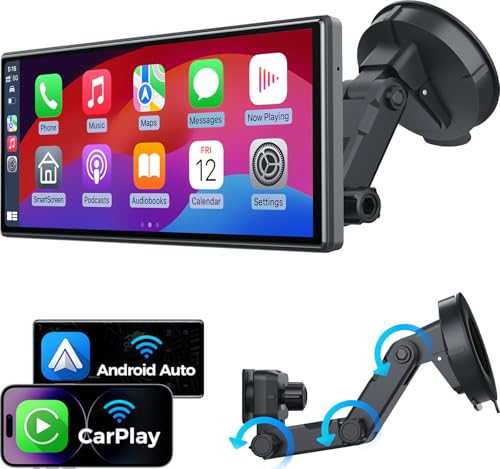
This is the screen in the center of the dash. Does it have Apple CarPlay or Android Auto? This lets you use your phone’s apps on the screen. Is the system easy to navigate?
Connectivity
Does the car have USB ports? Bluetooth? Wi-Fi hotspot?
Convenience Features
Think about things like heated seats, a heated steering wheel, keyless entry, and a sunroof. Are these must-haves for you? Or just nice-to-haves?
Real-World Scenarios: Putting It to the Test
Think about how you’ll use the car. Where do you drive? What do you do?
The Daily Commute
If you drive in heavy traffic, city MPG and a comfortable ride are important. Features like adaptive cruise control can help.
Family Hauling
If you have kids, you need easy access to the back seat. Child seat anchors (LATCH) should be easy to find and use. Plenty of space for car seats is key. And cargo room for strollers and bags is a must.
Weekend Adventures
If you go camping or hiking, you might need more cargo space. All-wheel drive (AWD) can be helpful if you drive in snowy or slippery conditions.
Long Road Trips
For long drives, comfort is king. A quiet cabin, supportive seats, and good fuel economy are vital. Infotainment systems with navigation can also be very useful.
Car Buying Checklist
Use this to compare cars:
- Budget Check: Can you afford the total cost?
- Fuel Needs: Does MPG match your driving?
- Safety First: Check ratings and features.
- Space Check: Enough room for you and your stuff?
- Reliability Research: What do owners say?
- Test Drive Deep Dive: How does it feel to drive?
- Tech Needs: Does it have the gadgets you want?
What This Means for You: Making the Right Choice
Every car comparison is personal. What’s perfect for one person might not be for another.
When One Car Might Be Better
If your main goal is saving money on gas, a car with higher MPG is the clear winner. If you need to carry a lot of people regularly, a larger vehicle with more passenger space makes sense. If you want a smooth, quiet ride for long trips, prioritize comfort features and noise insulation.
When to Be Concerned
If a car has consistently poor reliability ratings, that’s a red flag. If the safety ratings are low, walk away. If you notice strange noises or vibrations during the test drive, pay attention to that. Don’t ignore these warning signs.
Simple Checks You Can Do
Before you even test drive, look at the tires. Are they in good shape? Open and close all the doors. Do they feel solid? Check the headlights and taillights. Make sure all the lights work. Sit in every seat. Adjust the mirrors. Get a feel for the car’s ergonomics.
Quick Tips for Smart Car Comparisons
It’s easy to get overwhelmed. Keep these simple tips in mind.
Define Your Must-Haves
Before you start looking, make a list. What features are absolutely necessary? What features would be nice, but not deal-breakers? This helps you stay focused.
Test Drive Both Cars on Familiar Roads
Drive on roads you know well. This helps you compare them fairly. Try to drive them in similar conditions.
Bring a Friend
A second opinion can be very helpful. Your friend might notice things you miss. They can also help you stay objective.
Don’t Rush the Decision
It’s a big purchase. Take your time. Sleep on it if you need to. You don’t have to decide on the spot.
Myth vs. Reality: Car Buying Decisions
Myth
A higher price always means a better car.
Reality
Value is about what you get for the price. Many affordable cars offer great features and reliability.
Myth
Only expensive cars are safe.
Reality
Many mid-range and even some budget cars earn top safety ratings.

Frequent Questions About Comparing Cars
What is the most important factor when comparing cars?
The most important factor depends on your personal needs. For some, it’s fuel economy and cost savings. For others, it’s safety features or passenger space.
It’s about what matters most to you and your lifestyle.
How much does a car’s reliability affect its long-term cost?
Reliability significantly impacts long-term cost. A car that breaks down often will have higher repair bills and may need more frequent replacements of parts. It can also lead to lost time and inconvenience.
Should I compare used cars differently than new cars?
Yes, you should. For used cars, vehicle history reports (like CarFax or AutoCheck) are crucial. You also need to get a pre-purchase inspection from an independent mechanic.
Condition and maintenance history are more critical for used vehicles.
What are LSI keywords in car comparisons?
LSI keywords, or Latent Semantic Indexing keywords, are terms related to the main topic. For car comparisons, they might include things like “vehicle specs,” “fuel efficiency,” “safety ratings,” “ownership costs,” “driving dynamics,” and “infotainment features.” They help search engines understand the full context of your content.
How can I tell if a car’s price is fair?
You can check the fair market value using resources like Kelley Blue Book (KBB) or Edmunds. Compare prices from different dealerships for the same or similar models. Also, consider the car’s condition, mileage, and features.
Is it okay to love the way a car looks and still compare it logically?
Absolutely! Appearance is a valid factor for many buyers. However, it’s best to separate the emotional appeal from the practical considerations.
Once you’ve found cars that meet your practical needs, then you can let aesthetics play a bigger role in your final decision.
Final Thoughts on Finding Your Match
Comparing two cars takes effort. But it leads to a better decision. You look beyond the shiny paint. You consider the real costs and benefits. You think about how the car will fit into your life.
By following these steps, you gain knowledge. You build confidence. You’ll find the car that’s not just good, but the right fit for you. Happy car hunting!
Products related to this article
Sponsored / affiliate links. As an Amazon Associate I earn from qualifying purchases. I may earn additional commission from eligible campaigns.