Best Cars for Low Maintenance Costs: Cheap to Keep on the Road
The Toyota Corolla is the safest first pick if you want the lowest-cost mainstream car to keep moving. The Honda Civic is the nearest rival, the Mazda 3 is the better-driving value, and the Subaru Impreza is the AWD choice that costs more to own. The Corolla is often used as a benchmark because routine service tends to stay predictable, and RepairPal puts its 10-year maintenance total in the roughly $3,800-$4,500 range.
Best low-maintenance cars: Toyota Corolla first
Do not judge by sticker price alone. A low entry price can turn into a high running bill if the car needs frequent tires, brake work, CVT attention, or hard-to-find parts. This guide ranks the models by routine service, common failure items, and parts availability so you can compare true running costs before you buy. For a broader checklist, see the used car buying guide and the AWD vs FWD costs guide.
Quick picks
| Pick | Best for | Annual routine maintenance | 10-year maintenance | Why it lands here |
|---|---|---|---|---|
| Toyota Corolla | Lowest-cost mainstream sedan | Around $380-$400 | Around $3,800-$4,500 | Common parts, simple service, and a long record of low upkeep |
| Honda Civic | Commuters and first-time buyers | Around $377-$428 | Varies by engine and drivetrain | Very close to the Corolla, with broad parts support and many body styles |
| Mazda 3 | Drivers who want lower upkeep with a better drive | Around $433 | Varies by drivetrain | Still affordable to keep, with a more premium feel than its service bill suggests |
| Subaru Impreza | AWD shoppers | About $480 | Usually higher than the Corolla, Civic, or Mazda 3 | Standard AWD adds hardware, tires, and service complexity |
| Hyundai Elantra | Budget buyers who want low running costs | About $452 | Usually below many compact rivals when serviced on schedule | Strong value when you stay on top of oil changes and known engine-specific service items |
| Volkswagen Golf | Drivers who want hatchback utility | About $600-$800 | Higher than Corolla-class cars | More sophisticated hardware can raise parts and labor costs |
| Skoda Octavia | Practical European-family-car shoppers | About £500-£650 in UK ownership data | Depends on trim, gearbox, and mileage | Roomy and efficient, but DSG and cooling-system work can add cost |
| MINI Cooper | Small-car shoppers who want style | About £500-£625 in UK ownership data | Higher than the mainstream Japanese rivals | Compact size helps in town, but parts and labor can be pricier than they look |
Low-maintenance car matrix
This is the ownership-cost view that matters most. Routine maintenance is the baseline. Failure items are the risk. Parts availability and labor complexity decide whether a small repair stays small. For another angle on replacement budgeting, see the car maintenance schedule guide.
| Model | Annual routine maintenance | 10-year maintenance estimate | Common failure item | Parts availability | Labor complexity | Who should buy it |
|---|---|---|---|---|---|---|
| Toyota Corolla | Around $380-$400 | Around $3,800-$4,500 | Brake pad and rotor wear, plus occasional suspension bushings as mileage builds | Strong OEM and aftermarket support | Low | Commuter, first car, value-focused buyer |
| Honda Civic | Around $377-$428 | Varies by engine and drivetrain | CVT fluid degradation on CVT-equipped cars, plus ignition-coil and control-arm wear on older high-mileage examples | Strong | Low to moderate | Commuter, first car, hatchback shopper |
| Mazda 3 | Around $433 | Varies by drivetrain | Timing chain tensioner noise on some higher-mileage engines, plus front brake and tire wear | Good | Low to moderate | Driver who wants a nicer cabin without luxury upkeep |
| Subaru Impreza | About $480 | Usually higher than the others here | Rear differential service interval, AWD tire matching, and wheel-bearing wear | Good, but more specialized than the Corolla or Civic | Moderate | AWD shopper, snowbelt driver, all-weather commuter |
| Hyundai Elantra | About $452 | Varies by engine and ownership history | Direct-injection carbon buildup, ignition-coil failures, and oil-consumption complaints on some engine families | Good, with broad dealer and aftermarket support | Low to moderate | Budget buyer who wants low fixed costs and easy-to-find parts |
| Volkswagen Golf | About $600-$800 | Higher than mainstream Japanese rivals | DSG service intervals, water pump/thermostat housing leaks, and ignition-coil or intake-related issues on some trims | Good, but OEM pricing can be higher | Moderate | Hatchback shopper who accepts higher upkeep for a better chassis and packaging |
| Skoda Octavia | About £500-£650 in UK ownership data | Depends on trim, gearbox, and mileage | DSG servicing, coolant-system leaks, and suspension bushing wear on rougher roads | Good in Europe; mixed pricing elsewhere | Moderate | Family buyer who wants space and accepts European service needs |
| MINI Cooper | About £500-£625 in UK ownership data | Usually above mainstream compact cars | Cooling-system leaks, oil-filter housing gasket seepage, and suspension bushing wear | Good, but often pricier than equivalent mass-market parts | Moderate | Style-first shopper who still wants small-car running costs, but can tolerate higher repair bills |
Toyota Corolla
The Corolla sets the low-cost benchmark because it stays predictable to service, uses widely stocked parts, and avoids the extra hardware that pushes many cars into higher repair bills. RepairPal places the Corolla’s 10-year ownership cost in the roughly $3,800-$4,500 range, and that kind of number is why it remains the default answer for budget-minded shoppers.
Why it sets the benchmark
The Corolla is the reference point because the math stays plain. Oil changes, brakes, filters, batteries, and tires are the usual expenses, and none of them are unusually awkward for most shops. Toyota also tends to keep OEM parts available and priced in a way that helps control labor and turnaround time.
What keeps upkeep predictable
Routine service is the main story here. A naturally aspirated gas Corolla avoids many of the high-risk cost traps tied to turbocharged engines, complex AWD systems, and specialty tires. That is why the gas version is often singled out in competitor guidance when shoppers ask for the cheapest car to own, not just the cheapest to buy.
Who should buy it?
Choose the Corolla if your priority is low stress and low surprise cost. It fits commuters, first-car buyers, and anyone who wants a simple sedan that is easy to budget for over many years.
Honda Civic
The Civic is the Corolla’s closest rival. Annual maintenance is estimated at about $377-$428, so the gap is often small enough that the decision comes down to body style, local parts pricing, and the exact engine or transmission. It is available as a sedan, coupe, or hatchback, which gives you more choice than the Corolla.
How it compares with the Corolla
On routine upkeep, the Civic stays in the same low-cost group. On long-term ownership, the difference is usually not the oil change. It is the drivetrain, the age of the car, and whether your parts bill stays ordinary or starts to climb. That is why the Civic is a close second, not a distant one.
Where costs can creep up
Some Civic versions carry more repair exposure than a basic Corolla because the exact engine and transmission matter. CVT fluid degradation is a common Civic-specific ownership item on CVT-equipped trims, and once fluid service gets ignored, drivability complaints can follow. Parts are still widely available, but labor can rise if access is tighter on a given configuration.
Mazda 3
The Mazda 3 is the value pick for drivers who want a nicer cabin and a more engaging drive without moving into luxury-car maintenance. Annual maintenance is described at around $433, which keeps it near the low-cost group even though it tends to feel more upscale than the other cars here.
Why it is the fun-to-drive value pick
Mazda has a reputation for making ordinary driving feel better without demanding premium-brand repair bills. That matters because a car can save you money and still feel pleasant every day. The Mazda 3 hits that middle ground better than many rivals in this price band.
What to watch long term
Budget for routine wear parts, tires, and brakes as the car ages. On some higher-mileage Mazda 3 engines, timing chain tensioner noise is the kind of issue that can turn a quiet car into a shop visit. The real question is whether the exact trim, tire size, and brake setup raise replacement costs enough to matter for your budget.
Subaru Impreza
The Impreza is the low-cost AWD option, but AWD is the reason it costs more to keep moving than the Corolla, Civic, or Mazda 3. Annual maintenance is about $480, and the added hardware brings more service points, more tire sensitivity, and a bigger chance that a repair needs specialized attention.
Why standard AWD changes the cost picture
AWD adds mechanical parts that a front-wheel-drive sedan does not carry in the same way. That means more service complexity and more ways for costs to stack up over time. Even when the system works well, it raises the baseline burden compared with a simpler drivetrain.
What makes it pricier to keep moving
Tires, driveline service, and AWD-related labor are the main cost drivers. Rear differential service interval attention matters more on Subaru than on a basic front-drive sedan, and tire matching becomes critical if you want to avoid wear on the drivetrain. A common first-timer mistake is buying AWD for traction and then budgeting only like a front-drive sedan.
Hyundai Elantra
The Hyundai Elantra is a strong budget-entry alternative because it often keeps annual maintenance near the low end of the compact-car class. RepairPal-style ownership data typically puts it around $452 per year, which is still modest if you compare it with many European rivals.
Where the money goes
Elantra ownership is usually about staying on schedule. Oil changes, filters, tires, and brakes are the normal budget items, but the engine family matters. Direct-injection carbon buildup can show up over time on some trims, and that turns regular upkeep into a more important line item than many shoppers expect.
Parts and labor notes
Hyundai has broad dealer support and strong aftermarket coverage, so parts are usually not the main obstacle. The labor bill stays reasonable when the work is straightforward, but diagnosis time can rise if the car develops ignition-coil problems or oil-consumption complaints that need repeated checks. That makes service history important on used examples.
Volkswagen Golf
The Volkswagen Golf is a practical hatchback, but it typically costs more to keep than the Corolla-class cars because its hardware is more complex and its parts can be pricier. Depending on trim and market, annual maintenance often lands around $600-$800, which pushes it out of the true low-maintenance group.
Why the Golf is not a budget leader
Volkswagen’s service story is not about one giant failure. It is about small costs stacking up: DSG service intervals, cooling-system repairs, and higher OEM parts pricing than many mainstream competitors. That is enough to move the Golf out of the cheapest-to-own conversation even though it is still a good daily driver.
Common failure points and repair notes
Water pump and thermostat housing leaks are well-known ownership items on some Golf generations, and those jobs can be more expensive than a basic belt-and-fluid service. When DSG service is due, labor and fluid costs also rise above what a non-specialty compact often needs. The upside is that the Golf still has good aftermarket support and decent access to repair information.
Skoda Octavia
The Skoda Octavia is a practical European-family car that can be affordable to buy, but its service profile depends heavily on trim and gearbox. In UK ownership data, annual maintenance often lands around £500-£650, which is manageable but not as cheap as the basic Japanese competitors.
What drives the ownership bill
Octavia costs are shaped by the gearbox and cooling system as much as by routine service. DSG servicing can add a noticeable maintenance line, and coolant-system leaks or thermostat-related work can become expensive if ignored. In other words, the car can be a great value, but only if you buy the right example.
Parts and labor notes: in Europe, Skoda parts support
In Europe, Skoda parts support is usually solid, and many components are shared across the Volkswagen Group. That helps with availability, but it does not automatically make labor cheap. Complex repairs still take time, and that time is where the bill grows.
MINI Cooper
The MINI Cooper is not a low-maintenance car in the same way the Corolla is, but it is important because UK ownership studies and buying guides often place MINI near the top end of annual service cost in the compact-car world. AutoExpress has highlighted MINI among the lower-cost brands in some UK comparisons, with annual maintenance around £500-£625 depending on model and age, while BMW’s annual maintenance cost was cited at £625 in the same general study context.
Why a small car can still cost more
MINI ownership costs are driven by parts pricing, tighter repair access, and a service profile that is less forgiving than a basic mainstream hatchback. A small footprint does not guarantee small bills when the engine bay is crowded and the cooling system or oil seals start to age.
Common failure points and repair notes: cooling-system leaks and oil-filter housing
Cooling-system leaks and oil-filter housing gasket seepage are common talking points on MINI ownership forums and service guides, and suspension bushings can also wear in a way that creates extra labor. Parts are available, but OEM pricing can be higher than the equivalent mass-market part, which is why the car can feel cheaper to buy than to keep.
Are Toyotas cheaper to keep than Hondas?
Usually yes, but the gap is modest rather than dramatic. Toyota and Honda are both among the strongest mainstream brands for controlled upkeep, and the Corolla still lands as the cleaner low-cost benchmark because its long-term total is clearly controlled and parts are easy to source.
Routine service versus surprise repairs
Routine maintenance is where both brands stay affordable. The bigger difference shows up when a model-specific repair lands. Toyota’s parts supply and long-term cost control tend to keep the bill steadier, while Honda can be just as economical for a commuter if the exact engine and transmission stay out of trouble.
Parts availability and labor time
Both brands benefit from broad parts support, which helps keep labor hours down. That said, repair access still depends on the car’s layout. A simple service on a Corolla or Civic is rarely the issue. The cost moves when a part takes more time to reach, replace, or calibrate.
When the Honda is the better buy
Choose the Civic if you want a hatchback, coupe, or a sportier feel and the price gap to a Corolla is small. The Honda can be the better buy when the body style fits your life better than the last few dollars of annual upkeep.
What makes a car expensive to keep on the road?
Three things drive cost fast: complex drivetrains, large or specialty wear parts, and poor repair access. CVTs, turbos, and AWD hardware add risk. Bigger tires and brakes cost more to replace. Tight engine bays can turn a simple fix into a long labor bill.
CVTs, turbos, and AWD hardware
CVTs and turbocharged engines can be efficient and enjoyable, but they may add repair exposure if something major fails outside normal service. AWD hardware also adds parts and maintenance points. That is why a simple gasoline sedan often stays cheaper than a more complicated trim of the same model.
Tire size, brake size, and specialty parts
A car with larger wheels or bigger brakes often costs more every time it needs replacement rubber or pads. Specialty components matter too. If a car uses parts that only fit a narrow trim or drivetrain, you may pay more and wait longer for the repair.
How repair access changes labor cost
Labor is not just hourly rate. It is time. A part buried under intake plumbing or tight bodywork can cost more than the part itself. That is one reason two cars with similar sticker prices can have very different ownership bills.
What used cars are cheap to maintain long term?
Used cars are cheap to maintain long term when the service history is clean, the drivetrain is simple, and parts are still easy to buy. Among these models, the Corolla is the safest long-term bet, the Civic is the nearest runner-up, and the Mazda 3 is the best choice if you want a nicer drive without stepping into higher repair risk.
How to read the service record
Look for oil changes done on time, brake work, tire rotation history, and evidence that major service items were handled before they became overdue. A low-mileage car with missing records can be a worse ownership gamble than a higher-mileage car that was maintained on schedule.
Say your commute is 22 miles each way. Say your commute is 22 miles each way and you need a car every weekday. A Corolla or Civic is easier to budget because routine service stays ordinary and parts are easy to find. The Impreza is still viable, but AWD-related costs matter more when the car racks up miles fast.
Picture a buyer who wants one car for winter and errands. Picture a buyer who needs one car for winter roads and grocery runs. The Impreza solves traction, but not cost. If AWD is truly needed, accept the higher annual upkeep. If not, the Corolla or Civic will usually stay cheaper over time.
How do you check maintenance costs before buying?
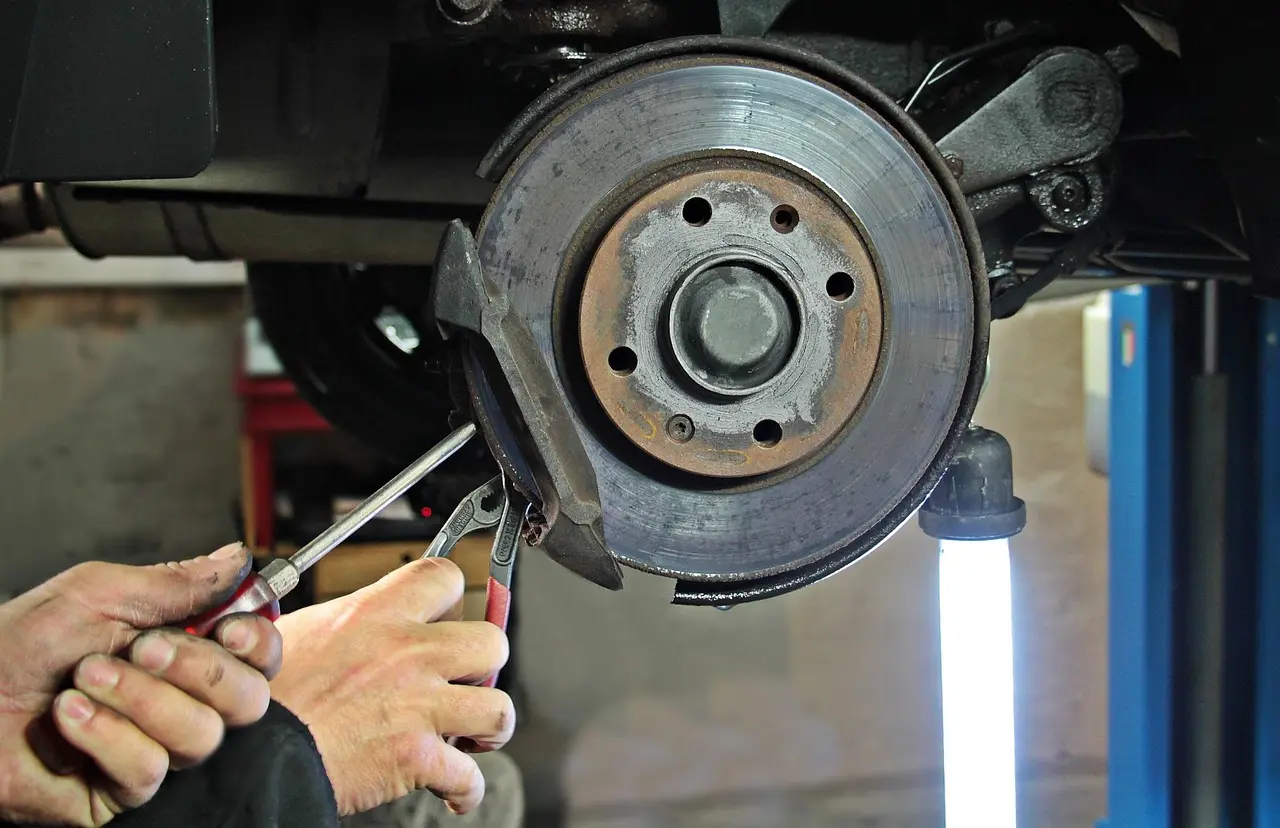
Start with the service schedule, then look up common failure items for the exact engine and drivetrain, then compare parts prices before you sign. That order matters because the cleanest ownership picture comes from the required work first, the known weak spots second, and the parts bill last.
Read the service schedule first
Check what the maker says the car needs for fluids, filters, brakes, tires, and timing-related service if applicable. If the schedule is vague, ask for the exact maintenance chart for that trim and engine. A low monthly payment does not matter if scheduled service is frequent or costly.
Look for common failure items by engine and drivetrain
Do not stop at the model name. The engine, transmission, and drive layout decide a large part of the risk. A base Corolla, a Civic with a different drivetrain, and an Impreza with AWD do not carry the same ownership burden even when they sit in the same class.
Compare parts prices before you sign
- Check oil, brake, tire, and battery pricing for the exact model.
- Ask whether the car uses standard or specialty tire sizes.
- Confirm whether the drivetrain adds service items you will actually use.
- Look at shop access for the major components that tend to fail.
A quick parts check can save you from buying the wrong cheap car. The right question is not whether the car is affordable today. It is whether the next brake job, tire set, and repair visit still fit your budget next year.
Frequently asked questions
What cars are cheapest to maintain?
For mainstream shoppers, the Toyota Corolla, Honda Civic, Mazda 3, Hyundai Elantra, Volkswagen Golf, Skoda Octavia, MINI Cooper, and Subaru Impreza sit near the low-to-mid maintenance end, but the Corolla is the cleanest answer here. It has a low annual maintenance profile, broad parts support, and a long track record of controlled ownership costs.
Which brands have the lowest maintenance costs?
Brand rankings change by source, but Toyota and Honda are commonly cited for low upkeep in mainstream shopping. AutoExpress also has highlighted MINI, Hyundai, Volkswagen, Toyota, and Skoda in UK ownership-cost discussions, though the exact ranking changes by model, market, and year. BMW, by contrast, was cited at £625 annual maintenance in that UK comparison context.
Are Toyotas cheaper to keep on the road than Hondas?
Often yes, though the gap is not huge. Toyota was listed at $441 per year for annual maintenance in one RepairPal comparison, while Honda was listed at $428. The Corolla still stands out because its 10-year total is controlled and its parts network is easy to work with.
Which car models have the lowest annual maintenance costs?
Among the models in this guide, the Honda Civic and Toyota Corolla are the closest low-cost pair, with the Corolla usually the safer long-term bet. The Mazda 3 remains reasonable, the Hyundai Elantra is still budget-friendly, and the Subaru Impreza costs more because AWD adds service and wear items.
Which low-maintenance car is best for daily driving?
The Toyota Corolla is the easiest daily-driver choice if your goal is low stress and low upkeep. The Honda Civic is the nearest alternative if you want more body-style choice. The Mazda 3 is the better pick if daily driving should also feel more refined.
Products related to this article
Sponsored / affiliate links. As an Amazon Associate I earn from qualifying purchases. I may earn additional commission from eligible campaigns.