Best Luxury Cars for the Money: Value-Focused Reviews
The best luxury cars for the money usually come from midsize sedans and entry SUVs with strong standard equipment and low depreciation; start with the Lexus IS 300, Acura TLX, Lexus ES 300h, and Lexus RX before paying for prestige trims. Skip the trim math and you can lose thousands to options, faster depreciation, and higher maintenance. This guide highlights sedans, hybrids, sports cars, SUVs, and EVs by purchase price, ownership cost, depreciation risk, and trim-level value.
How luxury value is measured

MSRP is only the starting line. For value, you need the purchase price, the likely lifespan cost, depreciation risk, warranty coverage, fuel type, and how hard the car will be to maintain after the warranty ends. A car can still be a smart buy if it holds value and stays simple to own.
iSeeCars-style annual lifespan cost is the cleanest shortcut here: purchase price divided by potential lifespan, expressed as a yearly cost. Lower is better. iSeeCars Score is useful as a tie-breaker because it blends reliability, resale value, and safety data from NHTSA and IIHS into one ranking signal.
MSRP versus lifespan cost
Sticker price tells you what leaves your account first. Lifespan cost tells you what the vehicle may cost you across years of ownership. That difference matters more in luxury cars, where option packs and post-warranty repairs can push a “cheap” badge into an expensive ownership profile.
Say your budget fits two sedans with the same payment, but one is loaded with a premium audio pack, rear-seat luxury package, and larger wheels. The payment can look similar while the resale curve and tire costs are worse on the over-optioned car.
Depreciation, warranty, and maintenance
Luxury cars with strong resale keep more value because later buyers still want the same core features without paying new-car markup. Long warranties help, but they do not erase repair exposure once basic coverage ends. That is why simple drivetrains and widely shared parts usually matter more than cosmetic upgrades.
Maintenance demands rise fast with air suspension, high-output turbo engines, large brake packages, and deep tech stacks. Those features can be worthwhile, but only if the model holds value well enough to offset them. If it does not, the car can turn into a status purchase instead of a value purchase.
Where the iSeeCars Score fits
Use iSeeCars Score after the cost screen. It does not replace annual lifespan cost; it helps separate two cars with similar ownership math by comparing reliability, resale strength, and safety. That is especially useful when you are choosing between a well-priced luxury sedan and a more complicated alternative with similar MSRP.
Luxury cars value matrix
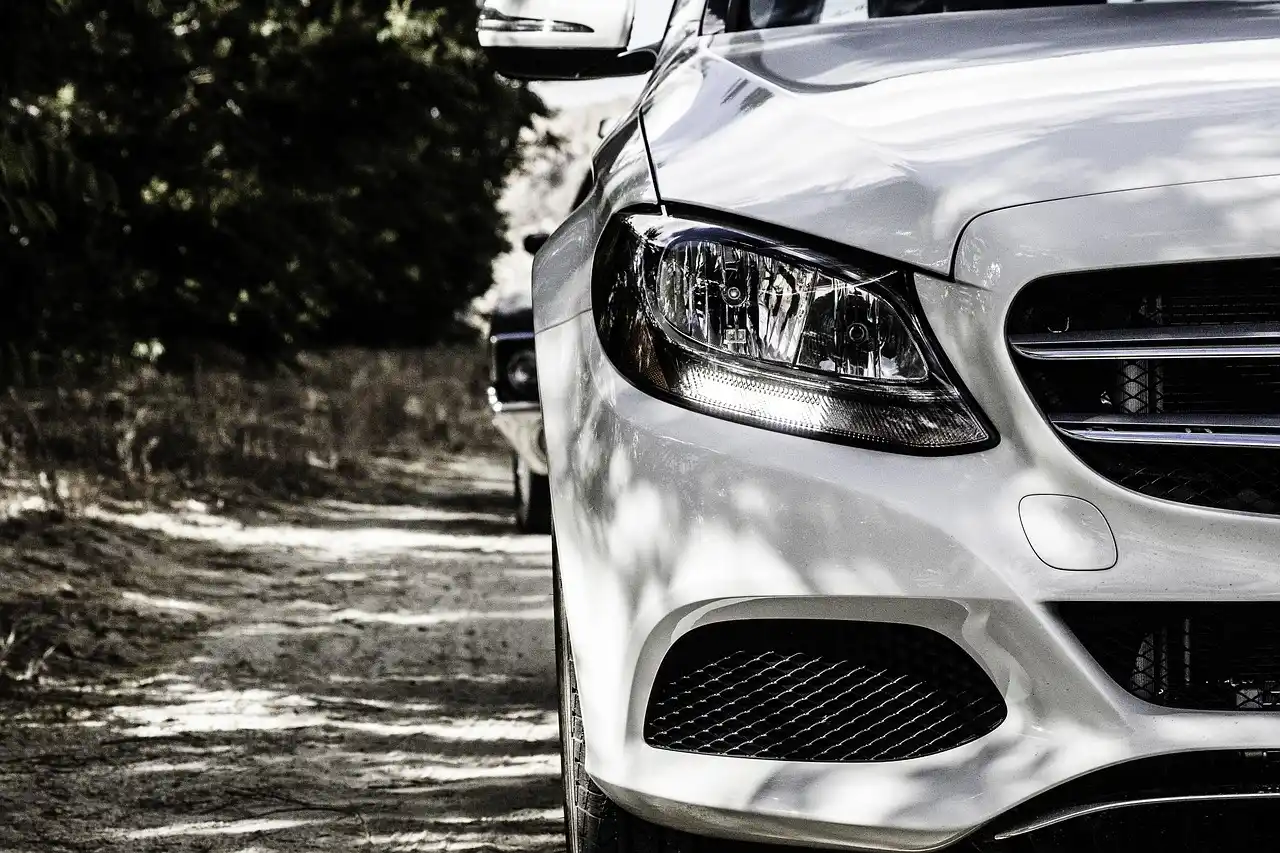
This matrix separates price band from ownership exposure. Warranty coverage is shown in broad factory terms, while depreciation risk and maintenance complexity reflect the usual ownership pattern for the segment, not a guarantee for every car or every trim.
| Model | MSRP band | Annual lifespan cost | Warranty coverage | Fuel type | Likely depreciation risk | Maintenance complexity | Best trim to buy / trim to avoid |
|---|---|---|---|---|---|---|---|
| Lexus IS 300 | Low-to-mid $40K range | $2,578.82 | 4-year/50,000-mile basic; 6-year/70,000-mile powertrain | Gas | Low | Low | Buy the well-equipped base or Premium; avoid heavy option stacking and oversized wheel packages. |
| Acura TLX | Mid $40K to low $50K range | $3,700.00 | 4-year/50,000-mile basic; 6-year/70,000-mile powertrain | Gas | Low-to-moderate | Moderate | Buy the standard turbo trim or a light-option advance trim; avoid the priciest wheel and tech bundles if resale matters. |
| Lexus ES 300h | Mid $40K to low $50K range | $3,291.92 | 4-year/50,000-mile basic; hybrid components often carry longer coverage | Hybrid | Low | Low | Buy the mid trim with core safety tech; avoid luxury add-ons that do not improve efficiency or resale. |
| BMW i7 | Low six figures | Not listed in the source set | 4-year/50,000-mile basic; battery and EV components vary by market | Electric | Moderate | High | Buy only the trim with the features you will use; avoid spec creep, rear-seat theater packs, and oversized wheel choices. |
| BMW 7 Series | Low six figures | Not listed in the source set | 4-year/50,000-mile basic; powertrain coverage varies by market | Gas or plug-in hybrid, depending on version | Moderate-to-high | High | Buy a conservative trim with fewer executive options; avoid the most complex luxury packages unless you plan to keep the car only inside warranty. |
| Audi A8 L | Upper mid to high six figures | $7,006.97 | 4-year/50,000-mile basic | Gas | High | High | Buy only if you want flagship comfort and can accept repair exposure; avoid the most option-heavy versions. |
| Chevrolet Corvette (coupe) | Low-to-mid $60K range and up | $3,793.11 | 3-year/36,000-mile basic; 5-year/60,000-mile powertrain | Gas | Moderate | Moderate | Buy the base coupe or a restrained mid trim; avoid track-focused packages unless you will use the hardware. |
| Genesis G80 | Mid $50K to low $60K range | Not listed in the source set | 4-year/50,000-mile basic; 10-year/100,000-mile powertrain in many U.S. markets | Gas | Moderate | Moderate | Buy the core luxury trim; avoid over-optioning if you want the strongest resale equation. |
| Lexus RX | Mid $50K to low $60K range | Not listed in the source set | 4-year/50,000-mile basic; 6-year/70,000-mile powertrain | Gas or hybrid, depending on version | Low | Low | Buy the standard hybrid-friendly trim with essential safety gear; avoid luxury dress-up packages that do not hold resale value. |
Which luxury sedan gives the most value?
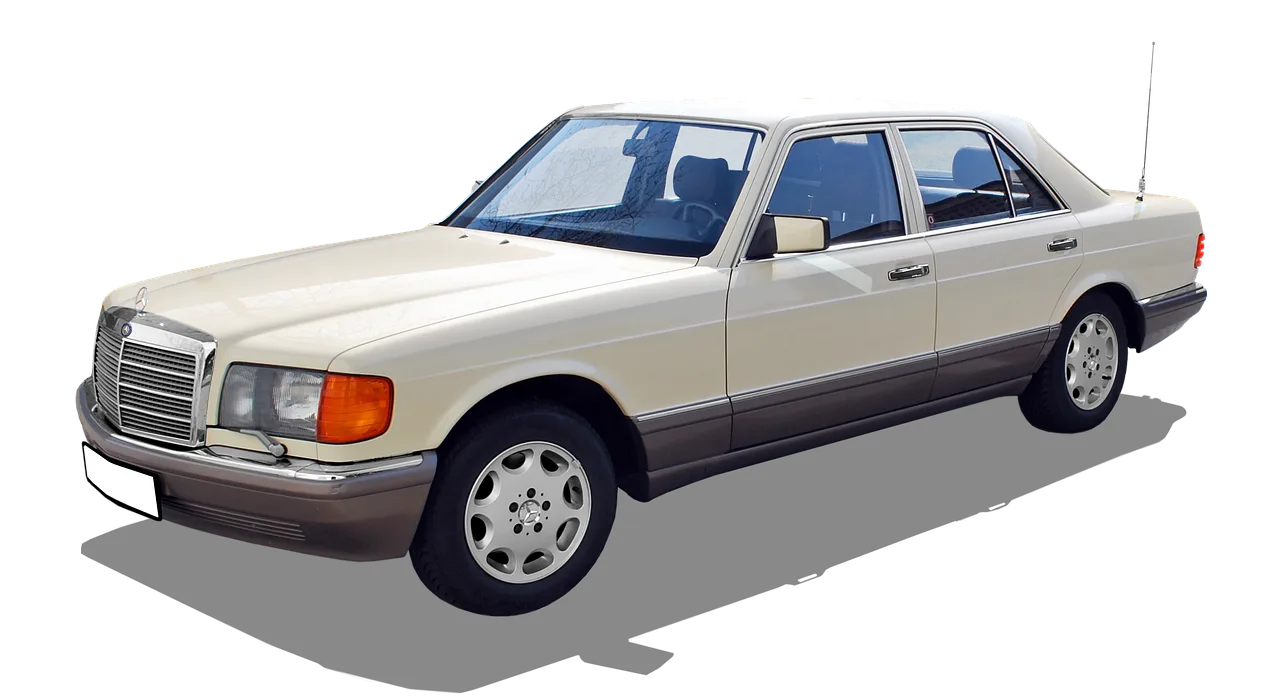
The best luxury sedan value comes from the Lexus IS 300 for small and compact shoppers, the Acura TLX for midsize buyers, and the Audi A8 L only if you want flagship size and can live with much higher ownership cost. For most shoppers, Lexus and Acura win because they keep depreciation and repair risk lower.
Lexus IS 300
Using iSeeCars-style annual lifespan cost estimates, the Lexus IS 300 is the best luxury small and compact car for the money at $2,578.82. That makes it the sedan-class value benchmark in this set. The value logic is simple: compact size, lower running costs, and a badge that tends to age better than many German rivals.
Buy the trim that already includes the features you need. Avoid expensive wheel upgrades and appearance packs that raise tire cost and do little for resale. This is where trim honesty matters: the car’s value case is strongest when you keep it close to its standard equipment story.
Acura TLX
Using iSeeCars-style annual lifespan cost estimates, the Acura TLX is the best luxury midsize car for the money at $3,700.00. It works well for shoppers who want a quieter, more polished sedan than a mainstream car without jumping into the repair exposure that can come with a more complex badge.
Choose the trim with the main comfort and safety features you actually want. Skip the versions that pile on cosmetic upgrades first and practical upgrades second. A common first-timer mistake is paying for larger wheels and premium appearance parts before securing the features that help the car hold value.
Audi A8 L
Using iSeeCars-style annual lifespan cost estimates, the Audi A8 L ranks number one for the best luxury large cars for the money at $7,006.97. That number is still high compared with the Lexus and Acura entries, but it is a reminder that value can exist inside the flagship class when the car is materially better than lesser trims in comfort and road isolation.
Still, this is not a bargain sedan. It is a premium choice for buyers who want a full-size luxury experience and are willing to accept more complex repair risk after warranty expiry. If you shop it, keep the build conservative.
Are hybrid and electric luxury cars worth it?
Hybrid and electric luxury cars can be better value when fuel use, resale, and daily driving fit the powertrain. The Lexus ES 300h is the clear hybrid value choice here. The BMW i7 is the high-end EV answer for buyers who want flagship performance and quietness, but it is not the lowest-cost ownership play.
Lexus ES 300h
Using iSeeCars-style annual lifespan cost estimates, the Lexus ES 300h is the best luxury hybrid car for the money at $3,291.92. That places it ahead of many gas-only rivals on operating economics while keeping the ownership profile simple. For commuters who want calm cabin behavior without a complicated service bill, it is one of the strongest plays in the segment.
Hybrid value rises when your driving pattern includes regular city and suburban miles. If you mostly cruise on the highway, the savings can shrink. Even then, the ES 300h stays compelling because the car’s resale profile and simpler maintenance needs support the total-value case.
BMW i7
Autocar’s top luxury car pick is the BMW i7. It is an electric flagship saloon with up to 538bhp and an official WLTP range reported at up to about 385 miles. Those numbers matter because they show that an EV can deliver genuine flagship pace and long-range usability, not just short-trip novelty.
Its value case is different from the Lexus hybrid’s. The i7 buys refinement, torque, and technology in a very expensive wrapper, so the ownership equation depends on whether you want the top end of the segment or the best yearly cost. The answer is not the same thing.
BMW 7 Series context
The BMW 7 Series is the reference point for a supple and controlled ride in this class. It also anchors the combustion-and-EV flagship family, which matters because shoppers cross-shop it against the i7 when they want the same size, similar prestige, and different powertrain priorities.
If comfort is your top need, the 7 Series family is still a benchmark. If long-term value is your top need, the final answer depends heavily on trim, powertrain, and how much equipment you add beyond the standard car.
Is a luxury SUV worth the extra cost?
Yes, if you need the seating position, cargo shape, or all-weather utility more than sedan efficiency. No, if you only want a higher badge and a tall body. Luxury SUVs can be worth it, but the best ones need strong resale, restrained option pricing, and manageable maintenance exposure.
That is why SUVs should be judged separately from sedans. Their tires, brakes, and weight usually cost more to run. The better value SUVs are the ones that do enough with standard equipment and do not demand a long list of extras to feel properly luxury.
When SUV value makes sense
Buy the SUV when you use the space, visibility, or easier entry and exit. If you rarely fill the cargo area or use the rear seat, you may be paying sedan money for SUV overhead. Luxury SUVs also tend to lose efficiency, so the running-cost penalty is real.
Compare the Lexus RX against more badge-driven rivals first. It often lands well because it balances comfort, value retention, and lower ownership stress better than many alternatives. That is the type of SUV value most shoppers actually need.
What to compare beyond the badge
Look at the standard safety suite, wheel size, tire replacement cost, and whether the trim you want needs a package bundle to become acceptable. Also check how much of the car’s appeal is tied to appearance equipment rather than durable features like seats, driver assists, and powertrain calibration.
If two SUVs have similar monthly payments, the one with the better resale profile and simpler equipment can be the better buy. The difference often shows up after warranty ends, not on the day of delivery.
Best luxury sports car for the money
Using iSeeCars-style annual lifespan cost estimates, the Chevrolet Corvette coupe is the best luxury sports car for the money at $3,793.11. It wins because it delivers high-performance credibility without the same ownership burden as many European sports cars. That does not make it a grand tourer, but it makes it a strong value performance choice.
Chevrolet Corvette coupe
Buy the coupe if you want the best value path. Avoid track-focused packages unless you will actually use them, since they can add cost without helping resale for the average buyer. The Corvette works best when you want real pace, a lower cost structure, and a less fragile ownership equation than many prestige coupes.
The convertible leads the class for open-top buyers, but that does not automatically mean it is the better buy for everyone. A coupe usually preserves value better than a more lifestyle-heavy version, especially if you do not care about top-down use.
What should you compare before you buy?
Compare more than MSRP. The useful checklist is warranty coverage, depreciation risk, fuel type, maintenance complexity, and whether the trim you want inflates cost with options that do not hold value. That is the difference between a luxury car that feels expensive and one that stays expensive.
- Check annual lifespan cost before you compare payments.
- Compare warranty length and what it excludes.
- Look for depreciation patterns by model and trim.
- Estimate tire, brake, and service costs for the wheel and brake package you are choosing.
- Ask whether the powertrain is simple enough to own after warranty expiry.
- Use iSeeCars Score as a tie-breaker when two cars have close cost numbers.
Warranty coverage and powertrain risk
Longer powertrain coverage can help, but it does not erase the cost of electronics, suspension parts, or premium hardware once the basic warranty ends. This is where Lexus and Acura often beat badge-only rivals: they tend to offer a lower-risk ownership profile without stripping away comfort.
Fuel use and maintenance complexity
Hybrid systems can lower fuel cost and sometimes support stronger resale, especially in sedans like the ES 300h. EVs can also cut routine maintenance, but premium EVs like the BMW i7 still carry expensive hardware and high purchase price. Gas cars remain valid value choices when they are simple and hold value well.
Resale strength and depreciation
Shoppers who care about long-term value should pay close attention to the used market. A car that depreciates slowly can beat a cheaper rival that drops hard after three years. That is one reason Lexus and Acura often look better than flashier badges once ownership math replaces status math.
Suppose you are cross-shopping a midsize sedan and a midsize SUV at similar MSRP. The sedan may return better fuel economy and lower tire costs, while the SUV may justify itself only if you regularly need the higher seating position and cargo opening. That is the correct way to frame the decision.
Frequently asked questions
Which luxury car gives the most value for the money?
The Lexus IS 300 gives the strongest value case in this set because it combines a low annual lifespan cost of $2,578.82 with lower maintenance demands and a value-friendly badge. If you need more size, the Acura TLX and Lexus ES 300h are the next most convincing all-around answers.
What is the best luxury sedan for the money?
The best luxury sedan for the money depends on size class. The Lexus IS 300 is the compact benchmark, the Acura TLX is the midsize benchmark, and the Audi A8 L is the large luxury benchmark. For most buyers, the Acura TLX is the broadest answer because it balances cost and comfort well.
Are luxury SUVs worth it if I care about long-term value?
Yes, but only when the SUV gives you real utility and strong resale. If you want a tall driving position and cargo flexibility, a well-chosen luxury SUV can make sense. If you only want the badge, a sedan usually offers better ownership economics and lower running costs.
Which luxury cars depreciate the slowest?
Luxury cars with strong resale, simpler mechanical layouts, and wide market appeal usually depreciate the slowest. In this group, Lexus models are the safest bet, with Acura often close behind. Higher-complexity flagships and over-optioned trims usually lose more value because repair exposure rises after warranty expiry.
Is a Lexus, Acura, or BMW better value in luxury cars?
Lexus is usually the safest value choice, Acura often gives strong value with a more driver-focused feel, and BMW can be the better pick when you prioritize dynamic polish over ownership simplicity. For long-term cost control, Lexus and Acura generally beat BMW unless the BMW is bought with discipline.
What should I compare besides MSRP when buying a luxury car?
Compare annual lifespan cost, depreciation risk, warranty coverage, fuel type, and maintenance complexity. Then check the trim list for wheel size, suspension packages, and tech bundles that inflate cost without protecting resale. Those details often matter more than the base sticker once ownership begins.
Do hybrid luxury cars offer better value than gas models?
Often yes, especially for commuting and city driving. The Lexus ES 300h is the clearest example here because it combines lower fuel use with strong value math. A hybrid becomes less compelling if your mileage is mostly highway and the non-hybrid model has better pricing or stronger resale in your market.
Which luxury cars are best if I want both comfort and low ownership costs?
Start with the Lexus ES 300h, Lexus IS 300, and Acura TLX. They deliver comfort without forcing you into the most expensive repair paths or the steepest depreciation curve. If you need flagship size, the Audi A8 L gives more comfort, but it does not match those cars on ownership cost.
Products related to this article
Sponsored / affiliate links. As an Amazon Associate I earn from qualifying purchases. I may earn additional commission from eligible campaigns.