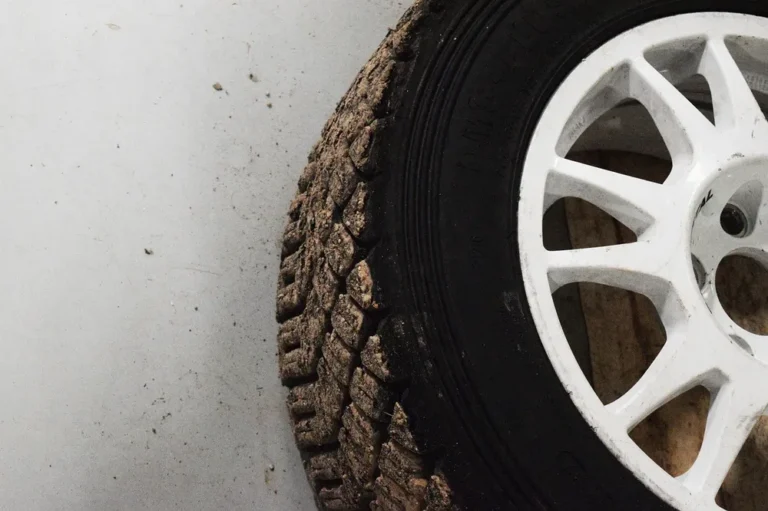
Is Car Tire Rotation Really Necessary? The Honest Truth
Car maintenance is often a battleground between necessity and convenience. Among the myriad recommendations in your owner’s manual, few spark as much debate as tire rotation. Is this scheduled shuffling of your car’s shoes truly critical, or is it just another checkbox on a service invoice? Many drivers question whether rotating tires every 5,000 to 8,000 miles is genuinely worth the time, money, and effort—or if it’s simply a tradition carried over from an earlier era.
The honest truth is nuanced. Skipping tire rotation might not doom your car overnight, but the impacts—both immediate and long-term—can be significant. Uneven tire wear, compromised safety, reduced fuel efficiency, and even voided warranties are just a few of the potential consequences.
Yet, some argue that modern tire technology and improved alignment systems have lessened the need for frequent rotations. To help you make an informed decision, let’s unpack what tire rotation really does, the science behind it, and whether it deserves a spot on your essential maintenance checklist.
Key Takeaways
- Tire rotation helps ensure even tread wear, enhancing safety and extending tire lifespan.
- Skipping regular rotations can lead to premature tire replacement and higher long-term costs.
- Car type, drivetrain, and driving habits significantly influence how often rotation is needed.
- Some warranties require proof of regular rotation for coverage.
- Modern tires are more durable, but rotation remains relevant for most vehicles.
- Real-world data, case studies, and expert recommendations support the value of scheduled rotations.
The Science Behind Tire Rotation
Understanding why tires wear unevenly—and how rotation helps—requires a closer look at how your vehicle interacts with the road.
How Tires Wear Differently
Every tire on your car experiences unique stresses:
- Front tires (especially on front-wheel-drive vehicles) handle most steering and braking forces.
- Rear tires may wear more slowly but can develop uneven patterns, especially in rear-wheel or all-wheel-drive vehicles.
- Cornering, acceleration, and braking each contribute to distinctive wear patterns like cupping, feathering, or shoulder wear.
For example, front-wheel-drive cars typically show faster wear on the front tires, especially on the outer edges, due to the combined forces of steering and power delivery. This is exacerbated in urban environments with frequent turning, stop-and-go traffic, and tight parking maneuvers. Even in rear-wheel-drive or all-wheel-drive vehicles, the load each tire bears can vary due to weight distribution, driving style, and road conditions.
Uneven tire wear is not always visually obvious. Sometimes, tires will develop subtle ridges, known as “feathering,” or may become noisier as certain sections wear down faster than others. Over time, this can lead to poor ride quality and increased vibration, even before the tread depth reaches unsafe levels.
Monitoring wear patterns is key, as it can also indicate other underlying issues such as suspension misalignment or unbalanced wheels.
What Does Tire Rotation Actually Do?
Tire rotation involves moving tires to different positions on the vehicle (e.g., front to rear, left to right) according to a specific pattern. The aim is to:
- Distribute wear more evenly across all four tires
- Maximize tread life by preventing certain tires from wearing out prematurely
- Maintain balanced handling and traction
By rotating tires, you ensure that no single tire bears the brunt of the vehicle’s workload for too long. For instance, after a rotation, the tires that previously handled the majority of the steering and braking (usually the fronts) are moved to the rear, where they experience different forces.
This not only prolongs the life of the tire set but also helps maintain uniform tread depth, which is crucial for balanced braking and predictable handling.
Rotating tires also gives technicians or DIYers a chance to inspect for damage, embedded objects, sidewall bulges, and other issues that might otherwise go unnoticed. Catching these early can prevent sudden tire failures or the need for emergency replacements.
Statistical Impact On Tire Lifespan
According to a study by the National Highway Traffic Safety Administration (NHTSA), regular tire rotation can extend tread life by as much as 20%. That means a set of tires rated for 60,000 miles could potentially last up to 72,000 miles with proper maintenance.
Further research published by the Rubber Manufacturers Association found that drivers who adhered to scheduled rotations replaced tires, on average, 10,000 to 15,000 miles later than those who neglected the service. This not only saves direct costs but also reduces the frequency of downtime for tire changes.
Tire Rotation And Vehicle Safety
Uneven tires can compromise grip, especially during emergency maneuvers or in wet conditions. The U.S. Tire Manufacturers Association notes that even tread wear helps maintain predictable handling and braking, reducing the risk of accidents.
For example, during sudden stops or evasive maneuvers, tires with uneven tread can respond unpredictably, sometimes causing the vehicle to pull to one side or lose traction prematurely. In wet conditions, worn tires are more susceptible to hydroplaning, where a thin layer of water causes the tire to lose contact with the road.
This risk increases dramatically if some tires are more worn than others, as the vehicle’s ABS and traction control systems rely on consistent grip from all four wheels.

Credit: www.medcentermazda.com
Common Arguments Against Tire Rotation
Despite the clear science, some drivers and mechanics question the necessity of routine tire rotation. Let’s examine the most common objections.
“modern Tires Don’t Need It”
Advocates of this view point to advancements in tread compounds and tire construction. Today’s tires are indeed more durable, with reinforced sidewalls and optimized tread patterns designed for longevity. Some premium all-season and touring tires even market themselves as “rotation optional.”
However, while modern tires last longer, the forces of weight distribution and steering haven’t changed. Front tires still wear out faster on most vehicles, and AWD systems can create unique wear patterns. Even the best tire compounds can’t defy physics; distribution of weight, friction, and heat remain uneven across a vehicle’s tires. In practice, skipping rotation may simply delay—but not eliminate—the appearance of uneven wear, which will eventually shorten overall tire life.
“my Car Has A Staggered Setup”
Performance vehicles and some luxury cars feature staggered setups (different-sized front and rear tires), or directional tires that can only rotate one way. These configurations limit rotation options.
In these cases, rotation may involve only side-to-side swaps or none at all. However, for the vast majority of standard sedans, SUVs, and trucks, rotation remains both possible and beneficial. Even with staggered setups, side-to-side rotation can help balance out wear caused by different cornering forces on each side of the vehicle.
For owners of high-performance cars, consulting a trusted tire specialist is recommended to determine the best possible rotation strategy for their specific configuration.
“it’s Just A Dealer Upsell”
Skepticism arises when service advisors push rotations at every oil change. While some shops over-prescribe the service, reputable automakers and tire manufacturers consistently recommend rotation every 5,000 to 8,000 miles.
It’s important to distinguish between unnecessary upselling and following manufacturer guidelines. A reputable service provider will explain the reasoning behind the recommendation and provide evidence of tire wear if requested. Many independent mechanics and tire shops also offer free rotation with the purchase of new tires, reflecting its genuine value as a maintenance practice rather than a profit-driven add-on.
“i’ve Never Had A Problem Skipping It”
Anecdotal evidence isn’t always reliable. Some drivers go years without rotating tires and see no issues—often because they replace tires sooner, drive conservatively, or have balanced vehicles. For the average driver, the risks of uneven wear and reduced tire life are real.
Additionally, these “no problem” experiences often ignore hidden costs. For example, reduced fuel efficiency and compromised emergency handling may go unnoticed until a real-world scenario exposes the downside. In many cases, drivers only realize the significance of rotation when faced with a sudden, costly tire replacement or a denied warranty claim.
Cost Comparison: Rotate Vs. Replace
Let’s look at a direct cost breakdown:
| Scenario | Average Rotation Cost (per service) | Number of Rotations (60,000 miles) | Total Rotation Cost | Expected Tire Lifespan (miles) | Number of Tire Replacements Needed | Total Tire Replacement Cost* |
|---|---|---|---|---|---|---|
| Rotating Tires | $30 | 7 | $210 | 60,000 | 1 | $600 |
| No Rotation | $0 | 0 | $0 | 45,000 | 1.33 | $800 |
*Assumes $600 per set of four tires.
Rotating tires saves an estimated $190 over 60,000 miles by postponing the need for a new set.
This calculation doesn’t even account for potential fuel savings, improved safety, or the financial impact of a voided warranty claim. Over the lifespan of a vehicle, these factors can easily compound into thousands of dollars in savings.

Credit: www.medcentermazda.com
Tire Rotation Patterns Explained
The right rotation pattern depends on your vehicle’s drivetrain, tire configuration, and manufacturer recommendations.
Standard Rotation Patterns
The most common patterns are:
- Forward Cross – For front-wheel-drive vehicles: Front tires move to the rear on the same side, rear tires cross to the front.
- Rearward Cross – For rear- and all-wheel-drive: Rear tires move forward on the same side, front tires cross to the rear.
- X-Pattern – All tires swap diagonally.
Each pattern is chosen to compensate for the unique forces each tire faces. For instance, the X-pattern is favored for vehicles with non-directional, same-size tires, and it provides the most even wear distribution for cars subjected to mixed city and highway driving.
The forward and rearward cross patterns are specifically tailored to address the wear characteristics typical of their respective drivetrains.
Special Cases: Directional And Staggered Tires
- Directional tires (with a V-shaped tread) must stay on their side and can only be swapped front-to-back.
- Staggered setups (different size front/rear tires) may only allow side-to-side rotation, or none at all.
If you’re unsure about your tire type, look for markings on the sidewall. Directional tires will have arrows showing the intended direction of rotation. Always consult your owner’s manual or a trusted tire shop before attempting a rotation with non-standard tires.
Manufacturer Requirements
Always consult your owner’s manual or the tire manufacturer’s website. Skipping rotation can void warranties from brands like Michelin and Goodyear.
Some manufacturers provide specific recommendations or restrictions based on the vehicle model, tire type, and expected usage conditions. For example, heavy-duty trucks or performance SUVs may require more frequent rotations due to higher loads or aggressive driving. Following the recommended pattern and frequency is the best way to maximize both tire life and warranty protection.
Table: Common Rotation Patterns
| Drivetrain | Standard Pattern | Frequency | Special Considerations |
|---|---|---|---|
| Front-Wheel Drive | Forward Cross | 5,000–7,500 mi | None |
| Rear-Wheel Drive | Rearward Cross | 5,000–7,500 mi | None |
| All-Wheel Drive | X-Pattern or Rearward Cross | 5,000–6,000 mi | Critical for AWD |
| Directional Tires | Front-to-Rear Only | 5,000–8,000 mi | Must stay on same side |
| Staggered Setup | Side-to-Side Only | 5,000–8,000 mi | Size limits options |

Credit: www.yokohamatire.com
Real-world Examples And Case Studies
Examining real-life scenarios sheds light on the practical impact of tire rotation.
Case Study 1: Family Sedan
Vehicle: 2017 Toyota Camry (Front-wheel drive)
Tire: All-season, rotated every 6,000 miles
Result: All four tires replaced at 62,000 miles with even tread wear. Owner spent $210 on rotations and $640 for new tires. Tire warranty remained valid.
The Camry owner also reported consistently smooth handling and minimal road noise throughout the life of the tires, underscoring the secondary benefits of adhering to a rotation schedule. The even wear meant no unexpected blowouts or sudden replacements, and the tire pressure monitoring system (TPMS) rarely flagged issues, thanks to the balanced load.
Case Study 2: Performance Coupe With Staggered Setup
Vehicle: 2018 BMW 440i (Rear-wheel drive, wider rear tires)
Tire: High-performance summer, no rotation possible
Result: Rear tires wore out at 23,000 miles, fronts lasted to 35,000. Owner replaced rear tires twice before fronts wore out. Total tire costs exceeded $1,100 in 35,000 miles.
This BMW driver experienced pronounced differences in grip as the rear tires wore faster, resulting in less predictable acceleration and cornering in wet conditions. The lack of rotation options forced more frequent visits to the tire shop, and the expense of high-performance tires added up quickly.
Case Study 3: Crossover Suv (awd)
Vehicle: 2020 Subaru Outback (All-wheel drive)
Tire: Rotated every 7,000 miles
Result: Even wear on all four tires; avoids costly drivetrain damage. Dealer noted that mismatched tires can cause excess wear on AWD systems, potentially leading to repairs exceeding $2,000.
AWD systems rely on all tires spinning at the same rate. Even small differences in tread depth can cause the system to overwork, straining the center differential or transfer case. This Outback owner avoided a potential four-figure repair simply by maintaining a regular rotation schedule.
Case Study 4: Skipped Rotations
Vehicle: 2015 Honda Accord (Front-wheel drive)
Tire: No rotations performed; front tires replaced at 30,000 miles, rears lasted 60,000 miles
Result: Owner had to buy two sets of front tires in the time it took to wear out the original rears, spending $1,200 instead of $600.
The Accord driver also experienced increased steering vibration and a pronounced pull to one side as the front tires wore down unevenly. After learning about the cost implications, the owner switched to scheduled rotations and saw improved tire longevity and handling.
Key Takeaway
Consistent rotation typically leads to more predictable tire costs, safer handling, and fewer surprise expenses. These case studies illustrate not only the financial benefits, but also the tangible improvements in driving safety and comfort.
Impact On Safety, Performance, And Warranty
Rotating tires isn’t just about saving money—it’s integral to safety and manufacturer support.
Safety Benefits
- Even tread depth across all tires ensures optimal contact with the road, especially in wet or slippery conditions.
- Predictable handling: Uneven wear can cause a car to pull to one side or feel unstable during cornering.
- Reduced risk of blowouts or hydroplaning due to sudden tread loss on overused tires.
Additionally, regular rotation helps maintain the effectiveness of electronic safety features such as ABS, traction control, and stability systems. These systems rely on consistent tire grip and performance; uneven wear can cause them to react unpredictably in emergency situations.
Performance Implications
Drivers who value sharp handling—such as those with sports sedans or SUVs—will notice:
- Improved steering response with evenly worn tires
- Consistent ride comfort
- Better fuel economy, as uneven wear can increase rolling resistance
Unevenly worn tires may also lead to increased road noise, vibrations, and reduced comfort for all passengers. For vehicles with advanced driver assistance systems (ADAS), such as lane-keeping or adaptive cruise control, even tire wear is important for accurate sensor readings and system performance.
Warranty Considerations
Many tire warranties require documentation of regular rotation. Failing to rotate can void coverage, leaving you unprotected against premature defects.
- Michelin: Requires rotation every 6,000–8,000 miles for warranty claims ([Michelin](https://www.michelinman.com/auto/tips-and-advice/maintenance/tire-rotation.html)).
- Goodyear: Similar requirements, with claims denied if rotations aren’t documented ([Goodyear](https://www.goodyear.com/en-US/learn/tire-care/tire-rotation)).
- Bridgestone: Recommends rotation to ensure maximum warranty protection ([Bridgestone](https://www.bridgestonetire.com/learn/maintenance/tire-rotation/)).
Without proper records, even a manufacturing defect may not be covered, resulting in out-of-pocket expenses for premature tire replacement.
Table: Safety And Warranty Benefits
| Benefit | With Regular Rotation | Without Rotation |
|---|---|---|
| Safety | Consistent grip, reduced blowout risk | Uneven handling, greater accident risk |
| Performance | Balanced ride, better fuel economy | Pulling, noise, reduced efficiency |
| Warranty | Protected, claims honored | Void, denied claims |
When Should You Rotate Your Tires?
The best rotation schedule depends on several factors, including your vehicle’s drivetrain, tire type, and driving conditions.
General Recommendations
- Every 5,000–8,000 miles is the standard, aligning with most oil change intervals.
- Check your owner’s manual for manufacturer-specific advice.
Neglecting to follow these intervals can accelerate wear, especially for vehicles driven in demanding conditions such as frequent stop-and-go traffic, towing, or carrying heavy loads. Even if your tires look fine, underlying wear patterns can develop, so mileage-based intervals are a reliable guideline.
Warning Signs You Need Rotation
- Uneven tread depth (use a tread depth gauge or coin test)
- Vibration while driving
- Vehicle pulling to one side
- Unusual tire noise
Other signs include scalloping or “cupping” along the tread, which can make tires noisy and uncomfortable, or visible differences in wear between the inside and outside edges of the tire.
Diy Vs. Professional Service
- DIY rotation saves money but requires proper tools and torque settings.
- Professional rotation includes inspection for other issues (e.g., alignment, suspension problems).
If you rotate your own tires, be sure to follow the recommended pattern and torque specs outlined in your vehicle’s manual. Improper lug nut tightening can lead to brake rotor warping or even wheel detachment.
Professionals will also check for other safety concerns, such as uneven brake pad wear, bent wheels, or damaged suspension components, offering an extra layer of protection for your investment.
Seasonal Considerations
Rotating tires before winter can ensure maximum traction for all tires during inclement weather. This is especially important in regions with snow and ice, where even a small difference in tread depth can impact stopping distances and control.
Similarly, rotating before summer road trips or after a season of rough driving (such as construction zones or gravel roads) can help rebalance tire wear and maintain optimal performance.
High-mileage And Commercial Vehicles
Vehicles used for delivery, rideshare, or heavy commuting benefit from more frequent rotations (every 3,000–5,000 miles).
These vehicles experience significantly more wear due to increased mileage and heavier loads. For commercial fleets, regular rotation can translate into thousands of dollars in annual savings and improved driver safety.
Table: How Often To Rotate
| Vehicle Type | Recommended Interval | Notes |
|---|---|---|
| Standard Cars & SUVs | 5,000–8,000 miles | Aligns with oil changes |
| Performance Vehicles | 3,000–5,000 miles | High wear rates |
| AWD/4WD | 5,000–6,000 miles | Critical for drivetrain health |
| Commercial Vehicles | 3,000–5,000 miles | Frequent heavy loads |
Myths And Misconceptions About Tire Rotation
Many drivers hold onto outdated or incorrect beliefs about tire rotation. Let’s debunk the most persistent myths.
Myth 1: “rotation Isn’t Needed With Premium Tires”
While high-end tires often last longer, no tire is immune to uneven wear. Ignoring rotation shortens even premium tire life.
Tire manufacturers engineer advanced tread compounds for longevity and performance, but they cannot counteract the physical realities of weight distribution, cornering, and braking forces. Even the most expensive tires will exhibit premature edge or shoulder wear if left in the same position for tens of thousands of miles.
Myth 2: “awd Vehicles Don’t Need Rotation”
AWD systems are especially sensitive to tire diameter differences. Uneven wear can strain the drivetrain, leading to expensive repairs. Routine rotation is critical for AWD vehicles ([Consumer Reports](https://www.consumerreports.org/tires/why-tire-rotation-matters-for-awd-vehicles-a4243704552/)).
AWD manufacturers often specify even tighter rotation intervals to prevent costly damage to the transfer case or differential. Failing to rotate can void not just the tire warranty, but also certain drivetrain warranties.
Myth 3: “rotation Fixes Alignment Problems”
Rotation can help manage wear, but it doesn’t address underlying issues like misalignment or worn suspension parts.
If you notice that your tires wear unevenly even after rotation, it’s a sign to have your alignment and suspension checked by a professional. Rotation is preventive, not corrective, for these deeper mechanical issues.
Myth 4: “it’s Just A Way For Mechanics To Make Money”
While tire shops profit from rotations, the service is widely endorsed by automakers, tire manufacturers, and safety organizations ([NHTSA](https://www.nhtsa.gov/equipment/tires)).
Industry consensus is based on decades of research and real-world data, not just the interests of repair shops. The frequency and necessity of rotations are reflected in owner’s manuals and warranty documents, not just marketing material.
Myth 5: “you Only Need Rotation If You Notice Problems”
By the time you feel vibration or see bald spots, damage is already done. Preventive rotation is far more effective.
Waiting for symptoms to appear usually means the tires have already lost significant lifespan and may have developed irreversible wear patterns, reducing their effectiveness and safety.
The Environmental Case For Tire Rotation
Beyond safety and savings, tire rotation can also reduce your environmental footprint.
Extending Tire Life
Producing tires is resource-intensive, involving rubber, oil, energy, and chemicals. By maximizing tread life through rotation, you reduce demand for new tires, conserving raw materials and cutting down on landfill waste.
A tire that lasts its full expected lifespan saves not only the raw resources used in its manufacture but also the energy consumed during production and transportation. This is a direct, measurable reduction in your vehicle’s overall environmental impact.
Fuel Efficiency
Evenly worn tires roll more smoothly, improving fuel economy by up to 3%, according to the U.S. Department of Energy ([U.S. DOE](https://afdc.energy.gov/conserve/vehicle_maintenance.html)).
That means for a vehicle averaging 25 mpg, you could save up to 1,800 miles worth of fuel over the life of your tires simply by maintaining them properly. Multiplied across millions of vehicles, the collective impact is substantial.
Recycling And Disposal
Tires that wear out unevenly often end up in landfills sooner. With over 300 million tires discarded annually in the U.S., even modest improvements in tire longevity have a significant ecological impact ([Wikipedia](https://en.wikipedia.org/wiki/Tire_recycling)).
Proper rotation not only reduces the frequency of disposal but also supports recycling efforts, as tires with even wear are more likely to be accepted for reprocessing into playground surfaces, road materials, or fuel substitutes.
Frequently Asked Questions
Why Do Front Tires Wear Faster Than Rear Tires?
Front tires handle the majority of steering and, in front-wheel-drive cars, also deliver power to the road. This dual workload causes faster wear, especially on the outer edges, compared to rear tires that primarily follow along.
Additionally, front tires bear more weight due to the engine’s placement in most modern vehicles. This extra load, combined with braking forces, causes more heat buildup and accelerated tread wear.
How Can I Tell If My Tires Need To Be Rotated?
Look for uneven tread wear, such as deeper grooves on some tires or visible bald spots. Other signs include vibration, noise, or your vehicle pulling to one side. Regular visual checks and using a tread depth gauge are effective ways to monitor wear.
You can also perform a simple penny test: insert a penny into the tread with Lincoln’s head facing down. If you can see the top of Lincoln’s head, the tread is too worn, indicating the need for rotation or replacement.
Can I Rotate My Tires Myself, Or Should I Go To A Professional?
DIY tire rotation is feasible if you have a jack, jack stands, and a torque wrench. However, professionals can spot related issues like alignment or suspension problems during the process, making their expertise valuable.
It’s also important to note that improper rotation (such as reinstalling wheels without proper torque) can lead to safety hazards. If in doubt, seek professional help.
Will Skipping Rotations Void My Tire Warranty?
Most major tire manufacturers require proof of regular rotation to honor treadwear warranties. Skipping this service—or failing to document it—can result in denied claims for premature wear.
Keep all service receipts, and ask your service provider to note the mileage and condition of your tires at each rotation for warranty purposes.
How Much Does Tire Rotation Typically Cost?
Professional tire rotation usually ranges from $20 to $50 per service. Many tire shops offer free rotations with the purchase of tires, or package deals with oil changes.
Some dealerships or national chains even include free lifetime rotations with new car or tire purchases, making it a no-cost way to extend your tire investment.
Car tire rotation is far from an outdated ritual. The evidence is clear: regular rotation delivers tangible benefits in safety, cost savings, performance, and environmental sustainability. While some vehicles with specialty setups may have unique requirements, most drivers stand to gain from following manufacturer-recommended rotation schedules. For a safer ride, a fatter wallet, and a smaller carbon footprint, tire rotation is absolutely necessary—and one of the smartest maintenance investments you can make.
Products related to this article
Sponsored / affiliate links. As an Amazon Associate I earn from qualifying purchases. I may earn additional commission from eligible campaigns.