How Long Are Car Tires Good For? Complete Guide
How long are car tires good for depends on a mix of tread wear, calendar age, and driving conditions. Most tires last between 6 years and 50,000 miles, but the safe limit varies based on how you drive and where you park. This guide breaks down the exact rules for replacing tires by tread depth and age so you never push a dangerous set of tires too far.
Simply put, car tires are generally good for 6 years from the manufacturing date. For tread life, you should replace tires when they hit 4/32 of an inch, even though the legal minimum is 2/32. Most tires deliver safe performance for 40,000 to 60,000 miles under normal conditions.
Key Takeaways
- Car tires last 6 years on average before rubber degradation makes them unsafe, even if the tread still looks deep.
- The legal minimum tread depth is 2/32, but expert recommendations push replacement to 4/32 for wet-weather safety.
- Factors like climate, driving habits, and maintenance heavily influence how long your tires actually last, so regular inspections are crucial.
How Long Are Car Tires Good For on Average?
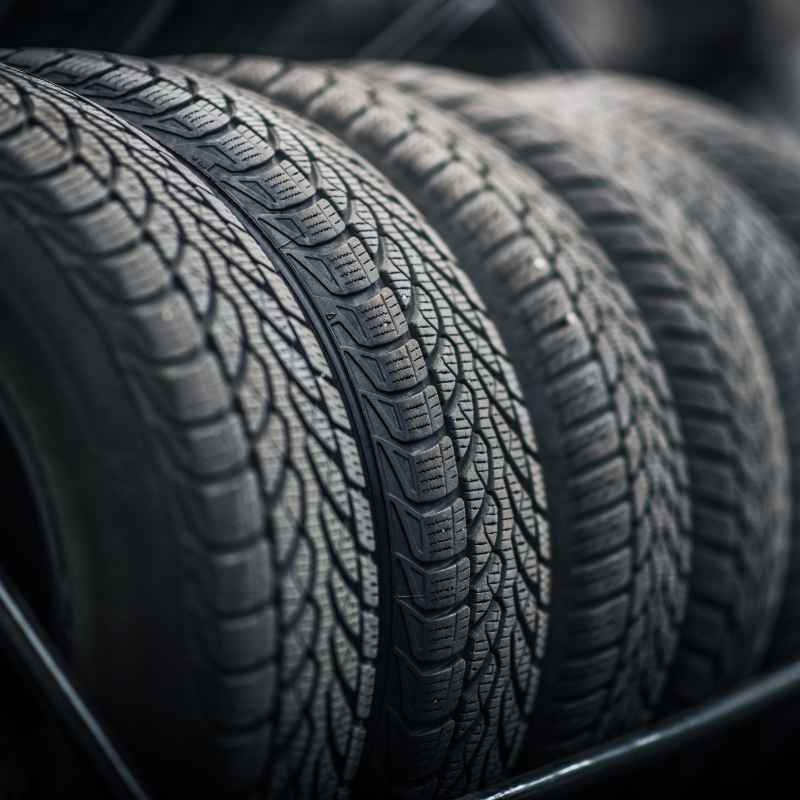
The average lifespan of a car tire falls between 6 years and 50,000 miles. According to the National Highway Traffic Safety Administration (NHTSA), tires older than 6 years should be inspected annually, and all tires must be replaced 10 years after the manufacture date, regardless of tread depth.
Consumer Reports data shows that many all-season tires achieve 60,000 miles or more, while high-performance tires often wear out closer to 30,000 miles. The wide range explains why you cannot rely solely on mileage or age alone. You must track both the calendar age of the tire and the remaining tread depth.
Tire aging is a chemical process. Rubber compounds harden over time due to oxidation and heat cycles. This leads to reduced flexibility, cracking, and a higher risk of belt separation.
A tire with plenty of tread can still be dangerous if the rubber has become brittle from age.
- Most passenger tires last 40,000 to 60,000 miles under normal driving conditions.
- Manufacturers like Michelin and Bridgestone often warranty tires for 60,000 to 80,000 miles.
- Heat, UV exposure, and underinflation significantly shorten tire lifespan.
- Rotating tires every 5,000 to 7,000 miles helps maximize tread life.
- Parking indoors or using tire shades can slow down rubber degradation.
What Is the 6/32 Rule for Tire Replacement?
The 6/32 rule is a safety benchmark recommended by tire experts for replacing tires earlier than the legal limit. At 6/32 of an inch of tread depth, your tire still has adequate grip, but you should start planning for replacement soon. Once the tread drops below 6/32, stopping distances on wet roads increase significantly.
Many drivers wait until tires hit the legal minimum of 2/32, but this is a major safety risk. The Rubber Manufacturers Association (RMA) strongly advises replacing tires at 4/32 for wet conditions and 6/32 for winter or snow driving. The deeper tread channels water away from the contact patch, preventing hydroplaning.
Using the 6/32 rule gives you a buffer zone. You can shop for deals on new tires without the pressure of driving on bald rubber. Think of 6/32 as the yellow warning light for your tires, not the red stop sign.
| Tread Depth | Status | Recommended Action |
|---|---|---|
| 8/32 to 10/32 | Excellent | No action needed. Tires are new or very young. |
| 6/32 to 7/32 | Good | Monitor regularly. Start planning for replacement. |
| 4/32 to 5/32 | Replace Soon | Replace before next rainy season or winter. |
| 2/32 or less | Replace Immediately | Tires are legally worn out and unsafe. |
This table shows why the 6/32 rule is a smart standard. Waiting until 2/32 puts you at the mercy of the legal minimum, which prioritizes bare functionality over your safety.
What Factors Affect How Long Tires Last?
No single factor determines tire lifespan. The interplay between climate, driving style, road conditions, and maintenance creates a unique wear pattern for every driver. Understanding these variables helps you predict when your tires will need replacement.
Climate is one of the biggest accelerators of tire aging. Heat speeds up the chemical breakdown of rubber compounds. In states like Arizona or Texas, tires often reach the 6-year age limit long before they wear out the tread.
UV radiation from sunlight also causes sidewall cracking, known as dry rot.
Driving habits matter just as much. Aggressive acceleration, hard braking, and fast cornering scrub rubber off the tread quickly. A driver who takes turns gently and brakes smoothly will see significantly more miles from a set of tires compared to an aggressive driver on the same route.
- Climate and Temperature: High heat accelerates rubber oxidation, while cold weather can make brittle tires more prone to cracking.
- Driving Style: Aggressive driving increases tread wear by up to 30% compared to smooth driving.
- Road Conditions: Rough, pothole-ridden roads cause uneven wear and internal belt damage.
- Tire Maintenance: Underinflation increases heat buildup and wears the outer edges faster. Overinflation wears the center tread.
- Vehicle Alignment: Misaligned wheels cause feathering and cupping, drastically shortening tire life.
A study by the Tire Industry Association found that 85% of drivers fail to check tire pressure monthly, leading to premature wear. Proper inflation alone can extend tire life by 10,000 miles or more. Regular rotations and wheel alignments are equally critical for maximizing your investment.
How to Check Your Tire Tread Depth at Home
Checking tread depth at home is quick and requires no special tools. The most popular method is the penny test, but using a quarter or a tread depth gauge gives you more accurate results. Do this test at least once a month to track wear progression.
The penny test is simple. Insert a penny into the tread groove with Lincoln’s head pointing down toward the tire. If you can see the top of Lincoln’s head, your tread is below 2/32 and you need new tires immediately.
This test tells you if you have hit the legal limit, but it does not warn you early enough for safe planning.
A better method is the quarter test. Use a quarter with George Washington’s head pointing down. If the top of his head is visible, your tread is below 4/32, meaning you should replace your tires soon.
The quarter test aligns directly with the 6/32 safety rule by giving you a more conservative warning.
| Test Method | Coin Used | Pass/Fail Threshold |
|---|---|---|
| Penny Test | Penny (Lincoln head) | Fail at < 2/32 inch |
| Quarter Test | Quarter (Washington head) | Fail at < 4/32 inch |
| Tread Wear Indicator | Built-in tire bar | Fail at 2/32 when flush |
Use the quarter test as your primary home method. It gives you a full 2/32 of extra warning compared to the penny test, helping you stay ahead of the 6/32 safety recommendation.
What Does the 10-Year Rule Mean for Tire Lifespan?
The 10-year rule is the absolute maximum lifespan for any tire. No tire, regardless of how well it was maintained or how much tread remains, is safe to use beyond 10 years from its manufacture date. This rule is endorsed by every major tire manufacturer, including Michelin, Goodyear, and Bridgestone.
After a decade, the rubber compound has undergone significant oxidation. The tire becomes hard, brittle, and loses its ability to grip the road properly. Internal components like steel belts and polyester cords also degrade over time, increasing the risk of sudden tread separation or blowouts.
The 10-year rule applies to spare tires as well. Many drivers overlook the spare tire in the trunk. A full-size spare that has never touched the road is still subject to chemical aging and should be replaced after 10 years.
Donut spares have a shorter recommended lifespan, usually around 6 to 8 years.
Warning: Never drive on a tire that is more than 10 years old, even if it looks fine. The internal structure may be compromised, leading to a sudden failure at highway speeds.
Always check the DOT code on your tire sidewall to confirm the manufacture date. If the four-digit code indicates a date more than 10 years in the past, replace the tire immediately regardless of tread condition.
How to Find the Tire Date Code (DOT Number)
Finding the manufacture date of your tires is critical for determining how long are car tires good for. The U.S. Department of Transportation (DOT) requires every tire sold in America to have a DOT code stamped on the sidewall.
This code contains a four-digit number that tells you the exact week and year the tire was made.
Look on the inner or outer sidewall of your tire for a series of letters and numbers starting with “DOT”. The last four digits of this sequence represent the manufacture date. For example, a code ending in “3521” means the tire was built in the 35th week of the year 2021.
If your tire only has a three-digit DOT code, that means it was manufactured before the year 2000. Those tires are far beyond any safe service life and must be replaced immediately. All modern tires have a four-digit code for easy date identification.
- DOT code is stamped on both sidewalls of the tire, not just one side.
- The first two digits of the four-digit date code represent the week of manufacture (01 to 52).
- The last two digits represent the year of manufacture (e.g., 21 = 2021, 23 = 2023).
- A code like “DOT M5H3 4522” means the tire was made in the 45th week of 2022.
- Check the spare tire too, as it also has a DOT date code.
Tip: Take a photo of your tire’s DOT code with your phone. Save the date in your calendar for a reminder 6 years from that manufacture date. This simple habit prevents accidentally driving on expired tires.
When Should You Replace Tires Based on Age vs. Mileage?
Balancing age and mileage is the most accurate way to determine replacement timing. Some tires wear out from miles before they age out, while others dry rot before the tread disappears. The replacement trigger is whichever condition you hit first.
For example, a high-mileage commuter may wear a set of tires down to 4/32 in only 3 or 4 years. In this case, mileage is the deciding factor. On the other hand, a retired driver who parks in a hot garage may have tires with 7/32 tread after 8 years, yet the age makes them unsafe.
The table below helps you decide based on your specific driving profile. Identify which category fits your situation and follow the recommended action.
| Condition | Age | Mileage | Action |
|---|---|---|---|
| High Wear | Under 6 years | Below 4/32 | Replace due to tread wear |
| Moderate Wear | 6 to 8 years | 5/32 to 6/32 | Replace soon (watch for dry rot) |
| Aged Out | 10+ years | Any tread depth | Replace immediately |
| Low Mileage | 6 to 9 years | 8/32 or more | Annual inspection required |
This approach ensures you never rely on a single metric. A 7-year-old tire with 8/32 tread may look safe, but internal aging makes it a liability. Replace based on whichever threshold arrives first.
Common Signs Your Tires Need Replacing Immediately
Beyond tread depth and manufacture date, physical signs of tire failure can appear suddenly. Recognizing these warning signs can prevent blowouts and loss of vehicle control. Perform a visual inspection of your tires at least once a month and before any long trip.
- Sidewall cracking or bulging: Cracks indicate dry rot, while bulges signal internal belt separation. Both require immediate replacement.
- Vibration while driving: Persistent vibration may indicate a separated belt or internal tire damage that cannot be repaired.
- Uneven tread wear: Wear on one edge or in a scalloped pattern points to alignment or suspension issues that shorten tire life.
- Frequent air loss: A tire that loses pressure every few days likely has a puncture or bead leak that may not be repairable.
- Visible cord or ply: If you see fabric or steel cords through the rubber, the tire has failed structurally and must be replaced immediately.
- Age-related hardening: If the rubber feels hard and slippery to the touch, the compound has lost its grip characteristics.
- Excessive road noise: Loud humming or droning noises often indicate advanced wear patterns or belt separation.
If you spot any of these signs, do not wait for a scheduled replacement. Drive directly to a tire shop. Driving on a compromised tire risks a sudden failure at high speed, which can lead to a serious accident.

Frequently Asked Questions
Can tires last 10 years?
Tires can physically last 10 years, but they should not be used after that point. The 10-year mark is the absolute maximum lifespan recommended by manufacturers. After 10 years, rubber degradation and internal corrosion make the tire unsafe, even if it has never been driven.
Is a 7-year-old tire safe?
A 7-year-old tire is borderline. Most tire manufacturers recommend replacing tires at 6 years, but some allow up to 10 years with annual inspections. If a 7-year-old tire shows any signs of cracking or hardening, replace it immediately.
If it is in excellent condition, have a professional inspect it before highway use.
How many miles do most tires last?
Most all-season passenger tires last between 40,000 and 60,000 miles. Premium touring tires from brands like Michelin and Continental often achieve 70,000 to 80,000 miles with proper maintenance. High-performance tires typically last only 20,000 to 30,000 miles due to softer rubber compounds.
Do tires expire if not used?
Yes, tires expire even if they are never mounted on a vehicle. Rubber compounds oxidize over time, regardless of use. The chemical aging process continues during storage.
An unused tire that is 10 years old is just as unsafe as a used tire of the same age.
How do I know if my tires are dry rotted?
Dry rot appears as small cracks or fissures on the tire sidewall or in the tread grooves. The rubber may look faded or feel stiff and brittle. If you see any cracking between the tread blocks or along the sidewall, the tire is compromised and should be replaced.
Final Thoughts
Knowing how long are car tires good for comes down to two simple checks: the tread depth and the manufacture date. Replace tires when they reach 4/32 of an inch for safety, and never drive on tires older than 6 years without a professional inspection. By following the 6/32 rule and tracking your tire age, you will maximize your safety and avoid premature tire failure on the road.
Products related to this article
Sponsored / affiliate links. As an Amazon Associate I earn from qualifying purchases. I may earn additional commission from eligible campaigns.