Car Tire Replacement Near Me: How to Find the Best Deal
Finding the best deal on car tire replacement is more than just a search for the lowest price—it’s a balance of safety, value, convenience, and service quality. With countless options available, from national chains to local shops, the task can feel overwhelming.
Yet, making the right choice can not only save you money but also ensure your vehicle’s optimal performance and your safety on the road.
This guide walks you through everything you need to know about car tire replacement near me—from identifying when you need new tires, to comparing local options, and leveraging online tools for the best deals. Whether you’re an experienced driver or a first-time car owner, you’ll learn how to navigate the process efficiently, avoid common pitfalls, and make an informed, cost-effective decision.
Key Takeaways
- Tire condition directly impacts safety and fuel efficiency—knowing when to replace is crucial.
- Local vs. national shops offer varying price, service, and warranty structures; comparing them is essential.
- Online tools and reviews can help you identify the best deals and most reputable providers near you.
- Consider total cost (including mounting, balancing, and warranties), not just the tire price.
- Regular tire maintenance extends lifespan and reduces overall replacement costs.
- Seasonal promotions and manufacturer rebates can significantly lower your expenses.
Understanding When And Why You Need Tire Replacement
Recognizing The Signs Of Worn Tires
Timely tire replacement is critical for driving safety. The National Highway Traffic Safety Administration (NHTSA) reports that tire-related crashes cause approximately 600 fatalities annually in the US. Key indicators your tires need replacement include:
- Tread depth below 2/32 of an inch (the legal minimum in most states)
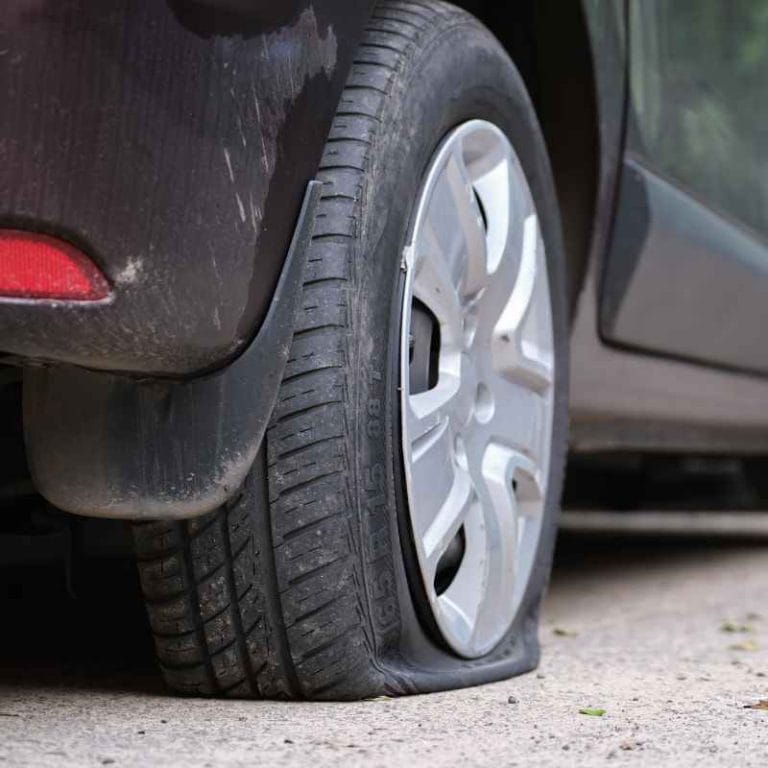
- Visible cracks, bulges, or sidewall damage
- Vibration or thumping while driving
- Uneven tread wear
Use the penny test: Insert a penny with Lincoln’s head upside down into the tread. If you see all of Lincoln’s head, your tread is too low.
Tires can also age and degrade even if they haven’t been driven much. Exposure to sunlight, ozone, and fluctuating temperatures can cause the rubber to harden, crack, or lose elasticity. If your tires are over six years old—even with adequate tread—they may be unsafe.
Additionally, if you’ve experienced repeated flats or slow leaks, it’s a sign the tire structure may be compromised.
Keep an eye out for warning signs from your vehicle’s Tire Pressure Monitoring System (TPMS). If the TPMS light is persistently on, it could indicate a slow leak or more extensive damage that warrants a thorough inspection and possible replacement.
How Tire Condition Impacts Safety And Performance
Worn tires reduce traction, especially on wet or icy roads, increasing the risk of hydroplaning. They can also negatively impact braking distance, fuel economy, and ride comfort. According to the NHTSA, properly maintained tires can improve gas mileage by up to 3%.
Tire condition directly influences your car’s handling, cornering ability, and overall stability. For example, even if only one tire is significantly worn or damaged, your vehicle may pull to one side, vibrate at high speeds, or require more distance to stop safely—particularly hazardous in emergency situations.
In addition, underinflated or overinflated tires can wear unevenly, reducing their effective lifespan and performance. Underinflation increases rolling resistance, further decreasing fuel efficiency and increasing the risk of blowouts. Conversely, overinflation can lead to reduced grip and a harsher ride.
Manufacturer Recommendations And Tire Lifespan
Most manufacturers recommend replacing tires every six years, regardless of tread wear, due to rubber degradation. However, heavy use, harsh conditions, or improper maintenance can shorten this timeframe. Always consult your vehicle’s owner manual for specific guidance.
Tires also have a DOT code on the sidewall indicating their date of manufacture. If your tires are approaching ten years of age, replacement is recommended even if they appear visually sound. Frequent inspections at every oil change or service interval can help catch early signs of aging.
Climate and driving habits also play a role. For instance, frequent driving on rough roads, exposure to extreme heat or cold, or aggressive driving styles can all accelerate tire wear. If you routinely drive in demanding conditions, check your tires more frequently.
Case Example: Neglecting Tire Replacement
Consider the case of Mark, a driver in Ohio who postponed tire replacement despite noticeable wear. During a rainy commute, he lost control of his car due to insufficient tread, resulting in a fender-bender. The repair costs far exceeded what he would have paid for timely tire replacement, underscoring the importance of proactive maintenance.
Mark’s experience is unfortunately common. Insurance claims data show that inadequate tire maintenance is a leading cause of loss-of-control accidents, especially in wet conditions. Had Mark prioritized regular inspections and timely replacement, he could have avoided both the accident and the subsequent higher insurance premiums.

Credit: www.brunswickautomart.com
Comparing Tire Replacement Options Near You
Local Independent Shops Vs. National Chains
When searching for “car tire replacement near me,” you’ll encounter both local shops and national retailers. Each has distinct advantages:
- Local shops: Often provide personalized service, flexible pricing, and community reputation.
- National chains: Offer standardized pricing, national warranties, and broader selection.
Local shops may also offer unique perks, such as complimentary flat repairs, custom tire and wheel packages, or support for local charities and events. These shops tend to build long-term relationships with customers and are often more accommodating to special requests or urgent needs.
National chains, such as Discount Tire, Firestone Complete Auto Care, and Walmart Auto Center, provide consistency across locations and often have the buying power to secure lower prices on popular brands. Their national warranties are especially beneficial if you travel frequently or relocate, as you can receive service at any branch nationwide.
Comparison Table: Local Vs. National Tire Shops
| Criteria | Local Shops | National Chains |
|---|---|---|
| Price | Often negotiable, may be lower for basic brands | Standardized, frequent promotions/rebates |
| Selection | Varies; may focus on popular brands | Extensive, including all major brands |
| Warranties | Usually limited to local service | Nationwide coverage |
| Convenience | Flexible scheduling, faster turnaround | Online booking, multiple locations |
| Customer Service | Personalized, local reputation | Consistent corporate standards |
Dealerships And Specialty Tire Centers
Dealership service centers typically carry OEM-recommended tires and offer brand expertise, but often at a premium price. Specialty tire shops may provide advanced services (alignment, balancing) and specialty products (performance or off-road tires).
Dealerships are a good choice for newer vehicles still under warranty, high-end or performance models, or when you want to ensure exact OEM specification. They may offer extended warranties or include tire replacement as part of a service package. However, their labor rates and parts markups are often higher compared to independent or chain shops.
Specialty tire centers excel in providing expert advice for unique needs—whether it’s run-flat tires for a BMW, extra load-rated tires for a van, or high-performance summer tires for a sports car. They can recommend the best options for your vehicle and driving style and may have access to niche brands not found at big-box retailers.
Mobile Tire Replacement Services
Emerging mobile services, such as Tire Rack Mobile Installation or Wrench, bring tire replacement to your location—home or work—offering unmatched convenience, though sometimes at a higher cost.
Mobile installers are an ideal solution for busy professionals, parents, or anyone who prefers not to spend time waiting at a shop. The installer arrives with all necessary equipment and can often complete the job in your driveway or parking lot.
While service fees may be slightly higher, you save time and avoid the hassle of arranging transportation during the appointment.
Some mobile services also offer roadside assistance, emergency flat repairs, or even tire storage solutions for seasonal changes, adding further value for urban and suburban customers.
Real-world Example: Comparing Three Local Options
After noticing excessive tread wear, Lisa compared prices at a local independent shop, a national chain, and a dealership. The local shop quoted $420 for four all-season tires, the national chain $465 (including free rotations), and the dealership $540. Lisa chose the national chain for the included services and warranty, highlighting the value of comparing total offerings, not just sticker price.
Lisa’s experience also demonstrates the importance of factoring in long-term service perks. The national chain’s offer of free rotations every 6,000 miles provided a tangible benefit over the lower upfront price, ultimately saving her money and time over the life of the tires.
Credit: www.stiversfordofmontgomery.com
How To Find The Best Tire Deals Near You
Leveraging Online Tools And Apps
Numerous platforms help you compare prices, reviews, and services:
- Google Maps: Search “car tire replacement near me” for ratings, reviews, and proximity.
- Yelp: Offers customer insights and photos.
- TireBuyer, Discount Tire, and SimpleTire: Compare brands, prices, and schedule installation.
- Costco Tire Center: Known for competitive pricing and extended warranties.
These platforms allow you to filter by distance, price, and customer ratings, making it easier to identify top-rated providers. Many online retailers also display real-time inventory, estimated installation times, and detailed warranty information—helping you avoid surprises at the shop.
Some apps, such as Openbay or RepairPal, aggregate quotes from multiple shops and allow you to book appointments directly. Others, like the Tire Rack “Installers Near Me” tool, show certified installers in your area, complete with reviews and service menus.
Using Manufacturer And Retailer Rebates
Manufacturers like Michelin, Goodyear, and Bridgestone frequently offer rebates of $50–$100 per set. Retailers may stack additional discounts during seasonal promotions (e.g., Memorial Day sales).
When searching for deals, check both manufacturer and retailer websites. Some shops will even handle the rebate paperwork for you, making the process virtually seamless. Remember to read the fine print—rebates often require you to submit proof of purchase within a certain timeframe, and payment may come in the form of a prepaid card rather than cash.
Checking For Seasonal And Holiday Specials
Late fall and early spring often feature the deepest discounts, as retailers clear inventory for winter or summer products. Signing up for shop newsletters can provide early access to exclusive deals.
Don’t overlook major holidays such as Memorial Day, Labor Day, or Black Friday, which often bring substantial tire sales. Local shops may also run end-of-season specials or “buy three, get one free” offers—especially valuable for families or fleet owners replacing multiple tires at once.
Tips For Negotiating The Best Price
- Get multiple quotes: Always compare at least three providers.
- Ask about price matching: Many retailers will match or beat competitor offers.
- Inquire about bundled services: Look for free mounting, balancing, or rotations.
- Review warranty coverage: Ensure you’re comparing equal terms.
Additionally, ask if the shop offers discounts for AAA members, military, students, or seniors. Some shops will provide loyalty points, referral bonuses, or seasonal coupons for repeat customers. If you’re purchasing more than one set (for example, both winter and summer tires), ask about package deals or free storage for off-season tires.
Case Study: Saving With Combined Offers
John needed four new tires for his SUV. By combining a $70 manufacturer rebate with a $40 retailer gift card offer, he saved $110 off the listed price at a local national chain, plus received free rotations for the life of the tires.
John’s diligence in researching and stacking offers demonstrates the value of patience and timing. In some cases, waiting a few weeks for an upcoming promotion or holiday sale can result in significant additional savings.
Credit: www.fiveseasonstire.com
What To Look For In A Tire Replacement Service
Certification And Experience
Look for shops with certified technicians (e.g., ASE Certification) and positive, long-term reputation in your community. Experience matters, especially for specialty vehicles.
ASE-certified technicians are trained to handle modern tire pressure monitoring systems, run-flat tires, and advanced alignment procedures. For hybrid, electric, or luxury vehicles, specialized knowledge is essential to avoid damaging sensitive components during tire service.
Warranty And Service Guarantees
A strong warranty can save money over the tire’s lifespan. Typical coverage includes:
- Road hazard protection
- Free rotations and balancing
- Nationwide warranties
Ask for details about what each warranty covers and for how long. Road hazard warranties, for example, may cover repairs or replacement due to punctures, potholes, or other road debris—valuable protection given the prevalence of road hazards in many regions.
Some shops also offer satisfaction guarantees, allowing you to exchange tires within 30–60 days if you’re not satisfied with their performance.
Facility And Equipment Quality
Shops equipped with modern balancing and alignment machines provide more precise service and reduce the risk of wheel damage.
Look for clean, well-maintained facilities—a sign of professionalism and attention to detail. Ask if the shop uses touchless mounting equipment (to prevent rim scratches), laser balancing, or computerized alignment tools. These technologies can improve installation accuracy and ultimately extend tire life.
Customer Reviews And Reputation
Consult platforms like Google Reviews and Better Business Bureau for feedback on service quality, wait times, and overall satisfaction. Consistently positive reviews are a strong indicator of reliability.
Look for recurring themes in reviews: are customers consistently satisfied with turnaround time, staff professionalism, and the accuracy of quotes? Negative patterns, such as upselling or poor communication, are red flags.
Example: Choosing Between Two Highly-rated Shops
Maria compared two local shops: one had slightly lower prices but mixed reviews about long wait times, while the other cost $30 more but boasted near-perfect ratings for service quality. She chose the latter, prioritizing peace of mind over minor cost differences.
Maria’s decision reflects the value of investing in a hassle-free experience, especially when dealing with something as critical as tire safety. A shop with prompt, courteous staff and a reputation for standing behind its work is often worth a modest premium.
Understanding The True Cost Of Tire Replacement
Breaking Down The Total Price
Tire replacement costs encompass more than just the tires themselves. Key components include:
- Tire cost: Varies by brand, size, and type.
- Mounting and balancing: $15–$50 per tire.
- Disposal fees: $1–$5 per tire.
- Alignment: Recommended with new tires, $75–$150.
- Taxes and shop fees
Sample Cost Table: Mid-size Sedan Tire Replacement
| Item | Typical Cost (Per Tire) | Total (4 Tires) |
|---|---|---|
| All-Season Tire | $100–$160 | $400–$640 |
| Mount & Balance | $20 | $80 |
| Disposal Fee | $3 | $12 |
| Alignment | N/A | $100 (if needed) |
| Total | $492–$832 |
Regional differences can also affect pricing. Urban areas may have higher labor rates and shop fees, while rural regions may offer lower prices but fewer options.
Add-on Services And Hidden Fees
Some shops advertise low tire prices but add fees for required services. Always request a written quote that includes all mandatory charges.
Common add-ons include valve stem replacements, tire pressure sensor resets, environmental fees, and extended warranties. Before agreeing to service, ask for a complete breakdown and clarification on which items are optional or required.
Value Of Rotations And Alignments
Many tire shops include free rotations to promote even wear and maximize tire lifespan. Proper alignment extends tire life and improves handling, making it a wise investment during replacement.
Failing to rotate or align your tires can void some warranties and lead to premature wear—costing you more in the long run. While alignment is sometimes optional, it is highly recommended if you notice uneven tread wear or if your steering pulls to one side.
Manufacturer Vs. Store Warranties
Manufacturer warranties typically cover defects, while store warranties may include road hazard protection and free services. Compare these carefully to understand what’s truly covered.
Manufacturer warranties are usually pro-rated, meaning your coverage decreases as the tire wears. Store warranties, on the other hand, may cover a wider range of issues, such as flats, cuts, or blowouts, and offer perks like free inspections or rotations.
Example: Calculating The Cost Difference
Sam chose a budget tire at $90 each from one shop, but after adding mounting, balancing, and a road hazard warranty, the total came to $580. A competitor offered a premium tire at $120 each with all services included for $520—demonstrating that the lowest sticker price is not always the best deal.
Sam’s example highlights the importance of transparency and factoring in the “all-in” cost. Always compare itemized quotes to ensure you’re getting the best value—not just the lowest starting price.
The Role Of Tire Brands And Types In Replacement Decisions
Major Tire Brands Compared
Popular brands like Michelin, Goodyear, Continental, Pirelli, and Bridgestone are renowned for quality and reliability. However, mid-tier and private-label brands (e.g., Falken, Kumho, Hankook) can offer excellent value for budget-conscious shoppers.
Premium brands often invest more in research, advanced compounds, and tread designs—resulting in longer tread life, better wet/dry performance, and quieter rides. However, mid-tier brands have made significant advancements and now offer competitive warranties and performance, making them an attractive choice for many drivers.
Brand Comparison Table
| Brand | Average Price (All-Season) | Warranty (Miles) | Key Strengths |
|---|---|---|---|
| Michelin | $130–$200 | 60,000–80,000 | Longevity, ride comfort |
| Goodyear | $110–$180 | 55,000–75,000 | All-season performance |
| Continental | $120–$185 | 60,000–70,000 | Wet traction, safety |
| Falken | $95–$140 | 50,000–65,000 | Affordability, all-weather |
| Hankook | $90–$135 | 45,000–70,000 | Value, warranty coverage |
Choosing The Right Tire Type
- All-season: Best for most US drivers; balances performance, longevity, and price.
- Performance: Enhanced grip and handling, often at higher cost.
- Winter/snow: Required for cold climates; improved traction in snow/ice.
- All-terrain/off-road: For trucks and SUVs in rugged conditions.
Ultra-high-performance (UHP) tires are designed for sports cars and enthusiasts and provide maximum grip at the expense of tread life and comfort. Touring tires offer quiet, smooth rides with long tread life for commuters or families. Light truck and SUV tires are built for higher load ratings and may include features like reinforced sidewalls for towing.
Always select tires that match your driving habits, climate, and vehicle requirements. For detailed guidance, consult your owner’s manual and resources like the Tire Rack Tire Tech.
Oem Vs. Aftermarket Tires
Original Equipment Manufacturer (OEM) tires are designed for your car’s specifications, but aftermarket options can offer better value or performance. Compare tread life, warranty, and cost before deciding.
Some drivers prefer to stick with OEM for consistency, while others seek upgrades in handling, comfort, or fuel efficiency. It’s important to match load index and speed rating to your vehicle’s requirements to avoid compromising safety.
Example: All-season Vs. Winter Tires
A driver in Minneapolis switched from all-season to dedicated winter tires for the cold months, resulting in markedly improved control and shorter stopping distances. Though this required an upfront investment, the safety and performance benefits were significant.
Data from the Rubber Manufacturers Association shows that winter tires can reduce stopping distances on snow and ice by up to 30% compared to all-seasons, making them a wise investment for drivers in northern climates.
Maximizing Tire Life And Getting The Most From Your Investment
Importance Of Regular Maintenance
Proper maintenance can extend tire life by 20–40%. Key habits include:
- Checking air pressure monthly
- Rotating tires every 5,000–8,000 miles
- Balancing and aligning annually
- Inspecting for cuts, bulges, or punctures
Underinflation is the number one cause of premature tire wear and blowouts. Use a quality gauge and check pressures when tires are cold. Don’t rely solely on TPMS alerts, as they often trigger only at significant underinflation.
Regular rotations help ensure even tread wear, especially on front-wheel-drive and all-wheel-drive vehicles where wear patterns can differ significantly. Balancing and alignment correct for vibration and prevent uneven wear, improving both safety and comfort.
According to the Consumer Reports Tire Buying Guide, regular rotations and alignment checks are among the most cost-effective ways to extend tire life.
Keeping Records
Track service intervals and maintain receipts to uphold warranty coverage and maximize resale value.
Many tire warranties require proof of regular rotation and maintenance for claims. Keeping detailed records also helps you plan future replacements and budget effectively.
Seasonal Tire Storage
If you use separate winter and summer tires, store off-season tires in a cool, dry location, ideally in bags or covers, to prevent premature aging.
Stack tires horizontally if they’re off the rims, and vertically if mounted. Avoid exposure to direct sunlight, ozone sources (like electric motors), or chemicals. Some tire shops offer storage services for a fee—convenient for apartment dwellers or those with limited space.
Monitoring For Recalls
Periodically check for safety recalls via the NHTSA Recalls Database. Recalled tires are replaced or repaired at no cost.
Recalls may involve manufacturing defects, sidewall separations, or tread delamination. Register your tires with the manufacturer to receive direct notifications of any future recalls.
Example: The Impact Of Maintenance On Tire Longevity
A fleet manager at a delivery company extended average tire life from 45,000 to 60,000 miles across 20 vehicles by implementing a strict rotation and inflation schedule—saving thousands annually on replacement costs.
This example illustrates that small habits, multiplied across a fleet or even a family’s vehicles, lead to substantial savings and improved safety outcomes.
Environmental And Legal Considerations In Tire Replacement
Tire Disposal And Recycling
Improper disposal is illegal in many states and environmentally harmful. Most reputable shops include disposal fees in their quotes and partner with certified recyclers.
According to the EPA, over 300 million used tires are discarded annually in the US. Recycled tires are repurposed for playground surfaces, construction, and fuel.
It’s important to ask your shop about their recycling process. Some organizations, like Liberty Tire Recycling, turn scrap tires into rubber mulch, athletic surfaces, or even new tire materials. By ensuring your old tires are properly recycled, you’re helping reduce landfill waste and support sustainable practices.
Legal Minimum Tread Depth
Most states mandate a minimum tread depth of 2/32 inch. Driving on bald tires can lead to fines and increased liability in accidents.
Law enforcement officers may use a tread depth gauge during traffic stops or inspections. If your tires fail the test, you could be cited and required to replace them immediately.
Tire Age Laws
A few states regulate maximum tire age (often 6–10 years). Always check both tread and date code (DOT number) when replacing tires.
Even if your tread is adequate, aged tires can become brittle and unsafe. Some insurance policies may deny claims if an accident is caused by tires that exceed the legal age limit, making regular inspection and timely replacement essential.
Choosing Eco-friendly Tires
Low rolling resistance and eco-focused tire designs can reduce fuel consumption by up to 4%. Look for the Energy Saver label and consult guides from the U.S. Department of Energy.
Eco-friendly tires use advanced rubber compounds and tread patterns to minimize energy loss. While the initial cost may be slightly higher, the fuel savings over the tire’s life can offset the premium and reduce your vehicle’s carbon footprint.
Example: Responsible Tire Disposal
After a tire replacement, Greg asked his shop to confirm recycling practices. The shop provided documentation of certified recycling, ensuring compliance with local laws and responsible environmental stewardship.
Greg’s approach is a best practice for environmentally conscious consumers. By choosing shops committed to sustainable disposal, you contribute to community health and environmental preservation.
Frequently Asked Questions
What’s The Average Cost To Replace Four Tires?
The average cost for four new all-season tires, including installation, ranges from $500 to $900, depending on vehicle type, brand, and region. Additional services like alignment or premium brands can increase this cost.
How Do I Know Which Tire Size To Buy?
Check your vehicle’s owner manual or the placard inside the driver’s door for recommended tire size. You can also reference your current tires’ sidewall markings (e.g., P225/65R17). Online tools from sites like Tire Rack can help match your vehicle to the correct size.
Are Online Tire Purchases A Good Option?
Buying tires online can save money and provide a wide selection. Most sites allow you to ship tires directly to a local installer. However, ensure you factor in shipping, installation fees, and warranty coverage when comparing to local shops.
Online purchases are ideal for those seeking specific brands, performance tires, or hard-to-find sizes. However, always confirm installation arrangements before buying, as not all shops accept third-party tire shipments.
How Long Does Tire Replacement Take?
A typical tire replacement appointment takes 45–90 minutes for four tires, including mounting, balancing, and disposal. Busy shops or complex vehicles may take longer—always schedule ahead for fastest service.
Some shops offer express service lanes or online check-in to minimize your wait. If you’re combining tire replacement with other maintenance, such as oil changes or brake service, allow extra time.
Can I Replace Just One Or Two Tires At A Time?
While you can replace a single tire in emergencies, it’s best to replace tires in pairs (both front or both rear) to maintain balanced handling. For all-wheel drive vehicles, matching all four tires is often required to prevent drivetrain damage.
Mixing tires of different brands, tread patterns, or wear levels can compromise safety, especially in challenging road conditions. Whenever possible, replace all four tires together and keep them evenly maintained.
When it comes to car tire replacement near you, knowledge is your most valuable tool. By understanding when and why to replace tires, how to compare local options, and what factors influence total cost, you can make a smart, informed decision. Use online resources, check for rebates, and don’t hesitate to ask questions—your safety and wallet depend on it. With the right approach, you’ll enjoy a smoother, safer ride and maximize every dollar spent on your vehicle’s most critical contact with the road.
Products related to this article
Sponsored / affiliate links. As an Amazon Associate I earn from qualifying purchases. I may earn additional commission from eligible campaigns.