Car Light Not Working With New Bulb? Here’S What To Check
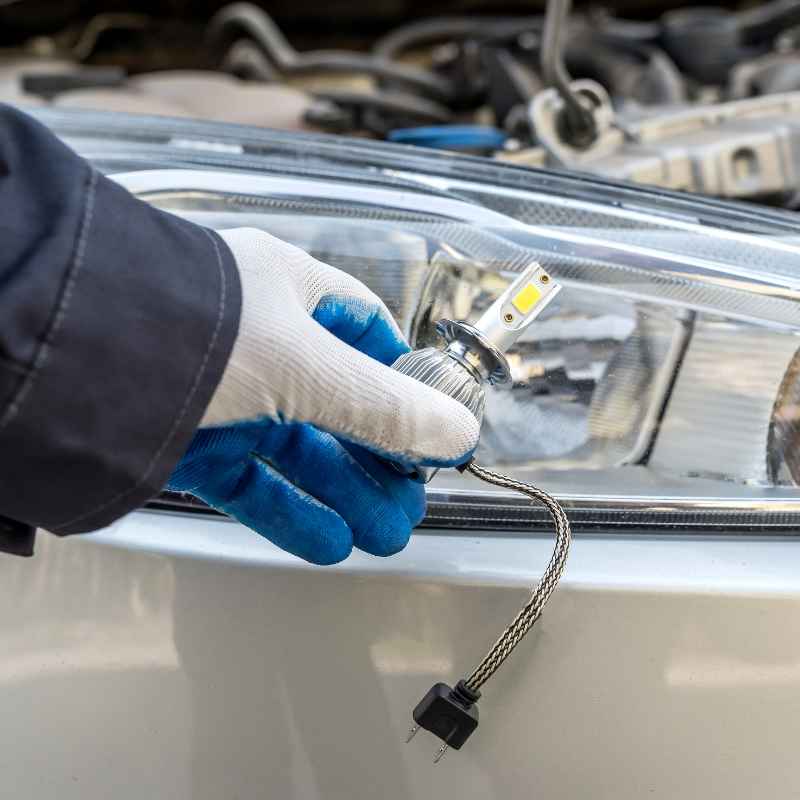
It’s super frustrating when a car light just won’t turn on. You swap out the old bulb for a brand new one, sure it’s fixed, but nope. The light stays stubbornly dark.
This is a common problem, and it can leave you scratching your head. If it is specifically your license plate light, the fix list is a bit different. Let’s dive into why this happens and what you can do about it.
If your car’s light isn’t working after replacing the bulb, the issue often lies beyond the bulb itself. Common culprits include problems with the bulb socket, wiring, fuses, or even the light switch. Simple checks can often pinpoint and resolve the issue without needing a mechanic.
Why Your New Bulb Isn’t Lighting Up
So, you put in a shiny new bulb, and still, nothing. Why is this happening? It’s usually not the bulb’s fault.

FIBRAVE
Rechargeable Work Light for Mechanic, Christmas Dad…
- Durable Construction & Compact Design: Crafted from high-quality hard rubber, anti-sweat and anti-slip, the grooved handle ensures…
- 5 Practical Lighting Modes & Rechargeable: Bright LEDs provide 1200 Lumens white light (comparable to standard workshop lights), f…
- Adjustable Positioning Options: Whether you're working on car repairs, camping, or reading, this flashlight ensures your hands-fre…
As an Amazon Associate I earn from qualifying purchases.
Most of the time, the problem is with the system that powers the light. Think of it like a water pipe. If the pipe is blocked or broken, new water can’t flow through, even if the faucet itself is fine.
Several parts work together to make a car light shine. There’s the bulb, the socket it plugs into, the wires that carry power, a fuse that protects the circuit, and the switch that tells it to turn on. If any one of these parts has a problem, the light won’t work.
We’ll explore each of these common issues.
My Own Bulb Blunder: A Story
I remember one particularly chilly evening, driving home from a friend’s place. My passenger side taillight was out. Annoying, but not a huge deal yet.
The next day, I grabbed a new bulb from the auto parts store, confident I’d have it fixed in five minutes. I popped the trunk, found the taillight assembly, and wrestled the old bulb out. It looked a bit grimy, but not broken.
I slid the new bulb in, making sure it clicked. I hopped back in the car and turned on the headlights. Still dark.
I tried the brake lights. Nope. A wave of annoyance, mixed with a little panic, washed over me.
I had spent money on a new bulb, and it didn’t do a thing. “What am I missing?” I muttered to myself, staring at the dark red plastic. I even tried tapping the taillight assembly, hoping for some kind of electrical jiggle.
Nothing.
Common Car Light System Parts
Bulb: The part that makes light.
Socket: Where the bulb connects to power.
Wiring: The “veins” carrying electricity.
Fuse: A safety switch for the circuit.
Switch: The control that turns the light on.
Checking the Bulb Socket and Contacts
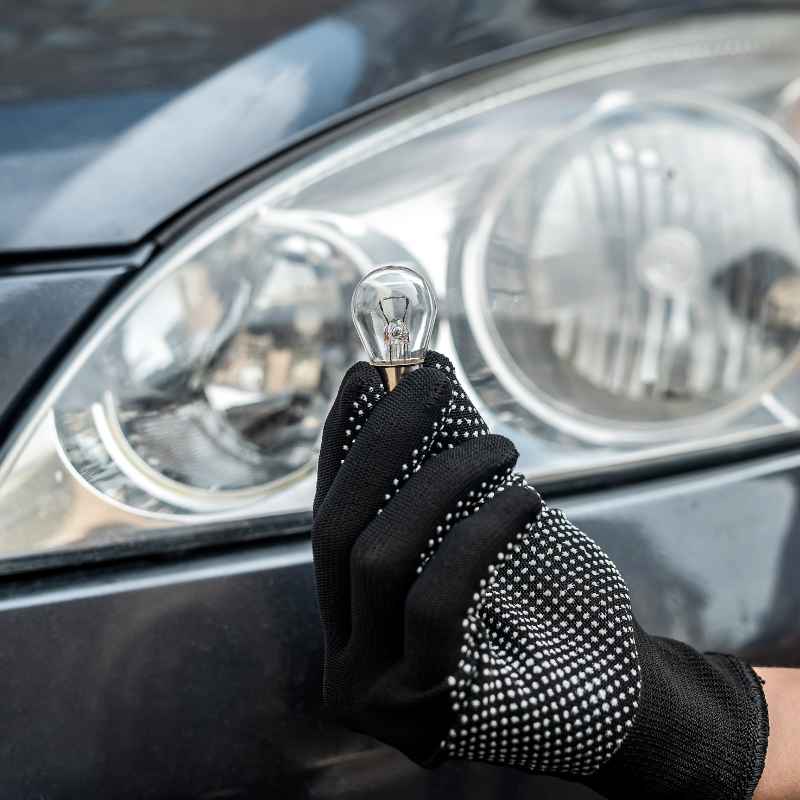
Sometimes, the new bulb isn’t making good contact. The socket is where the bulb gets its power. It has metal prongs that touch the bulb’s metal base.
If these prongs are dirty, bent, or corroded, the electricity can’t flow properly. Even a brand new bulb won’t light up if it’s not getting power.
When you pull out the old bulb, take a good look inside the socket. Do you see any rust or a greenish tint? That’s corrosion.
Are the metal tabs flattened or bent away from where the bulb sits? This is another sign of trouble. You can often clean up minor corrosion with a wire brush or even a pencil eraser.
Gently bending the tabs back towards the bulb’s position can help ensure a snug fit.
Make sure the bulb is seated all the way in the socket. Sometimes, they can feel like they’re in, but they’re not quite there. Give it a gentle wiggle and push to confirm it’s fully seated before trying the light again.
This might seem simple, but it fixes more problems than you’d think!
Socket Contact Tips
- Look for dirt or corrosion.
- Bend tabs slightly inward for a snug fit.
- Ensure bulb is fully seated.
The Silent Killer: Blown Fuses
Fuses are tiny but mighty. They are designed to blow (break) if too much electricity flows through them. This protects your car’s electrical system from damage.
If a fuse for your car light blows, the circuit is broken, and no power can reach the bulb. A new bulb won’t help if the path for electricity is cut off.
Your car has a fuse box, often located under the dashboard or in the engine bay. You need to find the fuse that controls the specific light you’re having trouble with. Your car’s owner’s manual is your best friend here.
It will have a diagram showing which fuse goes to which light. Look for a fuse labeled with the light’s function (e.g., “Tail Lights,” “Brake Lights,” “License Plate Light”).
Once you find the fuse, pull it out using a fuse puller (often found in the fuse box itself) or a pair of needle-nose pliers. Hold the fuse up to the light. You’ll see a thin metal wire running inside.
If this wire is broken or looks melted, the fuse is blown. You’ll need to
Fuse Check Steps
1. Locate fuse box: Check owner’s manual.
2. Identify correct fuse: Use the diagram.
3. Inspect fuse: Look for a broken metal wire.
4. Replace if blown: Use an identical new fuse.
It’s important to note why a fuse might blow. If a fuse blows again right after you replace it, there’s a bigger electrical problem. This could be a short circuit in the wiring or a faulty component.
In that case, you’ll need to get it checked by a professional.
Wiring Woes: The Hidden Connections
The wires in your car are like the veins and arteries of the electrical system. They carry power from the battery and switches to all the lights and components. Over time, these wires can become damaged.
They might fray, get pinched, or corrode, especially in areas exposed to moisture or heat.
If the wire leading to your light is damaged, even a new bulb and a good fuse won’t make it work. You’ll often find wiring issues near the light assembly itself, where it might be rubbing against metal. Also, check the ground wire connection.
Every light needs a good ground to complete the circuit. A loose or corroded ground wire is a very common cause of lights not working.
Finding wiring problems can be tricky. You might need to trace the wires from the light assembly back towards the fuse box or switch. Look for any signs of wear and tear.
Sometimes, a simple wiggle of the wires can make a light flicker on, indicating a loose connection that needs to be repaired or re-secured.
Wiring Inspection Checklist
- Check for frayed or broken wires.
- Look for signs of melting or burning.
- Ensure ground wire is secure and clean.
- Test for loose connections by gently wiggling wires.
The Humble Light Switch
The light switch itself is another point of failure. These switches are used all the time, and like any mechanical part, they can wear out. If the switch is faulty, it won’t send the signal to turn on the light, even if all other components are working perfectly.
This is less common than a blown fuse or socket issue, but it does happen. Sometimes, the switch might feel loose or sticky. Other times, it might seem fine but just not work.
Diagnosing a bad switch usually requires testing for voltage at the switch’s output. This often involves using a multimeter, which might be beyond a simple DIY check for some.
If you suspect the switch, and other checks don’t reveal the problem, it might be time to consult a mechanic. They can test the switch and replace it if necessary. For things like your turn signals or brake lights, a faulty switch can be a safety concern.
Switch Symptoms to Watch For
- Switch feels loose or wobbly.
- Switch sticks or is hard to move.
- Light sometimes works, sometimes doesn’t.
- Other lights on the same switch work fine.
When Is It a Bigger Problem?
Most of the time, a light not working with a new bulb is a simple fix. However, there are times when it points to a larger issue within your car’s electrical system. If you replace a fuse and it blows again immediately, that’s a red flag.
It means there’s a short circuit somewhere that needs to be found and fixed.
Another sign of a bigger problem is if multiple lights on the same circuit start failing around the same time. This could indicate a problem with the main wiring harness, a control module, or even a failing body control module (BCM). These are complex issues that require professional diagnosis.
If you’ve gone through the basic checks – socket, fuse, visible wiring – and the light still won’t come on, it’s probably time to seek expert help. A mechanic has the tools and knowledge to trace complex electrical faults and repair them safely.
Red Flags for Electrical Issues
- Fuses blowing repeatedly.
- Multiple lights failing at once.
- Smell of burning plastic or wires.
- Wires look melted or damaged.
Quick Checks You Can Do Right Now
Before you panic or head to the mechanic, let’s run through a few simple, actionable steps. These are things almost anyone can do with minimal tools.
1. Double-Check the Bulb: Did you get the exact right bulb for your car? Sometimes bulbs look similar but have different bases or wattages.
Check your owner’s manual again. Ensure the bulb is the correct type (e.g., incandescent vs. LED if you’re upgrading).
And, yes, make sure it’s seated correctly.
2. Inspect the Fuse Again: Pull the fuse out and look at it closely. Sometimes the break is very small.
If you have a spare fuse of the correct rating, try swapping it in. If the light still doesn’t work, put the old fuse back and check the next fuse on the circuit if you can identify it.
3. Check Ground Connections: For many lights, there’s a separate wire that screws or bolts to the car’s metal body. This is the ground.
Look for a wire near the light assembly that connects to metal. Is it clean? Is it tight?
Corrosion here is a common issue. You can gently scrape away any rust or dirt with a wire brush and tighten it.
4. Test Other Lights on the Same Circuit: If it’s a brake light, do the other brake lights work? If it’s a taillight, does the other taillight work?
If they do, it helps isolate the problem to the specific side or bulb. If they don’t, it might point to a shared fuse or switch.
DIY Light Fix Checklist
| Step | Action | Tools Needed |
| 1 | Verify Bulb Type & Fit | Owner’s Manual |
| 2 | Inspect & Swap Fuse | Fuse Puller/Pliers, Spare Fuse |
| 3 | Clean & Tighten Ground Wire | Wire Brush, Wrench/Screwdriver |
| 4 | Test Related Lights | None |
Myth vs. Reality: Common Misconceptions
There are a few common ideas people have that aren’t quite right when it comes to car lights.
Myth vs. Reality
Myth: If a new bulb doesn’t work, the old one must have been good. Reality: Old bulbs can look fine but still be burned out internally. More importantly, the problem is rarely the bulb if a new one fails.
Myth: All lights in the same housing (e.g., brake and taillight) share the same fuse. Reality: Often, different functions have separate fuses, even if they share a housing. Check your manual.
Myth: A loose wire will just spark and stop working immediately. Reality: Loose connections can cause intermittent problems or be so poor that no power gets through, making the light seem dead.
When to Call in the Pros
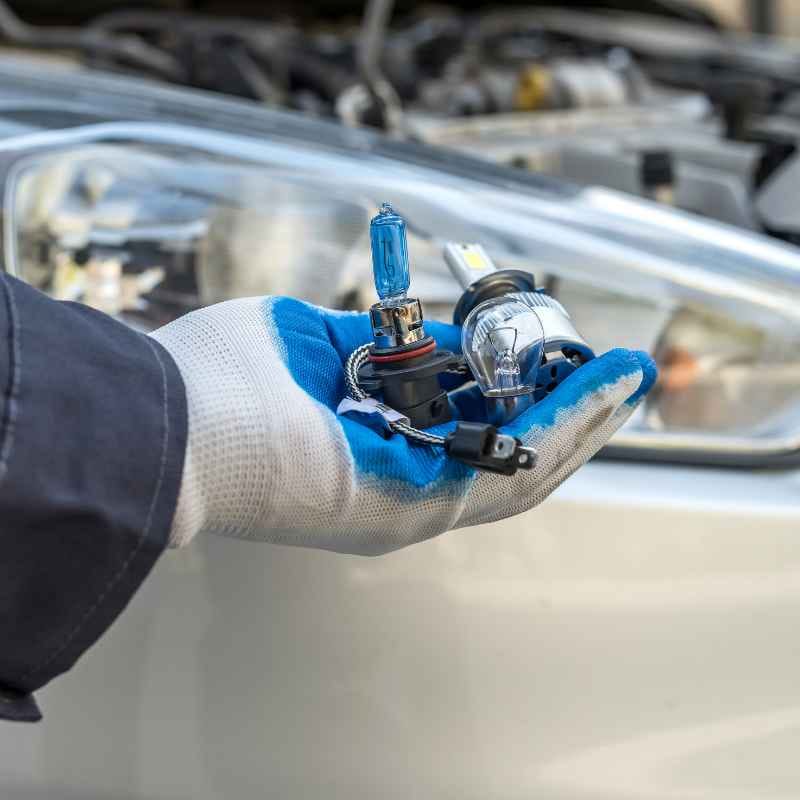
If you’ve gone through these checks and the light is still out, it’s probably time for professional help. Trying to fix complex electrical issues without the right tools or knowledge can sometimes make the problem worse. You could accidentally damage other parts of your car’s electrical system.
Mechanics have specialized diagnostic tools, like multimeters and circuit testers, that can quickly pinpoint electrical faults. They also have access to wiring diagrams for your specific car model, which are essential for tracing problems. If you’re unsure about any of the steps or uncomfortable working with your car’s electrical system, it’s always safest to let a qualified technician handle it.
Frequently Asked Questions
My license plate light isn’t working, and I just put in a new bulb. What should I check?
Start by checking the fuse for the license plate light. Then, inspect the bulb socket for corrosion or bent contacts. Also, check the wiring leading to the light, especially the ground wire connection to the car’s body.
Make sure the bulb is fully seated.
Can a bad headlight switch cause a new bulb to not work?
Yes, absolutely. The headlight switch is what tells the headlights to turn on. If the switch is faulty, it won’t send power to the headlights, and a new bulb won’t light up.
This is less common than a fuse issue but is a possibility.
I replaced my brake light bulb, but it still doesn’t work. What else could it be?
Check the brake light fuse first. Then, examine the bulb socket for corrosion or bent metal tabs. Ensure the bulb is fully seated.
Wiring issues, including a loose or corroded ground wire, are also common culprits for brake lights.
What does it mean if my car lights flicker before going out completely?
Flickering lights often indicate a loose connection or a failing electrical component. This could be a bad ground wire, a loose connection at the bulb socket, or an issue with the power supply. It’s a sign that something isn’t receiving consistent power and needs attention.
Is it safe to drive with a non-working car light?
It depends on the light. Driving with a non-working headlight or taillight is unsafe and illegal in most places. Brake lights are critical for safety.
A license plate light is usually less critical for immediate driving safety but can lead to a ticket. It’s best to fix any non-working light as soon as possible.
How do I know if my bulb is the wrong type?
Bulb types are usually indicated by a code (e.g., 1157, H4). Your car’s owner’s manual will specify the exact type needed. If you buy a bulb that looks similar but has a different code, it’s likely the wrong type.
Also, check if you need an incandescent or an LED bulb, as they are not always interchangeable without modifications.
Wrapping Up: Light at the End of the Tunnel
It’s easy to get frustrated when a new bulb doesn’t solve the problem. But remember, your car’s electrical system is a chain. If one link is broken, the whole thing fails.
By systematically checking the fuse, socket, wiring, and switch, you can often find the culprit yourself. Don’t be afraid to get your hands a little dirty. For more complex issues, professional help is always a wise choice.
See also what does the stop light on your car mean full explained.
Related pick: Check today's price on Amazon
Products related to this article
Sponsored / affiliate links. As an Amazon Associate I earn from qualifying purchases. I may earn additional commission from eligible campaigns.