How Often Should Car Oil Be Checked? (Don’T Skip This)
Car oil should ideally be checked at least once a month and before any long road trip. Many experts also recommend checking it every time you refuel your car. This regular habit helps catch potential issues early, saving you from costly engine damage.
Understanding Your Car’s Engine Oil
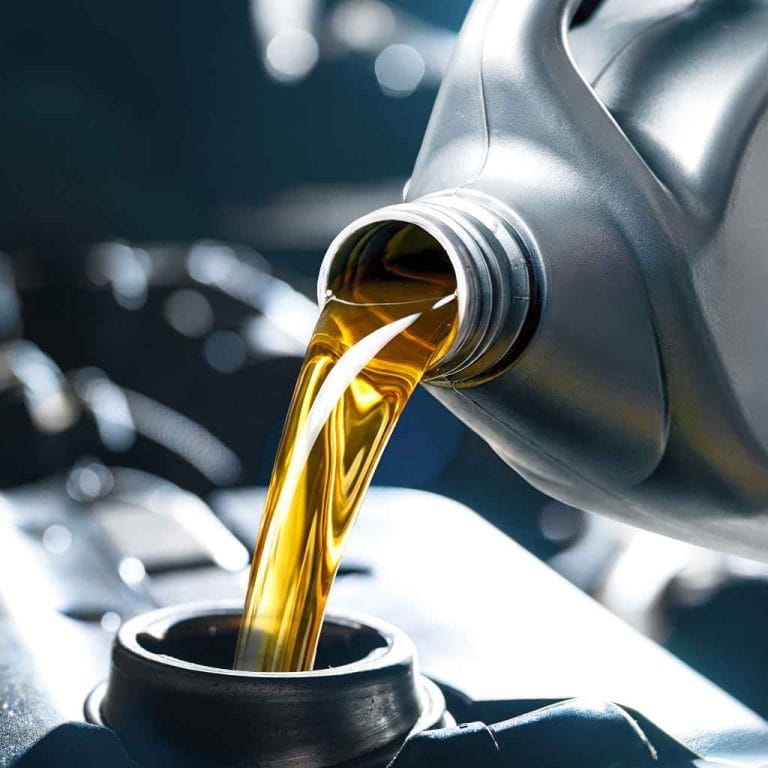
Engine oil is like the lifeblood of your car. It does a lot of important jobs. Think of it as a superhero for your engine.
Without enough good oil, your engine can’t work properly. It might even break down. This is why knowing how often to check it is so vital.
Oil keeps all the moving parts inside your engine from rubbing together. This rubbing creates friction. Friction makes heat.
Too much heat can damage parts. Oil also helps to clean the engine. It picks up tiny bits of dirt and metal.
These bits can wear down your engine over time. The oil filter catches most of this. But the oil itself gets dirty.
Oil also helps to cool the engine. As it moves around, it takes heat away from hot parts. This helps keep the engine temperature just right.
If the oil is low or old, it can’t do these jobs well. This is where checking it becomes really important for every car owner.
Why Checking Your Oil Level Matters
When you don’t check your oil, you’re essentially driving blind. You don’t know if your engine has enough protection. Low oil levels are a major cause of engine failure.
It’s a simple check that can prevent something catastrophic from happening.
Imagine running a marathon without drinking any water. Your body would struggle. Your engine is similar.
It needs its “water,” which is the oil. If the oil level drops too low, the parts that need lubrication aren’t getting it. This leads to increased wear and tear.
Eventually, parts can seize up. This means a totally broken engine.
Even if your oil isn’t super low, checking it also tells you about the oil’s condition. Is it dark and sludgy? Does it smell burnt?
These are signs that the oil needs to be changed. Old or dirty oil can’t protect your engine as well. It can even cause more harm than good.
When Did You Last Check Your Oil? A Personal Story
I remember this one time, I was getting ready for a big camping trip. I had packed the car, got the snacks, and was feeling good. My car was a few years old, and I thought it was running fine.
I’d probably put maybe 8,000 miles on it since the last oil change. That’s a lot, I know. I didn’t think much about checking the oil.
About three hours into the drive, on a really hot day, I heard a weird noise. It was a kind of knocking sound, coming from the engine. My gut just dropped.
I pulled over to the side of the highway. The engine light came on. I popped the hood, and even though I’m not a mechanic, I knew something was very wrong.
It was steaming a bit. I checked the oil dipstick, and it was bone dry. Not a drop.
That knocking sound? It was my engine screaming for help.
It turned out I had a slow oil leak. I never noticed any drips under the car because it was a tiny leak. And because I didn’t check the oil level, I drove for thousands of miles with critically low oil.
The heat and the knocking were the final signs. My car needed a whole new engine. It cost me thousands of dollars and ruined my vacation.
That mistake taught me a harsh lesson: check your oil regularly.
Why Regular Oil Checks Are More Than Just a Task
The Core Job: Engine oil lubricates moving parts. This stops metal-on-metal contact.
The Cooling Effect: Oil helps carry heat away from hot engine components.
The Cleaning Duty: It picks up dirt and debris, keeping the engine clean.
The Protection Factor: Good oil prevents rust and corrosion inside the engine.
The Best Frequency for Checking Your Oil
So, how often is often enough? There isn’t a single rule for every car. But there are good general guidelines.
Most car owners can follow these easily. It’s better to check more often than not at all. This way, you are always safe.
At Least Once a Month: This is a solid baseline. Think of it like checking the air in your tires. Do it when you wash your car or do any other basic maintenance.
It becomes part of a routine. A month is a good window to catch any slow leaks or oil consumption.
Before Long Trips: If you’re planning a road trip, this is non-negotiable. Your car will be working harder on highways. You’ll cover many miles.
Ensuring your oil is at the right level and in good condition is smart. It prevents unexpected breakdowns far from home.
Every Time You Refuel: Some people do this. It’s a great habit if you want to be extra careful. You’re already at the gas station.
It takes only a minute. Keep a rag in your trunk for easy cleanup. This habit catches issues very quickly.
What Your Owner’s Manual Says: Always check your car’s manual. It has specific recommendations for your make and model. Some cars might use a bit more oil than others.
The manual is the best guide.
Understanding Your Oil Dipstick
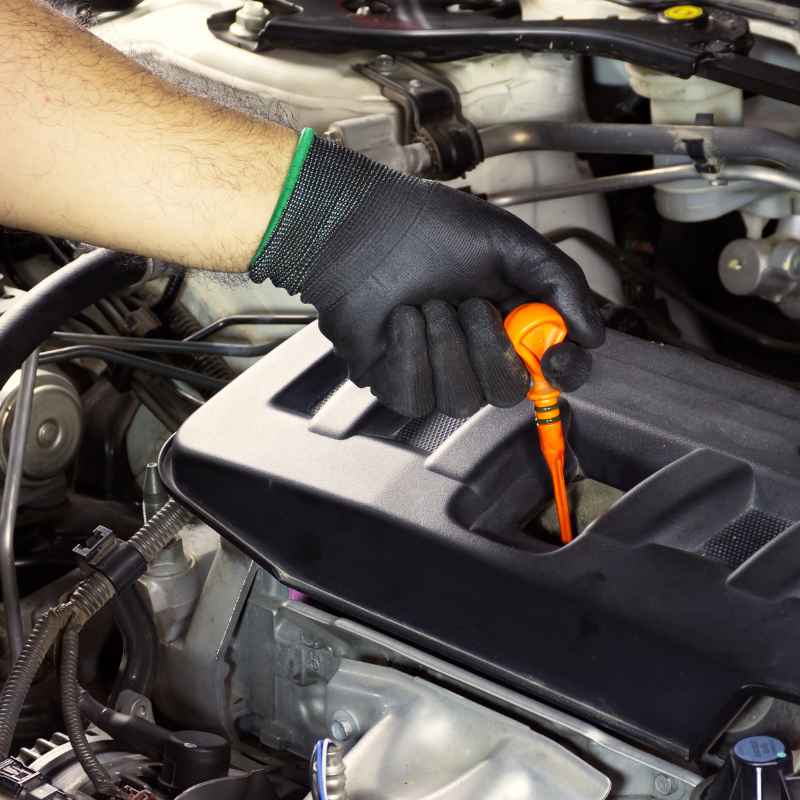
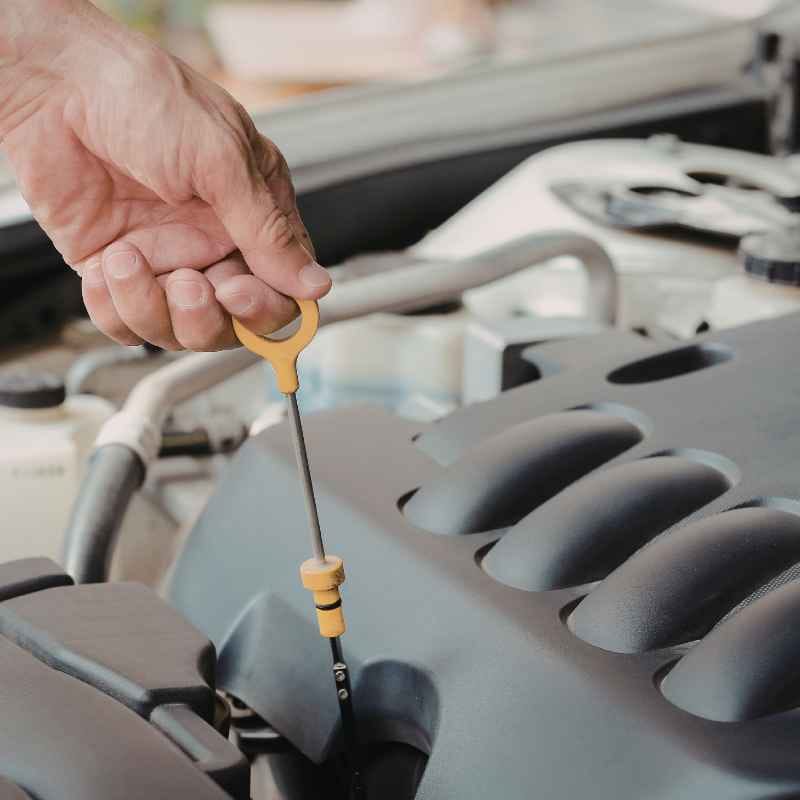
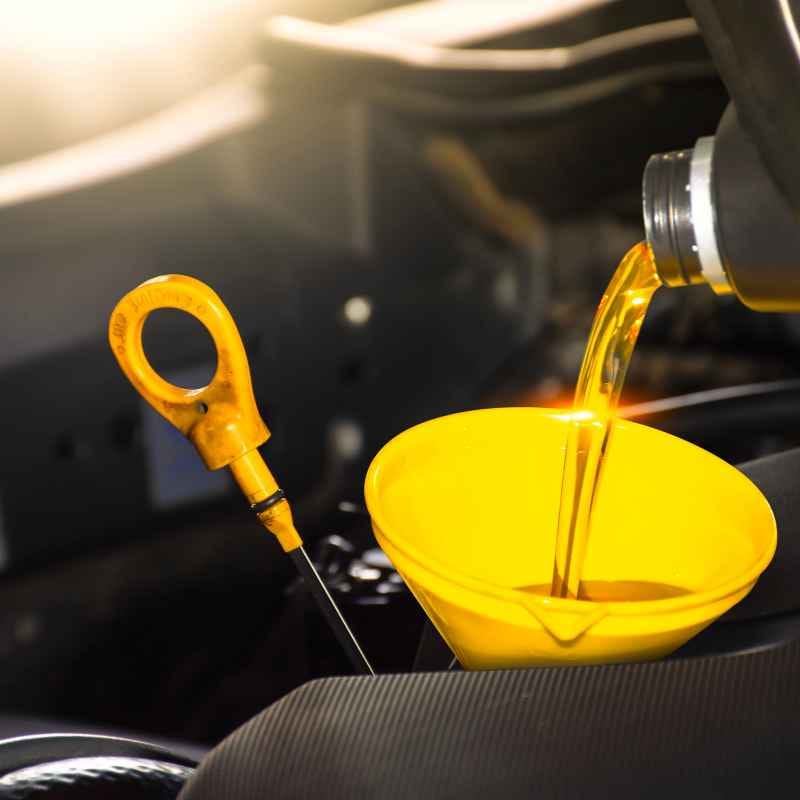
Locate the Dipstick: It usually has a brightly colored handle (yellow, orange, or red).
Pull It Out: Remove the dipstick completely.
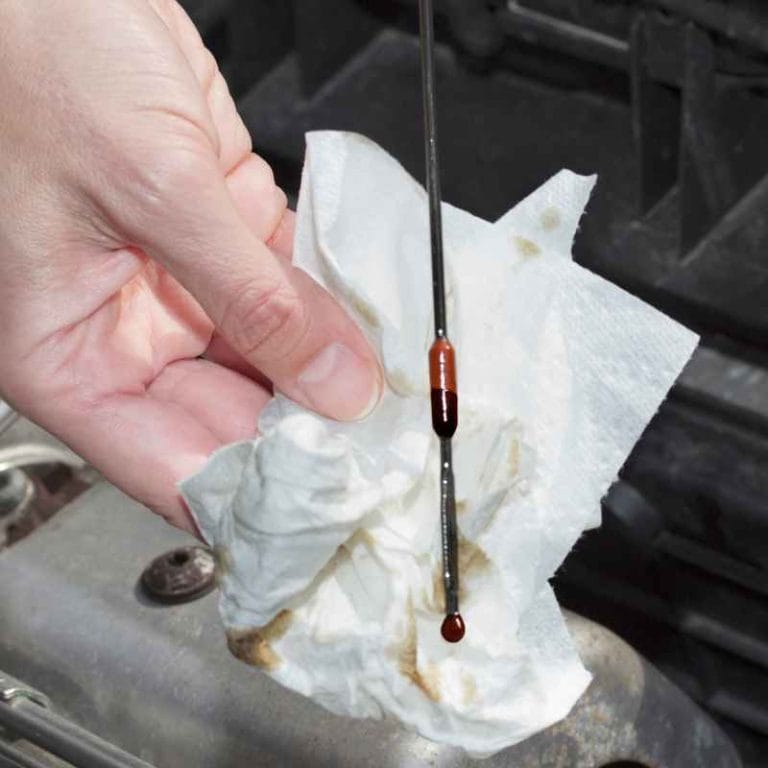
Wipe It Clean: Use a clean cloth or paper towel to wipe off all the oil.
Re-insert It: Push the dipstick all the way back in, then pull it out again.
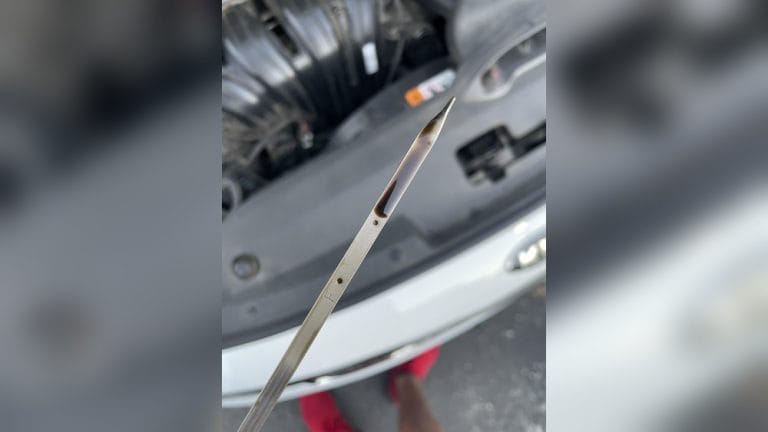
Check the Level: Look at the markings on the end. There are usually two dots or lines. The oil level should be between these marks.
Check the Color: Fresh oil is amber. Dark, black, or sludgy oil needs changing.
How to Check Your Car’s Oil Correctly
Checking your oil is not hard. But doing it the right way ensures you get accurate results. A few simple steps make all the difference.
You don’t want to get a false reading. That could lead you to do unnecessary work or, worse, miss a real problem.
1. Park on a Level Surface
This is the first and most important step. Your car needs to be on flat ground. If it’s on a slope, the oil will pool to one side.
This will give you a wrong reading. It might look like you have less oil than you actually do. Or it could look like you have more.
Find a level spot in your driveway or a parking lot. Make sure it’s safe and stable. This ensures the oil settles evenly in the oil pan.
2. Warm Up the Engine (Slightly)
It’s best to check the oil when the engine is warm. This means running the engine for a few minutes. Turn it off.
Wait about 5 to 10 minutes. This gives the oil time to drain back down into the oil pan. If the engine is cold, the oil might still be clinging to the engine parts.
This will make the level look lower than it is.
Don’t check it when the engine is piping hot right after a long drive. That oil can be very hot. It takes time to settle.
A quick drive around the block and then a short wait is perfect.
3. Locate and Pull the Dipstick
Your car’s oil dipstick is usually easy to find. Look for a brightly colored loop or handle. It’s often yellow, orange, or red.
It might say “Oil” on it. It’s usually near the front of the engine. Consult your owner’s manual if you can’t find it.
Once you find it, pull the dipstick straight out. Be ready. There might be a little resistance.
Don’t just pull it partway out. Get it all the way out.
4. Wipe the Dipstick Clean
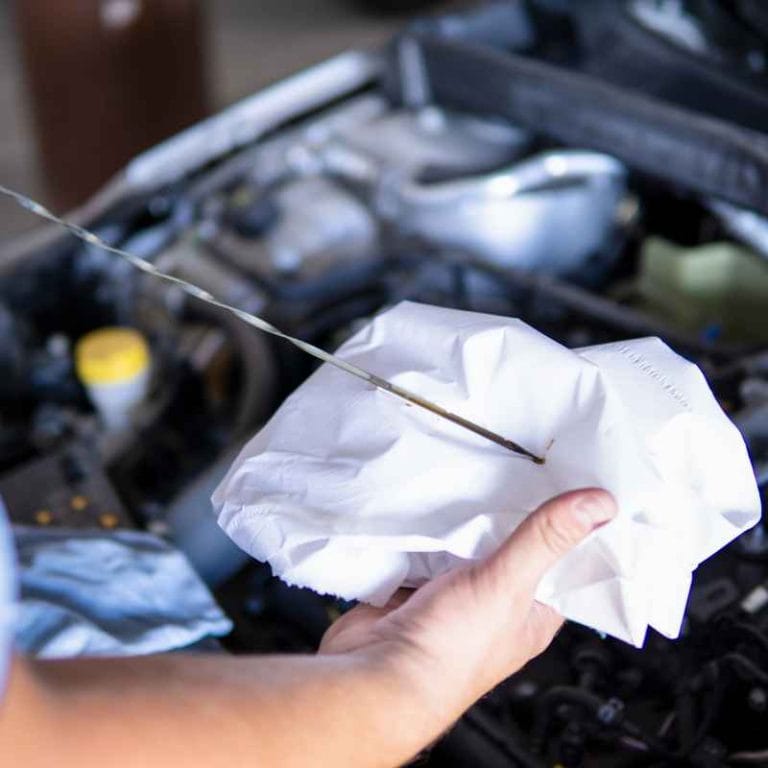
Take a clean cloth, paper towel, or shop rag. Wipe the entire end of the dipstick. You want to remove all the oil that’s on it.
This is crucial for an accurate reading. If you don’t wipe it, the old oil will mix with the new reading.
Make sure you use a clean cloth. You don’t want to add any dirt or debris to your oil sample. A stray piece of lint can skew the results.
5. Re-insert and Pull Out Again
Now, push the clean dipstick all the way back into its tube. Make sure it’s seated properly. Then, pull it out again slowly and carefully.
Try not to tilt it.
This second pull is what gives you the actual reading. The oil will have coated the end of the dipstick again. You can now see the true oil level.
6. Read the Oil Level
Look at the very end of the dipstick. You will see markings. These are usually two dots, small holes, or lines.
They might be labeled “Min” and “Max” or “Add” and “Full”.
The oil film on the dipstick should be between these two marks. If the oil level is right at the lower mark or below it, you need to add oil. If it’s near the top mark, it’s good.
If it’s above the top mark, your engine might have too much oil.
7. Check the Oil’s Condition
While the dipstick is out, take a moment to look at the oil itself. What color is it? What’s its texture?
Fresh oil is usually a light brown or amber color. It looks clear enough to see through.
As oil ages, it gets darker. It picks up dirt and soot from the engine. If your oil is black, thick, or feels gritty, it’s time for an oil change.
If it smells burnt, that’s also a bad sign. It could mean the engine is overheating or there’s a leak.
Quick Oil Check Summary
- Park on a flat surface.
- Warm engine, then wait 5-10 minutes.
- Find and pull the dipstick.
- Wipe it clean with a rag.
- Re-insert, then pull out again.
- Check the level between the marks.
- Note the oil’s color and smell.
What Does the Oil Level Tell You?
Reading the dipstick is like getting a report from your engine. The level of oil is critical. But so is the condition of that oil.
Both tell you important stories about your car’s health. Don’t just look at the number; look at the quality, too.
If the Oil Level is Low
This is the most common reason people check their oil. If the level is below the “Add” or lower mark, you need to add oil. Don’t panic.
Most cars consume a little bit of oil as they run. This is normal. But significant drops mean you should pay attention.
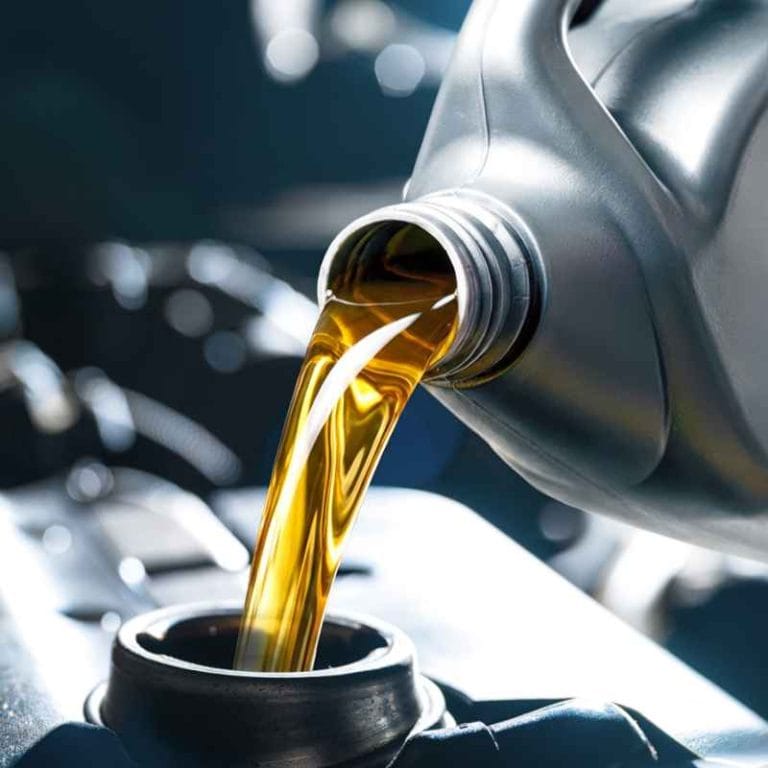
What to do: Add the correct type of oil for your car. Check your owner’s manual for the viscosity grade (like 5W-30). Add a small amount at a time (about a quarter of a quart or liter).
Wait a few minutes for it to drain down. Then, re-check the dipstick. Repeat until the level is between the marks.
Be careful not to overfill.
If the Oil Level is Too High (Overfilled)
This is less common, but it can cause problems too. Too much oil can create excess pressure in the engine. It can also cause the crankshaft to whip the oil into a foam.
Foamy oil doesn’t lubricate well. This can lead to engine damage. It can also Engine Oil Cause Car Not to Start (Complete Guide)” target=”_blank” rel=”noopener” data-wpil-monitor-id=”7559″>cause oil to leak out of seals.
What to do: If you’ve recently had your oil changed, the shop might have overfilled it. If you did it yourself, you might have added too much. You may need to drain some oil out.
It’s often best to have a mechanic do this if you’re not comfortable. They can safely remove the excess.
If the Oil is Dark and Dirty
Oil changes are crucial. Oil breaks down over time and use. It picks up contaminants.
These contaminants reduce its ability to lubricate and protect. Dirty oil can lead to sludge buildup. Sludge is like gunk that can block oil passages.
This starves parts of the engine of oil.
What to do: Get an oil change as soon as possible. Follow your car’s recommended service intervals. If you’re consistently finding very dirty oil between changes, it could mean you need to change it more often.
Or it could point to an internal engine issue. This is when a mechanic’s inspection is wise.
If the Oil Smells Burnt
A burnt smell coming from your oil is a warning sign. It usually means the oil is getting too hot. This can happen for several reasons.
It might be due to low oil levels, a failing cooling system, or heavy engine load.
What to do: If your oil smells burnt, it’s a good idea to have your car inspected by a mechanic. Driving with burnt oil can cause severe damage. They can diagnose why the oil is overheating.
It’s better to be safe than sorry.
If You See Milky or Foamy Oil
This is a serious sign. Milky or foamy oil means that coolant is mixing with your engine oil. This is usually caused by a blown head gasket or a cracked engine block.
Coolant is not a lubricant. Mixing it with oil is very damaging.
What to do: Stop driving your car immediately. Do not start it again. This is a major engine problem.
You need to have it towed to a mechanic for a thorough inspection and repair. Continuing to drive could result in total engine destruction.
Oil Condition: What’s Normal vs. Concerning
| Observation | Normal / Minor Issue | Concerning / Major Issue |
|---|---|---|
| Color | Light brown to amber (new). Dark brown (used). | Black and sludgy. |
| Smell | Oily smell. | Burnt or acrid smell. |
| Texture | Smooth. | Gritty or thick. |
| Appearance | Clear enough to see through dipstick lines. | Milky, foamy, or full of particles. |
Common Reasons for Low Oil Levels
Seeing your oil level low is never fun. But it’s usually due to a few common culprits. Understanding these can help you address the issue.
It can also help you prevent it in the future.
Normal Oil Consumption
All engines use some oil. It’s a natural part of the combustion process. Tiny amounts of oil can get past piston rings and burn in the combustion chamber.
Or it can evaporate over time. Modern engines are designed to use a small amount of oil. So, finding the level slightly lower than last time is often normal.
This is why manufacturers specify a range on the dipstick. They expect a small amount of oil to be consumed between oil changes. The key is “small amount.” If it’s significantly low, there’s another reason.
Oil Leaks
This is a very common cause of low oil. Over time, seals and gaskets in the engine can wear out. They can become brittle or crack.
This allows oil to seep out. Leaks can happen in many places: the oil pan gasket, valve cover gasket, front or rear main seals, or even around the oil filter itself.
Sometimes, leaks are obvious. You might see puddles under your car. Other times, they are very small.
You might only notice dark spots on the engine block or oil residue on the ground after a long drive. Even a slow leak can drain the oil over time.
Burning Oil
If your car is burning oil, you might see blue smoke coming from the exhaust pipe. This happens when oil gets into the combustion chamber and burns with the fuel. Common causes include worn piston rings, worn valve seals, or a damaged PCV (Positive Crankcase Ventilation) system.
The PCV system helps vent gases from the crankcase. If it’s clogged, pressure builds up. This can force oil past seals.
Burning oil not only lowers your oil level but also pollutes the air and can foul spark plugs.
Driving Habits
How you drive can affect how much oil your car uses. Aggressive driving, like rapid acceleration and hard braking, puts more stress on the engine. This can lead to increased oil consumption.
Driving at very high speeds for extended periods also generates more heat. This can contribute to oil burning.
Using the wrong type of oil can also play a role. If the oil is too thin or too thick for your engine’s operating conditions, it may not protect as well. This can lead to more wear and potentially more oil consumption.
When to Worry About Your Oil Level
It’s easy to get anxious about car maintenance. But knowing when to truly worry about your oil is important. Not every low reading means disaster.
But some signs are definite red flags.
Continuously Low Oil Level
If you check your oil regularly, and it keeps dropping significantly between checks, that’s a worry. Especially if it’s below the “Add” mark within a week or two. This suggests a leak or that the engine is burning oil faster than it should.
You should also be concerned if your oil warning light comes on. This light usually means your oil pressure is low. Low oil pressure is a critical situation.
It means the oil isn’t circulating properly to lubricate parts. If this light appears, pull over safely and turn off the engine immediately.
Oil Level Drops Quickly
If you notice a sudden, drastic drop in your oil level, that’s a major concern. For instance, if your oil level was fine yesterday and today it’s very low. This usually points to a significant leak or a serious internal engine problem.
A rapid drop could mean a seal has failed completely. Or that a major component has cracked. This situation requires immediate attention from a mechanic.
Driving the car further could cause catastrophic engine failure.
Unusual Engine Sounds or Performance
Your engine will often tell you when something is wrong. If you start hearing knocking, ticking, or grinding noises from the engine, especially when it’s running low on oil, that’s a serious sign. These sounds often mean metal parts are grinding against each other because there’s no lubrication.
Similarly, if your car starts to lose power, shake, or feel sluggish, and you know your oil level is low, it’s a warning. These are symptoms of an engine struggling due to lack of proper lubrication. Address these signs immediately.
Simple Checks for Oil Issues
Visual Inspection: Look under your car for oil spots after it’s been parked for a while.
Engine Bay Check: With the engine off and cool, look for obvious signs of leaks around gaskets and seals.
Exhaust Smoke: Pay attention to any unusual colored smoke coming from your tailpipe, especially blue smoke.
Listen to Your Engine: Note any new or unusual noises, especially during acceleration or deceleration.
When to Get an Oil Change
Checking your oil is one thing, but knowing when to change it is equally important. Oil changes keep your engine healthy. They remove old, dirty oil and
Mileage-Based Intervals
Most car manufacturers recommend oil changes based on mileage. This is often somewhere between 5,000 and 10,000 miles. Some modern cars with synthetic oil can go even longer.
Always refer to your owner’s manual for the exact recommendation for your vehicle.
Remember, these are often “severe service” intervals for city driving, short trips, or towing. If you do a lot of highway driving, you might be able to go a bit longer. But if you drive in harsh conditions, you might need changes sooner.
Time-Based Intervals
Oil degrades over time, even if you don’t drive much. So, there’s also a time-based recommendation, usually 6 months or 12 months. If you don’t drive your car often, you should still get an oil change at least once a year.
This ensures the oil is fresh and provides adequate protection. Old oil can lose its viscosity and protective properties, even if it looks clean.
Based on Oil Condition
As we discussed, the color and smell of your oil are key indicators. If your oil looks very dark, thick, or has a burnt smell, it’s probably time for a change, regardless of mileage or time. Some newer cars even have oil life monitors that alert you.
These monitors use algorithms based on driving habits, engine temperature, and other factors to estimate the oil’s remaining life. They are usually quite accurate.
The Role of Oil Type
The type of oil you use matters. There are different types of engine oil available: conventional, synthetic blend, and full synthetic. Your owner’s manual will specify what your car needs.
- Conventional Oil: The most basic type. Good for older cars or those with simpler engines.
- Synthetic Blend Oil: A mix of conventional and synthetic oils. Offers better protection than conventional.
- Full Synthetic Oil: The highest quality. Offers superior protection in extreme temperatures and under heavy loads. It also tends to last longer.
Using the correct type of oil can help prevent excessive oil consumption. It ensures your engine gets the best possible lubrication and protection. Full synthetic oils often allow for longer intervals between changes, but always confirm with your manual.
Choosing the Right Oil
Check Your Owner’s Manual: This is the most critical step. It tells you the recommended viscosity grade (e.g., 5W-30) and oil type (conventional, synthetic).
Consider Driving Conditions: If you drive in extreme heat or cold, or tow frequently, synthetic oil might be a better choice.
API Service Rating: Look for the American Petroleum Institute (API) starburst symbol on the oil container. Ensure it meets the latest specifications for your car.
What Happens if You Never Check Your Oil?
This is where we get serious. Neglecting your oil is like playing Russian roulette with your car. The consequences can be severe and very expensive.
It’s not worth the risk.
Engine Overheating
Oil helps cool the engine. When oil levels are low, or the oil is old and dirty, its cooling ability is reduced. This can cause the engine to overheat.
Overheating can warp engine parts, blow head gaskets, and lead to serious damage.
Increased Wear and Tear
Without enough lubrication, metal parts in the engine grind against each other. This causes rapid wear. Piston rings can wear down, valve guides can become loose, and bearings can be damaged.
This wear reduces the engine’s lifespan and performance.
Sludge Buildup
Old, degraded oil breaks down and forms sludge. This sludge can clog oil passages. This prevents oil from reaching critical engine components.
Lack of oil flow leads to starvation and damage. It’s like your engine’s arteries getting blocked.
Complete Engine Failure
This is the worst-case scenario. If you continue to drive with critically low oil levels or severely degraded oil, you risk total engine failure. This is often called “seizing” the engine.
It means the engine has overheated and locked up. Repairing or replacing an engine is one of the most expensive car repairs you can face.
My own experience is a stark reminder of this. A few thousand miles of neglect cost me an entire engine. It wasn’t just the cost; it was the inconvenience and the stress.
It’s a mistake I never want to repeat, and I hope you won’t either.
Frequently Asked Questions
How often should I check my car’s oil if I drive a lot?
If you drive a lot, especially in harsh conditions like stop-and-go traffic or extreme temperatures, you should check your oil more frequently. Aim for at least every two weeks or even every time you refuel. This helps catch any issues early before they become major problems.
Can I check my oil when the engine is cold?
Yes, you can check your oil when the engine is cold. However, it’s best to check it when the engine is warm, after it has been running for a few minutes and then sits for 5-10 minutes. This allows the oil to settle into the oil pan for a more accurate reading.
A cold reading might appear lower than it actually is.
What happens if I overfill my engine oil?
Overfilling your engine oil can cause problems. It can lead to excessive pressure within the engine, which might blow out seals or gaskets. It can also cause the crankshaft to churn the oil too much, creating foam.
Foamy oil doesn’t lubricate effectively, leading to engine wear. If overfilled, it’s best to drain some oil out.
How do I know if my car is burning oil?
You might notice blue smoke coming from your exhaust pipe, especially when accelerating. You may also need to add oil more frequently than usual between oil changes. A mechanic can perform tests to confirm if your car is burning oil and determine the cause.
Does my car use oil even if there are no leaks?
Yes, all engines use some oil. It’s normal for a small amount of oil to be consumed as it burns during the combustion process. This is why manufacturers expect oil levels to drop slightly between oil changes.
The concern is when the oil level drops significantly or very quickly.
What does the oil light on my dashboard mean?
The oil light on your dashboard typically indicates low oil pressure. This is a serious warning. It means the oil is not circulating properly to lubricate engine parts.
If this light comes on, you should pull over safely, turn off the engine immediately, and check your oil level. Do not continue driving.
Final Thoughts on Oil Checks
Keeping an eye on your car’s engine oil is a fundamental part of car ownership. It’s a simple habit that pays huge dividends. Regular checks can prevent costly repairs.
They also extend the life of your engine. Make it a part of your routine. Your car will thank you for it.