Best Car Engine Oil For Warm Climate: Top Choices Reviewed
Driving in hot weather can feel good. The sun shines. But for your car’s engine, it’s a real challenge.
Engine oil has a tough job. It cools and lubricates. In heat, oil breaks down faster.
This means less protection. It’s a common worry for drivers. You want your car to last.
You want to avoid costly repairs. This guide will help you pick the right oil.
Choosing the best Engine Oil in a 4 Stroke Lawn Mower? (Expert Answer)” target=”_blank” rel=”noopener” data-wpil-monitor-id=”7547″>car engine oil for warm climates involves understanding oil viscosity grades suitable for high temperatures. Look for synthetic oils with a “W” rating indicating cold performance and a higher second number for hot weather stability. Always consult your car’s owner manual for specific recommendations.
Understanding Engine Oil and Heat
Engine oil is like blood for your car. It flows everywhere inside. It keeps metal parts from rubbing.
This rubbing creates friction. Friction makes heat. Your engine makes a lot of heat itself.
The oil’s job is to carry this heat away. It moves the heat to parts of the engine that can cool it. The radiator is one place.
The oil pan is another.
When it’s really hot outside, your engine works even harder. The air outside is hot. The engine gets hotter because of this.
The oil has to fight against this extra heat. If the oil can’t keep up, it gets too thin. When oil is too thin, it doesn’t coat parts well.
This leads to more friction. More friction means more heat. It’s a bad cycle.
Think of it like cooking oil. If you heat cooking oil too much, it gets very thin. It can even start to smoke.
Engine oil does something similar. It can break down. When oil breaks down, it loses its power.
It can’t protect your engine anymore. This is why picking the right oil for warm weather is so important.
Why Warm Climate Oil Matters
Drivers in places like Arizona, Texas, or Florida face this challenge daily. Their cars sit in super hot parking lots. They drive on hot asphalt.
The engines are always under stress. This stress is even worse than you might think. The oil inside your engine can reach very high temperatures.
It can be much hotter than the outside air.
The wrong oil can cause problems fast. It might not lubricate well enough. This can lead to engine wear.
Parts might start to grind. Over time, this causes damage. You could end up with a loud engine.
Or worse, a seized engine. That’s a very expensive fix. Most people want to avoid that.
Good oil is key to avoiding it.
The goal is to keep the oil from breaking down. We want it to stay strong. We want it to flow right.
This protects the engine. It helps it run smoother. It makes the engine last longer.
It’s a simple thing. But it makes a big difference. Choosing the right oil is an investment.
It’s an investment in your car’s future.
How to Read Oil Viscosity Numbers
You’ve seen those numbers on oil bottles. They look like “5W-30” or “10W-40”. What do they mean?
These numbers tell you how thick the oil is. They are called viscosity grades. The “W” means “Winter”.
It tells you how the oil acts when it’s cold.
The first number is for cold starts. A lower number means the oil flows better when it’s cold. This is good for starting your car on a chilly morning.
It gets oil to the engine parts faster. The second number is for hot temperatures. A higher number means the oil stays thicker when it’s hot.
It still protects parts when the engine is very warm.
For warm climates, the second number is very important. You want an oil that stays thick enough. You don’t want it to get too thin.
So, a 30 or 40 might be good. Some people even use 50. It depends on your car.
And it depends on how hot it gets where you live.
Let’s break down the numbers more simply.
Viscosity Grade Explained
The “W” Number: This is for cold weather. It shows how well the oil flows when the engine is cold. A lower number (like 0W or 5W) is better for cold starts.
It means the oil is thinner when cold.
The Second Number: This is for hot weather. It shows how thick the oil stays when the engine is hot. A higher number (like 30, 40, or 50) means the oil is thicker when hot.
It offers better protection at high temperatures.
For Warm Climates: You generally want a higher second number. This helps the oil maintain its protective film. It resists thinning out too much under heat.
Most modern cars use multi-grade oils. These oils change their thickness. They are thin when cold and thicker when hot.
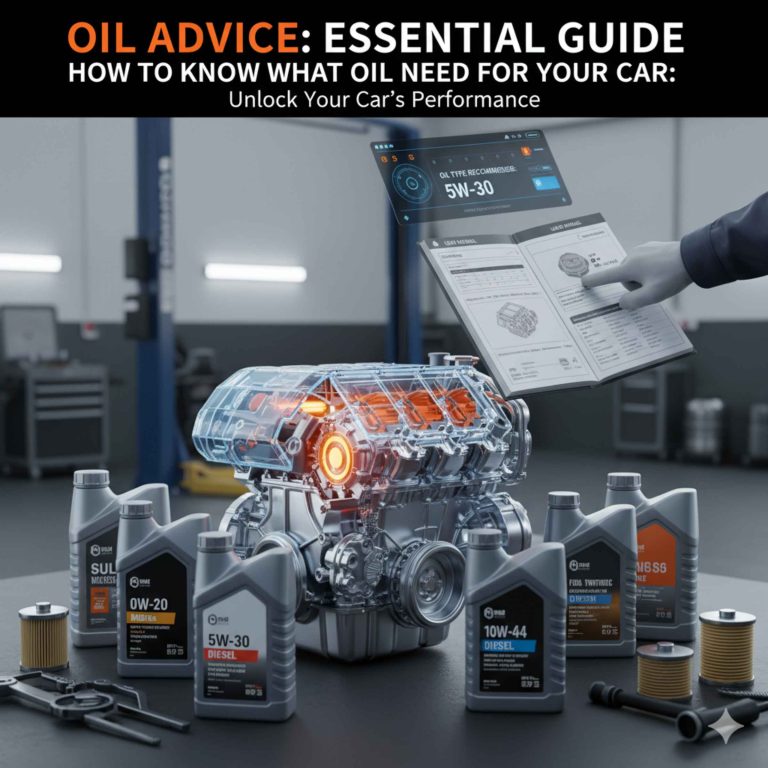
This is why they have two numbers. Your car’s manual is the best place to check. It will tell you the exact grades recommended for your car.
Synthetic vs. Conventional Oil
There are two main types of engine oil: conventional and synthetic. They both do the same basic job. But synthetic oil is made differently.
It’s cleaner. It has fewer impurities. This makes it work better, especially in tough conditions.
Conventional oil comes from crude oil. It’s refined. But it still has natural stuff in it.
These bits can cause problems. They can lead to sludge. They can break down faster in heat.
Conventional oil is usually cheaper. But it might not last as long. It might not protect as well in extreme heat.
Synthetic oil is made in a lab. It’s engineered. This means it’s very pure.
It has consistent molecules. These molecules are all the same size. This makes it flow very smoothly.
It also resists breaking down. Synthetic oil is much better at handling high heat. It also works well in cold weather.
For warm climates, synthetic oil is often the best choice. It holds up under pressure. It resists thinning out.
It doesn’t form sludge as easily. It keeps your engine cleaner. Yes, it costs more upfront.
But it can save you money in the long run. It can help your engine last longer. It might even help your car get better gas mileage.
Let’s look at the differences:
Synthetic vs. Conventional Oil
Conventional Oil:
- Made from crude oil.
- Less expensive.
- Can break down faster in heat.
- More prone to sludge buildup.
- Good for normal driving conditions.
Synthetic Oil:
- Man-made in a lab.
- More expensive upfront.
- Handles extreme heat and cold better.
- Resists breakdown and sludge.
- Offers superior engine protection.
- Often lasts longer between changes.
If you live in a very hot area, consider synthetic oil. It’s made for the tough stuff. It’s worth the extra cost.
It’s a smart choice for your car’s engine.
Top Oil Choices for Warm Climates (With Experience)
I remember a time I was helping a friend. Her car was making weird noises. It was summer.
She lived in Phoenix. Her car was an older model sedan. She hadn’t changed the oil in a while.
She thought any oil was fine. I popped the hood. The oil looked dark and thick.
It smelled a bit burnt. That’s a sign.
I checked her owner’s manual. It recommended a 5W-30. She had been using a basic conventional oil.
I told her we needed to change it. I suggested a good quality synthetic. We went with a full synthetic 5W-30.
After the oil change, the engine noise was much better. It sounded smoother. She said it felt like a different car.
That moment really showed me the power of the right oil.
Here are some types of oils that often perform well in warm weather:
Popular Oil Recommendations for Hot Weather
Full Synthetic 5W-30: This is a very common choice. The ‘5W’ is good for most climates. The ’30’ is a standard hot-weather rating.
Many top brands offer excellent synthetic 5W-30 oils.
Full Synthetic 5W-40: If it’s extremely hot, or if your car is older or works hard (like towing), a 5W-40 might be better. The ’40’ offers extra thickness when hot. This gives more protection.
Full Synthetic 10W-30 / 10W-40: In areas that are warm but not extremely hot year-round, these can be good options. The ’10W’ is a bit thicker on cold starts than ‘5W’. But the second number still provides good hot-weather protection.
Specialty High-Heat Oils: Some brands make oils specifically for extreme heat. These often have even higher viscosity ratings. Always check your car’s manual first.
When picking a brand, look for well-known names. Companies like Mobil 1, Castrol, Pennzoil, and Valvoline have a long history. They invest a lot in research.
Their oils are tested thoroughly. They meet industry standards. These standards ensure they perform as promised.
Common Misconceptions About Engine Oil
People sometimes misunderstand engine oil. They think one oil is pretty much the same as another. Or they believe thicker is always better.
These ideas can lead to problems. Let’s clear a few things up.
One common thought is that you should always use the thickest oil possible. This isn’t true. Too thick an oil can be bad.
It can make your engine work harder. It might not flow fast enough. This is especially true on cold days.
It can also cause your engine to overheat. It’s like trying to push thick honey through a small straw.
Another idea is that you don’t need to change oil often. Or that you can just top it off. While topping off can help between changes, it doesn’t replace a full oil change.
Oil gets dirty. It collects metal bits. It collects fuel.
It collects water. This makes it less effective. Changing the oil removes this gunk.
It puts fresh, clean oil in.
Here are some myths busted:
Engine Oil Myths Debunked
Myth: Thicker oil is always better for protection.
Reality: The right thickness (viscosity) is key. Too thick an oil can harm your engine. Always use the grade recommended in your owner’s manual.
Myth: You can skip oil changes if you just top off the oil.
Reality: Topping off adds more oil, but it doesn’t remove contaminants. Oil degrades over time and use. Regular oil changes are crucial for engine health.
Myth: All oil brands are the same.
Reality: Brands differ in quality, additives, and base oil type (conventional vs. synthetic). Reputable brands invest in R&D for better performance.
Myth: Once oil is dark, it’s immediately bad.
Reality: Dark oil usually means it’s doing its job cleaning your engine. However, very dark, thick oil with a burnt smell is a sign it needs changing.
It’s important to trust your car’s manual. It has the specific details for your engine. It’s like a doctor’s prescription for your car.
The Role of Additives in Engine Oil
Engine oil isn’t just oil. It has lots of other things mixed in. These are called additives.
They give the oil extra powers. They help it do its job better. They also help protect your engine from wear and tear.
Some common additives include things that prevent corrosion. They stop rust from forming inside your engine. There are also detergents.
These keep your engine parts clean. They stop sludge and varnish from building up. Anti-wear agents help protect metal surfaces.
In warm climates, some additives are even more important. Additives that help resist oxidation are key. Oxidation is when oil reacts with air.
This makes it break down. Heat speeds up this reaction. So, good anti-oxidation additives are very helpful.
They keep the oil stable longer.
Synthetic oils often have better additive packages. They are designed to work well with the synthetic base oil. They can handle the stresses of high heat.
They keep the oil performing well for longer. This is another reason why synthetic is often preferred in hot weather.
Consider the additives your oil has:
Key Oil Additives to Look For
Detergents: Clean engine parts. Prevent deposits and sludge.
Dispersants: Keep small particles suspended. Stop them from clumping together.
Anti-wear agents: Form a protective film on metal surfaces. Reduce friction and wear.
Antioxidants: Slow down oil breakdown. Prevent thickening and sludge.
Corrosion inhibitors: Protect metal parts from rust.
Viscosity Index Improvers: Help oil maintain its thickness across a wide temperature range.
These small additions make a big difference. They turn plain oil into a high-performance fluid. They are essential for protecting your engine.
Signs Your Engine Oil Needs Changing (Especially in Heat)
How do you know it’s time for an oil change? Your car might give you clues. Ignoring these can lead to problems.
This is even more true in hot weather. Heat puts extra strain on your oil.
One of the most obvious signs is the oil light. If it comes on while you’re driving, stop as soon as it’s safe. Check your oil level.
If it’s low, add some. If the light stays on, or if the oil looks bad, get it checked immediately. Don’t keep driving if the oil light is on.
The color of the oil is also a clue. New oil is usually light amber. It’s clear enough to see through.
As it works, it picks up dirt. It turns darker. This is normal.
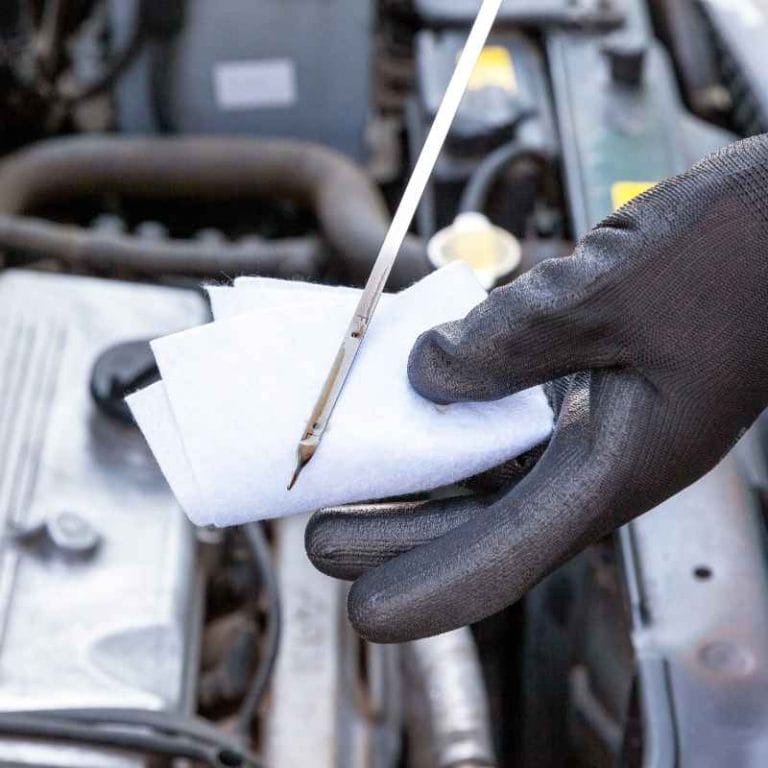
But if the oil looks black and gritty, it’s probably time for a change. If you can’t see the dipstick through the oil, it’s too dark.
The smell of the oil can tell you something. If you check the oil dipstick and it smells burnt, that’s a bad sign. Burnt oil means it’s gotten too hot.
It’s breaking down. This is common in very hot weather if the oil isn’t up to the task.
Listen to your engine. Is it making new noises? Is it running rougher than usual?
Is it making knocking sounds? These could be signs that your oil isn’t lubricating well. The engine parts aren’t getting enough protection.
This is especially true if these symptoms appear when the engine is hot.
Here are some warning signs:
When to Check Your Engine Oil
Oil Warning Light: Always a sign to stop and check immediately.
Dark, Gritty Oil: If you can’t see the dipstick through the oil, it’s time.
Burnt Smell: Indicates the oil has overheated and degraded.
Engine Noises: Knocking, ticking, or rough running, especially when hot.
Low Oil Level: Check and add oil if needed, but also find out why it’s low.
Sticky or Sluggish Engine: Feels like it’s working harder than normal.
Your car’s manual will also have a recommended oil change interval. This is usually based on mileage or time. In very hot climates, you might need to change your oil more often than the manual suggests.
It’s better to be safe than sorry.
Consulting Your Car’s Owner Manual
I cannot stress this enough: your owner’s manual is your best friend. It’s written by the people who designed your car. They know exactly what it needs.
It’s not just a suggestion. It’s a guideline for keeping your car running well.
Inside, you’ll find a section on maintenance. This section will tell you the exact viscosity grade of oil recommended for your car. It will likely list more than one option.
These options are usually based on temperature ranges. For example, it might say “use 5W-30 for temperatures above -20°F. Use 0W-20 for extreme cold.”
The manual will also tell you the oil capacity. This is how much oil your engine needs. It’s usually listed in quarts.
Make sure you buy enough oil. You don’t want to run short. It will also mention the oil change interval.
This is how often you should change it.
If your car is older, the manual might recommend a conventional oil. But for a car used in a hot climate, you can often upgrade to a synthetic oil of the same viscosity. For example, if it says 5W-30, you can use a full synthetic 5W-30.
This will likely offer better protection in the heat.
What to look for in the manual:
Owner’s Manual Checklist
Recommended Viscosity Grade(s): e.g., 5W-30, 10W-40.
Temperature Range for Grades: Which grade is best for your climate.
Oil Capacity: How many quarts (or liters) your engine needs.
Oil Change Interval: Recommended mileage or time between changes.
API Service Category: Such as “API SP” or “API SN”. This is a standard for oil quality.
Never guess when it comes to engine oil. Always check the manual. It’s the most reliable source of information for your specific vehicle.
Understanding API Service Categories
You’ve probably seen other letters on oil bottles, like “API SP” or “API SN”. What do these mean? They are important.
They are industry standards. API stands for the American Petroleum Institute. This group sets standards for oil quality and performance.
The letters tell you what the oil is designed for. For example, “S” usually stands for Spark Ignition. This means gasoline engines.
“C” is for Compression Ignition, or diesel engines. So, you’ll see things like “API SP”. The “SP” is the latest standard for gasoline engines.
Older standards like “SN”, “SM”, or “SL” are still okay. But newer standards have higher requirements. They are designed to meet the needs of modern engines.
These engines often run hotter. They have tighter tolerances. They need better protection.
For gasoline engines, you want to look for the most recent standard that your car manual allows. If your manual says “API SN” or newer, you can use an oil labeled “API SP”. This is the current top standard.
It offers the best protection against issues like low-speed pre-ignition (LSPI) and wear.
Why these standards matter:
API Service Categories Simplified
API: American Petroleum Institute. Sets oil quality standards.
“S” Category: For gasoline (Spark Ignition) engines.
“C” Category: For diesel (Compression Ignition) engines.
Current Gasoline Standard: API SP (as of late 2023). Offers enhanced protection for modern engines.
Check Your Manual: Always use an oil that meets or exceeds the API category listed in your owner’s manual.
Using an oil that meets these standards ensures it has been tested. It’s proven to work well. It offers the protection your engine needs.
It’s another layer of security for your car.
When to Consider a Higher Viscosity Oil (e.g., 5W-40)
You know the basics of viscosity grades. You know 5W-30 is common. But what about 5W-40?
This is a slightly thicker oil when hot. It offers more protection in demanding situations. When should you think about using it?
If you live in a place where temperatures routinely go above 100°F for extended periods, a 5W-40 might be a good idea. Especially if your car is older. Older engines might have slightly more wear.
They might benefit from that extra film strength.
What about your driving habits? Do you drive in stop-and-go traffic a lot? This makes your engine work harder.
It generates more heat. Do you tow a trailer or haul heavy loads? This also puts extra strain on the engine and oil.
Do you often drive at high speeds for long distances?
These conditions create more heat. They put more stress on the oil. A 5W-40 oil will stay thicker for longer.
This means it can provide better lubrication when the engine is really hot. It helps reduce wear. It keeps the engine running cooler.
Consider a 5W-40 if:
Signs You Might Need 5W-40 Oil
Extreme Heat: Consistently above 100°F where you live.
Heavy Duty Use: Towing, hauling, or frequent stop-and-go traffic.
Older Engine: Engines with over 100,000 miles may benefit.
High-Performance Driving: Track days or very spirited driving.
Oil Temperature: If your car has an oil temperature gauge and it frequently reads very high.
Important Note: Always check your owner’s manual first. Some newer cars are designed for very thin oils like 0W-20 or 5W-20. Using a thicker oil like 5W-40 in an engine that requires a thinner oil could cause problems.
It could reduce gas mileage. It could even damage the engine if not designed for it. If you’re unsure, consult your mechanic.
DIY vs. Professional Oil Changes
Changing your engine oil yourself can save you money. It can also give you a sense of accomplishment. It’s not overly difficult.
But it does require some basic tools. You’ll need a wrench for the oil drain plug. You’ll need a new oil filter and a filter wrench.
You’ll also need rags and a drain pan.
First, warm up the engine a bit. Not hot, just warm. This helps the oil drain better.
Then, place your drain pan under the oil drain plug. Unscrew the plug and let the old oil drain out. Replace the plug.
Then, remove the old oil filter. Screw on the new one. Make sure to put a little bit of new oil on the rubber seal of the new filter.
Finally, add the correct amount of new oil. Check the dipstick. Make sure it’s between the “add” and “full” marks.
Make sure to dispose of your old oil responsibly. Many auto parts stores take it for recycling.
However, professional oil changes offer convenience. They are quick. They have the right tools and trained staff.
They can also spot other potential issues while they are working on your car. If you’re not comfortable doing it yourself, or if you’re short on time, a professional is a good option.
Here’s a quick comparison:
DIY vs. Professional Oil Change
DIY Oil Change:
- Pros: Saves money, rewarding, learn your car better.
- Cons: Requires tools, messy, need to dispose of oil properly, risk of mistakes.
Professional Oil Change:
- Pros: Convenient, fast, professional expertise, can spot other issues.
- Cons: Costs more, less control over products used (unless you specify).
For warm climates, the quality of the oil used is critical. If you go to a shop, you can ask them to use a specific brand or type of oil. You can provide the oil yourself if allowed.
When to Worry About Your Oil
Most of the time, your engine oil will just do its job. But sometimes, things can go wrong. Knowing when to worry can save your engine.
It can save you a lot of money.
If your oil light stays on after adding oil, that’s a major concern. It means there’s still a problem. The oil pressure might be too low.
This could be a leak. Or it could be a failing oil pump. Don’t drive the car.
Get it towed.
If you notice oil leaks under your car, pay attention. Is it a small drip? Or is it a steady stream?
Small leaks might just need a new seal. Large leaks mean oil is escaping. Your oil level will drop quickly.
This is dangerous for your engine.
Are there strange colors in your oil? If you see a milky or frothy look, this is bad. It usually means coolant is getting into your oil.
This can happen if your head gasket is blown. This is a serious engine problem.
If your engine is making loud, unusual noises. Especially knocking sounds. And these noises get worse when the engine is hot.
It could mean the oil isn’t lubricating properly. The metal parts are grinding against each other. This is a sign of significant wear or oil failure.
Watch out for these:
Red Flags for Your Engine Oil
Constant Oil Warning Light: Even after adding oil.
Significant Oil Leaks: Puddles of oil under your car.
Milky or Frothy Oil: Indicates coolant contamination.
Loud Knocking Sounds: Especially when the engine is hot.
Sudden Drop in Oil Level: Without any obvious leaks.
Overheating Engine: Combined with low oil or oil problems.
If you see any of these signs, stop driving your car. Call a trusted mechanic. They can diagnose the problem.
They can tell you what needs to be done. It’s better to address these issues early.
Frequent Questions About Engine Oil in Warm Climates
What is the best oil viscosity for hot weather driving?
For hot weather, you generally want an oil with a higher second number in its viscosity grade. This means it stays thicker at high temperatures. Common choices are 5W-30 or 5W-40.
Always check your car’s owner’s manual for the specific recommendation for your vehicle and climate.
Should I use synthetic oil in a hot climate?
Yes, synthetic oil is highly recommended for hot climates. It resists breaking down at high temperatures better than conventional oil. It offers superior protection against wear and heat damage.
While more expensive upfront, it can prolong engine life.
How often should I change my oil in a hot climate?
In very hot climates, you may need to change your oil more frequently than the standard interval recommended in your owner’s manual. Heat degrades oil faster. Consider shortening the interval by 1,000-2,000 miles or by a few months, especially if you drive under severe conditions.
Can I use a thicker oil like 10W-40 if I live in a hot area?
Possibly, but always consult your owner’s manual. While a thicker oil offers more protection at high temperatures, it might be too thick for your engine when cold. Some engines are designed for very thin oils and may not perform well with thicker ones.
Always follow the manufacturer’s specifications.
What does the “W” in engine oil mean?
The “W” in engine oil viscosity grades stands for “Winter.” It indicates how well the oil flows at cold temperatures. A lower “W” number (like 5W) means the oil is thinner and flows better when the engine is cold, which is important for easy starting and quick lubrication in colder weather.
What are the signs my engine oil is failing?
Signs include a dark, gritty appearance; a burnt smell; increased engine noise (knocking); low oil pressure warning light; and the engine running rough or overheating. In hot climates, these signs might appear sooner as the oil is under more stress.
Final Thoughts on Engine Oil and Heat
Choosing the right engine oil for warm climates is more than just a routine task. It’s a vital step in protecting your car. Heat is hard on engines.
Good oil is your engine’s shield. It keeps parts cool and moving smoothly.
Always start with your owner’s manual. It’s the definitive guide for your car. Consider a high-quality synthetic oil.
Its performance in heat is unmatched. Pay attention to viscosity grades. They tell you how the oil behaves in different temperatures.
Keep an eye out for warning signs. They can help you catch problems early.
By making smart choices about your engine oil, you invest in your car’s health. You ensure it runs reliably. You help it last longer.
And that’s what every car owner wants.