When Should You Check Car Engine Oil? (Most People Miss This)
It can be a little worrying when you start to think about your car. So many parts work together. One of the most vital is the engine oil.
But when exactly should you check your car engine oil? Many people wait too long. This can lead to big problems down the road.
This guide will help you understand the best times to check your oil. You’ll also learn what to look for. We want to make sure your car runs its best for years to come.
Engine Oil Condition In 60 Seconds” target=”_blank” rel=”noopener” data-wpil-monitor-id=”7519″>Checking your car engine oil regularly is key to preventing damage and ensuring longevity. The best times are before long trips, after the engine has sat for a few minutes, and according to your car’s maintenance schedule or warning lights. Knowing the right time helps catch issues early.
Understanding Your Car’s Engine Oil
Engine oil is like the blood of your car’s engine. It does many important jobs. It helps to keep things moving smoothly inside.
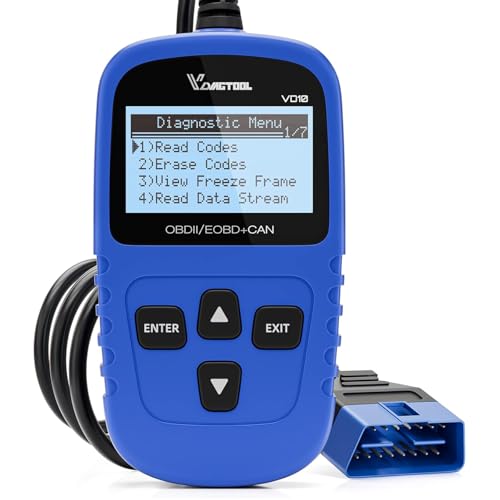
VDIAGTOOL
VDIAGTOOL VD10 OBD2 Scanner Code Reader Car…
- 【A MUST-HAVE TOOL FOR DIYERS】 - VDIAGTOOL VD10 car code reader is an incredibly useful obd scanner for each car owner or hobbyist,…
- 【KEEP ENGINE IN GOOD STATUS】 - VDIAGTOOL check engine code reader brings a fast access to scan, read the car fault code, show its…
- 【READ/CLEAR CODES & DTC LOOKUP】- No search online & saving your time, this vehicle car code reader retrieves generic (P0, P2, P3,…
As an Amazon Associate I earn from qualifying purchases.
Oil reduces friction between moving metal parts. This stops them from grinding against each other. It also helps cool down hot engine parts.
Think of it like a coolant. Plus, it cleans out dirt and gunk that build up. It even helps seal gaps between pistons and cylinder walls.
Over time, oil gets old and dirty. It can lose its ability to do these jobs. Tiny metal bits from wear and tear get into it.
Dust and other things can also get in. Heat can break down the oil. This makes it less thick and protective.
Old oil might not lubricate well. It could also fail to keep parts cool. This is why checking and changing your oil is so important.
When Should You Check Car Engine Oil?
There are specific times when checking your car’s engine oil is most important. Making these checks part of your routine can save you a lot of trouble. It’s not just about checking when a light comes on.
Proactive checks are the best way to go.
Before Major Drives
Before you head out on a long road trip, check your oil. You don’t want your oil level to be low when you’re miles from anywhere. A low oil level can cause serious engine damage.
This is especially true if you’re driving long distances at highway speeds.
When you’re on a long drive, your engine works harder. It uses more oil. This means a small leak or a slightly low level can become a big problem quickly.
Checking before you leave gives you peace of mind. You know your car is ready for the journey. It also lets you fix any issues before they become emergencies.
After the Engine Cools Slightly
The best time to check your oil is when the engine has been turned off for a few minutes. About five to ten minutes is usually good. This allows the oil to drain back down into the oil pan.
The oil pan is at the bottom of the engine. If you check the oil right after turning the engine off, some oil will still be up in the engine parts. This can make the reading seem higher than it really is.
Letting it sit ensures you get an accurate reading. You want to see the true level of oil in the pan. This makes sure your dipstick reading is correct.
It helps you know if you need to add more oil. Or if the level is just right. This simple step makes a big difference in accuracy.
Regularly as Per Schedule
Your car’s owner’s manual is your best friend here. It will tell you how often the manufacturer suggests you check your oil. Some cars might say every few thousand miles.
Others might suggest checking it every month. It’s a good idea to stick to this schedule.
Think of it like going to the doctor for a check-up. Regular checks prevent bigger health problems. Regular oil checks prevent bigger car problems.
Many people forget to check unless a light pops on. This is often too late. A little bit of preventative checking goes a long way.
It helps keep your engine happy and healthy.
When Warning Lights Appear
Most modern cars have a warning light for oil. This might be a red oil can symbol. Or it might say “Oil Pressure Low.” If this light comes on, it means there’s a serious problem.
It could be that the oil level is very low. Or it could mean the oil pump isn’t working right. Or the oil pressure is too low.
When you see this light, you should stop driving as soon as it’s safe to do so. Pull over to the side of the road. Turn off the engine.
Then, check your oil level. If it’s very low, add oil. But even if you add oil, you should still get it checked by a mechanic.
This light is a sign that something needs immediate attention. Ignoring it can destroy your engine very quickly.
How to Check Your Car’s Engine Oil
Checking your oil is not hard. Most people can do it. It takes just a few minutes.
First, find a flat, level surface to park your car. This is very important for an accurate reading. Make sure the engine has cooled for a bit, as we discussed.
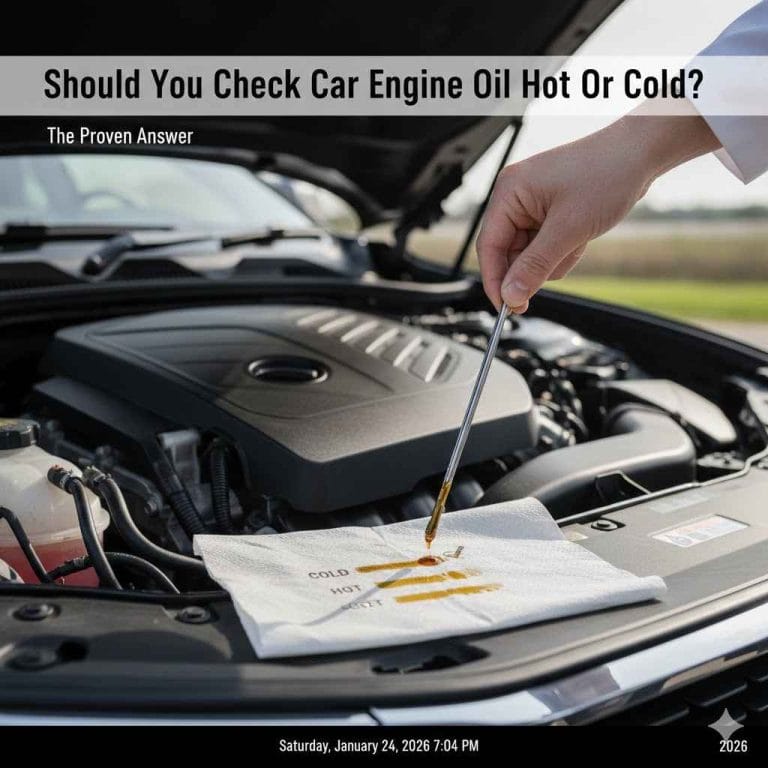
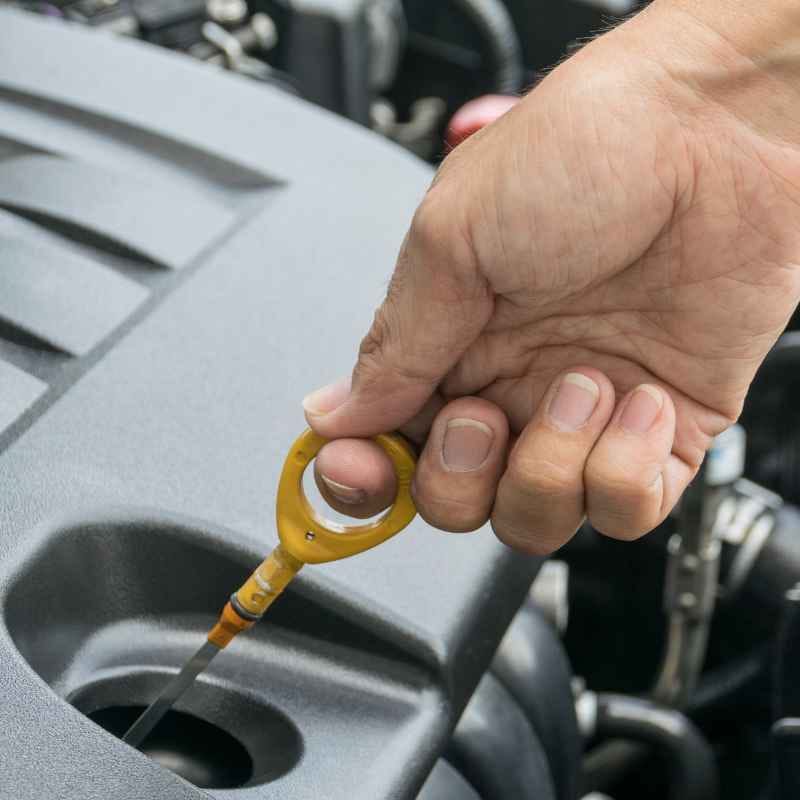
Open the hood of your car. You’ll need to find the dipstick. It usually has a brightly colored handle, often yellow or orange.
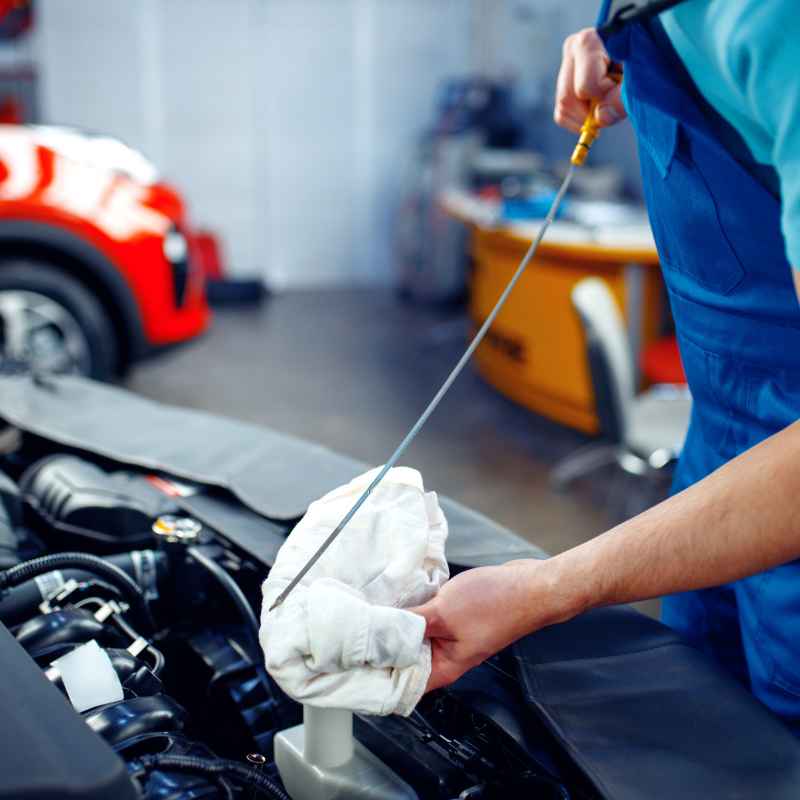
Pull the dipstick all the way out. Use a clean rag or paper towel to wipe it clean. Then, push it all the way back in.
Pull it out again.
Look at the end of the dipstick. You will see markings. These usually look like two dots or lines.
Or they might say “Min” and “Max.” The oil level should be between these two marks. If the oil is below the lower mark, you need to add oil. If it is above the top mark, it might be overfilled, which can also cause problems.
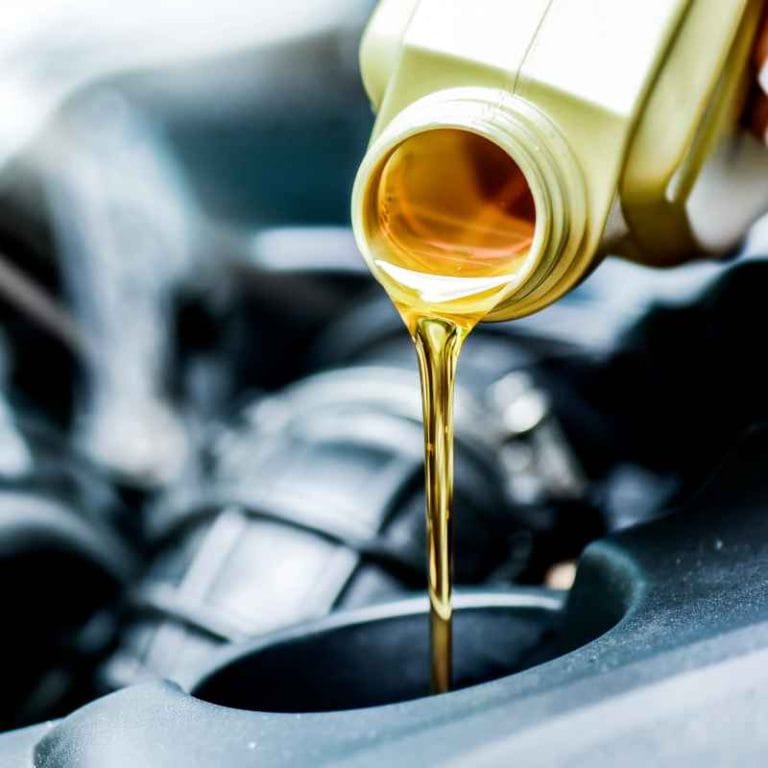
When you add oil, use the type recommended in your owner’s manual. You can usually add it through a cap on top of the engine. This cap often has an oil can symbol.
Add a small amount at a time. Then wait a few minutes and recheck the dipstick. You don’t want to overfill it.
Also, look at the condition of the oil. New oil is usually clear or light brown. Old oil can be dark brown or black.
If it looks very black, has particles in it, or smells burnt, it’s probably time for an oil change. This is a sign that the oil is not working well anymore.
Oil Condition: What to Look For
Color: Fresh oil is usually amber or light brown. It should be translucent, meaning you can almost see through it. As oil ages, it darkens.
It can turn a deep brown or even black. This darkening is normal as it picks up soot and debris. However, if it’s black and thick like tar, it’s very old.
Consistency: Good oil flows easily. If it feels thick and sludgy on the dipstick, it’s losing its effectiveness. Sludge can clog oil passages, starving the engine of lubrication.
This is a serious problem.
Smell: Burnt oil smells bad. If you sniff your dipstick and it smells like burnt toast or burning plastic, it’s a sign of overheating. This can happen if the oil is low or if the engine is working too hard.
Particles: You might see tiny, shiny metal flakes in the oil. This indicates wear inside the engine. Small amounts might be normal during break-in.
But large amounts or gritty particles suggest a problem. It means metal parts are grinding together.
Why Checking Oil Level is Crucial
Let’s talk more about why this really matters. Not checking your oil can lead to some very expensive repairs. Or worse, a completely ruined engine.
Engines have many moving parts. They need constant lubrication to work without damaging themselves. Oil is what provides this lubrication.
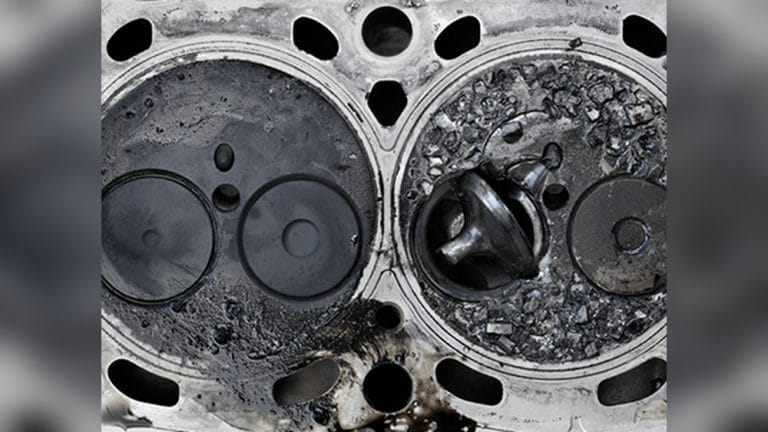
If the oil level gets too low, these metal parts start to touch. They scrape against each other. This creates heat.
It also creates metal shavings. This process is called friction. Friction is bad for engines.
It wears down parts quickly. The heat can warp or melt components.
A lack of oil can cause parts like the crankshaft, camshaft, and pistons to seize. Seize means they get stuck. They stop moving.
This can cause the engine to stop running. It might even break apart. This is why keeping the oil level correct is one of the most important things you can do for your car.
Common Mistakes People Make
So, what are the common slips people make when it comes to checking oil? It’s usually not because they don’t care. It’s often due to not knowing or forgetting.
Common Oil Checking Mistakes
- Checking on Uneven Ground: Parking on a hill or a sloped driveway will give you a false reading. Always park on a flat surface.
- Checking a Hot Engine: Immediately after turning off a hot engine, oil is still in the upper parts. Wait 5-10 minutes for it to drain down.
- Not Wiping the Dipstick: If you don’t wipe the dipstick clean before the second pull, dirt or old oil can cling to it. This affects the reading.
- Forgetting to Reinsert the Dipstick: This is a big one! If the dipstick is left out, dirt and water can get into the engine. It can also cause oil to spray out.
- Ignoring Warning Lights: The oil pressure warning light is serious. Many people delay checking their oil when it comes on. This is a costly mistake.
- Using the Wrong Oil: Always use the type and weight of oil recommended by your car manufacturer. Using the wrong oil can hurt performance and engine health.
Another mistake is not checking the oil’s condition. They might see the level is okay. But they don’t look at how dark or dirty the oil is.
Old, dirty oil can’t protect the engine as well. It needs to be changed.
Some people also worry about overfilling. They might add a little oil. Then check it.
See it’s still a bit low. Add more. Then check again.
This can lead to adding too much oil. Overfilling is also bad. It can cause the engine to foam.
It can damage seals and gaskets. It’s better to add oil slowly. Check often.
Stop when it’s in the right range.
When is Oil Level “Normal” vs. “Concerning”?
Let’s break down what you should see on the dipstick. And what might signal a problem.
Oil Level Guide
Normal Range:
The oil level should be between the “Min” and “Max” marks on the dipstick. Or between the two dots. Ideally, it should be close to the “Max” mark.
This means your engine has enough oil for proper lubrication.
Low (But Still Okay to Drive Briefly):
If the oil level is below the “Min” mark but still visible on the dipstick, it’s low. You should add oil soon. You can usually drive to a store to get oil.
But avoid long trips or hard driving. Get it topped up promptly.
Concerningly Low:
If the oil level is below the very end of the dipstick, or if the dipstick comes out dry, this is concerning. The engine has very little oil. You should not drive the car.
Add oil immediately, or have it towed.
Overfilled:
If the oil level is significantly above the “Max” mark, the engine is overfilled. This can cause issues like oil foaming and damage to seals. If it’s just a little over, it might be fine.
If it’s much over, you may need to have some oil drained.
What about oil consumption? Some cars use a little oil. This is normal.
Over time, oil can burn off. Or it can leak. Cars with higher mileage might use more oil.
It’s common for a car to use about a quart of oil between oil changes. Your owner’s manual might give you a guide for this.
If you notice your oil level dropping much faster than expected, that’s concerning. If you have to add oil every week, for example, there might be a leak or the engine is burning oil. This needs to be investigated by a mechanic.
The Role of Oil Changes
Checking your oil is one part. Changing your oil is the other. Oil changes are vital.
They
How often should you change your oil? This used to be a set number, like every 3,000 miles. But modern cars and modern oils are better.
Many cars can go 5,000, 7,500, or even 10,000 miles between changes. Again, check your owner’s manual. It will give you the best recommendation based on your car.
Factors like driving habits matter. If you do a lot of short trips where the engine doesn’t get fully warm. Or if you drive in dusty conditions.
Or if you tow heavy loads. These might mean you need to change your oil more often than the manual suggests. Some cars have a “maintenance minder” system that tells you when it’s time for an oil change based on your driving.
When you get an oil change, the oil filter is usually changed too. The oil filter cleans the oil. It catches the dirt and debris.
Over time, the filter gets clogged. A fresh filter ensures the oil stays clean longer.
When Oil Changes Become Critical
Ignoring oil changes is a fast track to engine failure. Old oil doesn’t lubricate well. It doesn’t cool well.
It can become acidic and corrosive. It can turn into sludge. This sludge can block the small oil passages.
These passages feed oil to critical parts.
I remember a friend who was always busy. She thought oil changes were a waste of time and money. She’d skip them for months.
Then one day, her car just died. The engine made horrible noises. It turned out that sludge had clogged the oil pump.
The engine didn’t get any oil at all. It was completely destroyed. The repair cost more than the car was worth.
It was a tough lesson for her.
The cost of regular oil changes is tiny compared to the cost of an engine rebuild or replacement. It’s one of the cheapest ways to protect your investment in your car. And it ensures your car can get you where you need to go reliably.
Understanding Oil Viscosity
You might see numbers on the oil bottle, like 5W-30. This is the oil’s viscosity. Viscosity is a measure of how thick or thin the oil is.
The “W” stands for “Winter.” The first number is the oil’s thickness when cold. The second number is its thickness when hot.
For example, 5W-30 oil is thinner when cold (5) than it is when hot (30). This is important because cold oil needs to flow easily to the engine parts when you first start the car. Hot oil needs to be thick enough to create a protective film between moving parts when the engine is running at high temperatures.
Your car’s manufacturer specifies the correct oil viscosity for its engine. Using the wrong viscosity can affect how well your engine is lubricated. It can also impact fuel efficiency.
Always use the weight recommended in your owner’s manual.
Signs Your Engine Oil Needs Attention
Beyond the dipstick and warning lights, there are other subtle signs. They might indicate your oil needs attention. These are things to listen and feel for.
Listen to Your Engine
Knocking or Tapping Sounds: If you hear knocking or tapping sounds from the engine, especially when it’s running, it could mean parts aren’t getting enough oil. This is a sign of friction. It needs immediate attention.
Sputtering or Hesitation: Sometimes, if the oil level is very low, the engine might run rough. It might sputter or hesitate when you try to accelerate. This is the engine struggling.
Blue Smoke from Exhaust: If you see blue smoke coming from your tailpipe, it can mean oil is burning. This happens when oil leaks into the combustion chamber. This is often a sign of worn piston rings or seals.
It means the oil needs to be checked and the engine inspected.
Overheating: While coolant is the primary cooling fluid, oil also plays a role. If the oil is old, dirty, or too low, it can’t dissipate heat effectively. This can contribute to the engine overheating.
I once drove a car with a bad oil leak. I didn’t realize how bad it was. The oil light came on and off.
I ignored it, thinking it was just a sensor issue. Then I started hearing a loud knocking. The engine seized up within a mile.
That was a painful lesson in listening to my car.
Pay attention to how your car feels and sounds. These senses can tell you a lot. Don’t ignore unusual noises or behaviors.
They are your car’s way of telling you it needs help. And often, the first thing to check is the oil.
When to Call a Mechanic
While checking and topping up oil is easy, some situations require professional help. Don’t hesitate to call a mechanic if:
- The oil pressure warning light stays on, even after adding oil.
- You see a significant leak under your car.
- The oil looks like chocolate milk or has a lot of gunk in it.
- Your engine is making loud knocking or grinding noises.
- You’ve added a lot of oil, and the dipstick still shows it’s very low.
- You’re unsure about the type of oil to use or how to check it properly.
- Your car is consuming oil much faster than expected.
A good mechanic can diagnose oil-related problems. They can check for leaks. They can assess internal engine wear.
They can also advise on the best maintenance schedule for your specific vehicle and driving conditions.
The Evolving World of Engine Oil
Engine technology has come a long way. So has engine oil. Today’s synthetic oils offer superior protection.
They resist breaking down at high temperatures. They flow better in cold weather. They can often extend the time between oil changes.
However, even the best oil needs to be replaced eventually. It still gets dirty. It still loses its properties.
So, while technology helps, regular checks and changes remain essential. Your owner’s manual is always the best source of information for your car.
What This Means for You
Checking your car’s engine oil should become a habit. Aim for it once a month. Or before any significant trip.
It takes only a few minutes. It can save you from costly repairs.
Knowing when to check your car engine oil is about being proactive. It’s about understanding your car’s basic needs. It’s not complicated.
It’s just a simple task that offers big rewards in terms of reliability and longevity.
Don’t wait for the warning light. Make checking your oil a part of your routine. It’s a small effort for a huge benefit.
Quick Checks and Tips
Here’s a quick summary of what to remember:
- Check Monthly: Make it a habit.
- Check Before Trips: Especially long ones.
- Flat Surface: Always.
- Cool Engine: Wait 5-10 minutes after turning it off.
- Wipe Dipstick: Clean, then reinsert, then pull again.
- Read Correctly: Between the Min/Max marks.
- Note Oil Condition: Color, smell, and debris.
- Use Right Oil: Per your owner’s manual.
- Don’t Overfill: Add small amounts at a time.
- Listen to Your Car: Unusual sounds are important.

Frequently Asked Questions
How often should I check my car’s engine oil?
It’s a good idea to check your car’s engine oil at least once a month. Also, check it before any long road trip. Your car’s owner’s manual may have a specific recommendation, so always refer to that.
What happens if I don’t check my engine oil?
If you don’t check your engine oil, it can become low. Low oil means parts of your engine won’t be lubricated. This can cause friction, overheating, and severe damage.
It might even lead to the engine failing completely, which is very expensive to fix.
Can I check my oil when the engine is hot?
It’s best to check your oil after the engine has cooled for about 5 to 10 minutes. If you check it when it’s too hot, some oil will still be in the upper parts of the engine. This can give you a reading that seems higher than the actual oil level in the oil pan.
My oil looks black. Is that bad?
Some darkening of the oil is normal as it collects dirt and byproducts from the engine. However, if the oil is very thick, sludgy, or has a burnt smell, it’s a sign that it’s old and needs to be changed. Black oil with tiny metal flakes can indicate internal engine wear.
What is the “W” in oil viscosity like 5W-30?
The “W” stands for “Winter.” The first number (like 5 in 5W-30) tells you how well the oil flows when the engine is cold. A lower number means it flows better in cold weather. The second number (like 30 in 5W-30) tells you how thick the oil is when the engine is hot.
The manufacturer recommends the best viscosity for your car.
What does the oil pressure light mean?
The oil pressure light is a serious warning. It means the engine is not getting enough oil pressure. This could be due to very low oil level, a bad oil pump, or other issues.
If this light comes on, pull over safely and turn off the engine immediately. Check your oil level. If it’s low, add oil.
But get it checked by a mechanic right away.
Conclusion
Taking a few minutes each month to check your car’s engine oil is a simple act of care. It protects your car’s most important component. It helps prevent costly damage.
And it ensures your car serves you well for many years. Make it a habit, and your engine will thank you.
Related pick: Check today's price on Amazon