What Car Light Looks Like A Courthouse? Dashboard Guide
It can be really unsettling when a strange light pops up on your car’s dashboard. You’re driving along, everything feels normal, and then bam – there it is. A little symbol that looks oddly familiar, maybe like a tiny building with a dome or columns. Is it a courthouse? A temple? What on earth could it mean for your car?
This is a common moment of confusion for many drivers. You might start to feel a little panic creep in. Is your car about to break down? Is it something serious? You might even find yourself wondering if you’re the only one who’s ever seen this specific light. You’re definitely not alone.
This guide is here to help you understand exactly what that courthouse-like symbol means. We’ll break down what it’s actually trying to tell you. We’ll also cover other dashboard lights that can look confusing. By the end, you’ll feel much more confident about what to do when you see any warning light. Let’s clear up this mystery together.
The car light that resembles a courthouse usually points to a problem with your car’s anti-lock braking system (ABS). This light indicates that the ABS is not functioning correctly, but your regular brakes should still work. It’s important to get it checked soon.
Understanding Your Dashboard’s Warning Lights
Your car’s dashboard is like a control panel. It has many small lights. These lights are like little messengers. They tell you when something is happening with your car. Some are good news, like when your turn signal is on. Others are warnings. They tell you there’s an issue that needs your attention.
The light that looks like a courthouse is most often related to your car’s anti-lock braking system, or ABS. The ABS is a safety feature. It helps you keep control of your steering when you brake hard. It stops your wheels from locking up. This helps you avoid skidding.
When the ABS light comes on, it means the system is not working right. It’s like the car is saying, “Hey, my fancy anti-skid brakes aren’t kicking in properly.” This doesn’t mean your regular brakes are gone. They should still work. But you might not have that extra safety net if you need to stop suddenly on a slippery road.
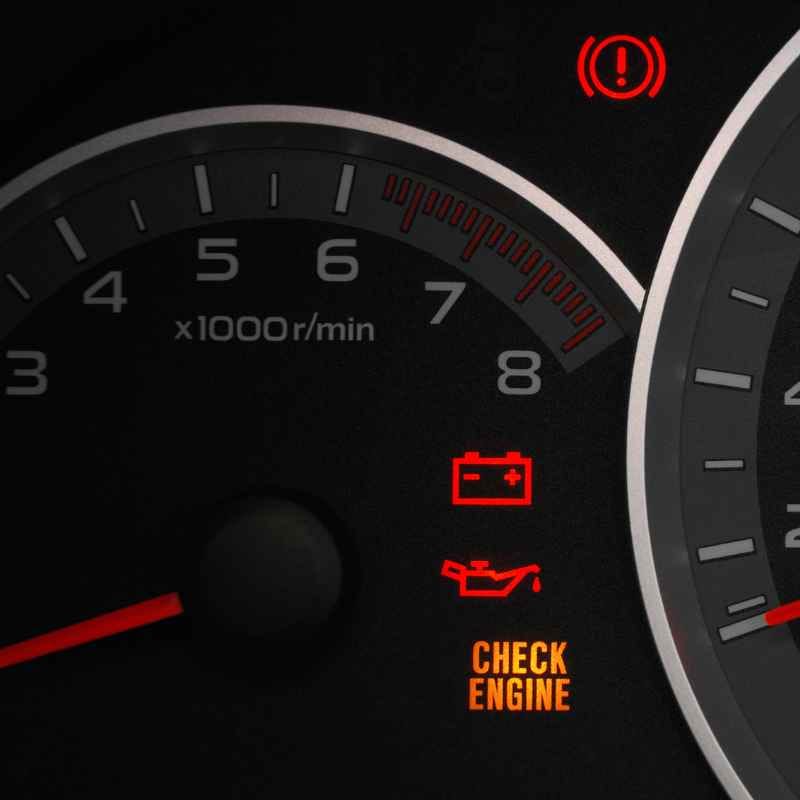
It’s crucial to know that this light is different from the main brake warning light. The main brake light is usually red. It often looks like a circle with an exclamation mark inside, or the letters “BRAKE”. If that red light comes on, it’s usually a more urgent problem. It could mean your brake fluid is low. Or there’s a serious issue with your braking system.
So, if you see the courthouse-like light, take a breath. It’s important information. It’s telling you to get your ABS system checked. It’s not usually an immediate emergency stopping your trip. But it’s best not to ignore it for too long.
My Own “Courthouse” Light Scare
I remember one chilly Tuesday morning. I was heading out to meet a client. It was still a bit dark out. I started my old sedan, and everything seemed fine. I backed out of my driveway, turned onto the street, and then I saw it. A little symbol that looked exactly like a courthouse. My heart did a little flip.
I know a lot about cars, but seeing that light in my own vehicle, unannounced, still sent a jolt of annoyance through me. My mind raced through possibilities. Was it the brakes? Was it something with the computer system? I gripped the steering wheel a little tighter. The road felt suddenly less friendly.
I immediately thought about the worst-case scenarios. Was it going to fail on me miles from home? Would I have to pay a fortune to fix it? I’d seen the brake light come on before, which felt more serious. This one was different. It was more subtle, but still concerning. I felt that familiar pang of helplessness that comes when your car starts acting up.
I decided to take it easy. I avoided any hard braking. I kept a safe distance from other cars. I tried to remember if I’d noticed any funny sounds or feelings from the brakes recently. Nothing came to mind. This made it even more puzzling. It was a quiet, persistent reminder that something wasn’t quite right. I finished my drive very carefully and made a mental note to get it checked the very next day. That little courthouse light really made me pay attention.
What Does the ABS Light Really Mean?
Let’s dive a bit deeper into the ABS light. It’s usually a yellow or orange color. This is often a clue that it’s not an immediate, critical failure. Yellow lights are generally advisory. They suggest you should investigate, but you don’t usually need to pull over right away. Red lights, on the other hand, are almost always urgent.
When the ABS warning light shows up, it means one of the sensors or components in your ABS system might be having a problem. The ABS uses wheel speed sensors. These sensors monitor how fast each wheel is spinning. This information is sent to the ABS control module. If one of these sensors isn’t sending good data, or if the control module itself has an issue, the light will come on.
Other things that can trigger the ABS light include:
A problem with the hydraulic pump.
A faulty ABS fuse.
Wiring issues connected to the ABS system.
Low brake fluid levels (though this often triggers the main brake light too).
It’s important to remember that your car still has conventional brakes. These brakes work using hydraulic pressure to squeeze the brake pads against the rotors. This system is very robust. So, even if your ABS light is on, your regular brakes should still be operational. You just won’t have the anti-lock feature.
This means you can usually drive the car to a mechanic. You’ll just need to be more cautious, especially in wet or icy conditions. If you stomp on the brakes, your wheels might lock up. This can lead to a skid. So, gentle and steady braking is key.
ABS vs. Regular Brakes: A Quick Look
ABS vs. Regular Brakes
Regular Brakes:
- Apply constant pressure to stop the car.
- Wheels can lock up during hard braking.
- Risk of skidding if wheels lock.
Anti-lock Braking System (ABS):
- Applies and releases brake pressure rapidly.
- Prevents wheels from locking up.
- Helps maintain steering control during hard braking.
- Reduces the risk of skidding.
Common Car Dashboard Lights and What They Mean
The “courthouse” light is just one of many symbols that can appear. Knowing the common ones can save you a lot of worry. Let’s look at a few.
The Temperature Gauge Light
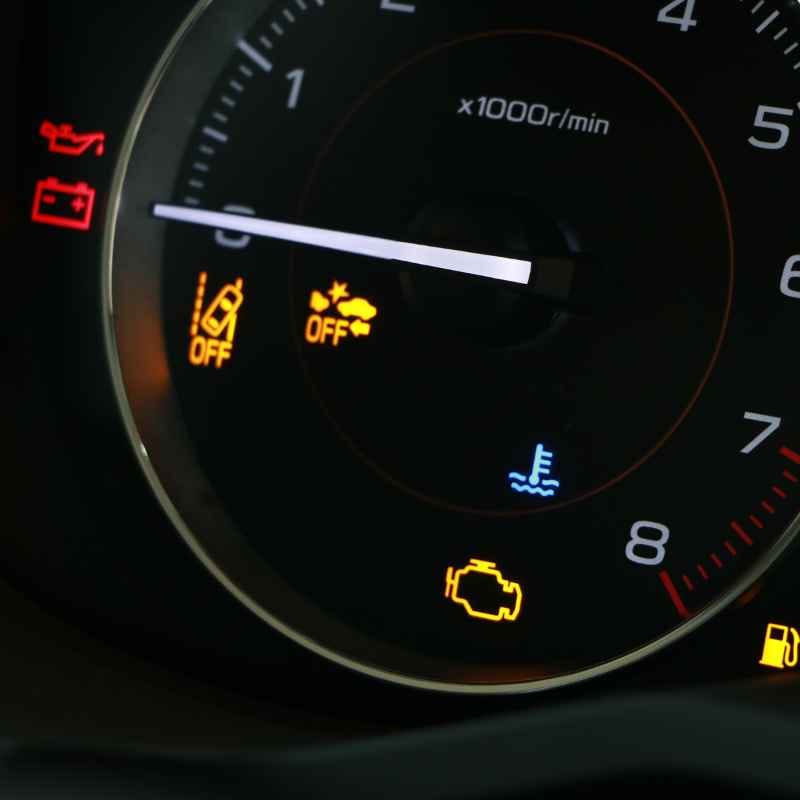
This light often looks like a thermometer. It can be red or blue. If it turns red, it means your engine is overheating. This is serious. You should pull over safely as soon as you can. Turn off the engine. Let it cool down. Do not try to open the radiator cap when it’s hot.
The Oil Pressure Light
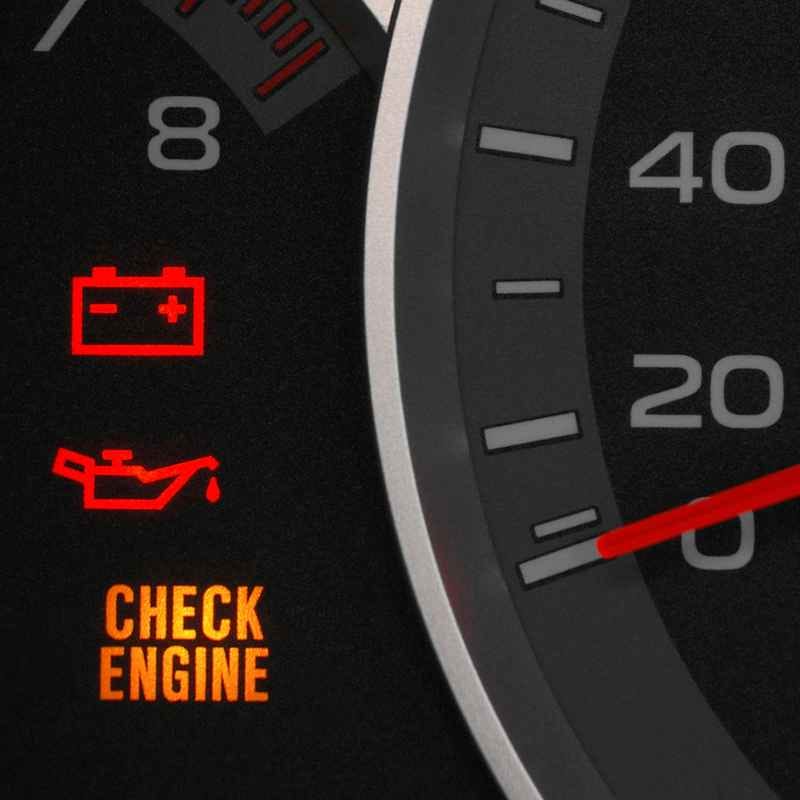
This light looks like an old-fashioned oil can. If it comes on, it means your engine oil pressure is low. This is also a serious problem. Low oil pressure can cause severe engine damage. If this light comes on, stop driving immediately and check your oil level. Add oil if needed. If the light stays on, you’ll need a mechanic.
The Battery Light
This symbol looks like a battery. It means there’s an issue with your car’s charging system. Your battery might not be charging properly. Or there might be a problem with the alternator. You can usually drive for a little while on battery power alone. But eventually, your car will die. Get this checked quickly.
The Check Engine Light
This is a very common one. It looks like an engine outline. It can mean many things. It could be a loose gas cap. Or it could be a more complex engine issue. Often, this light will stay on. Sometimes it blinks. A blinking check engine light is usually more serious. It means there’s a problem that could damage your engine. You should get it checked soon.
Tire Pressure Monitoring System (TPMS) Light
This light looks like a deflated tire with an exclamation mark inside. It means one or more of your tires have low air pressure. This is important for safety and fuel efficiency. Check your tire pressure when the tires are cold. Add air as needed. If the light stays on, there might be a leak. Or there could be a problem with the TPMS sensor itself.
Real-World Scenarios for ABS Light Activation
Imagine driving through a sudden downpour. The roads get slick very quickly. You’re approaching a red light. You press the brake pedal. If your ABS is working perfectly, you’ll feel a pulsing sensation through the pedal. The car will slow down without skidding. Your steering wheel will remain easy to turn.
Now, imagine the same scenario, but your ABS light is on. You brake hard. Your wheels might lock up. The car could start to skid. You might lose the ability to steer effectively. This is why the ABS is such a vital safety feature.
Another common situation is driving on gravel or dirt roads. These surfaces are loose. They can be tricky to brake on. The ABS helps prevent the wheels from locking up. This allows you to maintain some control even on challenging surfaces.
Consider a situation where you’re driving in winter conditions. Ice and snow make braking much harder. The ABS system is designed to help you manage these slippery conditions. When the light is on, you lose this benefit. You have to rely solely on your conventional braking. This means being extra gentle and anticipating stops much further in advance.
Even small things can trigger the ABS light. A little bit of dirt or debris can get on a wheel speed sensor. This can temporarily affect its reading. Sometimes, hitting a big pothole can jar a sensor loose. These are usually minor issues. But they still tell the car’s computer that something is off.
Understanding the “Courthouse” Symbol
The symbol often described as a “courthouse” is technically the ABS warning light. Its appearance can vary slightly between car manufacturers. However, it generally features a circle with lines inside, resembling a wheel or a gear. Some people see the enclosed lines as pillars and a roof, hence the courthouse comparison. Others see it more like a stylized gear.
It’s a universal symbol that communicates a specific message: the Anti-lock Braking System is experiencing an issue. It’s not a sign of impending doom, but it is a call for attention.
What Happens When the ABS Light Comes On?
When the ABS warning light illuminates on your dashboard, several things happen. First, the car’s computer system notes the fault. It logs a diagnostic trouble code (DTC). This code helps a mechanic pinpoint the exact problem later.
Second, the ABS system itself is typically deactivated. Your car reverts to using its conventional braking system. This is why you can usually continue to drive. Your standard brakes will still engage when you press the pedal.
However, you lose the benefits of ABS. This means:
Reduced Steering Control: During emergency braking, if your wheels lock up, you won’t be able to steer around obstacles as effectively.
Longer Stopping Distances (in some conditions): While ABS is designed to shorten stopping distances in most situations, in very loose surfaces like gravel or deep snow, locked wheels might actually stop faster. However, for most paved road conditions, ABS helps.
Potential for Skidding: The primary function of ABS is to prevent skidding. Without it, you are more susceptible to losing traction.
It’s also worth noting that sometimes the ABS light comes on briefly and then turns off. This can happen if the fault was temporary. For example, if a wheel speed sensor was temporarily blocked by mud. If it stays on, it indicates a more persistent issue.
Quick Checks When Your ABS Light Appears
Quick Checks You Can Do
Check Your Brake Fluid: While not directly an ABS issue, low brake fluid can sometimes trigger ABS lights indirectly. Locate your brake fluid reservoir. Ensure the level is between the MIN and MAX lines.
If it’s low, add the correct type of brake fluid.
Inspect Tires: Make sure all your tires are properly inflated. Uneven tire pressure or worn tires can sometimes interfere with ABS sensors. Check your tire pressure with a gauge when the tires are cold.
Check for Obvious Damage: Look under your car for any obvious signs of damage to brake lines or sensors, especially if you recently hit a pothole or curb.
Listen for Strange Noises: While braking, listen for any grinding, squealing, or clicking sounds that weren’t there before. This can indicate a brake system problem.
When to Worry and When Not To
The ABS warning light, that courthouse symbol, is generally not an immediate “stop the car right now” situation. As mentioned, your regular brakes should still function. This means you can usually drive your car to a mechanic’s shop. It’s like getting a notice that a specific piece of advanced technology isn’t working, but the core function (stopping) is still there.
You should worry, or at least be very cautious, if:
The ABS light comes on at the same time as the main red brake warning light. This suggests a more serious braking system failure.
You notice a significant change in how your brakes feel. If the pedal feels spongy, goes to the floor, or you hear loud grinding noises.
You experience any loss of braking power.
You are driving in hazardous conditions (heavy rain, snow, ice) and the light is on. You need to be extra careful.
If only the ABS light is on, and your brakes otherwise feel normal, it’s a good idea to get it checked within a few days. Don’t ignore it completely. The ABS system is a critical safety feature. You want it to be in good working order, especially for unexpected situations.
Think of it like this: If your car’s cruise control stops working, you don’t panic. You just drive the old-fashioned way. But if your power steering stops working, that’s a much bigger deal. The ABS light is somewhere in between. It’s important, but it doesn’t typically render your car undrivable in the immediate sense.
Common Causes and Simple Fixes
As we touched upon, there are several reasons the ABS light might illuminate. Let’s explore them further and see if any simple fixes apply.
Wheel Speed Sensor Issues
This is one of the most frequent culprits. Each wheel has a sensor that measures its rotation speed. If one of these sensors is dirty, damaged, or has a loose connection, it can send incorrect information to the ABS module.
Simple Fix?: Sometimes, if a sensor is just dirty, a good cleaning by a mechanic might resolve it. If it’s damaged, it will need replacement. If it’s a loose wire, resecuring it can fix the problem.
ABS Control Module Problems
The ABS control module is the brain of the system. It receives data from the sensors and tells the hydraulic system what to do. These modules are complex. They can fail over time due to electrical issues or wear and tear.
Simple Fix?: Module problems are usually not a DIY fix. They often require specialized diagnostic tools and replacement of the module itself. This can be one of the more expensive repairs.
Low Brake Fluid Level
While the primary brake warning light usually comes on for low fluid, it can sometimes affect ABS. The ABS system relies on hydraulic pressure. If there isn’t enough fluid, the system may not operate correctly.
Simple Fix?: As mentioned earlier, check your brake fluid level. Ensure it’s topped up to the correct mark. Use the exact type of brake fluid specified in your owner’s manual.
Leaking Brake Lines or Calipers
A leak anywhere in the brake hydraulic system can cause a drop in pressure. This can affect both the conventional brakes and the ABS.
Simple Fix?: Fixing leaks involves repairing or replacing the damaged brake lines, hoses, or calipers. This is a job for a qualified mechanic.
Fuses and Relays
Like any electrical system, the ABS has fuses and relays that can blow or fail.
Simple Fix?: You can check your car’s fuse box (refer to your owner’s manual for location and diagram). If you find a blown fuse related to the ABS, you can replace it. However, if it blows again immediately, there’s a deeper electrical issue.
Aftermarket Wheel or Tire Changes
Sometimes, changing to non-standard wheels or tires can cause issues. The diameter or offset of the wheel can affect how the wheel speed sensors read.
Simple Fix?: If the light came on right after changing wheels or tires, consider putting the original ones back on to see if the light goes away.
Navigating Driving With the ABS Light On
Driving with the ABS light on requires a conscious shift in your driving habits. You need to be more aware and more cautious.
Here’s how to navigate it safely:
1. Gentle Braking is Key: Avoid sudden, hard braking whenever possible. Press the brake pedal smoothly and gradually. This minimizes the chance of your wheels locking up.
2. Increase Following Distance: Give yourself more space between your car and the vehicle in front. This extra room provides more time to react and brake gently if needed.
3. Be Extra Cautious in Bad Weather: Wet, icy, or snowy roads are already challenging. Without ABS, they become significantly more dangerous. Plan your trips carefully during these conditions. Consider delaying your travel if possible.
4. Avoid Hard Steering While Braking: If you need to brake hard and steer at the same time, the risk of skidding is higher without ABS. Try to brake in a straight line as much as possible before steering.
5. Listen to Your Brakes: Pay attention to any unusual sounds. Grinding, squealing, or clicking noises can indicate other brake issues in addition to the ABS problem.
6. Get it Diagnosed Promptly: While you can drive with the light on, don’t delay getting it checked. The sooner you identify and fix the problem, the safer you and your car will be.
What If the Light Flashes?
In some cars, the ABS light might flash briefly or behave erratically. This often indicates an intermittent fault. It could be a loose connection that’s making and breaking contact. Or it could be a sensor that’s giving sporadic bad readings. While less alarming than a solid, steady light, it still points to a problem that needs attention. It’s wise to have it checked soon to prevent it from becoming a constant issue.
Frequent Questions About the “Courthouse” Car Light
What does the car light that looks like a courthouse mean?
The car light that resembles a courthouse is typically the Anti-lock Braking System (ABS) warning light. It indicates that there is a problem with your car’s ABS, which helps prevent skidding during hard braking.
Can I still drive my car if the ABS light is on?
Yes, in most cases, you can still drive your car if the ABS light is on. Your regular brakes will still work. However, you will not have the anti-lock braking feature, which can affect steering control during emergency stops.
Is the ABS light a serious problem?
It’s a serious enough issue to warrant attention, but not usually an immediate emergency. It means a safety feature is not working correctly. It’s best to have it diagnosed and repaired by a mechanic soon.
How do I fix the ABS warning light?
Fixing the ABS light requires diagnosing the specific problem. Common causes include faulty wheel speed sensors, issues with the ABS control module, low brake fluid, or electrical problems. A mechanic will use diagnostic tools to find the exact cause and perform the necessary repair.
Will my brakes work if the ABS light is on?
Yes, your conventional brakes should still work. The ABS light indicates a problem with the anti-lock feature, not necessarily with the entire braking system. However, you will lose the ability to steer effectively during hard braking if your wheels lock up.
How much does it cost to fix an ABS light?
The cost can vary widely depending on the issue. Replacing a wheel speed sensor might cost a few hundred dollars. A faulty ABS control module can cost much more, potentially over a thousand dollars in some cases. A diagnostic check by a mechanic is usually the first step.
Final Thoughts on Dashboard Mysteries
Seeing a warning light on your dashboard can be a stressful experience. That courthouse-like symbol is a common point of confusion. But now you know it’s almost always about your car’s ABS. It’s a sign that a helpful safety system needs attention.
Remember, this light is a communication tool. It’s not meant to scare you, but to inform you. While you can usually continue driving, it’s wise to get it checked. Your brakes are too important to ignore. By understanding what these lights mean, you’re taking a big step in keeping yourself and your car safe on the road. Drive smart, and stay informed!
See also car problem light symbols what each warning sign means.
Related pick: Check today's price on Amazon See also best way to deglaze car headlights for crystal clarity.