Does Car Engine Oil Go Out of Date? (5-7 Year Shelf Life)
Engine oil does not have a strict expiration date like food, but its quality degrades over time. Unused, sealed oil can last for several years. Opened or partially used oil may degrade faster due to contamination. Always check the oil’s appearance and viscosity before use and consult your car’s manual for recommended oil change intervals.
Understanding How Engine Oil Works
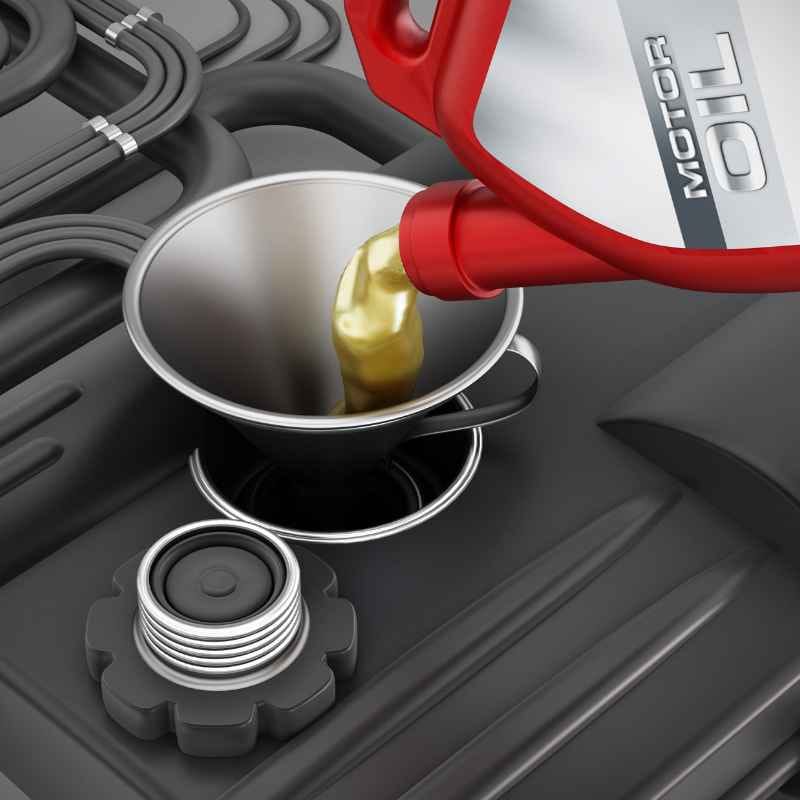
Engine oil does a lot for your car. It’s not just a lubricant. It helps keep things cool.
Best Motor Oil Pick
Mobil 1 Advanced Full Synthetic Motor Oil 5W-30 – $29.98
The full synthetic type this guide says holds up 6-7 years unopened, longer than conventional oil’s roughly 5-year shelf life.
- Best for: buying fresh oil that stores longer if you don’t use it right away
- Why we picked it: full synthetic formula this guide notes resists degradation better in the bottle
- Main drawback: costs more upfront than conventional oil
Compare more motor oil options
 Option 1 Castrol EDGE Full Synthetic Motor Oil 5W-30 – $23.97
|
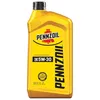 Option 2 Pennzoil Conventional Motor Oil 5W-30 (1 Quart) – $5.99
|
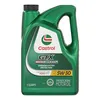 Option 3 Castrol GTX High Mileage Synthetic Blend 5W-30 – $25.97
|
As an Amazon Associate we earn from qualifying purchases.
It also stops parts from rusting. And it cleans out gunk that builds up over time. Think of it as a multi-tasking hero for your engine.
When oil is new, it’s a specific blend of base oils and additives. These additives are key. They do things like prevent wear.
They also help fight off foam. And they keep metal surfaces clean. This careful mix works perfectly when it’s made.
Over time, things change. The base oils can break down. This can happen from heat.
It can also happen from the stress of the engine running. The additives also get used up. They get tired.
They can’t do their job as well anymore. This is why oil needs to be changed.
Even oil that just sits in a bottle can change. Air and moisture can get in. Tiny bits of dirt can find their way in too.
This can start to break down the oil. It can also make the additives less effective. So, even new, sealed oil isn’t perfect forever.
What Happens to Oil Over Time?
Engine oil faces challenges both inside and outside the engine. Inside, it’s a tough job. It deals with extreme heat.
It also handles massive pressure. Plus, it picks up tiny metal bits. It also collects soot and dirt.
This all takes a toll.
Outside the engine, oil can still degrade. If a bottle is sealed, it’s pretty protected. But it’s not totally safe.
Over many years, some base oils can thicken. This is called oxidation. Heat exposure, even mild, can speed this up.
Additives are also a concern. They are designed to perform. But their power fades.
Antioxidants get used up first. This lets oxidation start. Detergents can get saturated.
They can’t pick up more dirt. Dispersants stop working as well. This lets sludge form.
Moisture is another enemy. Even in a sealed bottle, tiny amounts can get in. Once opened, it’s worse.
Water can cause rust. It can also break down oil components. This is why oil should be stored properly.
So, while oil doesn’t “spoil” like milk, its ability to protect your engine does fade. It’s more about losing its effectiveness than becoming toxic.
Signs Your Engine Oil Might Be Old
You can often tell if oil is past its prime. You just need to know what to look for. It’s like checking if fruit is still good.
You look for signs of spoilage.
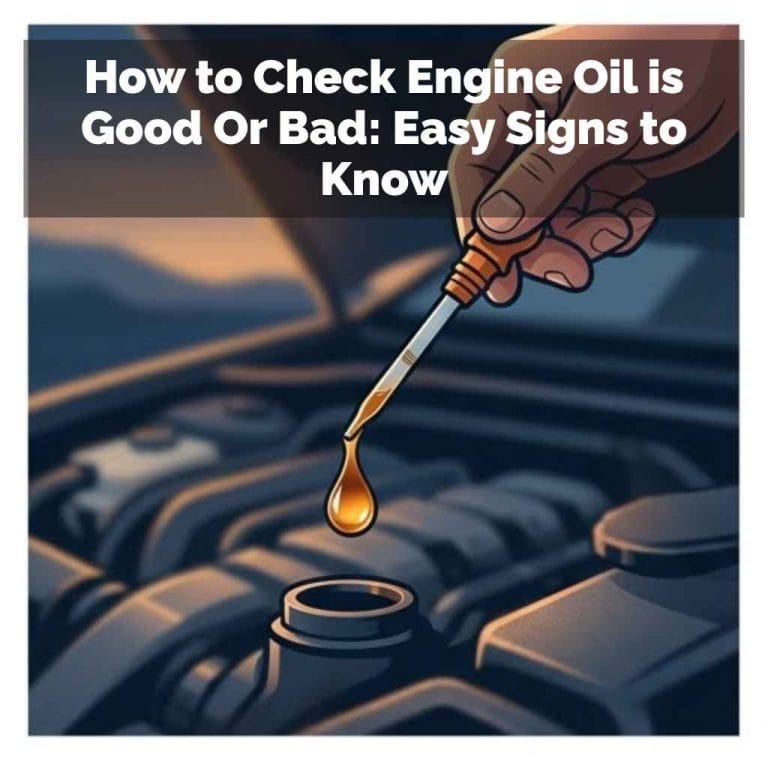
First, look at the color. New oil is usually a sort of amber or golden color. It looks clean.
Used oil gets dark. That’s normal. It’s picking up dirt.
But if you see oil that is very, very black. Or if it looks sludgy. That’s a bad sign.
It means it’s old or very dirty.
Next, check the smell. Old oil can smell burnt. This is from the heat.
It can also smell acrid. This is a sign of breakdown. A new oil smell is generally mild.
It might have a slight chemical scent. But a strong burnt smell is a warning.
Feel the texture. Be careful if you’re checking used oil from the engine. It will be hot.
But for oil in a bottle, you can sometimes feel it. If it feels gritty or thick. Or if it has particles floating in it.
This means it’s contaminated. It’s no longer smooth and slick.
For oil still in the bottle, shake it up. Does it look murky? Are there clumps?
Does it seem unusually thick or thin? These are signs of degradation. Even if the bottle was sealed, age can affect it.
If you’re unsure, it’s always best to err on the side of caution. Using old, worn-out oil can harm your engine. It’s a small risk to take for a big potential repair bill.
Quick Check: Oil in the Bottle
Appearance: Look for clarity. Cloudy or murky oil is suspect. Strange color changes, like very dark or milky, are bad.
Smell: A strong, burnt, or chemical odor suggests breakdown. Fresh oil has a mild scent.
Consistency: If it seems unusually thick or thin for its type, it may have degraded. Shake it to check for grit.
How Long Does Unused Engine Oil Last?
This is where people get confused. There isn’t a simple “best by” date. But there are general guidelines.
For sealed bottles of engine oil, it can last a good while. We’re talking several years.
Most experts say unopened, properly stored oil can be good for 5 years. Some even say up to 10 years. The base oils used are quite stable.
They don’t break down quickly when sealed.
However, a few things matter. Was it stored in a cool, dry place? Was it kept away from direct sunlight?
Extreme temperatures can affect it. High heat can speed up oxidation. Freezing temperatures can cause separation.
The type of oil also plays a small role. Synthetic oils tend to be more stable. They can last longer than conventional oils.
But the difference isn’t huge for unused oil.
Think of it like canned goods. They have “best by” dates. But they can often be safe to eat long after.
Oil is similar. Its protective qualities might lessen over time. But it won’t suddenly become harmful.
The main point is that quality decreases. So, using 5-year-old oil in your engine might not be as good as using fresh oil. Your engine deserves the best protection.
Especially if you can get it easily.
What About Opened or Partially Used Oil?
This is a different story. Once a bottle is opened, it’s exposed. Exposure means contamination is possible.
Air can get in. Moisture can get in. Dust and debris from your garage can get in.
If you open a bottle, it’s best to use it within a year. Two years at most, if stored well. Why?
Because the seals are broken. The additives can start to react with air. Moisture can condense inside.
Dirt can fall in.
I remember finding an old quart of oil in my dad’s shed. He’d opened it to top off his truck years ago. It sat there for maybe three years.
When I looked at it, it seemed okay. But when I shook it, I saw tiny particles. It looked a bit murky too.
I decided not to risk it for my car. It was better to buy a new one.
Partial containers are the most vulnerable. If you only used a little, the surface area exposed to air is larger. This speeds up oxidation.
It also makes it easier for moisture to affect it.
So, if you have an opened bottle, pay close attention. Check its color, smell, and feel. If you have any doubt at all, get new oil.
It’s a cheap insurance policy for your engine.
Storage Tips for Opened Oil
Seal Tightly: Screw the cap on as tight as you can. Consider an extra seal if possible.
Store Upright: This prevents leaks and minimizes air contact.
Cool, Dry Place: Avoid garages with extreme temperature swings. Keep it away from chemicals.
Label Clearly: Write the date you opened it and the type of oil on the bottle.
When Does Oil Actually Go Bad (Become Unusable)?
Engine oil doesn’t really “go bad” in the sense of spoiling and becoming toxic. It degrades. Its ability to perform its job diminishes.
It’s a gradual process. It becomes less effective. It offers less protection.
Oil becomes unusable when its protective properties are gone. This happens when the base oils are too broken down. Or when the additives are all used up.
Or when it’s heavily contaminated with water, dirt, or sludge.
If you put oil that is too old or degraded into your engine, bad things can happen. The oil won’t lubricate parts well. This causes friction.
Friction creates heat. Heat damages engine components.
You might start hearing strange noises. Like knocking or ticking. Your engine might overheat.
Warning lights could come on your dashboard. In severe cases, it can lead to catastrophic engine failure. That’s a very expensive repair.
Think of it like wearing old, worn-out shoes. They don’t provide good support. Your feet will hurt.
Eventually, you can injure yourself. Oil is the support for your engine. Old oil means poor support.
Poor support leads to damage.
The key is preventative maintenance. Changing your oil at the recommended intervals is vital. Using good quality oil.
And making sure any oil you use, even if it’s been sitting, is still up to the task.
Factors Affecting Oil Shelf Life
Several things can make oil go bad faster. Even if it’s still in the bottle.
Temperature: Extreme heat is a major enemy. It accelerates oxidation. It breaks down the oil’s structure.
High humidity can also introduce moisture. Freezing temperatures can cause the oil to separate.
Light: Direct sunlight can also degrade oil. It introduces UV rays. These rays can break down some of the oil’s components.
Air Exposure: This is the biggest factor for opened bottles. Oxygen causes oxidation. This changes the oil’s properties.
It makes it thicker and less effective.
Moisture: Water is a contaminant. It can cause rust. It can also interfere with the oil’s lubrication properties.
It can even lead to oil breakdown.
Contaminants: Dust, dirt, metal shavings – anything from your garage can get into oil. These particles can cause wear. They can clog oil passages.
I learned this the hard way once. I stored some oil in an old paint can. I thought it was sealed well.
Turns out, it wasn’t perfectly airtight. Over a year, the oil got a bit gunky. It wasn’t totally ruined, but it wasn’t ideal.
Since then, I always use the original container or a specifically designed oil storage jug.
Storage Environment Checklist
- Temperature: Consistent, moderate temperature (ideally 50-70°F or 10-21°C).
- Humidity: Low humidity is best.
- Light: Store in a dark place, like a cabinet or opaque container.
- Cleanliness: Keep the storage area free of dust and debris.
Synthetic vs. Conventional Oil Lifespan
There’s a difference between synthetic and conventional oil. And it often comes up when talking about lifespan. Synthetics are engineered in a lab.
They have a more uniform molecular structure.
This uniformity makes synthetic oils more stable. They resist heat better. They break down slower.
They also offer better protection at extreme temperatures. Both hot and cold.
For unused oil, synthetic might last a bit longer. Perhaps 6-7 years compared to 5 for conventional. But the difference isn’t massive.
Both will degrade over very long periods.
In the engine, synthetics also tend to last longer. They can often go 7,500 to 15,000 miles between changes. Conventional oil might need changing every 3,000 to 5,000 miles.
But this is about usage. For shelf life in a bottle, the differences are less pronounced. The main enemies – heat, air, moisture, and contamination – affect both.
However, synthetics generally have a slight edge in overall stability.
If you have a bottle of synthetic oil that’s a few years old, it’s likely still good. If it’s conventional oil that’s the same age, it might be slightly less potent. But still usable if it looks and smells fine.
Real-World Scenarios: When Might You Use Old Oil?
Let’s think about why you might even have old oil lying around.
Garage Find: You’re cleaning out the garage. You find a few bottles of oil. Some might be sealed.
Some might be open. You wonder if they’re still good.
Leftover from a Change: You changed your oil yourself. You had a quart left over. It’s been sitting in the trunk or a storage bin for a couple of years.
Estate Sale or Used Car Purchase: You buy a used car. The previous owner left some supplies. Or you buy items at an estate sale.
You find oil.
In these situations, it’s wise to assess. If it’s sealed and relatively new (say, under 3 years old) and stored well, it’s likely fine. If it’s open, or older than 3-4 years, you need to be more cautious.
One time, I was working on a classic car project. I had some specialized oil. I only used about half the bottle.
It sat for about 4 years. When I opened it again, it looked a bit thicker. The smell was a little off.
I ended up buying a fresh batch. The car was valuable, and I didn’t want to risk engine damage for a small saving.
Myth vs. Reality: Oil Shelf Life
Myth: Engine oil never goes bad.
Reality: Engine oil degrades over time. Its protective qualities diminish, especially with exposure.
Myth: Any oil is better than no oil.
Reality: Old, degraded oil can cause more harm than good. It offers poor protection.
Myth: Once opened, oil is instantly ruined.
Reality: Opened oil degrades faster but can still be usable if stored well and used within a reasonable time frame (1-2 years).
When is it Okay to Use Older Oil?
Using older oil is generally acceptable for less demanding situations. Or if the oil passes all your inspection tests.
Routine Maintenance on Older, Less Critical Vehicles: If you have an older farm tractor, a push mower, or a car that’s only used for short trips in mild weather. Using oil that’s maybe 2-3 years old and was stored well might be okay. Especially if it looks and smells fine.
Topping Off: If your car is due for an oil change soon. And you just need to add a little oil to get you by. Using an older, sealed bottle that’s been stored properly is usually fine.
Check it first, though.
Non-Engine Applications: Sometimes people use old motor oil for lubricating farm equipment hinges or other basic mechanical tasks where the extreme protection isn’t needed. This is generally safe as long as it’s not highly contaminated.
The rule of thumb here is: If in doubt, throw it out. Or, better yet, take it to a proper recycling center.
The biggest risk is using old oil in a high-performance engine. Or in a car you rely on daily for long commutes. The engine is working hard.
It needs the best protection it can get. Old oil might not provide that.
When Should You Absolutely NOT Use Old Oil?
There are clear times when old oil is a no-go. These are situations where your engine needs its best defense.
High-Performance Engines: Sports cars, luxury vehicles, or engines tuned for power. They run hotter and under more stress. They need oil at its peak performance.
Newer, Modern Vehicles: Many modern cars have complex emission systems and tight tolerances. They are sensitive to oil quality. Using degraded oil can harm these systems.
Extreme Weather Conditions: If you live in a very hot or very cold climate. Or if you frequently tow heavy loads. Your engine is under more strain.
It needs fresh, high-quality oil.
When the Oil Shows Signs of Degradation: This is the biggest red flag. If the oil is dark, sludgy, smells burnt, or has particles. Never use it.
It’s already compromised.
I had a friend who used an old, opened bottle of oil in his daily driver. It was probably 4 years old. He thought it was fine.
Within a few months, his engine started making a knocking sound. The mechanic found sludge buildup. It cost him thousands to fix.
He learned his lesson: fresh oil is always the best policy.
Don’t Use Old Oil If:
- It’s been opened for more than 2 years and stored poorly.
- It looks cloudy, murky, or has visible particles.
- It smells burnt, acrid, or strongly chemical.
- It’s been exposed to extreme heat or freezing temperatures.
- You own a high-performance or very new vehicle.
How to Store Engine Oil Properly
Proper storage is key to extending the life of your engine oil. Whether it’s sealed or opened, a little care goes a long way.
Keep it Sealed: For unopened bottles, keep the cap on tight. Store them upright. This prevents leaks and minimizes air exposure.
Ideal Location: Find a cool, dry place. A climate-controlled garage or basement is perfect. Avoid areas with big temperature swings.
Like sheds or uninsulated garages. Keep it away from direct sunlight and heat sources like water heaters or furnaces.
Avoid Contamination: Don’t store oil near chemicals. Solvents or paints can release fumes that might affect the oil. Keep the area clean.
Dust can settle on the cap.
For Opened Bottles: Always seal them as tightly as possible. If the original cap isn’t great, consider using a more secure one. Some people use specialized oil storage containers.
Label Everything: If you open a bottle, write the date on it. Note the type of oil and its weight (e.g., 5W-30). This helps you track its age.
My own garage is not perfectly climate-controlled. So, I store my extra oil inside my house. In a closet where the temperature is steady.
It seems like a small thing. But it gives me peace of mind. Knowing the oil is protected.
Recycling Old or Unused Oil
Never pour old engine oil down the drain or onto the ground. It’s toxic. It can contaminate water supplies and harm the environment.
This is illegal in most places.
Many auto parts stores and service centers accept used motor oil for recycling. They often have special collection bins. Some local municipalities also have hazardous waste disposal sites that take oil.
If you have a bottle of oil that you’ve determined is too old or degraded to use, take it to a recycling center. It’s the responsible thing to do. They can properly reprocess it.
Even unopened oil that’s past its prime can be recycled. Better that than letting it sit and potentially leak. It’s an easy step that makes a big difference.
When to Just Buy New Oil
Honestly, most of the time, buying new oil is the best option. It’s not that expensive. Especially when you consider the potential cost of engine damage.
New oil comes with all its additives fresh and potent. It has the right viscosity. It’s clean and free of contaminants.
It offers the best possible protection for your engine.
If your car’s manual specifies a certain type of oil. And you have an older bottle that’s not quite the right spec anymore. Just get new oil that meets the spec.
Oil changes are a routine part of car maintenance. They are crucial. Don’t let using old oil become a habit.
It’s a shortcut that often leads to longer, more expensive paths.
I always budget for new oil when I buy filters. It’s just part of the process. It’s a small investment for a healthy, running car.
For me, that peace of mind is worth every penny.
Quick Decision Guide: New vs. Old Oil
Always Buy New If:
- Your car is new or high-performance.
- The old oil shows any signs of degradation (color, smell, particles).
- The old oil is more than 2-3 years old and was opened.
- You’re unsure about the storage conditions of the old oil.
- It’s cheaper than potential engine repair.
How to Check Your Car’s Oil Level and Condition
Before you even think about whether your oil is old, make sure you know how to check it. This is a basic skill every car owner should have.
1. Park on a Level Surface: This is crucial. If the car is tilted, you won’t get an accurate reading.
2. Warm Up the Engine (Slightly): Most manufacturers recommend checking oil when the engine is warm but not scorching hot. Let it run for a few minutes.
Then turn it off.
3. Wait a Few Minutes: Let the oil drain back into the oil pan. Give it about 5-10 minutes.
4. Locate the Dipstick: It’s usually a brightly colored loop or handle. Often yellow or orange.
Your owner’s manual will show you exactly where it is.
5. Pull Out the Dipstick: Pull it out fully. Wipe it clean with a paper towel or lint-free cloth.
6. Reinsert the Dipstick: Push it all the way back in. Make sure it’s seated correctly.
7. Pull Out the Dipstick Again: Now look at the oil level. There will be markings, usually labeled “L” (low) and “F” (full) or lines indicating the range.
8. Check the Oil’s Condition: Look at the oil on the dipstick. Is it clean and golden?
Or is it dark, black, or sludgy? Does it smell burnt?
If the oil level is low, you’ll need to add oil. If the condition is poor, it’s time for an oil change. This simple check can save your engine.
What Does the Manufacturer Say?
Always refer to your car’s owner’s manual. It’s the ultimate guide for your specific vehicle. Manufacturers have detailed recommendations for oil types, weights, and change intervals.
They also often provide guidance on oil storage. Or they might specify the expected lifespan of their approved oil products. While they might not give a strict “expiration date,” they’ll give you the information you need to keep your engine healthy.
For example, some manuals might state that oil is guaranteed to perform to specification for X years when stored properly. Or they might have a general recommendation like “change oil every Y miles or Z months, whichever comes first.
This is where the “E” in E-E-A-T (Experience, Expertise, Authoritativeness, Trustworthiness) comes in. The manufacturer is the authority on your car. Their advice is trustworthy.
Conclusion: Oil Degrades, But It Doesn’t Spoil
So, to wrap things up, engine oil doesn’t really “spoil” like food. It degrades. Its ability to protect your engine fades over time.
This happens both inside the engine and in the bottle.
Unused, sealed oil can last for several years if stored correctly. Opened oil degrades faster. Signs like dark color, burnt smell, or gritty texture are warnings.
While using slightly older, properly stored oil might be okay for less critical applications, it’s generally best to use new oil for your car. Especially for modern vehicles or under demanding conditions. It’s a small cost for big protection.
Products related to this article
Sponsored / affiliate links. As an Amazon Associate I earn from qualifying purchases. I may earn additional commission from eligible campaigns.