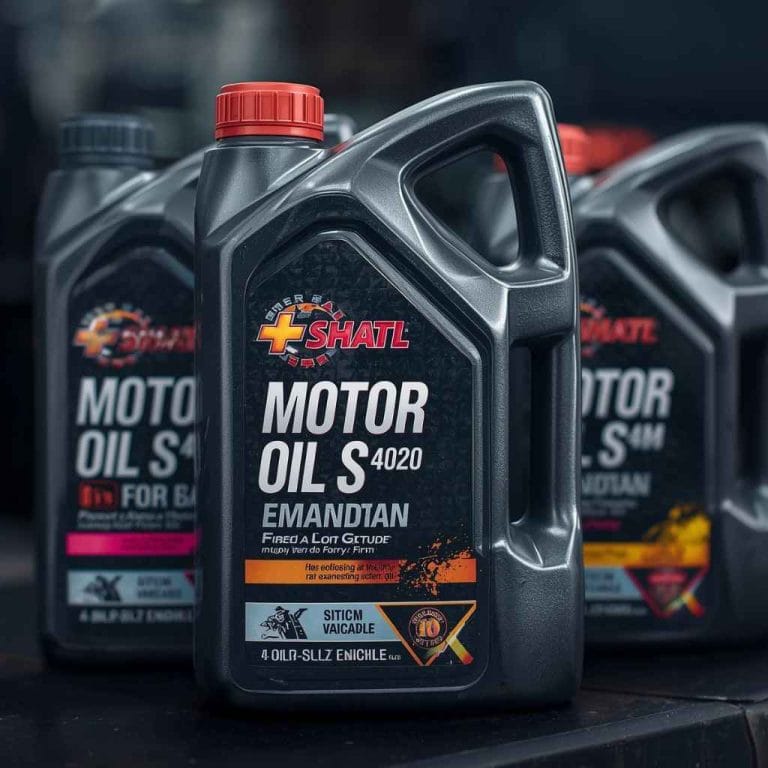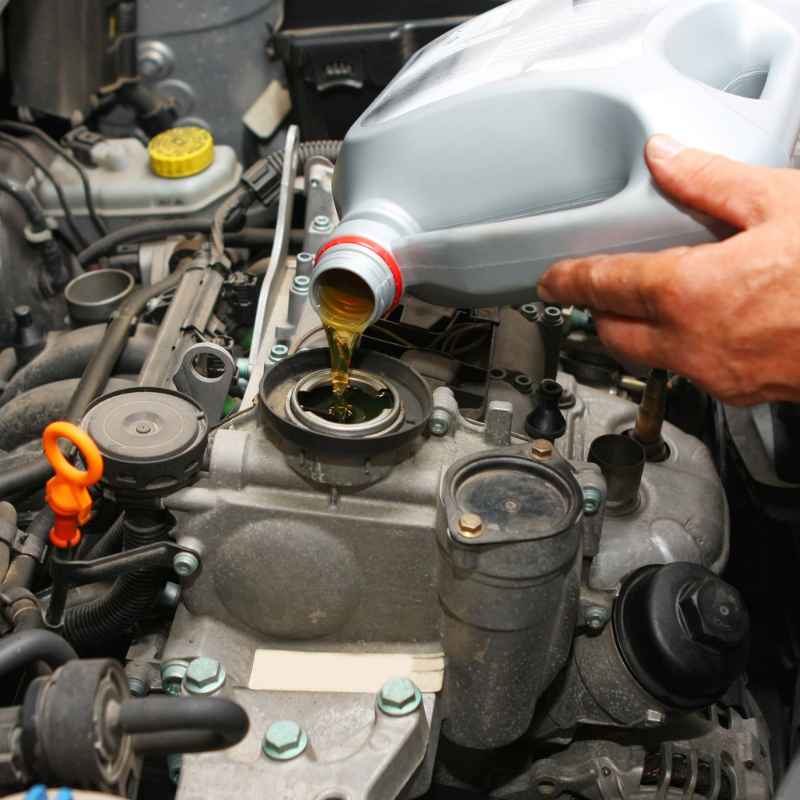
What Is The Cost Of Car Engine Oil? (Updated Price Guide)
The average cost of a car engine oil change can range from $50 to $150. This price varies based on the type of oil used (conventional, synthetic blend, or full synthetic), the vehicle’s make and model, and whether you use a dealership or an independent mechanic.
Understanding the Cost of Car Engine Oil
Think about your car’s engine. It’s a complex piece of machinery. It needs clean, fresh oil to keep moving parts from rubbing together.
When oil gets old, it gets dirty. It can’t do its job well. That’s when it’s time for a change.
The cost isn’t just about the liquid going into your car. It’s a mix of things. We’ll look at each part of that mix.
First, there’s the oil itself. Oil comes in different types. Conventional oil is the most basic.
Synthetic blend oil is a mix. Full synthetic oil is the most advanced. Each type costs a different amount.
Then there’s the filter. Your car needs a new oil filter when you change the oil. This also adds to the cost.
Finally, there’s the labor. Someone has to do the work of changing the oil. This takes time and skill.
Mechanics charge for their time.
The type of car you drive matters too. Some cars need more oil than others. Some cars need special types of oil.
Luxury cars or high-performance cars often use more expensive synthetic oils. This drives up the total cost. Where you get your oil changed makes a difference.
A dealership might charge more than a local repair shop. Even the region where you live can play a small part in pricing.
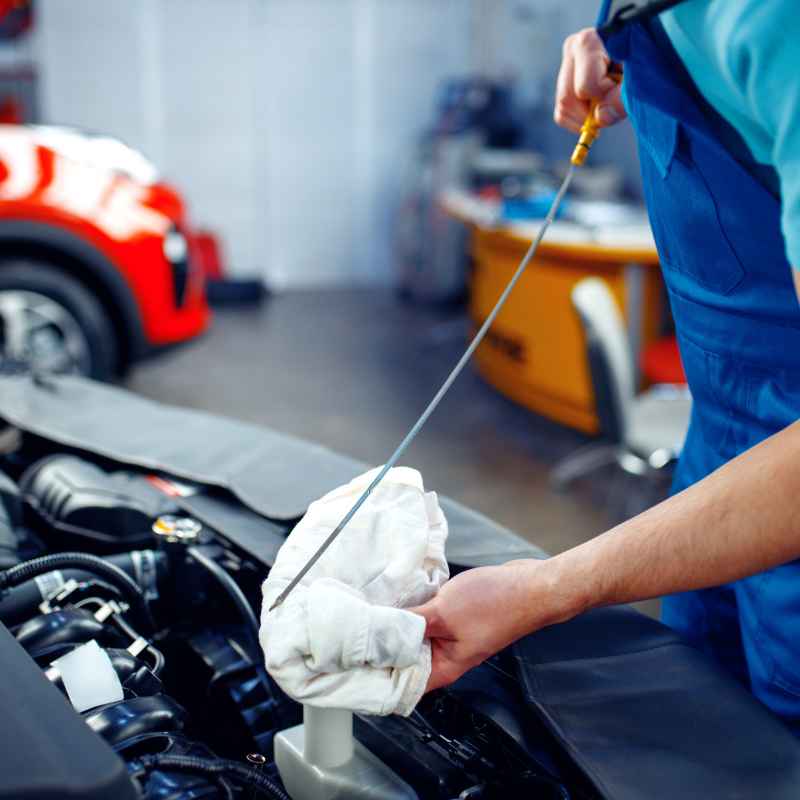
My First Oil Change Fiasco
I remember my first car, a trusty old sedan. I was young and had just started driving. The oil light came on, a bright orange beacon of doom.
I’d heard about oil changes, but honestly, I didn’t know much. I nervously pulled into the first quick lube place I saw. The guy behind the counter was super friendly.
He rattled off a bunch of oil types. I heard “synthetic” and “conventional” and just nodded along.
He then told me my car needed a “special filter” and that the total would be nearly $100. My jaw dropped a little. I’d expected maybe $50, tops.
I felt a bit pressured and just agreed. Later, I learned I could have gotten the same job done for much less at an independent shop. I also learned I didn’t necessarily need the most expensive oil for my older car.
That experience taught me a valuable lesson: do your homework before you go.
Types of Engine Oil and Their Costs
Let’s dive deeper into the different kinds of oil. This is a big factor in the price you’ll pay. Understanding these can help you make a better choice for your car and your wallet.
Conventional Motor Oil
This is the old-school kind of oil. It’s made from crude oil. It’s refined to work in your engine.
It’s the cheapest option. For older cars or cars that don’t see a lot of hard driving, it can be perfectly fine.
Conventional Oil: The Basics
Pros: Lowest cost. Widely available.
Cons: Breaks down faster than synthetic. Offers less protection in extreme temperatures. Requires more frequent changes.
Synthetic Blend Motor Oil
This oil is a mix. It has some conventional oil and some synthetic oil. It’s a middle ground.
It offers better protection than conventional oil. It also costs less than full synthetic oil. It’s a good choice for many drivers.
Synthetic Blend: A Smart Mix
What it is: A combination of conventional and synthetic base oils.
Benefits: Better protection against wear and heat than conventional. Longer drain intervals than conventional.
Full Synthetic Motor Oil
This is the top tier. It’s made in a lab. It’s not from crude oil.
It’s engineered for the best performance. It protects your engine really well. It works great in very hot or very cold weather.
It also lasts longer between oil changes.
Full synthetic oil is more expensive per quart. But, because it lasts longer, the overall cost might not be as different as you think. Many modern cars, especially performance or luxury models, actually require full synthetic oil.
Check your owner’s manual.
Full Synthetic: The Premium Choice
Key Features: Superior protection, excellent performance in extreme temperatures, longer lifespan.
Cost Factor: Highest upfront cost per quart.
When to Use: High-performance vehicles, extreme climates, manufacturer recommendations.
Oil Filter Costs
Every time you change your oil, you need a new oil filter. The old one is full of gunk. It can’t filter anymore.
A new filter costs money. The price of an oil filter can be from $5 to $20. Some filters are better than others.
High-end filters can cost a bit more. But they might last longer or filter better.
Oil Filter Facts
- Purpose: Removes dirt and debris from the oil.
- Lifespan: Should be
- Price Range: $5 – $20 (standard filters).
- High-Performance Filters: May offer better filtration or longer life at a higher cost.
Labor Costs for an Oil Change
This is the part where you pay for someone’s time and expertise. Mechanics and technicians have skills. They use tools and equipment.
They have to run a business. All of this costs money. Labor costs can vary a lot.
At a dealership, labor rates are often higher. They might have more overhead. They also specialize in your car’s make.
An independent repair shop usually has lower labor rates. Quick lube places often advertise low prices, but sometimes they make up costs on other things, like filters or extra services.
The time it takes to change oil is usually not very long. For most cars, it’s about 30 minutes. This includes draining the old oil, replacing the filter, and adding new oil.
Some cars are trickier. Maybe the drain plug is hard to reach. Or the filter is in a tight spot.
This can add a little more time and cost.
Labor Time & Rates
- Average Time: 30 minutes.
- Dealership Labor: Higher rates, specialized knowledge.
- Independent Shop Labor: Generally lower rates.
- Quick Lube Labor: Often included in package deals, but watch for add-ons.
Factors Affecting Engine Oil Change Costs
We’ve touched on a few things, but let’s make them really clear. These are the main drivers of what you’ll pay.
Vehicle Make and Model
A small compact car like a Honda Civic will likely cost less to service than a large SUV like a Chevrolet Tahoe or a luxury sedan like a BMW 7 Series. Why? Larger engines usually need more oil.
Some high-end cars use very specific, expensive synthetic oils. They might also have more complex systems that require specialized filters or tools.
Type of Oil Recommended
As we discussed, full synthetic is the most expensive oil. Conventional is the cheapest. Synthetic blends fall in the middle.
Most modern cars, especially those built in the last 10-15 years, recommend synthetic or synthetic blend oils. This is because they offer better protection and last longer, fitting the longer service intervals manufacturers prefer.
Your Location
The cost of living and doing business varies by region. If you live in a major city with a high cost of living, you’ll likely pay more for an oil change than someone in a small rural town. This applies to both the cost of parts and the labor rates charged by mechanics.
Service Provider (Dealership vs. Independent Mechanic vs. Quick Lube)
Dealerships: Often the most expensive. They use OEM (Original Equipment Manufacturer) parts and have factory-trained technicians. They offer a high level of service and warranty protection, but you pay a premium for it.
Independent Mechanics: Usually offer a good balance of quality and price. They might not have the same specialized tools as a dealership for every single make, but good independent shops are highly skilled and can perform most maintenance tasks effectively at a lower labor rate.
Quick Lube Chains: These places advertise speed and low prices. They can be convenient. However, be wary of upselling.
They might push unnecessary services or premium oils. Their technicians may have less experience than those at a dealership or independent shop. Prices can seem low, but add-ons can increase the final bill.
Choosing Your Service Provider
| Provider Type | Pros | Cons | Typical Cost Range |
|---|---|---|---|
| Dealership | OEM parts, factory-trained techs, warranty work. | Highest cost, potential for unnecessary upsells. | $100 – $250+ |
| Independent Mechanic | Good value, experienced techs, personal service. | May not have all specialized tools for every make. | $60 – $150 |
| Quick Lube Chain | Fast, convenient, often lowest advertised price. | Upselling, less experienced techs, variable quality. | $40 – $100 (before add-ons) |
Additional Services
Sometimes, a mechanic might find other issues during an oil change. They might recommend topping off other fluids like power steering fluid, brake fluid, or windshield washer fluid. They might also suggest checking tire pressure or inspecting belts and hoses.
While some of these are good preventative measures, be sure you need them before agreeing. These extras add to the bill.
Average Cost Breakdown by Oil Type (Estimates)
Let’s put some numbers to it. These are general estimates for a standard sedan or small SUV. Larger vehicles or luxury cars will be higher.
Conventional Oil Change
For a basic oil change using conventional oil, you’re looking at the lower end of the spectrum. This usually includes the oil, a standard filter, and labor.
Conventional Oil Change Estimate
- Oil (4-5 quarts): $15 – $25
- Filter: $5 – $10
- Labor: $20 – $40
- Total Estimated Cost: $40 – $75
Synthetic Blend Oil Change
This is a common choice for many drivers. It balances performance and cost.
Synthetic Blend Oil Change Estimate
- Oil (4-5 quarts): $25 – $45
- Filter: $7 – $15
- Labor: $25 – $50
- Total Estimated Cost: $57 – $110
Full Synthetic Oil Change
This is the most expensive option upfront, but it offers the best protection and longest intervals between changes.
Full Synthetic Oil Change Estimate
- Oil (4-5 quarts): $40 – $70+
- Filter: $10 – $20
- Labor: $30 – $60
- Total Estimated Cost: $80 – $150+
Keep in mind these are just estimates. Prices can change. Always get a quote before you agree to service.
When is the Best Time to Get an Oil Change?
The old rule of thumb was every 3,000 miles. But cars and oils have gotten much better. Your car’s owner’s manual is your best friend here.
It will tell you the recommended oil change interval. This is usually based on mileage or time, whichever comes first.
For conventional oil, it might be around 5,000 miles. For synthetic blends and full synthetics, it can be 7,500 miles, 10,000 miles, or even more. Don’t just guess.
Check the manual. It’s there for a reason. Missing an oil change can cause serious damage.
Oil Change Intervals: What to Know
- Check Your Owner’s Manual: This is the most reliable source.
- Mileage vs. Time: Intervals are usually based on whichever comes first.
- Conventional Oil: Typically 5,000 miles or 6 months.
- Synthetic/Blend: Often 7,500-10,000+ miles or 12 months.
- Driving Habits: Severe driving (stop-and-go, extreme temps) may require more frequent changes.
DIY vs. Professional Oil Changes
If you’re handy and like to work on your car, you can save money by doing your own oil changes. It’s a great way to learn about your vehicle. However, there are things to consider.
Doing it Yourself (DIY)
What you need: New oil, new filter, wrench for drain plug, filter wrench, drain pan, funnel, rags, gloves, jack stands (for safety!).
Cost savings: You only pay for the parts (oil and filter). You can often buy oil in bulk or on sale for less than a shop pays. A typical DIY oil change might cost $25 – $60, depending on the oil type.
What to watch out for: You need the right tools. You need a safe place to do it. Disposal of used oil is important; many auto parts stores accept it for free.
If you make a mistake, you could cause damage or injury.
DIY Oil Change: Quick Guide
Savings: Significant reduction in labor costs.
Requires: Tools, space, knowledge, safe disposal of old oil.
Potential Risks: Incorrect tightening, spills, improper disposal, injury.
Professional Oil Change
Convenience: Someone else does the work. You don’t need tools or a place to do it. They handle the disposal of old oil.
Expertise: They know what they’re doing. They have the right equipment. They can spot other potential problems.
Cost: As we’ve discussed, this is higher due to labor and shop overhead. However, many shops offer coupons or loyalty programs that can reduce the cost.
In my experience, if you don’t have the time, space, or inclination to do it yourself, a professional oil change is well worth the money. It’s preventative maintenance that saves you money in the long run by protecting your engine.
Real-World Scenarios: When Costs Get Tricky
Let’s look at some situations where the cost of an oil change might be more than you expect, or where you might be able to save money.
Scenario 1: The “Specialty” Oil
You have a European sports car. The manual specifically calls for a very specific type of synthetic oil. Maybe it’s a specific viscosity or has certain additive packages.
This oil can be quite expensive, costing $10-$15 per quart. For a car needing 7 quarts, the oil alone could be $70-$105. Add a filter and labor, and the total could easily push $150-$200.
Scenario 2: The Fleet Vehicle
If you manage a small business with a few vehicles, you might get fleet discounts at certain repair shops or auto parts stores. Buying oil in bulk cases and filters in larger quantities can reduce the per-vehicle cost. Negotiating a maintenance contract can also lock in lower rates.
Scenario 3: The “Service Package” Trap
Many quick lube places offer very cheap oil changes as a loss leader. They might advertise $29.99 oil changes. But then they’ll tell you that your car needs “premium synthetic” which costs $60 more.
Or they’ll charge extra for the “high-mileage oil additive” or a “special synthetic filter.” Always ask for a full breakdown of the price before they start.
Navigating Service Packages
The Offer: Low advertised price (e.g., $29.99 oil change).
The Catch: Upsells for premium oils, filters, or additives can dramatically increase the final cost.
Your Action: Always ask for a written quote showing all parts and labor costs before service begins.
What This Means For Your Budget
Knowing these costs helps you plan. Don’t wait until your car is making a terrible noise to get an oil change. That can lead to much, much bigger repair bills.
Regular oil changes are one of the most cost-effective ways to maintain your car.
For a typical car, budget around $70-$100 per oil change if you use a mid-grade oil at an independent shop. If you use full synthetic at a dealership, you might need to budget $150-$200. If you drive a lot, multiply this by the number of oil changes you’ll need per year.
If budget is tight, look for coupons. Many shops offer them online or in mailers. Consider switching to synthetic blend if your car doesn’t require full synthetic.
And if you’re comfortable, DIY is the ultimate money-saver.
Quick Tips for Saving Money on Oil Changes
Here are some actionable ways to keep costs down:
- Shop Around: Call a few different places before you commit. Prices can vary significantly.
- Look for Coupons: Most shops and dealerships have online coupons or loyalty programs.
- Consider Oil Change Packages: Some shops offer multi-oil change deals that save money per service.
- Use the Right Oil: Stick to the oil type recommended in your owner’s manual. Don’t overspend on premium synthetics if they aren’t needed.
- Combine Services: If you need other minor services done, see if the shop offers package deals.
- DIY: If you have the time and tools, this is the biggest cost saver.
Smart Savings Checklist
- Price Comparison: Always get 2-3 quotes.
- Coupon Hunt: Check shop websites and local ads.
- Loyalty Programs: Ask about punch cards or reward systems.
- Right Oil Choice: Follow manufacturer recommendations.
- DIY Potential: Weigh savings against your comfort level and tools.
Frequently Asked Questions about Engine Oil Costs
How much does a standard oil change typically cost?
A standard oil change using conventional oil at an independent shop usually costs between $40 and $75. This includes oil, a filter, and labor.
Why is full synthetic oil so much more expensive?
Full synthetic oil is engineered in a lab from highly refined chemicals. This process is more complex and costly than refining conventional crude oil. It offers superior performance and protection, which justifies the higher price for many vehicles.
Can I use conventional oil if my car recommends synthetic?
It’s generally not recommended to switch from synthetic to conventional oil if your car’s manufacturer specifies synthetic. Modern engines, especially those with turbochargers or tighter tolerances, rely on the specific properties of synthetic oil for proper lubrication and protection. Using conventional oil may lead to increased wear and reduced engine life.
How much does labor typically cost for an oil change?
Labor for an oil change usually ranges from $20 to $60. This depends on the shop’s hourly rate and how complex the oil change is for your specific vehicle. Dealerships tend to have higher labor rates than independent mechanics.
What factors make an oil change cost more at a dealership?
Dealerships often charge more because they use OEM (Original Equipment Manufacturer) parts, have factory-trained technicians, and may have higher overhead costs. They also provide specialized service specific to your car’s make and model.
Is it cheaper to get an oil change at a quick lube place?
While quick lube places often advertise low prices, the final cost can be higher due to frequent upsells for premium oils, filters, or additional services. It’s essential to get a full quote beforehand and be aware of what’s being recommended.
Conclusion: Investing in Your Engine’s Health
Understanding the cost of car engine oil is about more than just the price tag. It’s about making an informed decision to protect your vehicle. By knowing the different types of oil, the labor involved, and the factors that influence price, you can budget effectively.
Regular maintenance, like timely oil changes, is a small investment that pays off greatly in the long run by preventing costly engine repairs and keeping your car running smoothly for years to come.
Related pick: Check today's price on Amazon
Products related to this article
Sponsored / affiliate links. As an Amazon Associate I earn from qualifying purchases. I may earn additional commission from eligible campaigns.
 RVS Technology G6 Engine oil Treatment; For Gasoline Engines with a Motor oil capacity up to 6 quarts; Save fuel, Boost Power and Safely Restore and protect your Car, Truck, and all other engines
 ECOGARD X10023 Cartridge Engine Oil Filter for Conventional Oil - Premium Replacement | Fits 2018-2023 Volkswagen Atlas 3.6L; 2020-2023 Atlas Cross Sport 3.6L