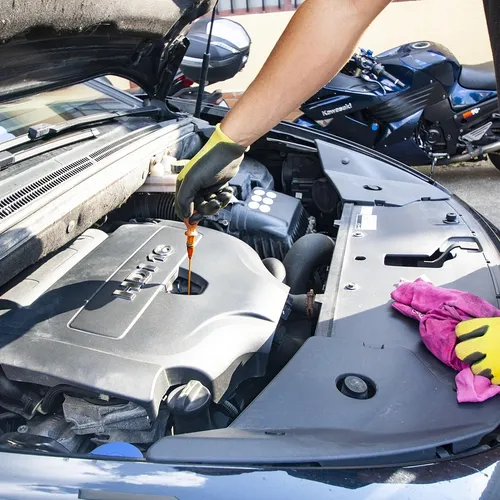
Why Does My Car Smell Like Hot Oil? Reasons And Fixes
A car smelling like hot oil often points to a fluid leak onto hot engine parts. This could be engine oil, transmission fluid, or power steering fluid. Addressing it quickly is important to prevent engine damage or a fire hazard.
What’s That Hot Oil Smell? Understanding the Basics
That burning oil smell is your car trying to tell you something. It usually means a fluid that shouldn’t be there is making contact with something very hot. Think of a drop of water hitting a scorching skillet.
The Candleberry Company
Candleberry Hot Maple Toddy Car Air Freshener…
- Candleberry Co. Scented Car Air Freshener
- Your favourite candleberry fragrance for your car
- Stronger scent than most other car air fresheners
As an Amazon Associate I earn from qualifying purchases.
The sizzle and steam are similar to what’s happening under your hood. The fluids involved are typically your car’s lifeblood: engine oil, transmission fluid, or power steering fluid.
These fluids are designed to lubricate, cool, and help parts move. When they leak, they can drip onto hot surfaces like the exhaust manifold or the engine block. These parts get extremely hot during normal operation.
The heat causes the leaked fluid to vaporize or burn, creating that strong, unmistakable hot oil smell.
The smell can range from a light wisp to a thick, choking cloud. The intensity often depends on how much fluid has leaked and where it’s landing. It’s not just about the smell; it’s a signal that something isn’t right in your car’s complex system.
Ignoring it can lead to bigger, more expensive problems down the road.

My Experience: That Time My Car Smelled Like a Fryer
I remember it vividly. It was a chilly Tuesday morning, and I was rushing to a client meeting. I got into my trusty sedan, started her up, and as I pulled out of the driveway, that smell hit me.
Not just a faint whiff, but a solid, unmistakable scent of hot, burnt oil. My stomach dropped. It smelled like someone had accidentally dropped a giant carton of oil onto my engine.
Panic started to bubble up. I immediately pulled over. I popped the hood, cautiously.
I didn’t see any obvious smoke, but the smell was strong around the engine bay. I looked for puddles under the car, but nothing obvious. My mind raced through all the worst-case scenarios: engine failure, costly repairs, missing my crucial meeting.
I ended up calling my mechanic, who thankfully was only a few miles away. He found a tiny oil leak from a valve cover gasket that was dripping onto the hot exhaust. A quick fix, but man, that smell really put me on edge!
Common Leak Sources & Smells
Engine Oil Leaks: This is the most frequent culprit. Oil leaks can come from many places. A leaky valve cover gasket is common.
So is a worn oil pan gasket. Even a loose oil filter can cause a drip. When these oils hit hot exhaust pipes, you get that classic burnt oil smell.
Transmission Fluid Leaks: Transmission fluid is thicker and often has a slightly sweeter smell than engine oil. If it leaks onto hot parts, it can produce a distinct burning odor. This is a serious issue because transmissions need a precise amount of fluid to work.
Low fluid can lead to transmission failure.
Power Steering Fluid Leaks: Power steering fluid is usually reddish or amber. It has a strong, somewhat acrid smell when it burns. Leaks can come from hoses, the pump, or the steering rack.
Like transmission fluid, low power steering fluid can cause steering problems.
Why This Smell Is More Than Just Annoying
It’s easy to dismiss a smell as just a minor inconvenience. But with cars, especially the hot oil smell, it’s often a warning sign. The fluids in your car are vital.
They operate under high pressure and extreme temperatures. When they leak, several things can happen.
First, there’s the immediate danger of a fire. Oil and other fluids are flammable. If enough of them leak onto a very hot exhaust component, they can ignite.
This is rare, but it’s a real risk, especially with larger leaks. You might notice smoke along with the smell if this is the case.
Second, there’s the risk of damage to your engine or other critical components. Your engine needs oil to stay lubricated. Without enough oil, metal parts rub together.
This causes wear and tear, which can quickly lead to overheating and complete engine failure. Similarly, your transmission and power steering systems rely on their specific fluids.
Finally, there’s the environmental impact. Leaking fluids can contaminate soil and water. It’s also a sign that your car isn’t operating as efficiently as it should.
Signs Your Car Might Be Leaking Hot Oil
Beyond the smell, there are other clues to watch for. You might see a puddle of fluid under your car after it’s been parked. The color of the puddle can help identify the fluid.
Engine oil is typically brown or black. Transmission fluid can be red or dark brown. Power steering fluid is often reddish or amber.
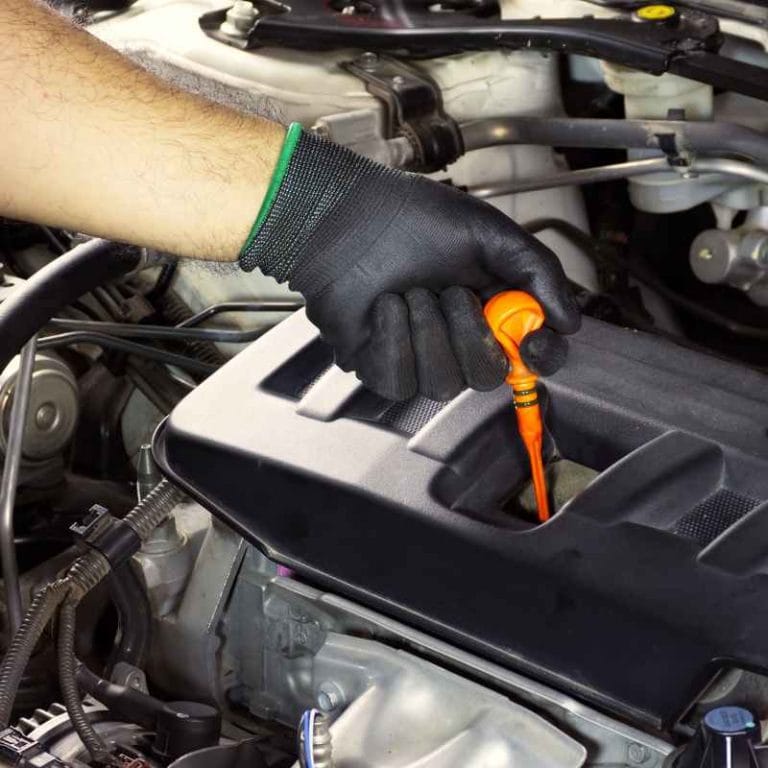
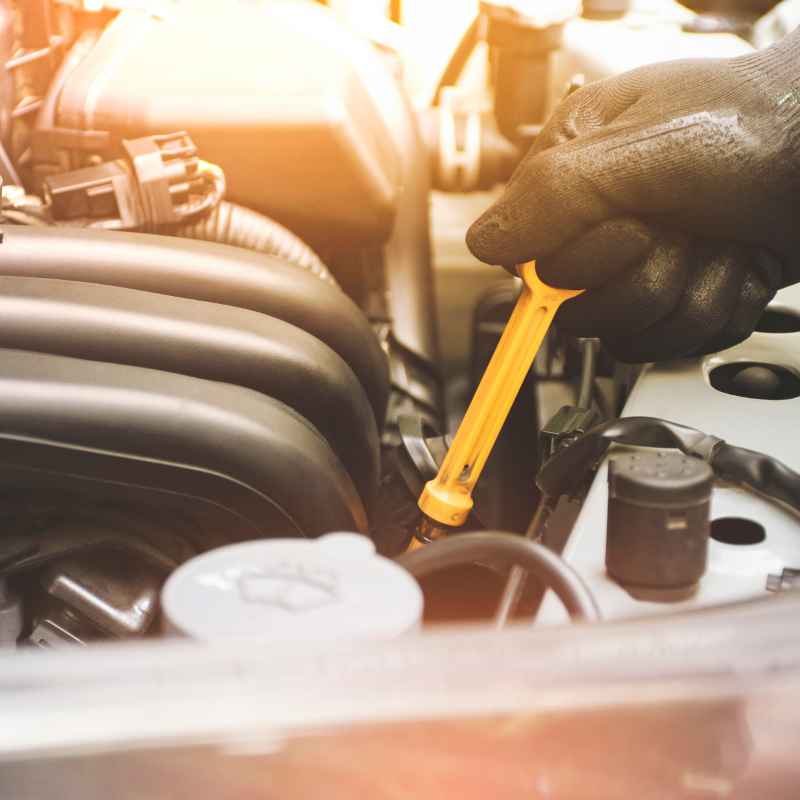
Another sign is a drop in fluid levels. You can check your car’s oil level using the dipstick. Check your transmission fluid and power steering fluid levels according to your owner’s manual.
If the levels are consistently dropping, you have a leak somewhere.
Sometimes, you might also notice changes in your car’s performance. If the steering feels stiff, it could be a power steering fluid leak. If your transmission is shifting roughly, it might be a transmission fluid issue.
These performance changes often happen alongside the smell.
Quick Scan: Fluid Check Guide
| Fluid Type | Typical Color | Common Leak Location | Smell When Burned |
| Engine Oil | Brown to Black | Valve Cover, Oil Pan, Filter | Burnt Oil |
| Transmission Fluid | Red to Dark Brown | Seals, Lines, Pan | Burnt Oil (sometimes sweeter) |
| Power Steering Fluid | Red or Amber | Hoses, Pump, Rack | Acrid, Burning |
Troubleshooting the Hot Oil Smell: Where to Look First
When you first notice the smell, don’t panic. Take a deep breath and try to pinpoint when it occurs. Does it happen right after starting the car?
Does it happen only when the car is fully warmed up? Does it get worse when you accelerate?
Start with the easiest checks. Park your car on a clean, level surface. Look underneath for any fresh drips or puddles.
Then, carefully pop the hood. With the engine off and cool, visually inspect the engine bay. Look for any wet spots or dark stains on engine components.
Pay close attention to the exhaust manifold – that’s the metal pipes coming out of the engine that lead to the muffler. This is often where leaks land and burn.
Check the oil dipstick. Is the oil level low? Is the oil itself dark or dirty?
If you suspect an oil leak, look at the valve cover gasket, which is usually on top of the engine. Also, check the oil filter to ensure it’s tight and not leaking.
If you have a hydraulic system like power steering or the automatic transmission, check those fluid levels too. Consult your car’s owner’s manual for the exact location of these checks and the correct procedure. Sometimes, a small drip from a hose fitting or a seal can cause that smell.
Contrast: Normal vs. Concerning Smells
Normal Smells (Very Brief & Faint): Sometimes, a brand new car can have a slight “new car” smell as components break in. You might also notice a faint, temporary smell after a routine oil change if a tiny bit of oil spilled. These should dissipate very quickly.
Concerning Smells (Persistent & Strong): A persistent, strong smell of hot oil, burning rubber, or rotten eggs definitely signals a problem. If the smell is accompanied by smoke, strange noises, or warning lights on your dashboard, pull over immediately.
When to Call the Professionals
While some minor leaks might be fixable with a bit of DIY effort, it’s usually best to get professional help. Auto mechanics have the tools and expertise to diagnose complex leaks accurately. They can identify leaks you might miss.
If you’re not comfortable working on cars, or if the smell is strong and persistent, don’t delay. Take your car to a trusted mechanic. It’s better to spend a little on a diagnosis than to risk major engine damage or a dangerous situation.
Be specific with your mechanic. Tell them exactly when you notice the smell, how strong it is, and any other symptoms you’ve observed. This information is incredibly helpful for them to pinpoint the problem.
They can then recommend the right repairs.
Real-World Scenarios: Why It Happens to Good People
Many things can cause a car to develop a hot oil smell. Age and wear are common factors. Rubber seals and gaskets, like the valve cover gasket or oil pan gasket, can become brittle over time.
This makes them less effective at sealing, leading to leaks. Extreme temperatures, both hot and cold, can also stress these parts.
Driving conditions play a role. Frequent short trips, where the engine doesn’t get hot enough to burn off minor condensation, can sometimes contribute to minor oil leaks forming over time. Conversely, very aggressive driving or prolonged periods of high heat can put extra strain on the engine and its fluid systems.
Accidents or impacts, even minor ones, can also cause damage. If your car bottomed out on a speed bump or hit a pothole, it could have caused a small crack in the oil pan or damaged a fluid line. These issues might not be immediately apparent but can lead to leaks over time.
What This Means for You: Normal vs. Worrying
It’s important to know when to relax and when to be concerned. A very faint, brief smell right after starting your car in cold weather might just be condensation burning off. It should disappear within a minute or two.
If you recently had your oil changed, a tiny bit of spilled oil on the exhaust might cause a temporary smell that goes away quickly.
However, if the smell is strong, persistent, or gets worse, that’s a clear sign something needs attention. If the smell is accompanied by any of these:
- Visible smoke from the engine
- Warning lights on your dashboard (like the oil pressure light or check engine light)
- A noticeable drop in engine performance (loss of power, rough idling)
- Difficulty steering or braking
- A significant puddle of fluid under your car
Then, you should stop driving the car as soon as it’s safe to do so and call for a tow truck. Continuing to drive with a serious leak can be dangerous and lead to much more costly repairs.
Quick Tips for Managing Oil Smells
Here are some simple things you can do:
- Regular Maintenance: Stick to your car’s recommended maintenance schedule. This includes oil changes and fluid checks. Preventative care is key.
- Visual Inspections: Make it a habit to glance under your car for puddles after it’s been parked. A quick look under the hood now and then can also spot early leaks.
- Listen to Your Car: Pay attention to any new sounds or smells. Your car will often tell you when something is wrong.
- Check Fluid Levels: Learn how to check your oil, transmission, and power steering fluid. Doing this regularly can catch leaks before they become severe.
- Address Leaks Promptly: Don’t ignore small drips. A small leak can become a big, expensive problem quickly.
Frequently Asked Questions About Hot Oil Smells
What does a burning oil smell usually mean?
A burning oil smell typically means that engine oil, transmission fluid, or power steering fluid is leaking onto a hot part of your engine or exhaust system. The heat causes the fluid to vaporize or burn, creating the odor.
Is a hot oil smell dangerous?
Yes, it can be dangerous. The leaking fluids are flammable and can pose a fire risk if they come into contact with sufficiently hot engine components. It can also indicate a serious leak that could damage your engine or other vital systems.
How can I tell if it’s engine oil or transmission fluid burning?
Engine oil is usually dark brown or black. Transmission fluid can be red, brown, or black depending on its condition. Sometimes, transmission fluid has a slightly sweeter smell when it burns.
Checking the fluid type on your dipstick or looking at a puddle can help identify it.
Can a blown head gasket cause a hot oil smell?
While a blown head gasket can cause various fluid leaks and smells, a direct “hot oil” smell is less common. Head gasket issues often lead to coolant or exhaust gases mixing. However, if engine oil is leaking into the combustion chamber or coolant passages due to a blown gasket, it can sometimes create unusual smells when burned.
How often should I check my car’s oil level?
It’s a good practice to check your engine oil level at least once a month, and before any long road trips. Many people check it every time they fill up their gas tank. If you notice a hot oil smell, check your oil level immediately.
Is it safe to drive with a faint hot oil smell?
A very faint, brief smell that disappears quickly might be a minor issue that can wait a day or two for a mechanic. However, if the smell is persistent, strong, or getting worse, it’s best to stop driving and have it inspected to avoid potential damage or safety hazards.
Final Thoughts on Keeping Your Car Healthy
That hot oil smell is your car’s way of raising a red flag. It’s a sign that something needs your attention. By understanding the common causes, knowing what to look for, and acting promptly, you can prevent minor issues from becoming major headaches.
Regular checks and maintenance are your best defense. Listen to your car, and you’ll likely catch problems early.
Related pick: Check today's price on Amazon
Products related to this article
Sponsored / affiliate links. As an Amazon Associate I earn from qualifying purchases. I may earn additional commission from eligible campaigns.