How Much Do Car LED Lights Cost? A Full Guide
How much do car LED lights cost? Understanding the price of upgrading your vehicle’s lighting to energy-efficient LEDs is crucial for making an informed decision. This guide breaks down the various factors influencing LED car light prices, from bulb types to installation costs, helping you budget effectively.
In short, car LED lights can range from $20 for a single basic bulb to over $1000 for a full premium conversion kit with professional installation. The cost depends heavily on the bulb type, vehicle model, brand quality, and whether you opt for DIY or professional fitting. Generally, expect to pay between $50-$200 per pair for quality headlight LEDs, with other lighting components varying significantly.
Key Takeaways
- Car LED lights cost varies widely, from $20 for a single bulb to $1000+ for full kits and installation.
- Headlight LED bulbs typically cost $50-$200 per pair, with high-quality options in the higher range.
- Other LED lights like tail lights, interior bulbs, and fog lights are generally less expensive than headlights.
- Brand reputation, beam pattern, lumen output, and warranty significantly impact the price of car LED lights.
- DIY installation can save money, but professional fitting offers convenience and ensures correct alignment.
What Are Car LED Lights and Why Upgrade?
LED stands for Light Emitting Diode, a semiconductor device that emits light when an electric current passes through it. Unlike traditional halogen bulbs that heat a filament to produce light, LEDs are more efficient, durable, and produce a brighter, more focused beam.

Govee
Govee Car LED Lights, RGB Smart Car…
- Creative DIY Mode: Choose from 16 million available colors or customize car led light effects to your liking in DIY mode via Govee…
- Dynamic Music Mode: Built-in mic helps interior car lights sync with any music type. Liven up your road trips, weekend getaways or…
- Smart App Control: Manage the colors and brightness of car lights or choose music mode by one simple tap with Govee Home app. Enjo…
As an Amazon Associate I earn from qualifying purchases.
Upgrading to LED lights offers numerous benefits beyond just cost. They consume significantly less power, which can slightly improve fuel efficiency. Their longevity means you’ll replace them far less often than halogen bulbs.
Furthermore, the crisp white light they produce enhances visibility, especially at night and in adverse weather conditions, contributing to safer driving.
Types of Car LED Lights and Their Pricing
The price of LED lights for your car depends on the specific application. Different parts of your vehicle use distinct types of bulbs, each with its own cost structure.
- Headlights: These are usually the most expensive LED upgrade due to their complexity, beam pattern requirements, and high lumen output needs.
- Fog Lights: Often sold in pairs, LED fog lights are generally more affordable than headlights but still offer a significant improvement in visibility in foggy conditions.
- Tail Lights/Brake Lights: These are typically smaller bulbs and are often sold in sets or as complete assemblies. LED versions are more energy-efficient and respond faster than incandescent bulbs, which is crucial for signaling.
- Turn Signals (Indicators): Similar to tail lights, these are smaller bulbs. LED turn signals provide a brighter, crisper flash.
- Interior Lights: This includes dome lights, vanity mirror lights, and license plate lights. These are usually the cheapest and easiest LED upgrades.
- Accent/DRL (Daytime Running Lights): These can be individual LEDs or integrated strips, with costs varying widely based on design and complexity.
Headlight LED Conversion Kits: Costs and Considerations
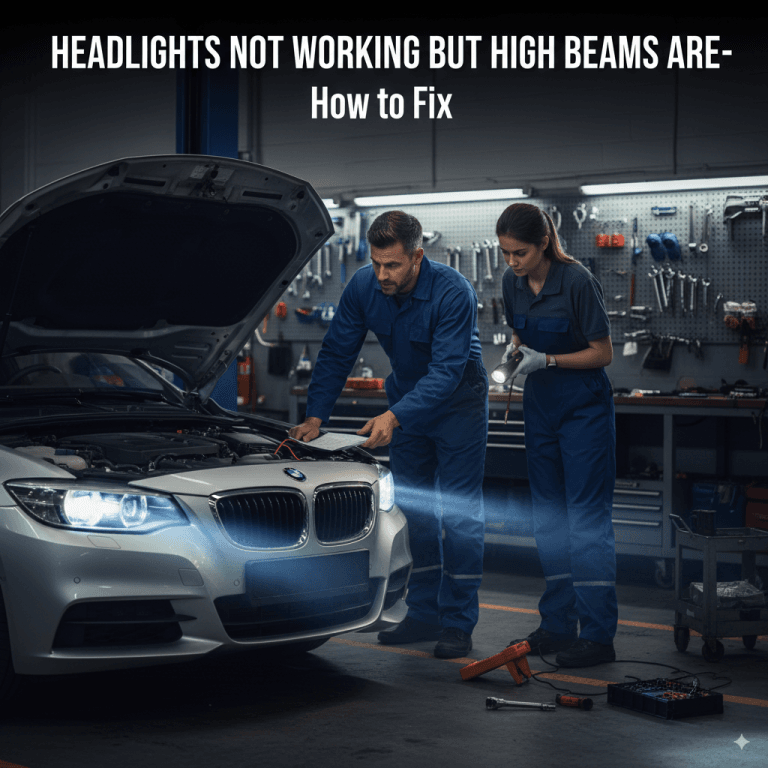
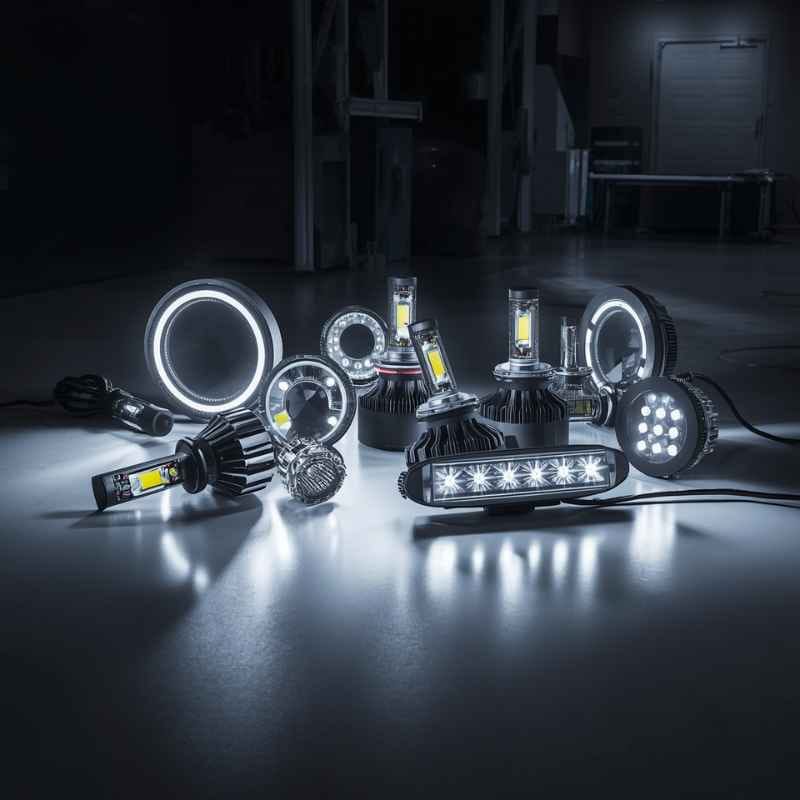
When people ask how car LED lights cost, they are often referring to headlight conversions. These kits aim to replace your car’s existing halogen or HID headlights with LED technology. The price range for headlight LED conversion kits is broad, reflecting differences in quality, features, and brand reputation.
A basic set of LED headlight bulbs might cost anywhere from $30 to $80. These are often generic brands and may offer marginal improvements. Mid-range kits, typically priced between $80 and $150, usually come from reputable aftermarket brands and offer better lumen output, heat dissipation, and a longer lifespan.
Premium headlight LED kits can easily cost $150 to $300 or more per pair. These kits often feature advanced cooling systems (like copper heat sinks or high-speed fans), superior LED chips for brighter and more focused beams, and advanced driver modules. Some high-end kits also offer adjustable beam patterns to match your vehicle’s original headlight housing.
Factors Affecting Headlight LED Kit Prices
- Brand: Well-known brands like Philips, Osram, and Sylvania often command higher prices due to their research, development, and quality control.
- Lumens: This measures brightness. Higher lumen output generally means a higher price. Look for kits around 6,000-10,000 lumens per bulb for a noticeable upgrade.
- Color Temperature: Measured in Kelvin (K), this affects the light’s hue. Most drivers prefer 5000K-6500K for a crisp white light that mimics daylight. Higher K values can appear bluer.
- Cooling System: Efficient heat management is crucial for LED longevity. Kits with advanced fan cooling or large heat sinks are more expensive but last longer.
- Canbus Compatibility: Many modern cars have sophisticated computer systems that monitor bulb function. Kits with built-in Canbus decoders prevent error messages on your dashboard and can be pricier.
- Beam Pattern: A good LED kit will replicate the stock halogen beam pattern to avoid blinding oncoming traffic and ensure proper road illumination. Cheaper kits might have a scattered beam.
Cost of Other Car LED Lighting Components
Beyond headlights, numerous other lighting components on your car can be upgraded to LEDs, each with its own typical price range.
Fog Lights: LED fog light bulbs or complete units are generally more affordable than headlights. Expect to pay between $30 and $100 for a pair of quality LED fog lights. Some specialized performance fog lights can push this price higher.
Tail Lights, Brake Lights, and Turn Signals: These are usually sold as individual bulbs or in sets. A pair of LED tail/brake light bulbs might cost $15-$40. For turn signals, you might spend $10-$30 per bulb, often needing two per side.
Some vehicles have integrated LED tail light assemblies that can be significantly more expensive, ranging from $100 to $400+ per side, especially for genuine manufacturer parts.
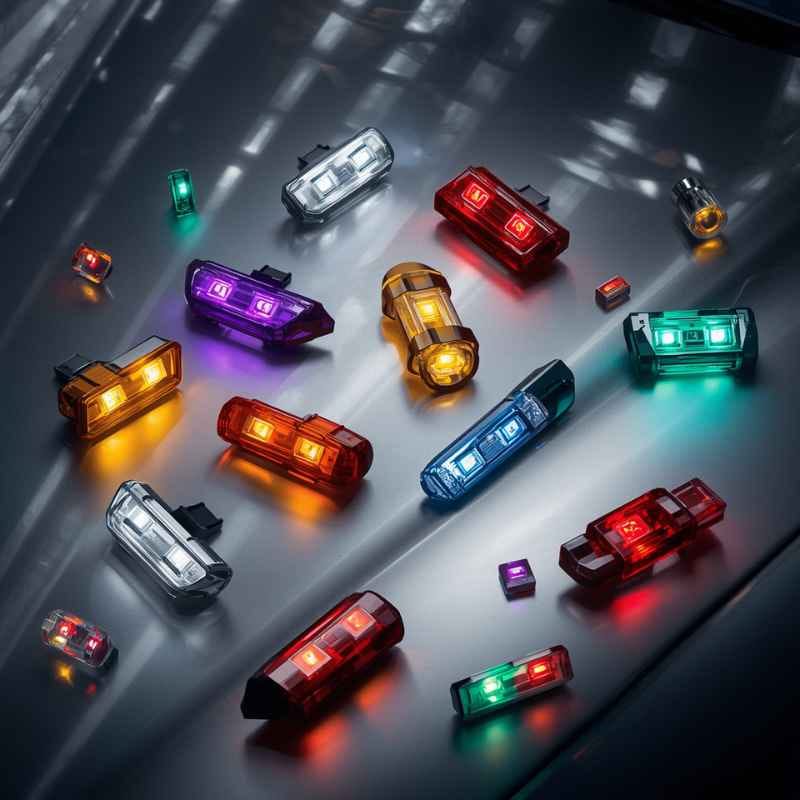
Interior Lights: These are the most budget-friendly upgrades. A pack of 5-10 LED bulbs for dome lights, door lights, and vanity mirrors can cost as little as $10-$30. License plate lights are similarly inexpensive, often around $5-$15 per pair.
Daytime Running Lights (DRLs): If your car has basic DRLs that you wish to upgrade or add, the cost can vary greatly. Simple LED replacement bulbs might cost $20-$50 per pair. Integrated LED strips or more complex DRL modules can range from $50 to $200 or more, depending on design and features.
| Component Type | Typical Price Range (Per Pair/Set) | Notes |
|---|---|---|
| Headlight Bulbs (Conversion Kit) | $50 – $300+ | Higher end for premium brands, brightness, and cooling. |
| Fog Lights | $30 – $100 | Generally more affordable than headlights. |
| Tail/Brake Lights | $15 – $40 (Bulbs) | For individual bulb replacements. Assemblies are pricier. |
| Turn Signals | $10 – $30 (Per Bulb) | Often need 2 per side. |
| Interior Lights (Dome, Map, etc.) | $10 – $30 (Set of 5-10) | Very affordable, easy DIY upgrade. |
| License Plate Lights | $5 – $15 (Per Pair) | Simple and inexpensive replacement. |
This table summarizes the general price points for different types of LED car lights. Always check compatibility for your specific vehicle make and model.
Installation Costs: DIY vs. Professional
One of the most significant variables in the total cost of car LED lights is installation. You have two primary options: a do-it-yourself (DIY) approach or professional installation.
DIY Installation: For many simple bulb replacements (like interior lights, license plate lights, or even some tail lights), a DIY approach is feasible for the average car owner. This saves on labor costs, which can range from $50 to $200 or more depending on the complexity of the job. For headlight conversions, while possible for some, it can be more involved, sometimes requiring bumper removal or specialized tools.
If you’re comfortable with basic car maintenance, you can save a considerable amount by installing LED lights yourself.
Professional Installation: For headlight conversions, especially on newer vehicles with complex wiring or integrated systems, professional installation is often recommended. Auto repair shops or specialized lighting installers can ensure the bulbs are correctly positioned for optimal beam pattern, properly sealed, and that any necessary modifications are made correctly. The cost for professional installation can add anywhere from $50 to $300 to the total price, depending on the shop’s rates and the time required for the specific vehicle.
When Professional Installation is Recommended
- Complex Headlight Assemblies: Vehicles with integrated headlights or those requiring bumper removal for access.
- Canbus Systems: If the LED kit requires special wiring or bypassing, a professional can handle it without damaging your car’s electrical system.
- Alignment Issues: Proper headlight alignment is critical for safety and legality. A shop has the tools and expertise to ensure correct alignment.
- Warranty Concerns: Some manufacturers or installers may void warranties if modifications are not performed by certified technicians.
- Lack of Confidence: If you’re not comfortable working with car electronics or mechanics, it’s best to leave it to the experts.
Brand Reputation and Quality Impact on Price
Just like with any automotive part, the brand of LED lights you choose significantly influences the price. Generic, no-name brands available on online marketplaces might offer very low prices, but often come with compromises in quality, longevity, and performance.
Established automotive lighting brands like Philips, Osram, GE, and high-quality aftermarket specialists invest heavily in research, development, and quality control. They use superior LED chips, more robust driver electronics, and better heat management solutions. This attention to detail translates into brighter, more consistent light output, a more accurate beam pattern, and a significantly longer lifespan.
Consequently, these premium brands typically charge more for their products.
For example, a Philips Ultinon LED headlight bulb might cost $100-$150 per pair, while a comparable-looking kit from an unbranded manufacturer could be as low as $30-$50. While the cheaper option might seem appealing initially, it might fail prematurely, offer poor light quality, or even cause electrical issues. Investing in a reputable brand often proves more cost-effective in the long run due to durability and performance.
| Brand Tier | Example Brands | Typical Price Range (Headlight Pair) | Pros | Cons |
|---|---|---|---|---|
| Premium/OEM Equivalent | Philips, Osram, Sylvania (Premium Lines), Hella | $100 – $300+ | Excellent brightness, beam pattern, longevity, warranty, reliability. | Highest cost. |
| Mid-Range/Reputable Aftermarket | Auxbeam, Fahren, Alla Lighting, Alla Lighting (some models) | $60 – $120 | Good balance of price and performance, decent lifespan. | May not match premium quality, some models may have issues. |
| Budget/Generic | Various unbranded or lesser-known online sellers | $20 – $60 | Lowest initial cost. | Poor quality, short lifespan, inconsistent beam, potential electrical problems, no warranty. |
This comparison highlights how brand can be a major factor in the price you pay for LED car lights.
Statistics on LED Lighting Adoption and Costs
The automotive industry has seen a significant shift towards LED lighting. Statistics show that LED adoption is on the rise, impacting both OEM (Original Equipment Manufacturer) and aftermarket sales.
According to a report by Mordor Intelligence, the global automotive LED lighting market was valued at USD 23.31 billion in 2023 and is projected to reach USD 37.79 billion by 2029, growing at a CAGR of 8.42% during the forecast period. This substantial growth indicates increasing consumer preference and manufacturer integration of LED technology.
A study by the U.S. Department of Energy found that LEDs are significantly more energy-efficient than traditional lighting technologies. While specific cost savings vary, for automotive applications, this efficiency translates to reduced strain on the vehicle’s electrical system and potentially minor fuel economy improvements.
The upfront cost of LEDs, though higher than halogens, is often offset by their much longer lifespan, estimated to be 25,000 to 50,000 hours, compared to 1,000-2,000 hours for halogens.
The increasing demand has also led to a wider price spectrum. While premium LEDs remain expensive, the availability of competitive mid-range options has made LED upgrades more accessible. For instance, surveys of online automotive parts retailers show that the average price for a pair of quality aftermarket LED headlight bulbs has decreased by approximately 15-20% over the last five years, making them a more viable option for a broader range of car owners.
Factors That Don’t Necessarily Increase Cost (But Are Important)
While many features contribute to the price of car LED lights, some aspects are crucial for performance and safety but don’t always directly correlate with a higher price tag.
Correct Fitment: Ensuring the LED bulb has the correct base type (e.g., H4, H7, H11) to fit your vehicle’s existing socket is paramount. This is a matter of compatibility, not necessarily cost. You can find high-quality LEDs in various base types without paying a premium just for the fitment itself.
Warranty: While premium brands often offer longer warranties (2-5 years), even some reputable mid-range brands provide 1-2 year warranties. A good warranty is a sign of manufacturer confidence and can be found on products that aren’t the absolute most expensive on the market.
Ease of Installation: Some LED kits are designed with compact drivers and fans, making them easier to install in tight spaces. This design consideration doesn’t always mean a higher price; it’s more about thoughtful engineering. However, extremely complex systems requiring significant wiring modifications might incur higher installation costs.
Features to Look for Beyond Price
- EMC/Canbus Compliance: Prevents dashboard error messages on modern vehicles.
- IP Rating: Indicates resistance to dust and water ingress (e.g., IP67 or IP68 is excellent).
- Adjustable Beam Shroud: Allows fine-tuning of the beam pattern.
- High-Quality LED Chips: Such as Philips Lumileds or Osram chips for superior performance.
- Efficient Heat Dissipation: Look for aviation-grade aluminum heat sinks or high-speed cooling fans.
- Clear Cut-off Line: Essential for headlights to prevent blinding other drivers.
Frequently Asked Questions
How much does it typically cost to convert all car lights to LED?
Converting all car lights to LED can vary significantly. For a basic interior and exterior bulb replacement on a standard car, you might spend $50-$200. However, if you include high-quality headlight and fog light conversions, the total cost can easily reach $300-$700 or more, especially if professional installation is required for headlights.
Are LED headlights worth the extra cost over halogen?
Yes, in most cases, LED headlights are worth the extra cost. They offer superior brightness, better visibility in various conditions, longer lifespan, and consume less power than halogen bulbs. While the upfront cost is higher, the longevity and improved safety often justify the investment.
Can I put LED bulbs in my car’s existing headlight housing?
Yes, you can often install LED bulbs into housings designed for halogen bulbs. However, it’s crucial to ensure the LED bulb is designed to mimic the filament’s position for proper beam projection. Poorly designed LEDs can create glare for oncoming traffic or illuminate the road inadequately.
Some vehicle-specific LED kits are available to ensure optimal fit and performance.
What is the average lifespan of car LED lights?
The average lifespan of car LED lights is considerably longer than traditional halogen bulbs. While halogen bulbs typically last 1,000-2,000 hours, LEDs can last anywhere from 25,000 to 50,000 hours or even more, depending on the quality of the LED, the cooling system, and operating conditions. This longevity means they are often one of the last bulbs you’ll need to replace on your vehicle.
Are generic LED lights safe to use in headlights?
While generic LED lights are cheaper, they may not be safe to use in headlights. Their light pattern can be inconsistent, leading to glare that blinds other drivers, or they might not illuminate the road effectively. Reputable brands invest in beam pattern engineering to ensure safety and compliance.
It’s generally advisable to stick with known brands or kits specifically designed for your vehicle’s headlight housing to ensure safety.
Final Thoughts
The cost of car LED lights is a multifaceted question with answers ranging from budget-friendly interior swaps to premium full-vehicle transformations. While prices can vary significantly, a good quality LED headlight conversion kit typically falls between $100-$200, with other lighting components being less expensive. Prioritizing reputable brands, correct fitment, and considering professional installation for critical systems like headlights will ensure you get the best value and a safer driving experience.
See also how does car auto lights work everything explained.
Related pick: Check today's price on Amazon
Products related to this article
Sponsored / affiliate links. As an Amazon Associate I earn from qualifying purchases. I may earn additional commission from eligible campaigns.
 Jushope Car LED Lights, Interior Car Lights with Wireless APP/RF Remote/Button Control, Car Ambient Lighting Kit with 315" Integrated Molding Fiber Optic RGB Sync to Music (6 in 1-USB)
 ACARLUOY Acrylic Interior Car LED Lights,for Tesla Model 3 2020 6 in1kit
 Car LED Strip Lights, 4Pcs 48 LED Interior Lights, Multicolor Music Car Strip Light Under Dash Lighting Kit with Sound Active Function and Remote Controller, DC 12V