How Much Does A Car Light Bulb Cost? Full Price Guide
Car light bulbs can cost anywhere from $10 to $100 or more per bulb. This price depends on the bulb type, brand, vehicle make and model, and whether you do the work yourself or pay for professional installation. Simple halogen bulbs are cheapest, while specialized LED or HID bulbs are more expensive.
Understanding Car Light Bulb Costs
The price tag on a car light bulb isn’t just one number. Many things play a role. Think of it like buying shoes.
Some are simple sneakers. Others are fancy dress shoes. They all cover your feet.
But their prices are very different. Car bulbs are the same. We need to know what makes them tick.
And what makes their prices go up or down.
For starters, car light bulb cost varies by type. This is a big one. The technology inside the bulb changes its price.
We have old kinds and new kinds. Each does its job. But they do it with different methods.
This affects how much they cost to make. And then, how much you pay for them.
Your car’s make and model also matters. Some cars use very common bulbs. These are often cheaper.
Other cars use special bulbs. These might be custom-made. Or they are part of a complex system.
These can cost more. It’s like a standard shirt versus a designer one. Both are shirts.
But the price is worlds apart.
Finally, where you buy the bulb counts. You can get them at a big auto parts store. You can order them online.
Or you can let the mechanic handle it. Each option has its own price. Sometimes, the mechanic’s price includes their time.
That adds to the total cost.
Types of Car Light Bulbs and Their Prices
Let’s dive into the actual bulbs. What are they? And how much do they usually cost?
Knowing the types helps you understand the prices you see. It also helps you talk to your mechanic. You’ll know what they are talking about.
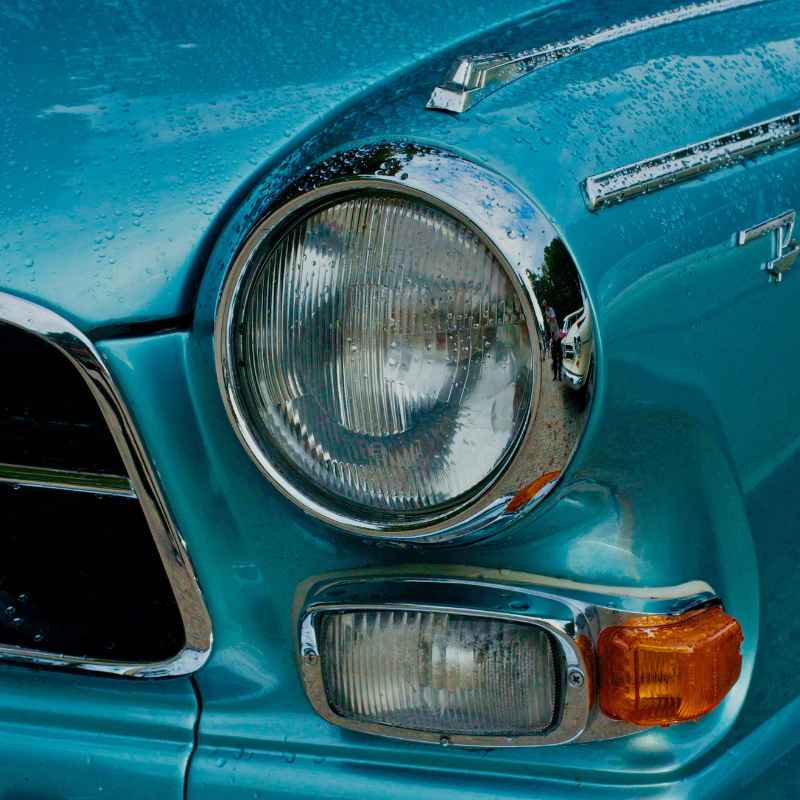
The most common type is the halogen bulb. You see these a lot. They’ve been around for ages.
They work like a regular light bulb in your house. A wire inside gets hot. It glows.
It gives off light. They are quite affordable. You can often find a single halogen bulb for about $10 to $25.
Some premium halogen bulbs might reach $30. They are a good, reliable choice. For many drivers, they are all they need.
Replacing them is usually simple too.
Next up are High-Intensity Discharge (HID) bulbs. These are also called Xenon bulbs. They are much brighter than halogens.
They use electricity to make an arc of light. This arc is between two metal rods. It’s pretty fancy tech.
Because of this, HID bulbs cost more. A single HID bulb can run from $40 to $100. Sometimes even more for specific car models.
They give off a clean, white light. Many newer cars come with them standard. They are a step up in brightness and style.
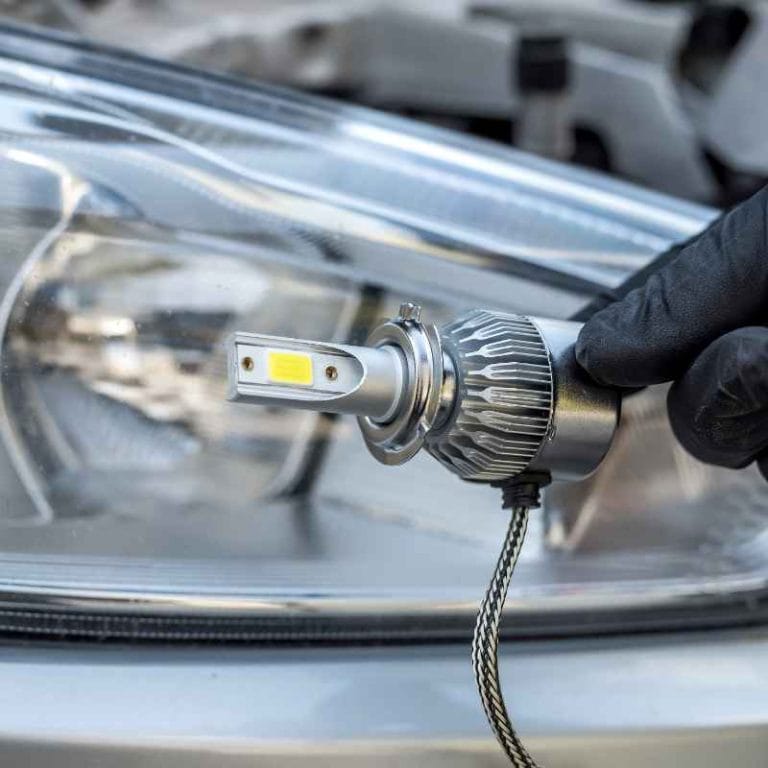
Then we have LED (Light Emitting Diode) bulbs. LEDs are super popular now. They are very energy efficient.
They last a very long time. They give off a bright, crisp light. Many cars use LEDs for their taillights and brake lights.
Headlights are also going LED. The price for LED bulbs is higher than halogens. You might see them for $30 to $70 per bulb.
But for some advanced headlight systems, the cost can go much higher. Think $100 or more. The long lifespan can save you money over time.
You won’t replace them as often.
Some cars use very specific bulbs. These might be for fog lights. Or for interior lights.
Or for specialized daytime running lights. These can be anywhere in price. Some are cheap.
Others are very expensive. Always check your car’s manual. Or ask an expert.
They can tell you the exact type you need.
It’s important to get the right bulb. Using the wrong one can be unsafe. It might not light the road well.
Or it could blind other drivers. Always confirm the bulb number or type for your car. This is often found on the old bulb itself.
Or in your car’s owner manual. This helps avoid costly mistakes. And keeps you driving safely at night.
Bulb Type Comparison Table
| Bulb Type | Typical Cost Per Bulb | Brightness | Lifespan |
|---|---|---|---|
| Halogen | $10 – $30 | Standard | Good |
| HID/Xenon | $40 – $100+ | Very Bright | Long |
| LED | $30 – $100+ | Very Bright | Very Long |
Factors Affecting Car Light Bulb Price
We’ve talked about the types. Now let’s look at other things that change the price. Why does one brand cost more than another?
It’s not always about the light itself. Sometimes it’s about the name. Or the place it was made.
Brand name is a big factor. Companies like Sylvania, Philips, and Osram are well-known. They often make high-quality bulbs.
They test them well. Because of this reputation, their bulbs can cost more. A less known brand might be cheaper.
But you might not know about their quality. Sometimes, cheaper bulbs don’t last as long. Or they aren’t as bright.
It’s a trade-off. Do your research on brands if you can. Look for reviews.
See what other drivers say.
The make and model of your car is also key. Think about luxury cars. Or sports cars.
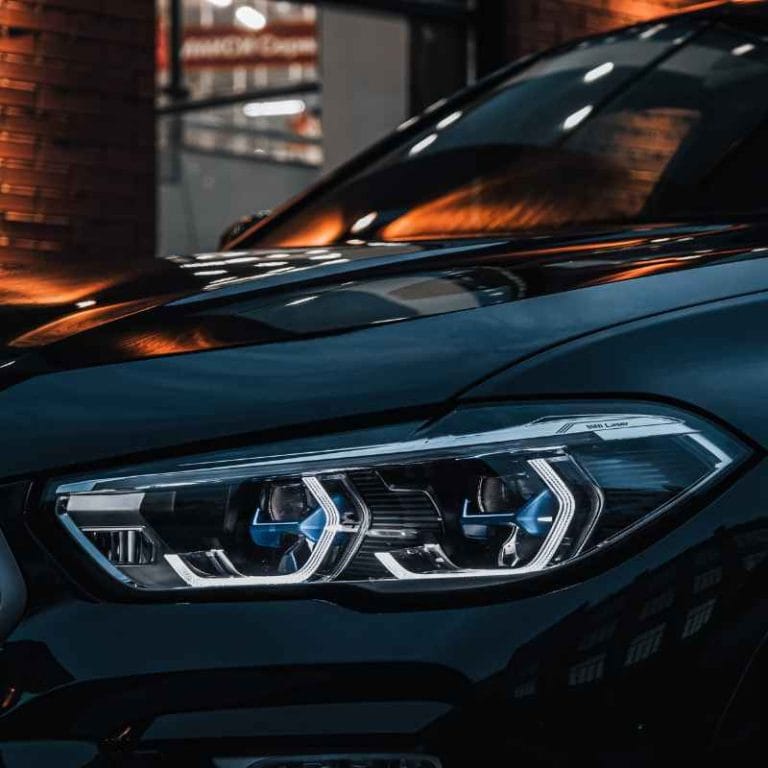
They often have special lighting. Maybe it’s integrated into the design. Or it’s a very specific type of HID or LED.
These special bulbs are made for that car. They might not fit any other car. This makes them harder to produce.
And therefore, more costly. A bulb for a common sedan might be very standard. And easy to find.
This makes it cheaper.
Where you buy the bulb makes a difference. Auto parts stores are convenient. You can see the bulb.
You can ask staff for help. But they often have higher markups. Online retailers can be cheaper.
You can compare prices easily. But you have to wait for shipping. And you can’t see the bulb before you buy it.
Sometimes, the dealer has the exact part. But dealer prices are often the highest.
The specific location of the bulb matters too. Headlight bulbs are usually the most expensive. Especially if they are HID or LED.
This is because they are crucial for night driving. They need to be bright and reliable. Taillight bulbs and brake lights are often less expensive.
They might be standard halogen bulbs. Or simple LEDs. Turn signal bulbs are usually in the middle.
The cost of the bulb itself is one part. The cost of labor to replace it is another.
Quick Scan: Bulb Price Influencers
Brand Reputation: Well-known brands often charge more for quality assurance.
Vehicle Specificity: Custom or rare bulbs for luxury/sports cars cost more.
Retailer Choice: Online stores may offer lower prices than physical auto shops.
Bulb Function: Headlight bulbs typically cost more than taillight bulbs.
DIY vs. Professional Installation Costs
So, you know the price of the bulb. But that’s not always the whole story. Will you do it yourself?
Or will you pay someone to do it? This decision can change your total cost a lot.
DIY installation is usually the cheapest option for the bulb itself. If you buy a halogen bulb for $15, and install it yourself, that’s your total cost. Many headlight bulbs are easy to change.
You might just need a screwdriver. Or to twist off a cap. YouTube is full of videos.
They show you how to do it for almost any car. It saves you money. And gives you a sense of accomplishment.
However, some bulb replacements are tricky. They might be in hard-to-reach spots. Or they might require removing other car parts.
For example, changing a headlight bulb on some cars means removing the bumper. Or the battery. In these cases, the labor cost adds up quickly.
Mechanics charge by the hour. Or by a flat rate for the job. This can be $50 to $150 or more.
Just for the labor. Add the bulb cost to that. And it becomes a much bigger bill.
Sometimes, even if a bulb is cheap, the labor makes it not worth doing yourself. Think about complex LED headlight assemblies. The bulbs themselves might be $50.
But if the mechanic charges $100 in labor, you’re at $150. If you can do it yourself in 30 minutes, you save money. But if it takes you 3 hours and lots of frustration, maybe paying the mechanic is better.
Always consider your comfort level with car repairs. And the tools you have. If you’re unsure, it’s safer to get professional help.
Safety first is always the best rule. A poorly installed bulb can cause problems. Or worse, be a safety hazard.
Here’s a quick thought on HID and LED bulbs. Sometimes these are not just bulbs. They are part of a larger unit.
Replacing the whole unit can be very expensive. If an HID ballast fails, for example, it might cost hundreds to fix. So the initial bulb cost is just one piece of the puzzle.
DIY vs. Pro: Cost Breakdown
DIY
Cost: Bulb price only.
Pros: Saves money on labor.
Cons: Requires time, tools, and skill. Can be difficult for some cars.
Professional Install
Cost: Bulb price + Labor fees ($50-$150+).
Pros: Quick, efficient, done correctly. No need for tools or expertise.
Cons: More expensive overall.
When to Worry About Your Car Lights
Most of the time, a burnt-out bulb is simple. You replace it. You move on.
But sometimes, it’s a sign of something more. Or it’s a situation where you need to act fast.
When is a burnt-out bulb normal? If one of your headlights goes out. Or a taillight flickers and dies. This is usually just the bulb reaching the end of its life.
Halogen bulbs don’t last forever. They burn out. It’s wear and tear.
If your car is older, this will happen more often. It’s just part of owning a car.
When should you worry?
- Multiple bulbs failing at once: If suddenly, two or three bulbs go out. This could mean a bigger electrical problem. Maybe a faulty fuse. Or an issue with the wiring harness.
- Flickering lights: If your lights flicker before they die. Or if they flicker constantly. This can also point to an electrical issue. It could be a loose connection. Or a failing alternator.
- Dim lights: If your headlights are suddenly dim. Even with new bulbs. This can mean dirty lenses. Or a problem with the power supply.
- Error messages: Some modern cars have sensors. They will tell you if a bulb is out. If you get an error message for a bulb. But the bulb looks fine. It might be a faulty sensor. Or the connection is bad.
- After an impact: If your lights stop working after you hit something. Even a small bump. The impact could have damaged the bulb housing. Or the wiring.
If you notice any of these signs, it’s wise to get your car checked. Don’t just replace bulb after bulb. You might be wasting money.
And not fixing the real problem. A mechanic can test the electrical system. They can find the root cause.
This saves you time and money in the long run. It also keeps your car safe. And reliable on the road.
Remember, your car’s lights are critical for safety. Especially at night. Or in bad weather.
Make sure they are always working correctly. Don’t put off replacing a burnt-out bulb. It’s often illegal to drive with a broken light.
And it puts you and others at risk.
Real-World Scenarios and Costs
Let’s look at some real situations. How much did people actually pay? This can give you a better idea.
It’s not just numbers on a page. It’s what happened in real homes.
Scenario 1: The Everyday Sedan Headlight
My neighbor, Sarah, drives a 2018 Honda Civic. One of her low-beam headlights burned out. She took it to her local independent mechanic.
The mechanic said it was a standard H11 halogen bulb. He charged her $15 for the bulb. And $30 for the labor.
Because it was easy to access. Total cost: $45.
Scenario 2: The Luxury SUV’s HID Headlight
My friend, Mark, has a 2020 BMW X5. His driver’s side headlight went out. It was an HID bulb.
The dealer told him it would be $150 for the bulb itself. Plus $80 for labor to replace it. Because the bumper had to be partially removed.
Total cost: $230.
Mark decided to shop around. He found an online auto parts store. He bought an aftermarket HID bulb for $60.
He then paid a smaller garage $60 for labor. Total cost: $120. He saved money.
But it took more effort to research and find the parts.
Scenario 3: The Truck’s LED Brake Light
My cousin, David, drives a Ford F-150. His third brake light started flickering. It turned out it was an LED strip.
Not a single bulb. The entire assembly needed replacing. The part from Ford was $90.
The dealership charged $75 to install it. Total cost: $165.
David found a used assembly online. It cost him $40. He installed it himself in about 20 minutes.
Total cost: $40.
These examples show the wide range of costs. A simple halogen bulb replacement can be under $50. But a complex HID or LED system on a luxury vehicle can easily reach $200-$300 or more.
Even for a single bulb. The choice between genuine OEM parts and aftermarket parts also impacts price. As does the decision to do it yourself.
Real-World Cost Examples
Quick Fixes and Tips for Saving Money
Want to keep those car light bulb costs down? There are smart ways to do it. It’s about being a little proactive.
And a little savvy.
- Know your bulb type: Before you go shopping, find out exactly what bulb you need. Check your owner’s manual. Or look at the old bulb. Getting the wrong one wastes time and money.
- Shop around online: Many online auto parts retailers offer good prices. You can compare them easily. Just be sure to check shipping costs. And return policies.
- Consider reputable aftermarket brands: Brands like Sylvania and Philips offer good quality. But other brands can be cheaper. Read reviews to find reliable, budget-friendly options.
- Buy bulbs in pairs: If one headlight bulb burns out, the other might be close to the end of its life too. Replacing them both at the same time can save you labor costs later. Especially if the job is difficult.
- Learn simple DIY replacements: If changing a bulb is straightforward for your car, do it yourself! Watch video tutorials. It can save you $50 to $150 in labor costs.
- Check for deals and coupons: Auto parts stores often have sales. Sign up for email lists. Or check their flyers. You might find a discount.
- Don’t ignore dimming lights: If your lights are dimming, replace them before they burn out. This avoids driving in the dark. And potentially costly electrical diagnostics.
- Clean your headlight lenses: Over time, plastic headlight lenses can get cloudy. This reduces light output. You can buy kits to clean them. Or get them professionally restored. This makes your existing bulbs shine brighter. And can delay replacement.
Being informed is the best way to save. Know what you need. Know where to get it.
And know when you can do it yourself. These simple steps can help you manage car light bulb cost effectively.
Frequently Asked Questions
How often do car light bulbs need replacing?
Most halogen bulbs last between 400 to 1,000 hours. This can translate to 2 to 4 years of average driving. LED and HID bulbs last much longer, often 10 to 20 years.
The exact lifespan depends on the bulb quality, how often you use your lights, and road conditions.
Can I replace a headlight bulb myself?
For many cars, yes! It often just involves opening the hood, locating the bulb housing, and twisting or unclipping the old bulb. Then, inserting the new one.
However, for some vehicles, it can be very difficult. It might require removing other parts. Check your car’s manual or search for a video tutorial for your specific make and model.
Are LED headlights brighter than Halogen?
Generally, yes. LED headlights are significantly brighter and more energy-efficient than traditional halogen bulbs. They also offer a crisper, whiter light that can improve visibility.
This is why many newer cars are equipped with LED lighting systems.
What’s the difference between HID and LED headlights?
HID (High-Intensity Discharge) bulbs use an electric arc between two electrodes to produce light. They are very bright and produce a distinct blue-white light. LED (Light Emitting Diode) bulbs use semiconductors to emit light.
They are also very bright, energy-efficient, and have a longer lifespan than HIDs. Both are advanced lighting technologies.
Is it illegal to drive with one headlight out?
Yes, in most places, it is illegal to drive with a burnt-out headlight. Your vehicle is required to have working headlights for safe operation, especially at night. Driving with a single headlight could result in a ticket and a fine.
It’s also a significant safety hazard.
Can I put a different type of bulb (like LED) into a socket meant for Halogen?
While some LED bulbs are designed to be a direct replacement for halogen bulbs, it’s not always straightforward. You need to ensure the LED bulb has the correct base type. Also, the car’s electrical system might need adjustments.
Sometimes, the housing design isn’t optimized for LED light patterns. It’s best to use bulbs designed for your car or consult a professional.
Conclusion
Understanding the cost of car light bulbs involves many factors. From the type of bulb to the brand and your car model, prices can vary greatly. Knowing these differences helps you make smart choices.
Whether you’re opting for a simple DIY fix or professional installation, you can now approach the situation with more confidence. You’ll be better prepared for the car light bulb cost. And keep your car safe and visible on the road.
See also when does cars land light up at disney full guide here. See also why won’t car lights turn on causes and quick fixes.
Products related to this article
Sponsored / affiliate links. As an Amazon Associate I earn from qualifying purchases. I may earn additional commission from eligible campaigns.