Which Car Light Is Best for Night Driving? Top Picks
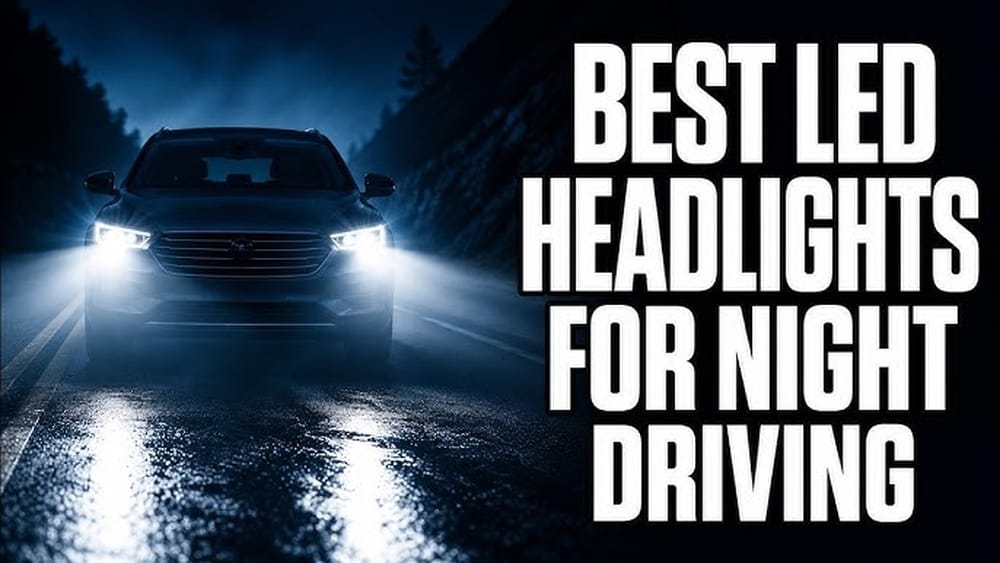
Driving at night presents unique challenges that demand more from your vehicle’s lighting system than daytime driving ever does. Reduced visibility, glare from oncoming traffic, and the need to spot obstacles or hazards in time to react safely all hinge on the quality and performance of your car lights.
For many drivers, the difference between a safe journey and a near-miss (or worse) comes down to which type of headlight or auxiliary light they rely on after dark.
Selecting the optimal car light for night driving isn’t just about brightness; it’s about clarity, color temperature, beam pattern, and compatibility with your vehicle and local regulations. With innovations in lighting technology, ranging from traditional halogen bulbs to advanced LED and HID systems, drivers today face a wealth of choices.
This guide breaks down the strengths and weaknesses of each lighting type, highlights real-world performance, and provides data-driven recommendations so you can confidently choose the best car light for your nighttime driving needs.
Key Takeaways
- LED headlights offer the best combination of brightness, longevity, and energy efficiency for night driving.
- HID (Xenon) lights provide superior range and intensity but may cause glare if not properly aligned.
- Halogen bulbs remain the most affordable and widely used option, though they lag in performance and lifespan.
- Adaptive lighting systems can significantly enhance night visibility by adjusting the beam pattern based on driving conditions.
- Choosing the right bulb involves considering beam pattern, color temperature, brightness (lumens), legal compliance, and your specific driving environment.
- Upgrading your lighting system can improve safety, but always ensure your setup is street legal and professionally installed.

Credit: headlightbulbkit.com
Understanding Car Lighting Technologies
The first step in determining which car light is best for night driving is understanding the available technologies and how they impact visibility and safety.
Halogen Headlights
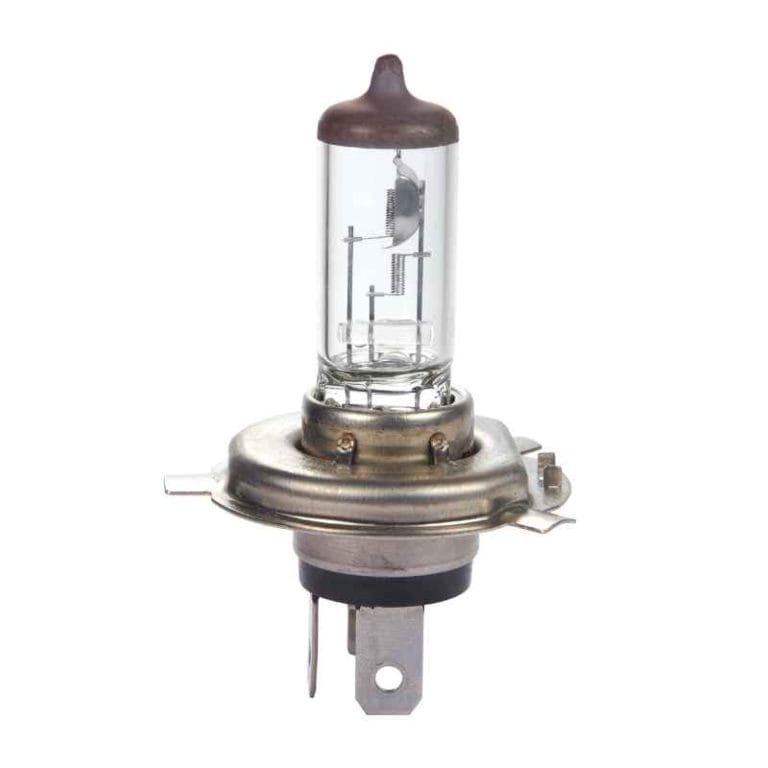
Halogen bulbs are the most common type found in vehicles worldwide. They use a tungsten filament enclosed in a glass capsule filled with halogen gas. Halogen headlights are known for their affordability and ease of replacement, making them a default choice for many automakers.
- Advantages: Inexpensive, widely available, simple to install.
- Disadvantages: Lower brightness (typically 700-1,200 lumens), shorter lifespan (about 500-1,000 hours), and a yellowish light (3,200K color temperature) that can reduce contrast at night.
Hid (xenon) Headlights
High-Intensity Discharge (HID) lights, also called xenon lights, generate light by passing an electric current through xenon gas. This process produces a much brighter and whiter light compared to halogens.
- Advantages: High brightness (3,000+ lumens), longer lifespan (2,000-3,000 hours), and a bluish-white light (4,000-6,000K) that enhances visibility.
- Disadvantages: More expensive, require a ballast for operation, and can cause glare if not correctly installed or adjusted.
Led Headlights
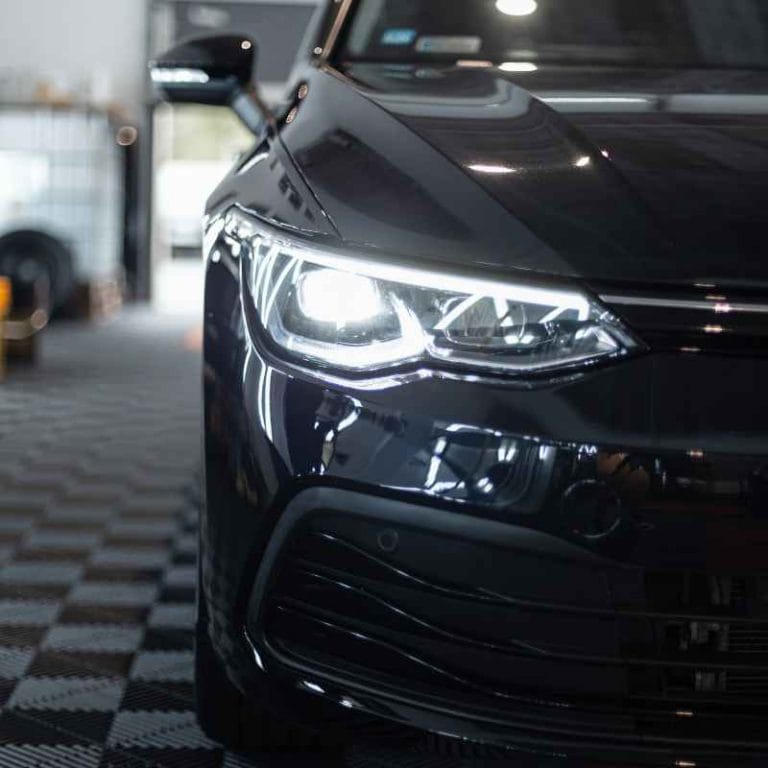
Light Emitting Diode (LED) headlights have rapidly become the gold standard for new vehicles. LEDs use semiconductor technology to create light efficiently and with minimal heat.
- Advantages: Exceptional brightness (2,000-4,000 lumens), extremely long lifespan (up to 30,000 hours), energy efficient, and offer precise beam control. Typically emit a crisp white light (5,000-6,500K).
- Disadvantages: Higher initial cost, potential compatibility issues with older vehicles, and some cheap aftermarket kits may lack proper beam focus.
Laser Headlights
A recent innovation, laser headlights use lasers to excite a phosphor material, generating an intense white light. They are currently limited to high-end vehicles and specialty markets.
- Advantages: Outstanding brightness, very long range (up to 600 meters ahead), ultra-low power consumption.
- Disadvantages: Extremely expensive, not widely available, and subject to strict regulatory controls.
Comparison Table: Key Specifications Of Car Light Technologies
| Technology | Brightness (Lumens) | Color Temperature (K) | Lifespan (Hours) | Energy Use | Cost |
|---|---|---|---|---|---|
| Halogen | 700-1,200 | 3,200 | 500-1,000 | High | Low |
| HID (Xenon) | 3,000-3,500 | 4,000-6,000 | 2,000-3,000 | Medium | Medium-High |
| LED | 2,000-4,000 | 5,000-6,500 | 10,000-30,000 | Low | High |
| Laser | Up to 6,000 | 5,500-6,500 | >30,000 | Very Low | Very High |
What Makes A Car Light Effective For Night Driving?
Not every bright headlight is equally effective for night driving. Several critical factors determine how well a car light performs after dark.
Beam Pattern And Focus
The beam pattern dictates how light is projected onto the road. A well-designed beam illuminates the path without creating glare for oncoming drivers. Modern LED and HID systems often feature advanced optics for precise beam control, reducing stray light.
- Symmetrical patterns enhance overall visibility.
- Sharp cutoffs prevent dazzling other drivers.
- Adaptive systems can adjust the pattern in real-time for curves and hills.
Brightness And Lumens
While higher lumens mean more light, excessive brightness can backfire by causing glare or reflecting off road signs and wet surfaces. Optimal headlights balance brightness with beam focus.
- For standard driving, 1,500, 2,500 lumens per bulb is typically sufficient.
- Off-road or rural drivers may benefit from higher-output auxiliary lights.
Color Temperature
Measured in Kelvin (K), color temperature affects how your eyes perceive contrast and detail. Studies suggest lights in the 4,000, 6,000K range (white to blue-white) are best for night driving, as they closely mimic daylight and boost contrast without excessive glare. Yellowish halogen bulbs (around 3,200K) can make it harder to distinguish objects at a distance.
Regulatory Compliance
Each country and state has rules about allowable headlight brightness, color, and beam pattern. Using non-compliant lights can result in fines or failed inspections. Always check your local Department of Transportation or equivalent authority before upgrading.
Installation Quality
Even the best headlight is only as effective as its installation. Misaligned lights can blind other drivers or create dark spots in your field of view. Professional installation ensures optimal alignment and safety.

Credit: glitteringlightslasvegas.com
Top Picks: Best Car Lights For Night Driving
After evaluating the leading technologies, here are the top picks for various needs and budgets, based on real-world performance, expert reviews, and user feedback.
1. Best Overall: Led Headlights
LED headlights consistently outperform other lighting types for most night driving scenarios. They provide a crisp, daylight-like beam, instant full brightness, and exceptional longevity.
Notable Features:
- Superior beam pattern and focus
- Energy efficiency saves your alternator and battery
- Long-lasting (often outliving the car itself)
Example: The Philips X-tremeUltinon LED is a popular upgrade choice, praised for its intense white light and broad, even distribution. In my experience, switching to quality LED headlights dramatically improved my ability to spot hazards on dark rural roads.
2. Best For Maximum Range: Hid (xenon) Headlights
For drivers who frequently travel on highways or rural routes with minimal street lighting, HID headlights offer unmatched range and intensity.
Notable Features:
- Powerful, high-lumen output
- Enhanced long-distance visibility
- Excellent for spotting wildlife or obstacles far ahead
Warning: Improperly installed HIDs can create dangerous glare. Always use DOT-approved kits and ensure professional alignment.
3. Best Budget Option: Halogen Bulbs
If cost is a primary concern, halogen bulbs remain a viable option. Modern halogen technology, such as Philips VisionPlus or Sylvania SilverStar Ultra, offers improved brightness over stock bulbs.
Notable Features:
- Affordable to buy and replace
- Widely available at auto stores
- Suitable for older vehicles with non-upgradeable housings
4. Best High-tech Solution: Adaptive Headlights
Adaptive headlights, found on many luxury and high-end vehicles, automatically adjust the beam direction based on steering input, speed, and road conditions.
Notable Features:
- Dynamic beam adaptation improves cornering visibility
- Reduces glare for other drivers
- Often integrates with auto high-beam assist
Example: The BMW Adaptive LED Headlight system pivots the beam with the steering wheel, illuminating curves and intersections effectively. Drivers report feeling more confident on winding roads at night.
5. Best For Off-road And Extreme Conditions: Auxiliary Led Light Bars
For off-road enthusiasts or those who drive in rural, unlit areas, auxiliary LED light bars supplement standard headlights with an intense, wide beam.
Notable Features:
- Floods the landscape with light, ideal for trails and fields
- Rugged, waterproof design
- Mountable on roof racks, grilles, or bumpers
Pro Tip: Only use auxiliary lights where legal. Most states prohibit their use on public roads to avoid blinding other drivers.
6. Best For Classic Cars: Halogen Upgrades
Vintage vehicles or classic cars often cannot accommodate LEDs or HIDs without significant modifications. Upgraded halogen bulbs, such as those with improved filaments or gas mixtures, can enhance output without altering the car’s aesthetics or wiring.
Notable Features:
- Maintains original appearance
- Plug-and-play installation
- Improved brightness over old stock bulbs
Credit: keldco.com
Data-driven Comparison: Top Headlight Bulbs 2026
To help you choose the right bulb, here’s a comparison of leading headlight options based on independent test results and customer feedback.
| Model | Type | Brightness (Lumens) | Color Temp (K) | Lifespan (Hours) | Estimated Price | Street Legal |
|---|---|---|---|---|---|---|
| Philips X-tremeUltinon LED | LED | 2,500 | 5,800 | 12,000 | $120 (pair) | Yes (DOT) |
| Osram Night Breaker Laser | Halogen | 1,500 | 3,500 | 1,000 | $40 (pair) | Yes (DOT) |
| Morimoto XB HID Kit | HID | 3,500 | 6,000 | 2,500 | $180 (pair) | Yes (DOT) |
| Auxbeam 32″ LED Light Bar | Auxiliary LED | 6,000 | 6,000 | 30,000 | $80 | No (Off-road) |
| Philips VisionPlus | Halogen | 1,200 | 3,200 | 800 | $30 (pair) | Yes (DOT) |
Real-world Examples: Night Driving Scenarios
To put these options in perspective, let’s look at how different lights perform in real-world situations.
Rural Highway Driving
A driver on a rural highway equipped with factory halogen bulbs struggles to see deer crossing signs and roadside hazards until they’re dangerously close. After upgrading to an LED system, the same driver reports a significant improvement in both distance and peripheral visibility, allowing safer reaction times.
Urban Street Navigation
In a busy city with ample street lighting, a compact car with halogen bulbs provides adequate illumination. However, when switching to adaptive LED headlights, the driver notices clearer lane markings and better detection of pedestrians, especially at poorly lit intersections.
Off-road Adventures
An off-road enthusiast installs a 32-inch auxiliary LED light bar for nighttime trail runs. The wide flood beam reveals rocks, tree stumps, and wildlife well beyond the reach of stock headlights, enhancing safety and confidence during challenging terrain.
How To Choose The Right Car Light For Your Needs
Selecting the best car light for night driving depends on several personal and practical considerations.
Assess Your Driving Environment
- Urban drivers: May not need maximum brightness due to street lighting; focus on beam pattern and glare reduction.
- Rural/highway drivers: Benefit from higher output and longer-range beams to spot hazards sooner.
- Off-roaders: Require wide, high-lumen auxiliary lighting for unlit environments.
Consider Compatibility And Legal Requirements
- Check your vehicle’s headlight housing type (reflector vs projector).
- Confirm that your chosen light is DOT-approved for road use.
- Consult your owner’s manual or a trusted mechanic for guidance.
Factor In Budget And Maintenance
- Halogen: Cheapest upfront, higher long-term replacement cost.
- LED/HID: Higher initial investment, but lower maintenance and energy cost.
Prioritize Installation Quality
- Professional installation ensures proper alignment and avoids legal or safety issues.
- DIY installation is possible for some plug-and-play models, but misalignment is a common risk.
Enhancing Nighttime Safety: Tips And Best Practices
The right headlight can dramatically improve night driving, but your safety also depends on how you use them and maintain your vehicle.
Regular Maintenance
- Clean headlight lenses regularly, dirt or fogging can cut output by up to 50%.
- Replace bulbs in pairs to ensure even illumination.
- Check alignment after any bulb change or front-end repair.
Use High Beams Appropriately
- Switch to high beams on empty roads for maximum distance.
- Dim your lights when approaching or following other vehicles to avoid glare.
Avoid Overdriving Your Lights
- Never drive faster than your headlights can illuminate the road ahead.
- At 60 mph, your stopping distance should not exceed your visible beam.
Upgrade Safely
- Avoid unbranded aftermarket bulbs that lack proper certification or beam focus.
- Consult reputable sources like the Insurance Institute for Highway Safety for tested headlight ratings.
Pro Tip:
Always carry a spare bulb and basic tools, especially on long trips or in remote areas.
The Science Of Light: How Headlight Color And Intensity Affect Vision
Understanding how light interacts with the human eye at night can help you make a more informed decision.
Human Eye Sensitivity At Night
The human eye is most sensitive to light in the green-yellow spectrum (around 550 nm) but perceives contrast best under white or slightly bluish light. Excessively blue or purple light can cause discomfort and reduce visual acuity.
Effects Of Color Temperature
- Warm white (3,000, 4,000K): Less glare, but lower contrast and shorter range.
- Cool white (5,000, 6,000K): Highest contrast and clarity, but may increase perceived glare on wet surfaces.
A study by the Society of Automotive Engineers indicates that white light in the 4,500, 6,000K range offers the best balance for night driving, supporting the popularity of LED and HID systems.
Managing Glare And Fatigue
- Proper headlight aim reduces glare for others and eye strain for you.
- Polarized or anti-reflective coated windshields can help minimize oncoming glare.
Frequently Asked Questions
What Is The Legal Limit For Headlight Brightness In The Us?
The Department of Transportation (DOT) regulates headlight brightness and beam pattern, but there is no universal lumen cap. Instead, headlights must meet specific photometric standards to ensure they do not cause excessive glare or insufficient illumination. Always use DOT-approved bulbs and avoid modifications that could render your lights non-compliant.
Can I Upgrade My Halogen Headlights To Led Or Hid?
In many cases, yes. However, upgrading from halogen to LED or HID requires compatible housings and proper installation. Retrofit kits are available, but you must ensure the new bulbs fit your headlight assembly and are aimed correctly. Some vehicles with reflector housings may not focus LED or HID light properly, leading to glare or uneven beams.
Do Brighter Headlights Always Mean Better Visibility?
Not necessarily. While higher lumens can improve visibility, beam pattern and color temperature play crucial roles. Excessively bright headlights can cause glare, reducing your own and others’ visibility. The best headlights combine optimal brightness with precise focus and a color temperature that enhances contrast.
How Often Should I Replace My Car Headlights?
Halogen bulbs typically need replacement every 1, 2 years, depending on usage. LED and HID bulbs last much longer, often 5, 10 years or the life of the vehicle. Replace bulbs in pairs to maintain even light output, and always check your lights after any front-end repair.
Are Aftermarket Headlight Bulbs Safe And Reliable?
Quality varies widely. Reputable brands such as Philips, Osram, and Sylvania offer safe, reliable options that meet regulatory standards. Avoid cheap, unbranded bulbs, as they may lack proper beam focus, causing glare or poor visibility. Always verify that aftermarket bulbs are DOT-approved and suited for your vehicle.
Night driving demands more from both driver and vehicle, and choosing the right car light is one of the most impactful safety upgrades you can make. By understanding the strengths and limitations of each lighting technology, considering your driving environment, and prioritizing proper installation, you’ll enjoy safer, more confident journeys after dark.
Whether you opt for the cutting-edge performance of LED headlights, the classic reliability of halogens, or advanced adaptive systems, the key is to match your lighting to your real-world needs, ensuring every mile you drive at night is as clear and secure as possible.
Products related to this article
Sponsored / affiliate links. As an Amazon Associate I earn from qualifying purchases. I may earn additional commission from eligible campaigns.
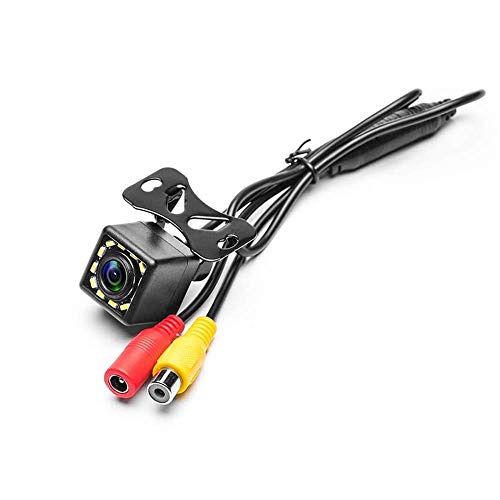 Camecho Vehicle Backup Camera Waterproof Car Rear View Camera 170° Wide Angle 12 LED Night Visions Backup Reversing Parking Cameras
 Acrylic Interior Car LED Strip Light, Dreamcolor 10-in-1 RGB Ambient Lighting with APP, 16 Million Colors 175in 600LED Music Sync Lights for Night Driving, Home, Camping & Gift Decor