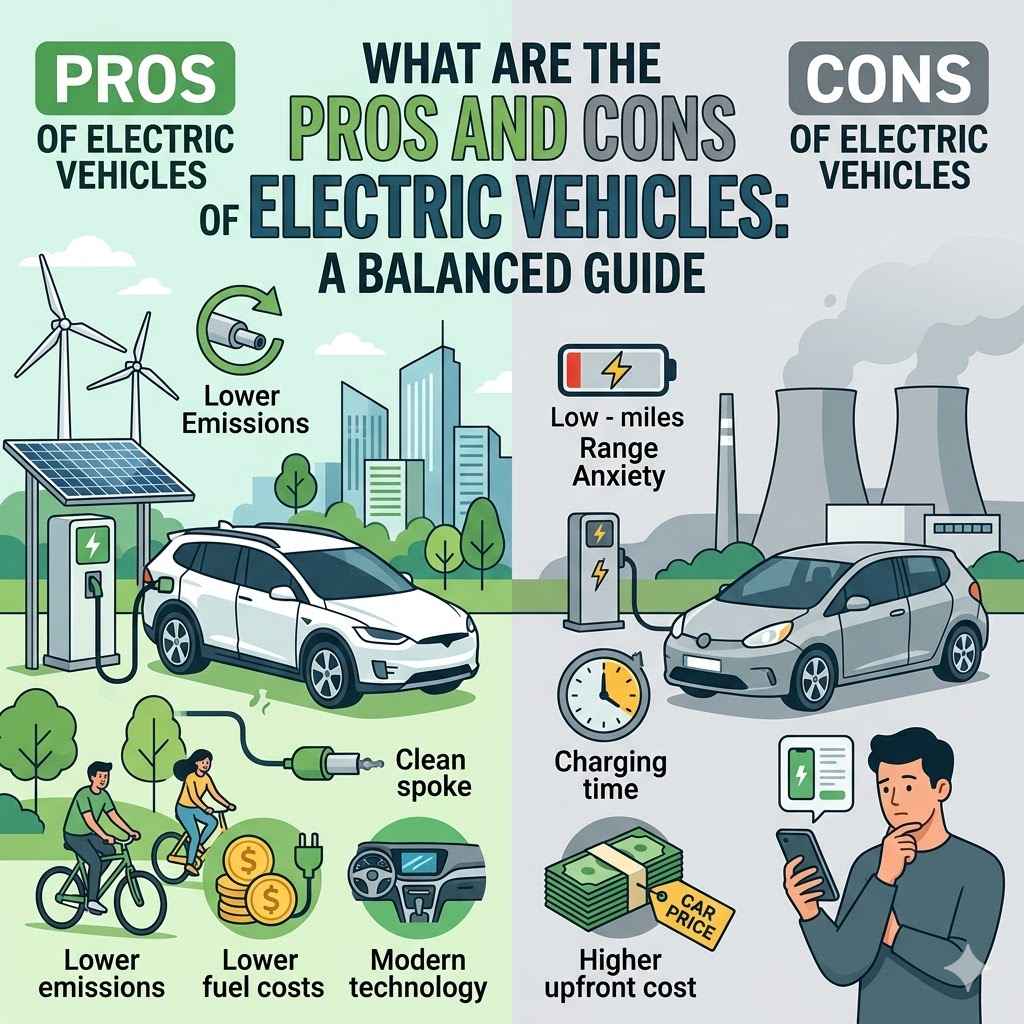
What are the Pros And Cons of Electric Vehicles: A Balanced Guide
Electric vehicles (EVs) are changing how we think about transportation. Once seen as experimental, EVs have now become popular in cities and small towns around the world. Companies like Tesla, Nissan, and BMW are investing heavily in this technology. Many countries are even setting deadlines to stop selling new gasoline cars.
But are electric vehicles really the future for everyone? Like any technology, EVs come with both advantages and disadvantages. If you’re considering buying one or just want to understand the topic, it’s important to look at both sides.
In this article, you’ll get a clear, honest look at the pros and cons of electric vehicles. We’ll explore real numbers, answer common questions, and highlight things most beginners overlook. Whether you’re a driver, a student, or just interested in clean technology, this guide gives you the full picture so you can make smart choices.
What Are Electric Vehicles?
Before diving into benefits and drawbacks, let’s clarify what an electric vehicle is. Electric vehicles are cars, trucks, motorcycles, or buses powered mainly by electricity. They use one or more electric motors, drawing power from batteries that you recharge by plugging into the grid. Some EVs are “all-electric,” while others are plug-in hybrids that also have a gasoline engine.

As an Amazon Associate I earn from qualifying purchases.
Many people confuse hybrids and EVs. A hybrid car uses both an engine and a battery but can’t drive far on electricity alone. A plug-in hybrid can travel a short distance using just the battery, then switches to gasoline. Full EVs, like the Nissan Leaf or Tesla Model 3, run only on electricity.

Pros Of Electric Vehicles
Electric vehicles have seen rapid growth because of many benefits, from lower running costs to environmental advantages. Let’s look closely at the main strengths.
1. Lower Running Costs
When you drive an EV, you usually spend less on fuel and maintenance. Electricity is often cheaper than gasoline or diesel. For example, in the United States, charging an EV costs about $0.13 per kilowatt-hour on average. If you drive 15,000 miles per year, you might spend $500 on electricity, while a gasoline car could cost $1,200 or more for fuel.
EVs also have fewer moving parts. There’s no oil to change, no exhaust system, and fewer fluids. Regular maintenance costs can be 20-40% lower compared to traditional cars. Over five years, some studies show that EV owners save thousands of dollars.
2. Environmental Benefits
One of the biggest reasons people switch to electric cars is the reduction in emissions. EVs produce no tailpipe pollution, which means less carbon dioxide, nitrogen oxides, and particulates in the air. This is especially important in cities with smog or high asthma rates.
While it’s true that generating electricity still creates pollution, studies show that EVs are cleaner than gasoline cars even when powered by fossil fuels. As more electricity comes from renewable sources like wind or solar, EVs get even cleaner over time.
3. Quiet And Smooth Driving
Electric vehicles offer a quiet driving experience. There’s no engine noise, which makes city streets calmer and reduces noise pollution. The electric motor delivers power instantly, so acceleration feels smooth and fast, even at low speeds. Many drivers say they enjoy the “gliding” feel of an EV.
4. Instant Torque And Quick Acceleration
EVs can go from zero to sixty miles per hour in seconds. This is because electric motors deliver instant torque. You feel the power right away, with no waiting for gears to shift or engines to rev up. The Tesla Model S Plaid, for example, can accelerate from 0-60 mph in less than 2 seconds—a performance few gasoline cars can match.
5. Less Maintenance
With fewer moving parts, there’s less that can break. EVs don’t need oil changes, timing belt replacements, or exhaust repairs. Most regular maintenance involves checking brakes, tires, and the battery. This saves time and hassle, especially for people who don’t like visiting mechanics.
6. Home Charging Convenience
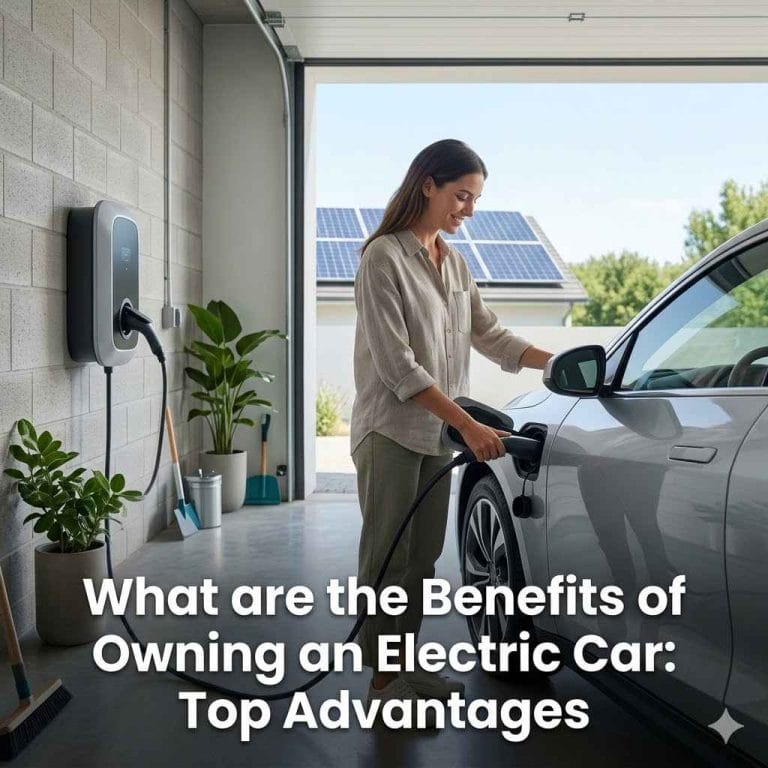
Charging an EV is as simple as plugging in your smartphone. Most owners do over 80% of their charging at home. You can “refuel” overnight and start each day with a full battery. This convenience is a big plus, especially for people who don’t live near gas stations.
7. Incentives And Tax Benefits
Many governments offer financial incentives for buying or leasing EVs. These can include tax credits, rebates, lower registration fees, and even access to carpool lanes. In the US, federal tax credits can reach up to $7,500 for some models. Several European countries offer even more generous packages to promote electric cars.
8. Reduced Dependence On Oil
By switching to electricity, countries can cut their reliance on imported oil. This has economic and security benefits. Local electricity generation, especially from renewables, keeps more money within the community and reduces the risks of oil price shocks.
9. Technological Innovation
Electric vehicles are often packed with the latest technology. Features like over-the-air software updates, advanced driver assistance, and smart navigation are becoming standard. EVs help push the whole car industry toward innovation, making all vehicles safer and smarter.
10. Better Air Quality
Cities with more EVs on the road have seen improvements in air quality. Fewer exhaust fumes mean less ground-level ozone and fewer health problems like asthma. Children and elderly people are especially likely to benefit from cleaner air.
11. Regenerative Braking
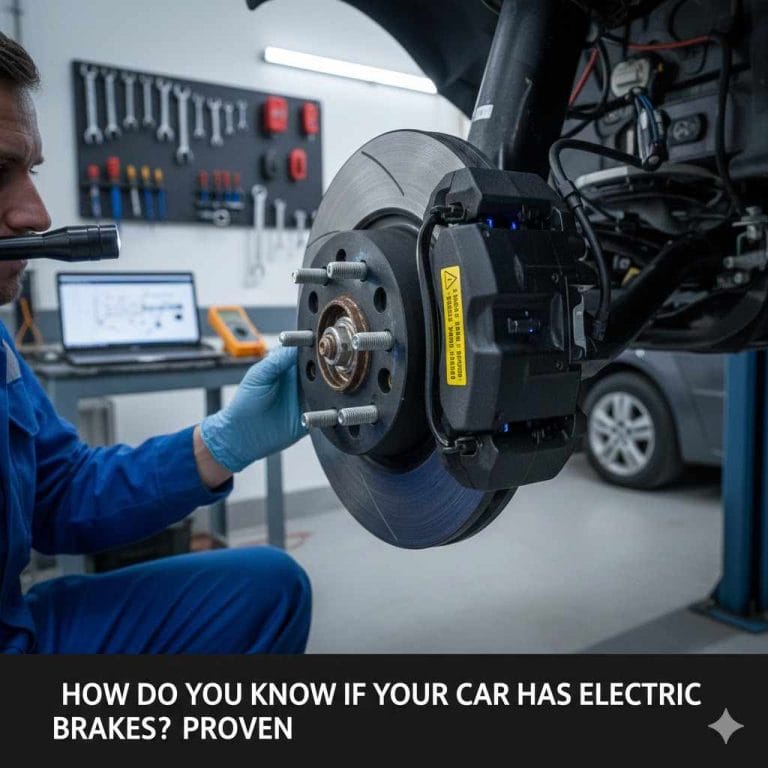
EVs use regenerative braking to recover energy when you slow down. Instead of wasting energy as heat, the electric motor acts as a generator and sends power back to the battery. This can increase your driving range and reduce brake wear.
12. Customizable Driving Experience
Many EVs let you adjust settings for acceleration, steering, and regenerative braking. You can choose a sportier or more relaxed drive, depending on your mood. Some cars let you control climate remotely or pre-condition the cabin before you get in.
13. Support For Renewable Energy
EVs can help balance the power grid. With smart charging, they can draw electricity when there’s extra solar or wind power available. In the future, some EVs might even feed electricity back to the grid during peak times, helping make the energy system more stable.
14. Future-proofing
More cities are planning to ban new gasoline and diesel cars in the next 10-20 years. Buying an EV now can “future-proof” your investment. You’re less likely to be affected by new regulations, and your car will be more attractive when it’s time to sell.
15. Positive Brand Image
Driving an EV can signal that you care about the environment and innovation. Many businesses are switching their fleets to electric to improve their brand image and show leadership in sustainability.
Cons Of Electric Vehicles
No technology is perfect. Electric vehicles have some clear drawbacks, especially for certain drivers and locations. Here’s an honest look at the main challenges.
1. Higher Upfront Cost
The price of a new electric vehicle is often higher than a comparable gasoline car. Even with tax credits, the initial cost can be a barrier. For example, the average EV price in the US is around $56,000, compared to $46,000 for a gasoline car. Battery costs are falling, but many models are still priced for premium buyers.
2. Limited Driving Range
Most EVs can travel between 150 and 300 miles on a single charge. While this is enough for daily commuting, it can be a problem for long road trips or people in rural areas. Extreme cold or heat can also reduce battery range by 20-40%.
Let’s compare the range of some popular vehicles:
| Model | Range (miles) | Price (USD) |
|---|---|---|
| Tesla Model 3 Long Range | 358 | $47,740 |
| Nissan Leaf | 149 | $28,040 |
| Chevrolet Bolt EV | 259 | $26,500 |
| Hyundai Kona Electric | 258 | $33,550 |
3. Charging Infrastructure
Not everyone can charge at home. Apartment residents, renters, and city dwellers may have limited access to charging stations. Public charging networks are growing, but there are still not enough fast chargers in many regions. Waiting for a charger on a busy day can be frustrating.
4. Longer Refueling Time
Filling a gasoline tank takes about five minutes. Charging an EV at home can take 8-12 hours for a full battery using a standard outlet. Fast chargers can add 100 miles in 20-30 minutes, but they are not always available.
For people who travel long distances or can’t charge overnight, this is a real drawback.
Here’s how charging speeds compare:
| Charger Type | Charging Time (0-80%) | Typical Location |
|---|---|---|
| Level 1 (120V) | 20-40 hours | Home |
| Level 2 (240V) | 4-8 hours | Home, Public |
| DC Fast Charger | 20-60 minutes | Highway, Public |
5. Battery Degradation
Over time, all batteries lose capacity. An EV battery might lose 10-20% of its range after 8-10 years. Most manufacturers offer an 8-year/100,000-mile battery warranty, but replacing a battery can cost thousands of dollars. While most owners do not notice a sudden drop, it’s an important factor for long-term planning.
6. Environmental Impact Of Batteries
Producing batteries requires lithium, cobalt, and nickel, which are mined in countries with environmental or social challenges. Battery manufacturing can create pollution, and recycling old batteries is still a developing industry. While EVs are cleaner on the road, their full lifecycle impact is more complex.
7. Limited Model Availability
In some markets, there are not enough choices. Many automakers focus on sedans and small SUVs, leaving gaps for pickup trucks, vans, or affordable compact cars. Over time, more options are coming, but availability still lags behind gasoline cars in many countries.
8. Towing And Heavy Loads
Electric vehicles usually have lower towing capacities compared to gasoline trucks. Carrying heavy loads or towing can reduce battery range quickly. For people who need a work vehicle or drive in remote areas, this is a practical limitation.
9. Cold Weather Challenges
Cold temperatures can reduce battery performance. You might lose 30% or more of your range on a freezing day. Heating the cabin also uses extra power, shortening your trip. While newer models include battery heaters and pre-conditioning, winter remains a challenge for EV owners in northern climates.
10. Limited Used Ev Market
The market for used EVs is still small. This makes it harder to find bargains or affordable options for first-time buyers. Resale values are also uncertain, as technology changes quickly and battery health can vary.
11. Upfront Charging Setup Costs
Installing a home charger can cost $500 to $2,000, depending on your electrical system. Some apartments or condos do not allow chargers, or you might need special permission. This is a hidden cost many people forget to consider.
12. Electricity Source Matters
If your local electricity comes mostly from coal or oil, the environmental benefits of EVs are less dramatic. In some regions, a gasoline hybrid might actually be cleaner than an EV charged with dirty power. Always check your local grid mix.
13. Insurance Can Be More Expensive
Some insurance companies charge higher premiums for EVs. This is because of higher repair costs, expensive parts, and limited repair shops. Over time, as EVs become more common, insurance rates are expected to even out.
14. Emergency Refueling Challenges
Running out of battery is not like running out of gasoline. You can’t just walk to a station and fill up a can. Roadside charging is rare, and towing an EV can be more complicated. Planning ahead is important, especially on long trips or in remote areas.
15. Grid Impact And Peak Demand
If millions of drivers start charging EVs at the same time, local power grids could be strained. Smart charging and better grid management can solve this, but it’s a challenge that cities and utilities are still working on.
Non-obvious Insights For Beginners
Most new EV buyers focus on range and price. But two important details often get missed:
- Battery warranties are usually separate from the main vehicle warranty. Check what’s covered, for how long, and what counts as “defective.” Some warranties only cover total failure, not gradual range loss.
- Seasonal range changes can surprise new owners. Cold and hot weather both affect batteries, but also consider how much you use heating or air conditioning. Planning your daily routes with these factors in mind helps avoid frustration.
Another overlooked point: public charging networks often require different apps or accounts. Before your first road trip, sign up for major charging networks in your region.
Comparing Electric And Gasoline Vehicles
To give you a broader perspective, here’s a direct comparison of key factors:
| Factor | Electric Vehicle | Gasoline Vehicle |
|---|---|---|
| Fuel Cost (per year) | $500 – $700 | $1,200 – $2,000 |
| Maintenance Cost (per year) | $300 – $500 | $600 – $1,000 |
| Range (per charge/tank) | 150 – 350 miles | 350 – 500 miles |
| CO2 Emissions (tailpipe) | Zero | Varies (average 4.6 tons/year) |
| Refueling Time | 20 min – 12 hrs | 5 – 10 min |
Looking Ahead: The Future Of Electric Vehicles
The EV market is growing fast. Battery prices are dropping, and new models are arriving every year. Governments are investing in charging networks, and the auto industry is shifting more resources toward electric technology.
One exciting trend is vehicle-to-grid (V2G) technology, which lets cars send power back to the grid. Another is the rise of solid-state batteries, which promise longer range, faster charging, and better safety.
However, challenges remain. Charging infrastructure, battery recycling, and access for all drivers are key issues that need solutions. The transition will take time, but the direction is clear.
For more technical details and up-to-date market data, you can visit the Wikipedia Electric Car page.

Frequently Asked Questions
What Is The Average Lifespan Of An Electric Vehicle Battery?
Most EV batteries last 8 to 12 years or 100,000 to 150,000 miles before significant capacity loss. After this, many batteries still work but offer reduced range. Some are repurposed for energy storage.
Can I Charge An Electric Car In The Rain Or Snow?
Yes, EVs are designed with safety in mind. Charging connectors are weatherproof, and all major charging stations are safe to use in rain or snow. Still, always follow manufacturer guidelines and check for damaged cables.
How Long Does It Take To Charge An Electric Vehicle At Home?
Charging time depends on your home setup and battery size. With a Level 1 (120V) outlet, a full charge can take 20-40 hours. With a Level 2 (240V) charger, most cars charge overnight (4-8 hours).
Are Electric Vehicles Really Better For The Environment?
In most regions, yes. EVs have lower overall lifecycle emissions compared to gasoline cars, especially as electricity grids get cleaner. However, battery production does have environmental costs, so recycling and renewable energy are important.
What Happens If I Run Out Of Battery While Driving?
If your EV runs out of power, you’ll need to be towed to a charging station. Some roadside services now offer mobile chargers, but these are rare. Planning your trips and knowing your range helps avoid this situation.
Electric vehicles offer exciting benefits but come with real challenges. By weighing the pros and cons and understanding the details, you can make a choice that fits your needs—today and in the future.
Related pick: Check today's price on Amazon