Are Car Light Bulbs Magnetic? Here’S the Real Answer
Car lighting is one of the most essential safety components in vehicles, yet few drivers ever consider the science behind the humble car light bulb. When you replace a burned-out headlight, tail light, or interior bulb, you might wonder: are car light bulbs magnetic? This seemingly simple question opens the door to a fascinating intersection of physics, engineering, and automotive design. Magnetism can affect everything from installation to bulb performance and even electrical interference in your vehicle.
Despite the prevalence of car light bulbs in daily life, there’s confusion about their magnetic properties and whether those properties matter. Some drivers worry about magnetic fields interfering with delicate electronics, while others have heard rumors about certain bulbs sticking to magnets or attracting metal dust.
Understanding the real answer requires digging into the materials used, the types of bulbs on the market, and the science of magnetism itself. This article provides a comprehensive, science-backed exploration of the topic, offering clarity for car owners, DIY mechanics, and even curious science enthusiasts.
Key Takeaways
- Most car light bulbs are not magnetic, but some components inside them may be weakly magnetic depending on materials used.
- The type of bulb, halogen, LED, or HID, affects its magnetic properties, with halogen filaments sometimes containing magnetic metals.
- Magnetism rarely impacts car bulb performance or vehicle electronics, but understanding material composition is crucial for high-performance or specialty applications.
- Myths about magnetic car bulbs stem from confusion over electrical and magnetic properties.
- Knowing the details helps with proper installation, troubleshooting, and choosing the right bulb for sensitive electronic environments.
The Science Of Magnetism In Everyday Materials
To answer whether car light bulbs are magnetic, we first need to understand magnetism at the material level.
What Makes A Material Magnetic?
Magnetism arises from the arrangement of electrons in atoms. In everyday terms, materials can be:
- Ferromagnetic (strongly magnetic, like iron or nickel)
- Paramagnetic (weakly attracted by magnetic fields)
- Diamagnetic (slightly repelled by magnetic fields)
Most metals used in car light bulbs, such as tungsten for filaments, various steels for support wires, or brass for contacts, differ in their magnetic properties. For example, tungsten (common in halogen bulbs) is paramagnetic, meaning it’s only weakly attracted to magnets. On the other hand, some stainless steels are nearly non-magnetic.
How Magnetism Interacts With Electricity
Car bulbs operate by passing an electric current through a filament or semiconductor. This current generates a magnetic field, but it’s extremely localized and weak. For most bulbs, this field is not strong enough to cause any noticeable magnetic effect outside the bulb.
Common Myths And Misunderstandings
One myth is that because bulbs use electricity, they must be magnetic. In reality, the magnetic field produced by a bulb is minuscule, and the materials inside are not strongly magnetic. Another misconception is that all metals are magnetic, only some (like iron, cobalt, and nickel) are strongly attracted to magnets.
Credit: www.luminatelightinggroup.com
Types Of Car Light Bulbs And Their Material Properties
The automotive industry uses several main types of light bulbs, each with unique construction and material choices. Understanding these differences is key to determining if they’re magnetic.
Halogen Bulbs
Halogen bulbs are a staple in vehicle lighting, especially for headlights and fog lights. Their construction typically includes:
- Tungsten filament (paramagnetic)
- Glass envelope (not magnetic)
- Steel or brass base (steel can be magnetic; brass is usually not)
- Halogen gas (not magnetic)
Are Halogen Bulbs Magnetic?
The only part that could be magnetic is the steel support wires or the bulb base (if made of a magnetic alloy). The tungsten filament is only weakly magnetic and would not stick to a fridge magnet, for instance.
Led Bulbs
LED (Light Emitting Diode) bulbs are increasingly popular for their efficiency and long life. Their construction includes:
- Semiconductor chips (not magnetic)
- Copper or aluminum heat sinks (usually not magnetic)
- Plastic or glass housing (not magnetic)
- Electronic circuits (may have tiny magnetic components like inductors)
Are Led Bulbs Magnetic?
Almost all major structural parts are non-magnetic. The only exception might be tiny inductors or ferrite beads on the circuit board, but these are not accessible from outside and do not make the bulb magnetic overall.
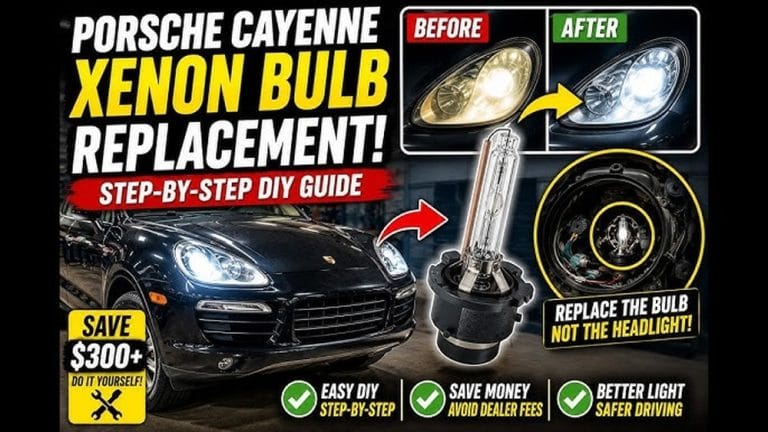
Hid (xenon) Bulbs
HID (High-Intensity Discharge) bulbs use an electric arc between electrodes inside a gas-filled tube. Their construction:
- Tungsten electrodes (weakly paramagnetic)
- Glass or quartz envelope (not magnetic)
- Metal base (varies: Steel, aluminum, brass)
Are Hid Bulbs Magnetic?
Like halogen bulbs, only the steel base or support structures might be magnetic. Most of the bulb is non-magnetic.
Specialty And High-performance Bulbs
Some specialty bulbs (like those for off-road or motorsport applications) may use different alloys or mounting hardware. If stainless steel is used, its magnetism depends on its specific type. For instance, 304 stainless steel is typically non-magnetic, while 400-series can be magnetic.
Table: Common Materials In Car Bulbs And Their Magnetic Properties
| Component | Material | Magnetic? | Common in Bulb Type |
|---|---|---|---|
| Filament | Tungsten | Weakly (paramagnetic) | Halogen, HID |
| Base | Steel | Yes (if ferromagnetic alloy) | Halogen, HID |
| Base | Brass/Aluminum | No | Halogen, LED |
| Heat Sink | Aluminum | No | LED |
| Circuitry | Ferrite/Inductors | Very weakly (internal only) | LED |
Credit: www.ievilenergy.com
How Magnetism Affects Car Light Bulb Performance
The presence or absence of magnetic materials in car bulbs is mostly a curiosity for ordinary drivers. However, in some cases, magnetism can have practical consequences.
Installation And Fitment
If a bulb’s base is magnetic (made from ferromagnetic steel), it may attract small metal shavings or filings during installation, especially in a workshop environment. This can lead to:
- Contaminated contacts, resulting in poor electrical connection
- Difficulty removing the bulb if metal debris accumulates
However, most bulbs use non-magnetic brass or aluminum bases to avoid such issues.
Electromagnetic Interference (emi)
In rare cases, electromagnetic fields from bulbs, especially high-powered HID or LED assemblies, can cause interference with nearby electronics. This is not due to the bulb being magnetic, but rather due to:
- High current draw
- Poor shielding of ballasts or drivers
- Unfiltered switching power supplies in LED bulbs
Pro Tip: For vehicles with sensitive electronics (e.g., advanced driver-assist systems), always choose bulbs certified for low EMI emissions.
Impact On Vehicle Sensors
Many modern vehicles use magnetic sensors (like wheel speed sensors or crankshaft position sensors). However, these are typically shielded and located far from the lighting circuits, so the weak or non-existent magnetism of light bulbs does not affect their operation.
Example: Magnetic Fields And Keyless Entry
A common question is whether magnetic bulbs could affect keyless entry systems. In practice, the magnetic field from a car bulb is millions of times weaker than the field needed to disrupt such systems.

Credit: www.eledlights.com
Real-world Examples And Case Studies
To make the science concrete, let’s look at several real-world scenarios involving magnetic properties and car bulbs.
Example 1: Halogen Bulb With Steel Base
An auto mechanic noticed that a halogen headlight bulb stuck faintly to a workshop magnet. Upon inspection, the base was made of ferromagnetic steel. This did not affect the bulb’s performance but did attract small metal shavings in the toolbox, which later caused an intermittent connection until the base was cleaned.
Example 2: Led Bulb And Electronic Interference
A car owner installed aftermarket LED bulbs in the headlights of a 2017 sedan. Shortly after, the radio developed static and the tire pressure monitoring system (TPMS) malfunctioned. Investigation revealed that while the bulbs themselves were not magnetic, the unshielded LED driver was emitting EMI. Replacing the bulbs with EMI-compliant models resolved the problem.
Example 3: Hid Bulb In Motorsport Application
A racing team tested different HID bulbs for a rally car. The bulbs with steel mounting brackets attracted road grit and metal dust during off-road stages, leading to harder maintenance. They switched to a model with aluminum brackets, eliminating the issue.
Table: Case Study Outcomes
| Scenario | Was Bulb Magnetic? | Real-World Effect | Resolution |
|---|---|---|---|
| Halogen bulb in toolbox | Base only (steel) | Collected filings; poor contact | Cleaned base; switched to brass |
| LED, radio interference | No | EMI affected electronics | Used shielded bulbs |
| HID off-road grit | Brackets only | Attracted dust, harder to clean | Switched to aluminum |
Testing Car Light Bulbs For Magnetism
If you’re curious about the magnetism of your car’s bulbs, a few simple tests can provide answers.
Using A Standard Magnet
- Remove the bulb from the socket (wait for it to cool down).
- Bring a small neodymium magnet close to the base and filament area.
- Observe if there is any attraction.
If the magnet sticks, the base or support wires are likely made of steel. If there’s no attraction, the bulb is non-magnetic.
Assessing For Practical Impact
Even if a bulb’s base is magnetic, it’s unlikely to have any negative effect unless you frequently work in environments with lots of metal dust or shavings. For most drivers, this is not a concern.
When It Matters
- In high-performance racing or off-road vehicles, non-magnetic bases may be preferred to avoid attracting debris.
- In laboratory or MRI environments, non-magnetic bulbs are essential due to extremely strong magnetic fields.
Table: Diy Magnetism Test Results
| Bulb Type | Attracts Magnet? | Recommendation |
|---|---|---|
| Halogen (steel base) | Yes | OK for most cars; clean during install |
| Halogen (brass/aluminum base) | No | Ideal for sensitive applications |
| LED | No (except possibly tiny internal parts) | Excellent for electronics-heavy vehicles |
| HID | Sometimes (base only) | Choose non-magnetic for racing |
Debunking Myths: Why Magnetism And Electricity Get Confused
Misconception 1: “all Car Bulbs Are Magnetic”
This myth likely stems from the presence of metal in most bulbs. However, only certain metals (like steel) are magnetic, and many bulbs use non-magnetic alloys for corrosion resistance.
Misconception 2: “magnetic Bulbs Affect Car Electronics”
It’s actually electromagnetic interference (EMI), not static magnetism, that causes problems with car electronics. EMI is a function of high-frequency switching (as in some LED drivers), not the material’s magnetic properties.
Misconception 3: “magnetic Bulbs Damage Sensors”
Most vehicle sensors are shielded, and the weak magnetic field from a car bulb is insignificant compared to the magnetic fields generated by the starter motor, alternator, or even small speakers.
Pro Tip:
If you’re concerned about interference, focus on EMI certification and bulb quality, not whether the bulb is magnetic.
Choosing The Right Bulb For Your Vehicle
Selecting the right bulb means more than just picking the brightest option. Consider the following factors:
Material Composition
- For everyday driving: Either magnetic (steel base) or non-magnetic bulbs will work.
- For electronics-heavy vehicles: Prefer bulbs with non-magnetic bases to minimize any risk of debris collection.
- For specialty environments: MRI labs or certain medical vehicles require strictly non-magnetic bulbs.
Bulb Type And Compatibility
- Halogen: Reliable, but check base material if concerned about magnetism.
- LED: Generally non-magnetic, low EMI models are best for modern cars.
- HID: Check both the bulb and ballast for EMI ratings.
Manufacturer Reputation
Choose bulbs from reputable brands that provide detailed material specifications and EMI ratings. Some manufacturers, such as Philips and Osram, specify whether their bulbs are EMI-compliant and list the alloys used in their bases.
Installation Environment
If you work in a shop or garage with lots of metal dust or shavings, consider using bulbs with brass or aluminum bases to prevent contamination.
Example: My Experience With Aftermarket Bulbs
When I tested several aftermarket LED bulbs in my personal vehicle, I noticed no magnetic attraction on any component accessible to the user. The only issue I encountered was mild radio static, which was resolved by switching to EMI-compliant models with better shielding.
Industry Standards And Safety Regulations
Sae And Ece Standards
The Society of Automotive Engineers (SAE) and the Economic Commission for Europe (ECE) set rigorous standards for automotive lighting, but these focus primarily on:
- Brightness and beam pattern
- Electrical safety
- EMI compliance
There are currently no regulations requiring non-magnetic bulbs, except in highly specialized vehicles (e.g., MRI-compatible ambulances).
Manufacturer Testing
Leading manufacturers perform:
- Material analysis to ensure corrosion resistance and strength
- EMI testing to guarantee compatibility with modern vehicles
External Resources
For more details on automotive lighting standards, see the official Automotive Lighting Wikipedia page.
The Future Of Car Bulb Materials
Moving Towards Non-magnetic Alloys
As vehicles become more dependent on electronics, there’s a gradual industry trend toward non-magnetic alloys in bulb bases and components. Aluminum and brass are favored for their corrosion resistance and lack of magnetism.
Advances In Led Technology
Modern LED bulbs are pushing the limits of miniaturization and efficiency. Future designs may eliminate even the tiny magnetic components (like ferrite beads) in favor of advanced circuit layouts.
Smart Bulbs And Magnetism
With the growth of smart lighting systems (adaptive headlights, matrix LEDs), manufacturers are prioritizing EMI shielding over concerns about static magnetism. This ensures compatibility with radar, lidar, and other advanced sensors.
Sustainability And Recycling
Many non-magnetic materials (like aluminum and brass) are more easily recycled than steel, supporting automotive industry goals for sustainability.
Frequently Asked Questions
What Should I Do If My Car Bulb Is Attracted To A Magnet?
If your bulb’s base is attracted to a magnet, it’s likely made of steel. This is generally not an issue for typical automotive use. However, if you work in environments with a lot of metal dust (e. g. , machine shops), clean the base before installation to prevent poor connections.
For specialty vehicles (like those used in MRI environments), choose bulbs with non-magnetic bases.
Can A Magnetic Car Bulb Cause My Car’s Sensors To Malfunction?
In practice, a magnetic car bulb will not interfere with vehicle sensors. Most automotive sensors are shielded and placed far from lighting circuits. If you’re experiencing sensor issues, the cause is more likely to be electromagnetic interference (EMI) from poor-quality bulbs or wiring, not static magnetism.
Is It Safe To Use Led Bulbs In Cars With Advanced Electronics?
Yes, LED bulbs are generally safe for cars with advanced electronics, as they are usually non-magnetic and have low EMI when certified. Always choose LEDs that are specifically rated for automotive use and EMI compliance, especially in vehicles with sensitive systems like adaptive cruise control or collision avoidance.
Do Luxury Or Electric Vehicles Require Special Non-magnetic Bulbs?
Luxury and electric vehicles often have more advanced electronics, but they do not require non-magnetic bulbs unless specified by the manufacturer. The key requirement is EMI compliance, as these vehicles are more sensitive to electrical noise from poor-quality lighting products.
Where Can I Find Detailed Information About The Magnetic Properties Of A Specific Bulb Model?
For detailed information, consult the datasheet or technical specifications from the bulb manufacturer. Major brands like Philips, Osram, and Sylvania often specify the materials used for bulb bases and filaments. You can also refer to third-party automotive lighting resources, such as the Cars.com Headlight Guide.
Car light bulbs may seem simple, but their construction reveals a fascinating world of materials science and engineering. While most car bulbs are not magnetic, certain components, usually the base or support wires, may be weakly attracted to magnets, especially if made from steel.
For the vast majority of drivers, this has no practical effect on performance or safety. However, understanding these properties is valuable for those working in specialized environments or with high-performance vehicles. Armed with the knowledge from this article, you can confidently choose, install, and maintain your car’s lighting, knowing the real science behind the bulb.
Products related to this article
Sponsored / affiliate links. As an Amazon Associate I earn from qualifying purchases. I may earn additional commission from eligible campaigns.