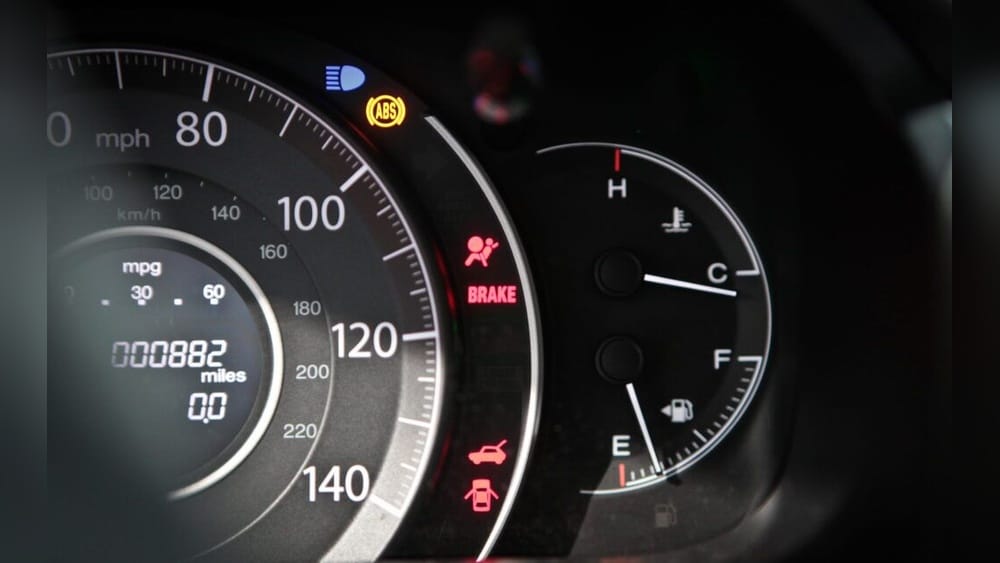
What Are Car Light Symbols And What Do They All Mean?
When you’re driving, your car’s dashboard is constantly communicating with you through a series of illuminated symbols. These car light symbols are not just random icons; they are vital messages about your vehicle’s health, safety, and functionality. Whether you’re an experienced driver or just starting out, recognizing these indicators is crucial for both your safety and your car’s longevity.
Many drivers ignore or misinterpret these symbols, leading to avoidable breakdowns or even dangerous situations. According to a survey by the Automotive Maintenance and Repair Association, nearly 50% of drivers cannot correctly identify common dashboard warning lights. Understanding what each symbol means can save you money, stress, and time at the mechanic, and in some cases, prevent serious accidents. In this comprehensive guide, you’ll learn what each car light symbol means, what actions to take, and how these warnings differ across manufacturers.
Key Takeaways
- Car light symbols provide critical information about your vehicle’s systems and safety.
- Ignoring dashboard warning lights can lead to expensive repairs and unsafe driving conditions.
- Colors of symbols (red, yellow, green, blue) indicate the urgency and type of alert.
- Some symbols are universal, but others may be unique to specific brands or models.
- Consult your owner’s manual or a professional if you’re unsure about a warning light.

Credit: applewoodautocare.com
Understanding Car Light Symbol Basics
Car light symbols are designed to be intuitive, but their meanings can vary based on color, shape, and context. Familiarizing yourself with the basics is the first step toward effective vehicle maintenance and safety.
The Color Code System
Dashboard lights typically use four main colors, each signaling a different level of urgency:
- Red: Immediate attention required. Indicates serious issues, such as engine or brake failure.
- Yellow/Amber: Warning or advisory. Signals a system needs to be checked soon, but not necessarily immediately.
- Green: Informational. System is working as intended (e.g., lights are on).
- Blue: Typically indicates high-beam headlights or similar features are active.
Understanding these colors helps prioritize your response. For example, a red engine warning light means you should pull over and seek help, while a yellow tire pressure light suggests you should check your tires soon.
Universal Vs. Manufacturer-specific Symbols
While many symbols are standardized, some are unique to certain car brands. For instance, the check engine light is nearly universal, but others, like adaptive cruise control indicators, may differ in design.
Example: The oil pressure warning symbol is almost always a red oil can, but the shape of the battery warning symbol may vary between a rectangle with plus/minus signs and a more stylized battery icon.
Symbol Location And Grouping
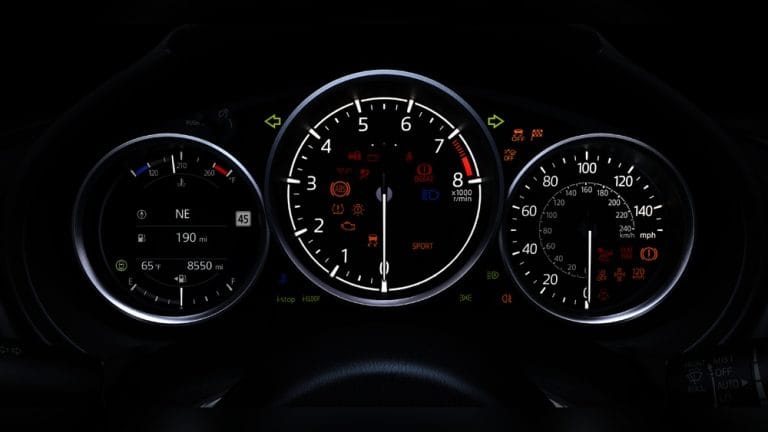
Dashboard layouts differ, but critical warning symbols are generally placed close to the driver’s line of sight. Less urgent indicators, like fog light symbols, may be located on the instrument panel edges.
Pro Tip: Always review your owner’s manual for your specific car’s dashboard layout and symbol explanations.

Credit: mb-wirral.co.uk
Common Warning Light Symbols And Their Meanings
Recognizing the most common car light symbols can prevent costly breakdowns and improve road safety. Below are the primary symbols you’ll encounter, organized by system.
Engine And Powertrain Warning Lights
- Check Engine Light (CEL): Often depicted as an engine outline. Indicates a problem with the emissions, ignition, or fuel system. Requires diagnostic evaluation.
- Oil Pressure Warning: Shaped like an oil can. Signals low oil pressure, which can lead to severe engine damage if ignored.
- Coolant Temperature Warning: Resembles a thermometer in liquid. Warns of engine overheating, stop the car immediately.
Battery And Electrical System Warning Lights
- Battery/Charging Alert: A battery-shaped icon. Points to charging system issues, such as a failing alternator or dead battery.
- Electronic Power Control (EPC): Found in Volkswagen/Audi vehicles. Indicates a malfunction in the engine’s electronic control system.
Brake System Warning Lights
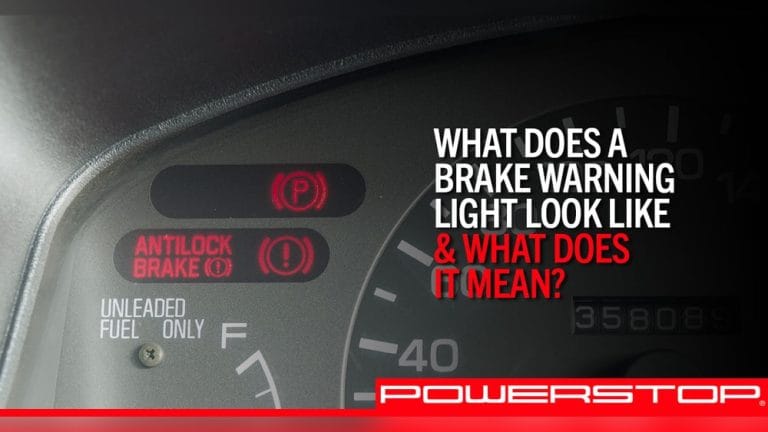
- Brake Warning: Exclamation point inside a circle or the word “BRAKE.” Can mean low brake fluid, worn brake pads, or a disengaged parking brake.
- ABS Warning: Letters “ABS” in a circle. Shows a problem with the anti-lock brake system, affecting emergency braking.
Safety And Security Warning Lights
- Airbag Warning: Person with a circle in front. Indicates a potential malfunction with the airbags or seatbelt tensioners.
- Seat Belt Reminder: Person with a diagonal line. Alerts you to buckle up.
- Security Indicator: Car with a key or lock. Related to immobilizer or anti-theft systems.
Other Essential Warning Lights
- Tire Pressure Monitoring System (TPMS): Horseshoe shape with an exclamation mark. Signals under-inflated tires.
- Traction Control/Stability Control: Car with wavy lines. Indicates the system is active or malfunctioning.
- Low Fuel Indicator: Gas pump symbol. Advises that the fuel tank is low.
| Symbol | Meaning | Recommended Action |
|---|---|---|
| Engine Outline | Check Engine Light | Diagnostic scan as soon as possible |
| Oil Can (Red) | Low Oil Pressure | Stop and check oil level immediately |
| Battery Icon | Charging System Fault | Test battery and alternator |
| Circle with Exclamation | Brake System Warning | Check brakes and fluid |
| Horseshoe/Exclamation | Low Tire Pressure | Inflate tires to correct pressure |
Informational And Indicator Light Symbols
Not all dashboard lights are warnings. Many symbols simply inform you about the status of various systems.
Lighting System Indicators
- High Beam Indicator: Blue headlight symbol with horizontal lines. Shows high beams are active.
- Fog Light Indicator: Green or yellow lamp with squiggly lines. Indicates front or rear fog lights are on.
- Turn Signal Indicators: Green arrows. Flash when turn signals are activated.
Convenience And Comfort Indicators
- Cruise Control: Speedometer with arrow or “CRUISE.” Signals cruise control is engaged.
- Eco Mode Indicator: Leaf or “ECO” symbol. Shows fuel-saving driving mode is active.
- Door Ajar Warning: Car with open doors. Alerts if a door, hood, or trunk is not fully closed.
Service And Maintenance Reminders
- Service Reminder: Wrench or spanner symbol. Indicates scheduled maintenance is due.
- Washer Fluid Warning: Windshield icon with dotted lines. Warns of low windshield washer fluid.
Example: In my experience, ignoring the washer fluid warning on a long road trip led to poor visibility in heavy rain, a simple refill would have prevented a stressful situation.
Hybrid And Electric Vehicle Indicators
- EV Mode Indicator: “EV” symbol or battery icon. Shows the vehicle is operating in electric-only mode.
- Regenerative Braking Indicator: Circular arrows around a brake. Indicates energy recovery during braking.
Pro Tip: If you drive a hybrid or electric vehicle, familiarize yourself with unique symbols specific to your model.

Credit: www.naoevo.com
How To Respond To Dashboard Warning Lights
Recognizing a warning light is only half the battle; knowing how to respond is crucial for safety and vehicle reliability.
Immediate Actions For Red Warning Lights
- Safely pull over as soon as possible.
- Switch off the engine and consult your owner’s manual.
- Call for roadside assistance if you’re unsure or the issue persists.
Warning: Driving with a red warning light (especially engine or brake) can cause severe damage or endanger occupants.
Addressing Yellow And Amber Warnings
- Schedule a service appointment soon.
- Monitor for changes or additional warning lights.
- Check for simple solutions, such as tightening the gas cap for the check engine light.
Responding To Green And Blue Indicators
- No immediate action needed.
- Confirm the system is operating as intended (e.g., headlights, cruise control).
Example: When I tested a new car model, the green cruise control indicator reassured me that the system was active, allowing for a more relaxed highway drive.
When In Doubt, Consult A Professional
If you’re unsure about a symbol, consult your owner’s manual, contact your dealership, or seek help from a certified mechanic. Many repair shops offer free or low-cost diagnostic scans.
Pro Tip: Some modern vehicles allow you to access detailed symbol explanations via the infotainment screen or connected smartphone apps.
Real-world Examples And Case Studies
Understanding car light symbols in context helps illustrate their importance. Here are three real-world scenarios where dashboard warnings played a critical role.
Case Study 1: Check Engine Light Saves The Day
A driver noticed the check engine light illuminated during a routine commute. Instead of ignoring it, she visited her mechanic, who discovered a faulty oxygen sensor. Replacing the sensor cost $120, but prevented a more expensive catalytic converter failure, which could have cost over $1,000.
Case Study 2: Ignoring Tire Pressure Warning Leads To Blowout
A commercial delivery driver dismissed the tire pressure warning light for several days. The under-inflated tire eventually blew out on the highway, resulting in a costly tow and tire replacement. Regular checks and prompt attention would have avoided the incident.
Case Study 3: Hybrid Battery Warning In A Taxi Fleet
A taxi company equipped with hybrid vehicles noticed frequent hybrid battery warning lights. Quick action and routine battery maintenance extended fleet lifespan and reduced unexpected breakdowns, improving overall operational efficiency.
| Scenario | Symbol | Outcome |
|---|---|---|
| Routine commute | Check Engine | Minor sensor repair, major damage avoided |
| Delivery route | Tire Pressure | Blowout, costly repairs |
| Taxi fleet | Hybrid Battery | Preventative maintenance, fewer breakdowns |
Comparison Of Car Light Symbols Across Major Brands
Different manufacturers may use unique icons, but the core messages remain consistent. Below is a comparison of how three major brands represent key warning lights.
| Function | Toyota | Ford | BMW |
|---|---|---|---|
| Check Engine | Engine outline (yellow) | Engine outline (amber) | Motor block (yellow) |
| Oil Pressure | Red oil can | Red oil can | Red oil can |
| Tire Pressure | Horseshoe w/ exclamation | Flat tire w/ exclamation | Circle w/ exclamation |
| Battery Alert | Battery icon | Battery with +/- | Battery icon |
| ABS Warning | ABS in circle | ABS in circle | ABS in circle |
Pro Tip: If you drive multiple vehicles, take a moment to review each car’s manual for symbol variations.
The Importance Of Car Light Symbols For Maintenance And Safety
Dashboard warning lights play a direct role in both preventive maintenance and driving safety.
Early Detection Of Mechanical Problems
- Warning symbols often signal issues before they become critical.
- Early intervention can reduce repair costs and prevent breakdowns.
Enhancing Road Safety
- Immediate attention to red symbols, such as brake or airbag warnings, can prevent accidents.
- Proper response to tire pressure and traction warnings improves handling and stability.
Supporting Routine Maintenance
- Service reminders and oil change indicators keep your vehicle in optimal condition.
- Following these cues extends vehicle lifespan and preserves resale value.
Example: According to the National Highway Traffic Safety Administration, vehicles with properly maintained systems are significantly less likely to be involved in breakdown-related accidents. You can read more about the importance of dashboard symbols and vehicle safety on the NHTSA official website.
How To Learn And Memorize Car Light Symbols
Given the sheer number of symbols, memorizing them all at once can be daunting. Here’s a strategy to make it manageable:
Use Your Owner’s Manual
- Most manuals include a dedicated section with images and descriptions.
- Reference this section whenever a new symbol appears.
Interactive Learning Tools
- Some manufacturers offer mobile apps or online guides with interactive dashboards.
- Third-party resources, such as the Wikipedia automotive bulb types page, provide extensive symbol lists.
Practice With Real-world Scenarios
- When a symbol appears, take a photo and look it up immediately.
- Quiz yourself using flashcards or printable charts.
Focus On The Most Critical Symbols First
Prioritize learning:
- Red warning lights
- Yellow/amber warning lights
- Green and blue informational lights
Pro Tip: Regularly reviewing your car’s dashboard during routine checks builds familiarity and confidence.
Frequently Asked Questions
What Should I Do If A Warning Light Comes On While Driving?
If a red warning light appears, safely pull over as soon as possible and turn off the engine. For yellow or amber lights, schedule a service check soon but you may be able to continue driving for a short period. Always consult your owner’s manual for guidance specific to your vehicle’s make and model.
Are All Dashboard Symbols The Same In Every Car?
No, while many symbols are standardized across the industry, some are unique to specific brands or models. For example, hybrid or electric vehicles often have additional symbols not found in gasoline cars. Always check your owner’s manual for a complete list.
Can Ignoring A Warning Light Void My Vehicle’s Warranty?
Yes, neglecting warning lights can lead to damage that may not be covered under warranty. Most warranties require that you address maintenance issues promptly; ignoring dashboard alerts could be considered negligence by manufacturers.
How Can I Reset A Warning Light After Fixing The Issue?
Some warning lights, such as the check engine light, may reset automatically after the underlying issue is resolved. Others may require a diagnostic tool or a specific reset procedure. Refer to your owner’s manual or consult a professional mechanic for proper reset steps.
Where Can I Find Detailed Explanations For Less Common Symbols?
In addition to your owner’s manual, manufacturer websites and reputable automotive resources offer symbol glossaries and troubleshooting guides. Some infotainment systems provide in-car explanations when you tap or highlight the warning symbol.
Driving with a clear understanding of your car’s dashboard symbols is an essential part of responsible vehicle ownership. By learning what these symbols mean and responding appropriately, you can avoid costly repairs, improve road safety, and enjoy peace of mind behind the wheel.
Regularly reviewing your owner’s manual and staying informed about your vehicle’s status ensures that you’re always prepared for whatever your car tries to communicate.
Products related to this article
Sponsored / affiliate links. As an Amazon Associate I earn from qualifying purchases. I may earn additional commission from eligible campaigns.