How Long Do Car Tires Last? Miles And Years Explained
Every driver knows that tires are the only part of their vehicle that actually touch the road, but few realize just how crucial proper tire lifespan management is for safety, performance, and cost. You might recall glancing at your tires before a road trip, but do you truly know how long those tires are meant to last—both in terms of miles and years?
The answer isn’t as simple as a set number; tire longevity is a complex equation influenced by driving habits, tire type, climate, and maintenance routines.
Understanding how long car tires last can help you prevent blowouts, maintain optimal fuel efficiency, and maximize your investment. Whether you’re a daily commuter, weekend adventurer, or someone who only drives occasionally, knowing the real-world factors behind tire durability can save you from unexpected expenses and dangerous situations.
In this comprehensive guide, you’ll find authoritative insights backed by data, expert recommendations, comparison tables, and actionable tips to ensure you get the most out of your tires.
Key Takeaways
- Average car tire lifespan is 6 years or 40,000–60,000 miles, but varies widely by tire type and usage.
- Driving style, climate, and maintenance dramatically impact tire longevity.
- Regular inspections and knowing the signs of wear can prevent premature tire failure.
- High-performance and winter tires often have shorter lifespans than touring or all-season tires.
- Tire warranties and DOT codes provide valuable clues about expected service life.
- Proactive replacement enhances safety, even if tires appear to have usable tread.

Credit: 1up-usa.com
How Long Do Car Tires Last: The Data Explained
Car tire longevity is typically measured in both miles and years. While manufacturers provide general guidelines, real-world results often differ.
Average Lifespan In Miles
Most standard all-season tires are expected to last between 40,000 and 60,000 miles under normal driving conditions. However, this range can shrink or grow depending on tire quality and usage. For example, drivers who frequently travel on highways with smooth surfaces and at consistent speeds can sometimes achieve even higher mileage, while those navigating city streets with frequent stops, starts, and rough terrain may see reduced longevity.
- Touring tires: 60,000–80,000 miles
These tires are designed for comfort and extended life, often featuring advanced tread compounds and patterns optimized for longevity. Touring tires typically have higher treadwear ratings and are ideal for those seeking fewer tire replacements.
- High-performance tires: 20,000–40,000 miles
High-performance tires prioritize grip and handling, often at the expense of tread longevity. They’re built for spirited driving, which inherently accelerates wear. For example, sports car enthusiasts may need to replace performance tires more frequently due to the stresses of aggressive driving.
- Winter tires: 20,000–40,000 miles
Winter tires are formulated for cold weather and snow, but their softer rubber compounds wear quickly in warm conditions. If used year-round, their lifespan can drop significantly.
- Summer tires: 20,000–40,000 miles
Designed for dry and wet roads in warm weather, summer tires also prioritize performance over durability, resulting in shorter lifespan compared to all-season or touring tires.
Average Lifespan In Years
Industry experts, including the National Highway Traffic Safety Administration (NHTSA), recommend replacing tires every 6 years, regardless of mileage, and never using any tire older than 10 years. This is due to rubber degradation that occurs naturally over time, even with minimal use. Factors such as exposure to UV rays, ozone, and fluctuating temperatures contribute to the breakdown of rubber compounds. For instance, tires mounted on vehicles parked outdoors year-round may age faster than those stored in garages.
Manufacturer Recommendations
Many leading tire manufacturers publish their own lifespan guidelines:
- Michelin: Replace every 6 years, maximum 10 years
- Bridgestone: Replace every 6–10 years
- Goodyear: Replace every 6 years, regardless of tread
These recommendations are based on laboratory testing, field studies, and the understanding of chemical aging processes. It’s important to note that even if tread appears acceptable, manufacturers urge replacement after a certain age due to safety concerns.
Comparison Table: Expected Tire Lifespan By Type
| Tire Type | Expected Mileage | Expected Years | Typical Warranty |
|---|---|---|---|
| All-Season | 40,000–80,000 | 6–10 | 60,000 miles |
| Touring | 60,000–80,000 | 6–10 | 70,000 miles |
| Performance | 20,000–40,000 | 3–5 | None–40,000 miles |
| Winter | 20,000–40,000 | 3–5 | None–40,000 miles |
| Summer | 20,000–40,000 | 3–5 | None–40,000 miles |
Real-world Example: The Daily Commuter
Consider a driver who travels 15,000 miles per year on all-season tires. With proper maintenance and moderate driving habits, their tires could last around 4 years (60,000 miles). However, aggressive driving or neglected maintenance could reduce this lifespan by 25% or more. For example, frequent short trips with lots of stop-and-go traffic can cause tires to heat up and cool down repeatedly, accelerating wear. Meanwhile, consistently forgetting to check tire pressure or skipping routine rotations can result in uneven tread and premature replacement.
Credit: www.youtube.com
Factors That Affect Tire Lifespan
Every tire is subject to a unique set of environmental and operational variables that can accelerate or extend its useful life.
Driving Habits
Aggressive acceleration, hard braking, sharp cornering, and frequent high-speed driving all contribute to increased tread wear. Conversely, gentle driving can significantly prolong tire life. For example, a driver who habitually speeds and takes corners fast puts additional stress on tire shoulders, leading to faster wear in those areas. Conversely, smooth acceleration and braking reduce heat buildup, which is a major contributor to tread degradation.
Additionally, regular driving on unpaved roads or areas with frequent construction can expose tires to debris, nails, and sharp objects, increasing the risk of punctures and sidewall damage. Even habits such as frequent parallel parking and curb contact can cause abrasions and reduce tire life.
Road And Climate Conditions
- Hot climates accelerate rubber aging and tread wear. Heat causes the rubber compounds to break down faster, especially if tires are exposed to direct sunlight for prolonged periods. In regions like Arizona or Texas, tire manufacturers often recommend more frequent inspections.
- Cold climates can cause rubber hardening and cracks. As the temperature drops, tires lose flexibility, making them more susceptible to cracking and tread block separation. Winter tires are designed to mitigate this but still require careful monitoring.
- Poor road surfaces (potholes, gravel) cause uneven wear and damage. Repeated impact with potholes can lead to internal belt separation, sidewall bulges, and misalignment, all of which shorten tire life.
Tire Maintenance
Regular rotation, balancing, and alignment are essential. Under-inflated or over-inflated tires wear out faster and less evenly. For example, under-inflated tires have increased contact with the road’s edges, causing shoulder wear, while over-inflated tires wear more quickly in the center.
Neglecting tire maintenance can also impact vehicle handling and braking performance, increasing safety risks.
Tire Quality And Type
- Premium tires usually last longer due to advanced materials. These tires often incorporate silica-based compounds and innovative tread designs to resist wear and improve performance.
- Performance tires sacrifice longevity for grip. They are made with softer compounds that provide superior traction but degrade faster, especially under spirited driving conditions.
- Winter tires wear faster in warm conditions. Using winter tires during summer months can dramatically reduce their lifespan and compromise safety.
Case Study: Urban Vs. Highway Drivers
A city driver with frequent stops, starts, and turns may need new tires every 3 years, even at low mileage. A highway commuter traveling the same annual distance might see their tires last 5 or more years due to steady speeds and fewer directional changes.
For example, a delivery driver in downtown Chicago might replace tires twice as often as a sales rep who travels between cities on interstates.
Storage And Usage Patterns
- Rarely used vehicles: Tires may age out before wearing down. Vehicles such as classic cars or recreational vehicles can have tires that look nearly new but are unsafe due to age-related degradation.
- Spare tires: Still subject to aging, even if unused. It’s essential to check the manufacture date and ensure that spare tires are replaced according to the same guidelines as regular tires.
Credit: www.sstire.com
How To Check Tire Age And Wear
You don’t need to be a mechanic to assess your tires’ condition. Simple checks can reveal whether it’s time for a replacement.
Reading The Dot Code
Every tire sold in the US has a DOT code on its sidewall. The last four digits indicate the week and year of manufacture (e.g., “2319” means the 23rd week of 2019). Tires older than 6 years should be inspected and considered for replacement. Some tires may also have additional markings for plant location and batch numbers, but age is determined solely by the last four digits.
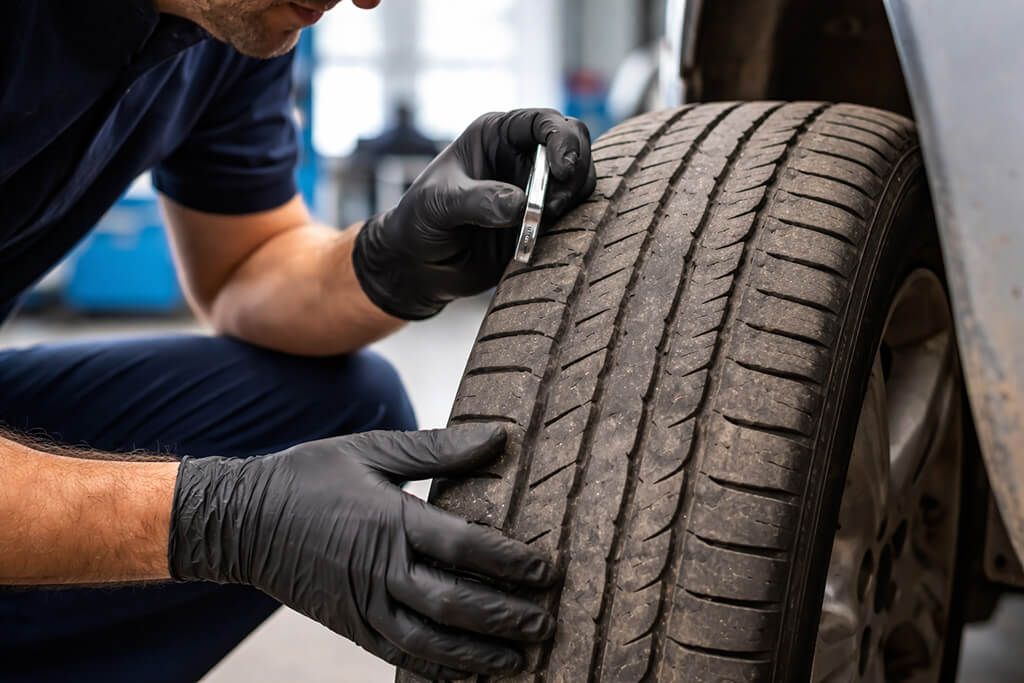
Tread Depth Gauge
Most new tires start with 10/32” to 12/32” of tread depth. The legal minimum in most states is 2/32”. For safety, many experts recommend replacing at 4/32” for wet traction and 5/32” for winter tires. Keeping a tread depth gauge in your glove box allows for regular checks and early detection of uneven wear.
- Penny test: Insert a penny into the tread with Lincoln’s head upside down. If you see the top of his head, the tread is too low. While this test is a quick reference, using a proper gauge gives more accurate readings and helps track wear over time.
Visual Signs Of Aging
Look for:
- Cracks or bulges in sidewalls: These indicate structural weakness and potential blowout risk.
- Uneven wear patterns: Cupping, feathering, or bald spots may signal alignment, suspension, or inflation issues.
- Blisters or exposed belts: These are signs of internal damage and should be addressed immediately.
It’s also important to check for embedded objects, such as stones or nails, which may not immediately cause a flat but can compromise tire integrity.
Regular Inspections
Check your tires at least once a month and before long trips. Look for debris, check pressure, and inspect for any visible damage. For more detailed guidance, the National Highway Traffic Safety Administration offers a thorough resource: NHTSA Tires Guide.
The Impact Of Tire Maintenance On Longevity
Routine maintenance isn’t just about safety—it’s the single biggest factor you control in extending tire life.
Tire Rotation
Rotating tires every 5,000–8,000 miles ensures even tread wear, as front and rear tires wear differently based on vehicle type (FWD, RWD, AWD). For example, front-wheel drive vehicles wear out front tires faster due to steering and power delivery, so regular rotation balances the load and maximizes tire life.
Balancing And Alignment
Unbalanced or misaligned wheels cause vibration, uneven wear, and premature replacement. Have your alignment checked annually or after hitting significant potholes. Even minor misalignment can cause tires to wear out in as little as half their intended lifespan. Balancing tires when mounting new ones or after repairs prevents uneven vibration and ensures smooth operation.
Proper Inflation
Under-inflated tires run hotter and wear more quickly, while over-inflation reduces traction and increases blowout risk. Use your vehicle’s recommended PSI, usually found on the driver’s door jamb. Investing in a digital tire pressure gauge and checking pressure when tires are cold can prevent frequent mistakes.
Seasonal Tire Changes
If you live in a region with harsh winters, swapping between winter and all-season (or summer) tires extends the lifespan of each set. Storing tires properly (cool, dry, away from sunlight) also prevents premature aging. Tire bags or racks can help maintain shape and prevent ozone exposure.
Example: High-mileage Fleet Vehicle
A ride-sharing fleet manager implemented monthly tire rotations, daily pressure checks, and quarterly alignments for a group of vehicles. As a result, average tire lifespan increased from 30,000 miles to over 50,000 miles—a 66% improvement, saving thousands of dollars annually.
This illustrates how systematic maintenance can dramatically impact operational costs and vehicle safety.
When To Replace Your Tires: Warning Signs And Best Practices
Timely replacement is critical for safety, even if tires appear outwardly intact.
Tread Wear Indicators
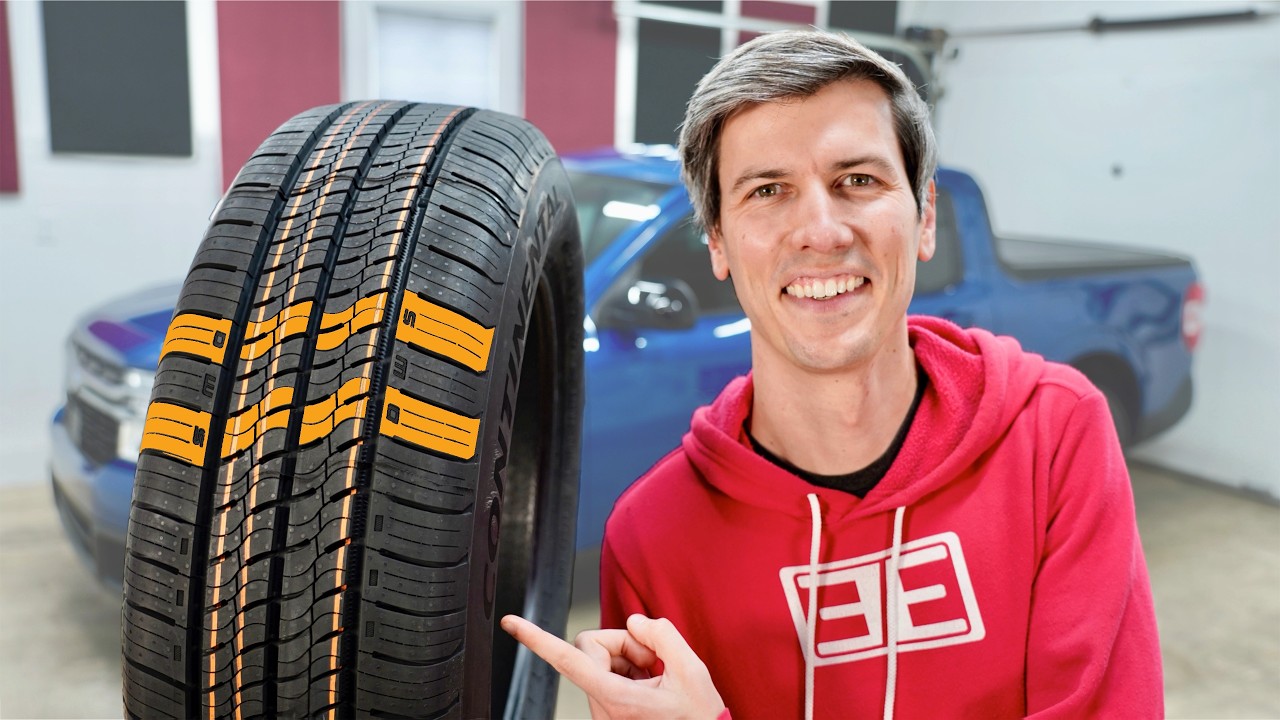
Modern tires have built-in tread wear bars. If these bars are flush with the tread, it’s time for new tires. These indicators offer a visual cue, eliminating guesswork and ensuring timely replacements.
Age Limit Exceeded
Regardless of tread depth, any tire older than 6 years should be inspected by a professional, with 10 years as a hard limit. This is because internal components, such as steel belts and rubber compounds, lose integrity over time.
Damage Or Irregular Wear
Replace tires immediately if you notice:
- Deep cracks
- Bulges or blisters
- Sidewall cuts
- Vibration at speed
Even minor damage can escalate quickly, resulting in catastrophic failure. Don’t ignore persistent vibrations or steering pull—these may indicate internal tire or wheel issues.
Performance Loss
If you notice decreased grip, longer stopping distances, or increased hydroplaning risk, your tires may be worn—even if tread appears adequate. Wet and winter traction are often lost before tread reaches legal minimums, so proactive replacement is advised.
Example: The “low-mileage” Trap
A classic car owner only drives 1,000 miles per year. After 12 years, the tires look barely used, but have become brittle and cracked. Despite low miles, these tires are unsafe and require immediate replacement. This example underscores the importance of age over mileage in determining tire safety.
Table: Warning Signs And Recommended Action
| Warning Sign | Implication | Recommended Action |
|---|---|---|
| Tread below 2/32” | Loss of wet traction | Replace tire immediately |
| Cracks or dry rot | Potential blowout risk | Replace tire |
| Bulges or blisters | Structural failure imminent | Replace tire |
| Uneven wear | Alignment or suspension issue | Inspect and correct issue, replace if needed |
| Excessive vibration | Possible internal damage | Inspect and replace if necessary |
Tire Warranties, Ratings, And What They Mean For Longevity
Not all tires are created equal. Warranties and rating systems provide insight into what you can expect from your investment.
Treadwear Warranties
Most manufacturers offer mileage warranties (e. g. , “60,000 miles” treadwear warranty). However, these warranties may be prorated and subject to strict maintenance documentation. For instance, failing to rotate tires as recommended or not keeping receipts may void warranty claims.
Some brands offer free replacement within a specified period, while others provide a prorated refund based on remaining tread.
Uniform Tire Quality Grading (utqg)
The UTQG system rates tires for treadwear, traction, and temperature resistance. For example, a treadwear grade of 600 suggests the tire should last six times longer than a reference tire graded at 100.
- Treadwear: Relative lifespan (higher is better)
- Traction: Wet stopping ability (AA, A, B, C)
- Temperature: Resistance to heat (A, B, C)
These ratings help consumers compare tire options and select the best fit for their needs. For example, a driver in a rainy climate might prioritize traction, while those in hot regions may seek high temperature resistance.
Example: Comparing Two Tires
Suppose you’re choosing between two all-season tires:
- Tire A: 80,000-mile warranty, UTQG 800, Traction A, Temperature A
- Tire B: 50,000-mile warranty, UTQG 400, Traction AA, Temperature B
Tire A should last longer, but Tire B offers superior wet traction. Your choice depends on your priorities. If you value longevity and cost savings, Tire A is preferable. If you frequently drive in wet conditions, Tire B may provide added safety.
External Resources
For more on tire ratings, visit the U.S. Department of Transportation: NHTSA Tire Ratings.
Tire Longevity By Vehicle Type And Usage
Different vehicles and usage patterns demand different tire characteristics, impacting how long tires last.
Passenger Cars
Standard sedans and coupes typically use all-season or touring tires, designed for comfort and long life. These tires feature moderate tread patterns and robust compounds for everyday driving.
Suvs And Light Trucks
These vehicles often require all-terrain or highway tires. Heavier weight and higher load ratings may reduce tire lifespan. Off-road use, towing, and carrying heavy loads increase tread wear and stress tires.
Sports Cars
Sports cars use performance or summer tires, which sacrifice longevity for grip and handling. Expect more frequent replacements. Owners who track their vehicles or participate in autocross events will experience even faster wear.
Electric Vehicles (evs)
EVs generate instant torque, which can accelerate tread wear. Many EV owners report shorter tire lifespans—sometimes 20% less than comparable gasoline cars. Additionally, EVs are often heavier due to battery packs, placing greater stress on tires.
Case Study: Electric Vs. Gasoline Sedans
A 2026 study found that Tesla Model 3 owners replaced tires after 25,000–30,000 miles on average, compared to 40,000–50,000 miles for similar gasoline sedans. EV-specific tires are now available to balance range and durability. These tires feature reinforced sidewalls and unique tread patterns to handle added weight and torque.
Table: Typical Tire Lifespan By Vehicle
| Vehicle Type | Tire Category | Expected Mileage |
|---|---|---|
| Passenger Car | All-Season | 40,000–80,000 |
| SUV/Light Truck | All-Terrain/Highway | 40,000–60,000 |
| Sports Car | Performance/Summer | 20,000–40,000 |
| Electric Vehicle | EV/All-Season | 25,000–40,000 |
Maximizing Tire Life: Actionable Tips
You can’t control everything, but these strategies will help you extend your tires’ lifespan and get the best return on your investment.
Maintain Proper Pressure
Check tire pressure monthly, using a quality gauge. Inflate to the manufacturer’s recommended PSI, not the maximum on the tire sidewall. Under-inflation leads to excessive heat and premature wear, while over-inflation reduces contact area and increases risk of blowouts.
Rotate Tires Regularly
Follow your vehicle’s rotation schedule (usually every 5,000–8,000 miles). This prevents uneven tread wear and extends overall tire life. For vehicles with staggered tire sizes (different front and rear), consult your manual for proper rotation patterns.
Get Annual Alignments
Misaligned wheels cause rapid, uneven wear. Have alignment checked yearly or whenever you notice steering issues. Proper alignment also improves handling and fuel efficiency.
Drive Smoothly
Avoid jackrabbit starts, hard braking, and sharp turns. Gentle driving dramatically reduces tread wear. If you drive in heavy traffic, anticipate stops and slow down gradually rather than slamming on the brakes.
Store Tires Properly
If you use seasonal tires, store the unused set in a cool, dry, dark place, away from chemicals and direct sunlight. Stack tires upright or hang them if possible to prevent flat spots.
Buy The Right Tire For Your Needs
Choose tires suited to your vehicle, climate, and driving style. Consult your owner’s manual or a trusted retailer for recommendations. For a comprehensive guide, visit Consumer Reports Tire Buying Guide.
Keep Your Vehicle In Good Condition
Regular suspension and brake maintenance prevents abnormal tire wear. Address any vibrations, pulling, or noises promptly. Worn shocks or struts can cause tires to bounce and wear unevenly.
Example: The Frugal Family
A family of four follows all recommended maintenance practices and drives mostly on highways. Their tires routinely last over 70,000 miles, compared to the national average of 55,000 miles. This demonstrates the value of consistent care and moderate driving habits.
Use Tire Monitoring Technology
Many modern vehicles include Tire Pressure Monitoring Systems (TPMS), which alert you to low pressure. Some models even provide real-time tread wear estimates. Apps and Bluetooth gauges are also available for those seeking more detailed information.
Environmental And Economic Benefits Of Proper Tire Management
Proper tire care isn’t just about safety or saving money—it also benefits the environment.
Reduced Waste
Maximizing tire life means fewer tires end up in landfills. The U.S. generates over 300 million scrap tires annually (EPA). By extending tire lifespan, you help decrease the demand for raw materials and reduce environmental impact.
Improved Fuel Efficiency
Properly inflated and maintained tires reduce rolling resistance, boosting fuel economy by up to 3%, according to the U.S. Department of Energy (DOE). Over thousands of miles, this translates to significant savings and fewer greenhouse gas emissions.
Lower Maintenance Costs
Longer-lasting tires reduce overall maintenance and replacement costs, freeing up resources for other needs. For fleet operators and families, this can amount to hundreds or thousands of dollars saved per year.
Reduced Emissions
Efficient tire use lowers your vehicle’s carbon footprint, contributing to cleaner air and less resource extraction. Even small improvements in tire longevity and performance collectively make a large difference.
Frequently Asked Questions
How Can I Tell When My Tires Need To Be Replaced?
Look for tread depth below 2/32”, visible cracks, bulges, or any tire older than 6 years. Uneven wear, persistent vibration, or diminished traction are also warning signs. For more details, visit the Tire Rack Tire Replacement Guide.
Does Tire Age Matter If I Don’t Drive Much?
Yes. Rubber compounds degrade over time due to exposure to oxygen, sunlight, and temperature changes. Even if tread appears good, replace tires that are 6–10 years old regardless of mileage. This is especially important for vehicles used infrequently or stored outdoors.
Are Premium Tires Worth The Extra Cost For Lifespan?
Generally, premium tires use higher-quality materials and advanced designs, resulting in longer life, better performance, and more comprehensive warranties. However, actual value depends on your driving habits and conditions. For example, if you drive in challenging environments or need top-tier performance, premium tires may provide better cost-benefit over time.
How Does Tire Rotation Affect Lifespan?
Regular tire rotation distributes wear evenly across all tires, preventing premature replacement and maximizing usable tread life. It’s usually recommended every 5,000–8,000 miles. Skipping rotations can cause certain tires to wear out faster, impacting vehicle safety and efficiency.
Can Weather Or Climate Shorten Tire Lifespan?
Yes. Hot climates accelerate rubber aging and tread wear, while cold can cause cracking. Store tires properly and use seasonal tires as needed to maximize longevity. For more on climate’s impact, see the Bridgestone Tire Weather Guide.
When it comes to tire longevity, knowledge is your best defense against unnecessary expense and danger. By understanding the factors that influence tire life and taking a proactive approach to maintenance, you’ll drive with greater confidence and safety—maximizing both your mileage and your peace of mind.
Products related to this article
Sponsored / affiliate links. As an Amazon Associate I earn from qualifying purchases. I may earn additional commission from eligible campaigns.