Can You Patch a Car Tire? When It’S Safe And When It’S Not
A sudden hiss of escaping air, a dash light warning, or a slow sag in the driveway—there are few things more frustrating than discovering a punctured car tire. Whether you’re on a busy highway or just leaving your garage, a flat tire can quickly derail your day and leave you questioning your next move. For many drivers, the immediate question is: “Can I patch this tire, or do I need a full replacement?” The answer isn’t always straightforward. The safety, legality, and practicality of patching a car tire depend on several crucial factors, from the size and location of the damage to the age and condition of the tire itself.
Understanding when it’s safe to patch a tire—and when it’s not—can save you money, time, and potentially even your life. Tire repair is both an art and a science, governed by industry standards and best practices that every vehicle owner should know.
In this comprehensive guide, we’ll break down the essential facts, walk you through real-world scenarios, and provide expert insights to help you make an informed, confident decision the next time you’re faced with a tire puncture.
Key Takeaways
- Tire patching is safe only under specific conditions related to puncture size, location, and tire condition.
- Sidewall or shoulder damage and large punctures cannot be safely patched—replacement is required.
- Professional assessment is recommended for any uncertain or borderline cases.
- Patching can extend tire life and save money when done correctly and within safety guidelines.
- DIY repairs should be temporary; permanent repairs require proper tools and expertise.
- Ignoring repair limits risks blowouts, accidents, and voided warranties.

Credit: finetunedautos.ca
The Basics Of Tire Patching
Before deciding if a tire can be patched, it’s essential to understand what patching entails and how it differs from other repair methods. Tire patching is a process where a rubber patch is applied to the inside of the tire to seal a puncture, restoring its ability to hold air and maintain structural integrity.
What Is A Tire Patch?
A tire patch is a strong, flexible piece of rubber designed to bond with the inner liner of a tire, covering a puncture and preventing air loss. Unlike an external plug, which only fills the hole from the outside, a patch creates an airtight seal from inside the tire, making it a more reliable, long-term solution.
Tire patches come in various shapes and sizes to match the specific needs of the puncture. Some patches are round for small holes, while others are larger or oval-shaped for slightly bigger punctures. The adhesive backing and flexibility of the patch allow it to conform closely to the tire’s interior surface, ensuring a tight seal and reducing the risk of leaks.
Modern patches are engineered to be chemically compatible with the tire’s rubber compound, which improves durability and bonding strength.
Patch Vs. Plug: What’s The Difference?
While both patches and plugs are used to repair punctures, their effectiveness and safety differ significantly. A plug is usually a strip of rubber or a similar material inserted into the puncture from the outside of the tire, often without removing the tire from the wheel.
While plugs can provide a quick solution for minor tread punctures, they are generally considered temporary and are not recommended for long-term use, especially at higher speeds or in adverse conditions.
In contrast, a patch is applied from the inside of the tire, requiring dismounting the tire from the rim. This allows for a thorough inspection of internal damage and ensures the patch adheres directly to the tire’s inner liner, forming a more robust, airtight repair.
The combination patch-plug method is widely recognized as the gold standard, especially for professional repairs, because it seals both the inside and outside of the puncture path, further reducing the risk of air leaks or water intrusion that could degrade the tire’s structure.
| Repair Type | Application | Longevity | Best Use |
|---|---|---|---|
| Patch | Applied inside tire | Permanent | Safe, long-term repairs |
| Plug | Inserted from outside | Temporary | Emergency, short trips |
| Patch-Plus-Plug | Combined inside & outside | Most permanent | Industry best practice |
How Does A Tire Patch Work?
The patch adheres to the inner liner, sealing the hole and restoring the tire’s air-tightness. For maximum safety, professional repair shops often use a patch-plus-plug method, which combines an internal patch with an external plug, ensuring the puncture is completely sealed and the tire’s structural integrity is maintained.
This dual approach not only blocks air and moisture from entering the tire but also protects the steel belts or fabric plies from corrosion or further damage. After cleaning and roughening the inner liner, the adhesive on the patch chemically bonds with the tire’s rubber.
This chemical vulcanization process is critical for the durability of the repair, as it essentially integrates the patch into the tire’s internal structure.
Industry Standards For Tire Repair
The U.S. Tire Manufacturers Association (USTMA) and organizations like the National Highway Traffic Safety Administration (NHTSA) provide strict guidelines for tire repair. According to these standards, only certain types of punctures in specific locations are eligible for patching. Following these guidelines is essential for safety and warranty compliance.
Professional tire shops are trained to adhere to these standards, which specify not only the size and location requirements but also limit the number of repairs per tire. These guidelines are in place to ensure that repaired tires maintain a level of safety and performance as close as possible to their original state.
Attempting repairs outside these guidelines increases the risk of tire failure, especially at highway speeds where heat and stress are highest.
For more details on industry standards, visit the USTMA Standards Manual.
When Is It Safe To Patch A Car Tire?
Not every tire puncture is a candidate for patching. To ensure your safety, it’s vital to assess the size, location, and condition of the damage. Let’s break down each factor.
Size Of The Puncture
A patch is typically safe and effective if the puncture is ¼ inch (6 mm) or smaller in diameter. Anything larger risks compromising the tire’s structure. Larger punctures can allow air and water to infiltrate the tire’s steel belts or fabric plies, leading to rust, separation, and eventual catastrophic failure. Small punctures, like those made by typical nails or screws, are ideal candidates for patching.
- Safe to patch: Nail, screw, or small sharp object holes ≤ ¼ inch
- Not safe to patch: Cuts, tears, or holes larger than ¼ inch
It’s important to note that the size limit is set not just by the repair material’s ability to seal the hole, but by the tire’s capability to withstand road stresses after repair. A larger puncture, even if patched, is a persistent weak spot.
Location Of The Damage
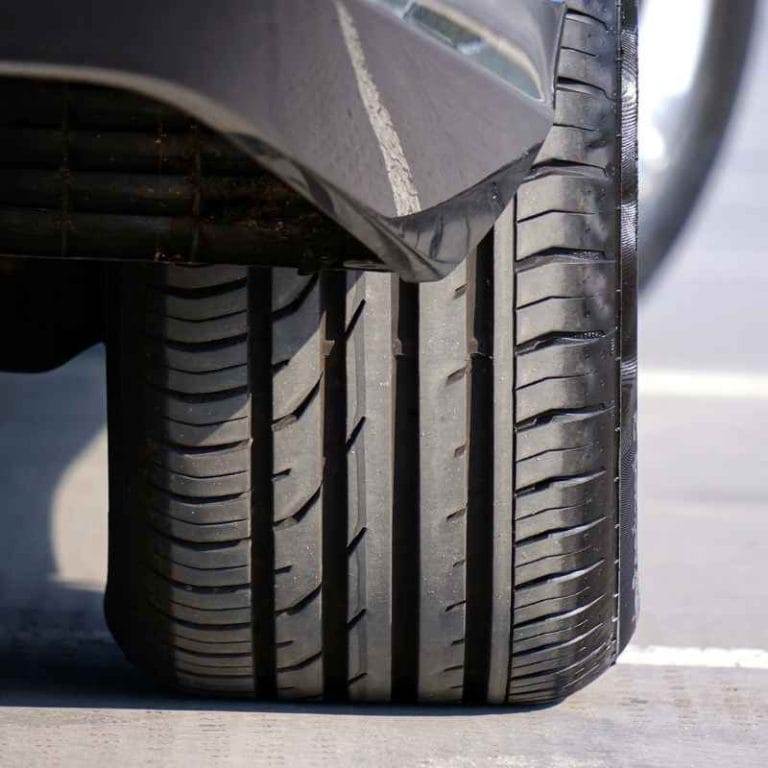
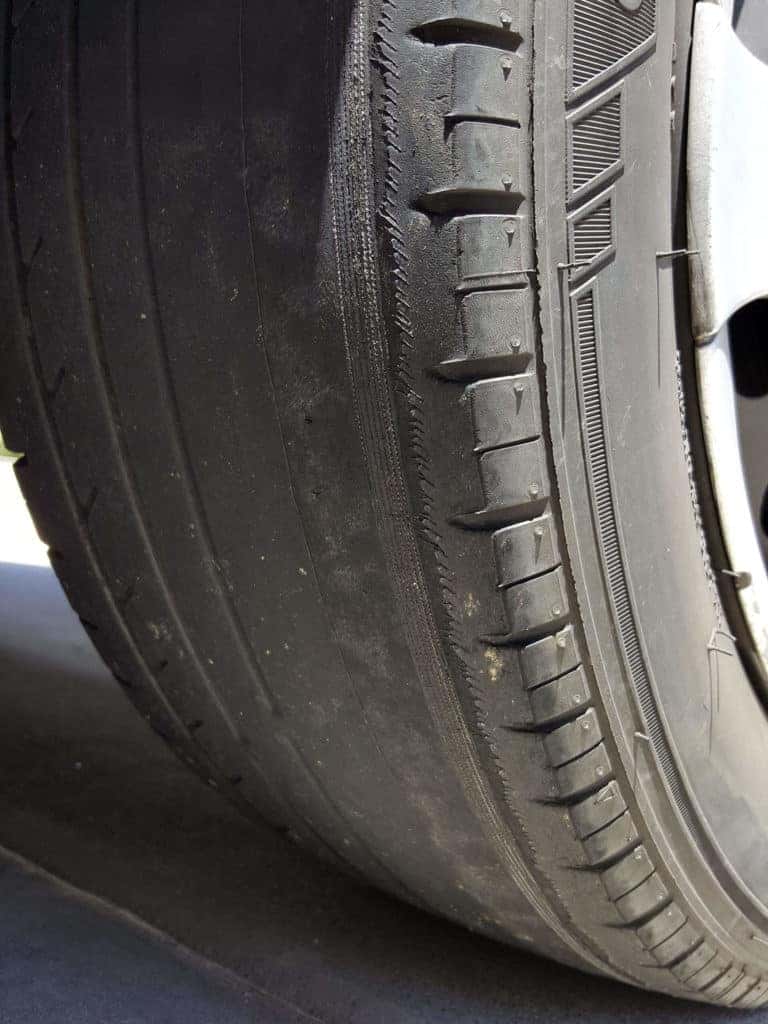
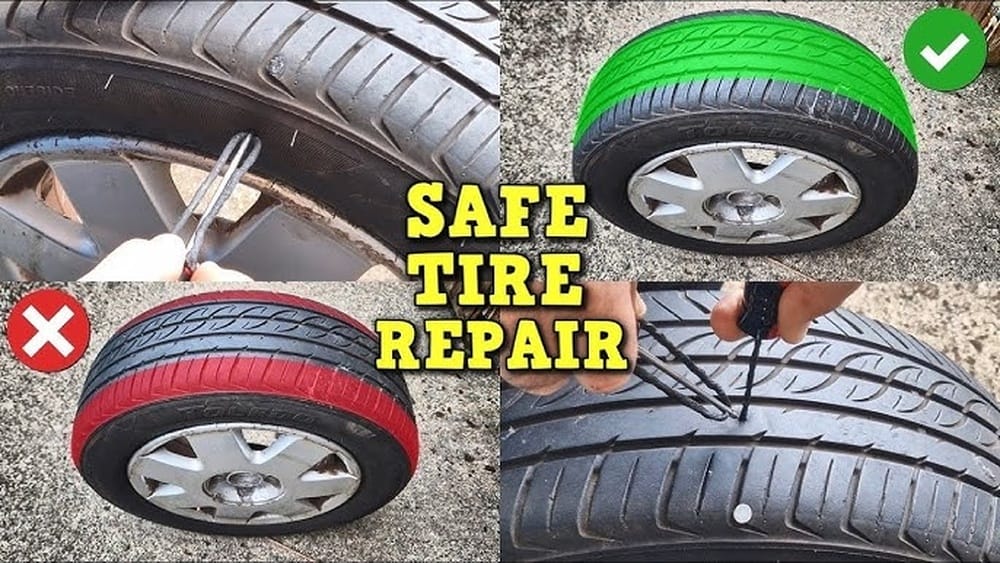
Tire construction varies across the tread and sidewall. Patches can only be safely applied to the central tread area—the thick, reinforced part that contacts the road.
Central Tread Zone
- Extends across the width of the tire, avoiding the edge or shoulder
- Most punctures here can be patched if they meet size criteria
Shoulder And Sidewall
- The shoulder (where tread meets sidewall) and sidewall (vertical side) are thinner and more flexible
- Damage in these areas cannot be safely patched
The shoulder and sidewall endure significant flexing and movement while driving. Even a small repair in these areas is prone to failure, as the material cannot support the same stresses as the central tread. Attempting to patch a sidewall or shoulder can lead to unpredictable blowouts, especially when the tire heats up during extended driving.
| Location | Patchable? | Reason |
|---|---|---|
| Central Tread | Yes | Strong, reinforced area |
| Shoulder | No | Too thin, flexes during driving |
| Sidewall | No | Weak structure, prone to failure |
Condition Of The Tire
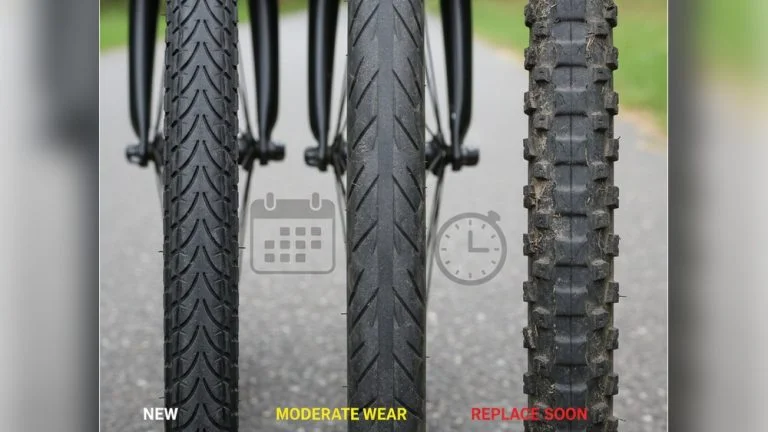
Even if the puncture is small and in the right location, tire condition matters. A tire with significant wear, multiple punctures, or visible sidewall damage is not a good candidate for patching.
- Safe to patch: Tires with good tread, no prior sidewall damage
- Not safe to patch: Bald tires, aged rubber, or multiple old repairs
Tires with dry rot (cracking in the rubber from age or UV exposure) or those that have suffered previous major impacts (such as hitting a curb or pothole hard enough to cause a bubble) should never be patched. The underlying structure may be compromised even if the damage isn’t visible from outside.
Age And Maintenance History
The age of the tire (usually found in the DOT code) and its maintenance history also affect repairability. Tires over 6 years old or those with numerous previous repairs are best replaced, not patched.
Rubber degrades over time, losing flexibility and strength even if tread remains. Each patch also removes a small amount of material from the inner liner, further weakening the tire with each subsequent repair. If you’re unsure of your tire’s age, check the four-digit DOT date code molded into the sidewall (e.
g. , “3219” means the tire was made in the 32nd week of 2019).
Real-world Example: Safe Patching
A driver discovers a nail in the center tread of a 2-year-old all-season tire. The puncture is 3 mm wide, and the tire still has over 50% of its tread. According to industry standards, this tire is a safe candidate for patching.
For more safety guidance, see the NHTSA Tire Safety Page.

Credit: www.youtube.com
When You Should Not Patch A Tire
Just because a tire can hold a patch doesn’t mean it should. There are several scenarios where patching is unsafe, illegal, or both.
Sidewall, Shoulder, And Large Damage
Damage to the sidewall or shoulder is a dealbreaker. These areas flex and bend as you drive, and a patch cannot withstand the strain, risking a catastrophic blowout.
- Sidewall bubbles, cuts, or gashes must never be patched
- Shoulder punctures are also off-limits
Sidewall bulges (bubbles) often indicate internal cord damage and are not repairable. Even small, seemingly innocuous sidewall punctures can rapidly expand under load, leading to instant air loss. These failures are particularly dangerous at highway speeds.
Multiple Or Overlapping Punctures
If a tire has multiple punctures—especially if they overlap or are close together—the structure is compromised. Industry guidelines recommend no more than two patches in a single tire, and never within 16 inches of each other.
This spacing ensures the tire retains enough structural integrity between repairs. Overlapping patches can interfere with each other’s adhesion and create complex stress points, raising the risk of sudden failure.
Large Or Irregular Cuts
Jagged or irregular cuts can’t be properly sealed with a patch. These require a full replacement, as the tire’s cords may also be damaged.
A cut that exposes the steel belts or fabric plies is especially dangerous. Even if a patch covers the hole, the underlying structure may be weakened, and the risk of tire separation increases dramatically.
Severe Tire Wear Or Age
A tire that is bald, cracked, or over six years old should not be patched. The repair won’t last, and the tire is already unsafe due to age or wear.
Treadwear indicators (the small bars in the grooves of your tire) show when the tread is worn down to 2/32”. At or below this level, the tire must be replaced, regardless of puncture size or location.
Run-flat Or High-performance Tires
Many run-flat tires and certain high-speed rated tires cannot be patched at all. The manufacturers of these tires often prohibit repairs due to structural differences. Always consult the tire documentation or a professional.
Some run-flat tires use reinforced sidewalls or unique rubber compounds that do not respond well to traditional patching techniques. Attempting to repair these can undermine their safety features and performance advantages.
Example: Unsafe Patching Scenario
A commuter notices a slow leak but finds the puncture is near the sidewall. Even though the hole is small, a patch would be unsafe and void the tire warranty. In this case, replacement is the only safe option.
For further reading on tire repair limitations, check out the Consumer Reports Tire Repair Guide.
Credit: www.reddit.com
The Step-by-step Tire Patching Process
If your tire meets the safety criteria for patching, understanding the repair process can help you choose a qualified shop and ensure the job is done right.
Inspection And Assessment
A thorough inspection is the first and most critical step. The tire is removed from the wheel, and the technician checks for:
- Size and location of the puncture
- Internal damage or exposed cords
- Tire age, tread wear, and previous repairs
Professional shops use tools like a tire spreader and internal lighting to spot hidden issues.
Technicians also look for secondary damage such as sidewall bulges, belt separation, or liner cracks. These hidden issues can make patching unsafe, even if the puncture appears repairable at first glance.
Preparing The Tire
Once confirmed safe to patch, the area is prepped:
- Mark the puncture from the inside
- Buff the area to roughen the inner liner for better adhesion
- Clean with rubber cement or a special solvent
The buffing process is critical. It removes contaminants and creates a slightly rough surface, ensuring the patch adhesive forms a strong chemical bond. Skipping or inadequately performing this step can cause the patch to lift or leak.
Applying The Patch (or Patch-plus-plug)
- For a patch-only repair, a strong rubber patch is applied over the puncture
- For a patch-plus-plug, a combination unit is inserted through the hole and sealed inside
After application, the patch is pressed and rolled to ensure no air pockets remain.
Technicians often use a rolling tool to press the patch, which helps distribute the adhesive and eliminate bubbles that could compromise the seal. In patch-plus-plug repairs, the plug portion fills the puncture channel, while the patch covers the interior, providing double protection.
Final Checks
The tire is then re-inflated and checked for leaks. Some shops use a water bath or electronic leak detector to verify the seal.
A meticulous leak check is essential, as even a tiny air leak can lead to gradual pressure loss, reducing fuel efficiency and tire life. Any sign of bubbling during the water test means the repair must be redone or the tire replaced.
Balancing And Re-mounting
After repair, the tire is balanced and remounted on the wheel. Proper balancing prevents vibration and uneven wear.
Balancing is often overlooked but is crucial for ride comfort and to prevent premature tire or suspension wear. Any repair process should always conclude with dynamic balancing.
For a visual explanation, see the Popular Mechanics Tire Repair Guide.
Risks And Limitations Of Tire Patching
While patching is often safe and effective, it’s not without risks or limits. Understanding these helps you avoid common pitfalls.
Reduced Tire Integrity
Even a perfect patch cannot restore a tire to its original strength. The repaired area is a weak point, especially at high speeds or under heavy loads.
Patches seal the air chamber but don’t restore the underlying cords or belts if they’re damaged. This is why patches are only allowed in the tread area and only for small punctures. Patching should never be seen as restoring the tire to “like new” condition.
Potential For Air Leaks
Improperly applied patches or patches used on unsuitable damage may leak over time, leading to recurring flats or sudden air loss.
Tiny imperfections in the patch process, contamination, or inadequate bonding can all create pathways for slow leaks. These leaks can be especially dangerous because they may not trigger a warning light immediately, resulting in underinflated driving and increased blowout risk.
Warranty And Insurance Issues
Many tire warranties are voided after repair, especially if the guidelines are not followed. Insurance claims may also be denied if a patched tire fails and causes an accident.
It’s critical to keep documentation of any repairs and ensure that repairs meet the manufacturer’s standards. This will help avoid disputes if you need to make a warranty or insurance claim in the future.
Legal Considerations
Some jurisdictions have strict laws about tire repairs, particularly for commercial vehicles. Always ensure repairs meet local and federal standards.
For example, commercial trucks and buses often have to comply with Department of Transportation (DOT) regulations that are even stricter than those for passenger vehicles. Failure to comply can result in fines or liability in the event of an accident.
Example: Real-world Failure Case
A rideshare driver patched a sidewall puncture at a budget repair shop. The patch failed on the highway, leading to a blowout and costly fender-bender. Investigation revealed the repair was against both manufacturer and industry guidelines.
For more on the risks, refer to the Tire Rack Tire Repair Overview.
Diy Tire Patching: What You Need To Know
Some drivers opt for DIY tire repair kits, especially for roadside emergencies. While these kits can be handy, they come with serious limitations.
Types Of Diy Kits
- External plug kits: For temporary fixes only
- Internal patch kits: Require tire removal, not practical for most DIYers
- Sealant aerosols: Quick, but not a permanent solution and may void warranty
Each type of kit serves a different purpose. Plug kits are best for short-term use and should not be relied on for long-term repairs. Internal patch kits are more effective but require specialized tools and skills most drivers lack. Aerosol sealants may clog tire pressure sensors and make professional repairs more difficult.
When Is Diy Acceptable?
DIY methods are acceptable for emergencies—to get you to a repair shop. They are not a substitute for professional, permanent repair.
- Use a plug or sealant only for short distances and low speeds
- Always follow up with a professional inspection and repair
Even for small punctures, a professional repair ensures the internal structure hasn’t been compromised. DIY repairs can mask underlying damage, increasing risk.
Risks Of Diy Repair
- Incomplete sealing, leading to leaks
- Missed internal damage
- Potential for unsafe repairs if patching is done incorrectly
Improper DIY repairs are a leading cause of repeat flats and tire blowouts. Without removing the tire from the rim, it’s impossible to inspect for hidden structural damage.
Example: Diy Gone Wrong
A motorist used a plug kit for a large nail near the shoulder. The tire failed two weeks later, causing a flat on the freeway. Had the tire been professionally inspected, a replacement would have been recommended.
For more on DIY repair safety, visit the Wikipedia Tire Repair Page.
Professional Repair Vs. Replacement: Making The Right Choice
Deciding between repair and replacement is not always easy. Here’s how to make the right call:
When To Repair
- The puncture is within the central tread
- The hole is ≤ ¼ inch wide
- The tire is in good condition, with no sidewall or shoulder damage
- The repair does not overlap with previous patches
A quality patch can safely restore service in these cases, extending tire life and saving money. Proper repairs also maintain vehicle handling and fuel efficiency.
When To Replace
- Damage is on sidewall or shoulder
- The puncture is too large or irregular
- Tire has extensive wear, multiple repairs, or is over six years old
- Manufacturer guidelines prohibit repair
Replacement is necessary when safety or reliability is at risk. New tires restore full integrity, performance, and peace of mind, especially before long road trips or in adverse weather conditions.
Cost Comparison Table
| Repair Type | Typical Cost (USD) | Average Lifespan (miles) | Best For |
|---|---|---|---|
| Professional Patch | $20–$40 | 10,000–20,000 | Small, central tread punctures |
| Tire Replacement | $80–$250+ | 40,000–70,000 | Major damage, sidewall issues |
| DIY Plug | $10–$20 | Up to 500 (temporary) | Emergencies only |
Real-world Case Study: Fleet Management
A delivery company implemented a strict policy: all repairs must follow USTMA guidelines. They found that proper patching extended tire life by 30%, saving thousands annually. Conversely, ignoring patching limits led to two blowouts and costly downtime before the policy change.
Fleet managers should maintain detailed records of every repair and replacement, ensuring accountability and safety compliance. Investing in proper repairs reduces downtime and enhances driver safety.
Maximizing Tire Life After A Patch
A correctly patched tire can serve reliably for tens of thousands of miles, but maintenance is crucial.
Regular Inspections
After a patch, check the tire monthly for:
- Slow leaks
- Uneven wear
- New punctures
Regular inspections help catch problems early, preventing a minor issue from becoming a major safety risk. Look for any visible changes, listen for unusual noises, and pay attention to ride comfort.
Rotations And Balancing
Continue to rotate and balance your tires per manufacturer recommendations, usually every 6,000–8,000 miles.
Rotating your tires ensures even wear, which is especially important for patched tires. Balanced tires prevent vibration and uneven tread wear, maximizing both performance and safety.
Monitoring Air Pressure
Keep tires inflated to the proper pressure, which reduces stress on both the patch and the entire tire.
Underinflation is a leading cause of tire failure, particularly in repaired tires. Use a reliable gauge to check pressure at least once a month and before long trips.
Replace When In Doubt
If any new issues develop, err on the side of caution and replace the tire.
Signs like persistent slow leaks, new vibrations, or changes in handling should prompt a professional inspection. Remember, your tires are your only contact with the road.
Example: Long-term Patch Success
A commuter patched a small nail hole in the central tread and followed up with regular inspections and rotations. The tire lasted for another 25,000 miles with no issues—a testament to proper repair and maintenance.
For more on extending tire life, see the Bridgestone Tire Longevity Guide.
Frequently Asked Questions
Can A Patched Tire Be As Safe As A New Tire?
A professionally patched tire—meeting size and location criteria—can be very safe for normal driving conditions. However, the patched area is a potential weak point, especially at high speeds or heavy loads. For maximum safety, patched tires should be monitored regularly and not used for aggressive or high-performance driving.
How Many Times Can A Tire Be Patched?
Most industry guidelines recommend no more than two patches per tire, and never patches that overlap or are too close together. Multiple repairs reduce the overall strength of the tire, increasing the risk of failure.
Can Run-flat Tires Be Patched?
Some run-flat tires can be patched, but many manufacturers prohibit repairs due to their unique construction. Always check your tire’s documentation or consult a professional technician before attempting any repair on a run-flat tire.
Is It Legal To Patch A Tire?
Patching a tire is legal if the repair follows industry standards and local regulations. However, unsafe or improper repairs (such as patching a sidewall) may be illegal, especially for commercial vehicles. Always ensure your repair meets USTMA and local standards.
Will Patching A Tire Void My Warranty?
In many cases, patching a tire—if done correctly and within guidelines—will not void your warranty. However, improper repairs or repairs to prohibited areas (like sidewalls) can void warranties. Check your tire manufacturer’s warranty policy for specific details.
As you can see, patching a car tire is both an art and a science. When done correctly, it’s a safe, cost-effective way to restore tire life and keep you on the road. But knowing when not to patch is just as critical for your safety and peace of mind.
By following industry standards, seeking professional help when in doubt, and maintaining your tires properly, you can drive with confidence—no matter what the road throws your way. For more on this, see whether you can put a spare tire on the front.
Products related to this article
Sponsored / affiliate links. As an Amazon Associate I earn from qualifying purchases. I may earn additional commission from eligible campaigns.