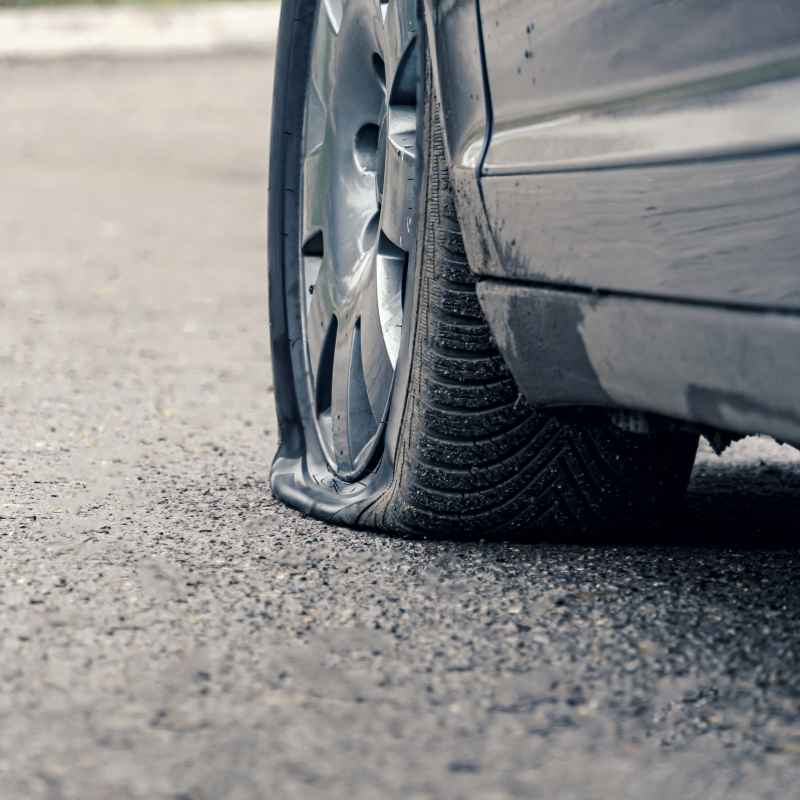
What to Do If Your Car Tire Gets a Puncture
Finding your car tire has a puncture can be stressful, but knowing the right steps keeps you safe and gets you back on the road quickly. This guide walks you through the exact process of handling a flat tire, from immediate safety checks to repair options and prevention tips.
In short, when you get a puncture, stay calm, pull over safely, assess the damage, and decide whether to change the tire yourself or call roadside assistance. Never drive on a flat tire.
Key Takeaways
- Car tire puncture requires immediate action: pull over safely and assess the damage before proceeding.
- Carry essential tools like a spare tire, jack, and lug wrench to handle a tire puncture yourself.
- Minor punctures in the tread can often be repaired, but sidewall damage usually means a full tire replacement.
- Preventing tire punctures involves regular pressure checks, avoiding road debris, and maintaining good tread depth.
- Calling roadside assistance is the safest option if you feel unsure or are in a dangerous location.
What Causes Tire Punctures on the Road?
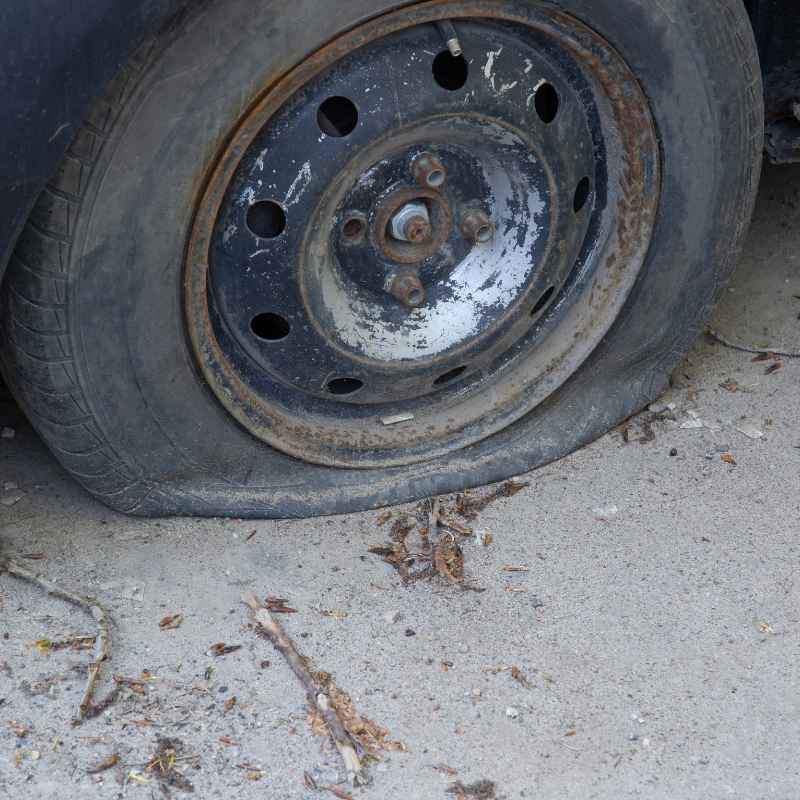
Tire punctures happen more often than most drivers expect. The most common culprits include nails, screws, sharp stones, glass shards, and pothole impacts. According to the National Highway Traffic Safety Administration (NHTSA), tire-related issues contribute to thousands of accidents each year, with punctures being a leading cause of sudden tire failure.
Underinflated tires are also more vulnerable to punctures. When tire pressure drops, the sidewall flexes more, generating heat and weakening the rubber. A tire with low pressure is far more likely to suffer a blowout when hitting debris.
- Nails and screws from construction sites or road debris
- Sharp rocks and glass on gravel roads or highways
- Potholes and curb strikes that pinch the tire sidewall
- Underinflation making the tire more susceptible to damage
- Old or worn tires with shallow tread depth that offer less protection
- Extreme temperatures causing pressure fluctuations
- Road construction debris like metal shavings or staples
Warning: Never attempt to remove a nail or screw from your tire on the side of the road. Removing it can cause rapid air loss and make the tire undrivable.
Understanding what causes punctures helps you avoid risky driving situations. Stay alert on roads with visible debris and keep your tires properly inflated to reduce risk.
How to Stay Safe Immediately After a Puncture
Your first reaction to a puncture sets the tone for the entire situation. The moment you feel a sudden thud or hear a loud pop, do not slam on the brakes. Instead, grip the steering wheel firmly, ease off the accelerator, and let the car slow down gradually.
Sudden braking can cause you to lose control, especially if the tire deflates rapidly.
Once you have slowed down, activate your hazard lights immediately. This alerts other drivers that you are in distress. Steer gently toward a safe location away from traffic.
A wide shoulder, parking lot, or rest area is ideal. Avoid stopping on curves, bridges, or narrow lanes where visibility is poor.
- Grip the steering wheel firmly and do not brake suddenly.
- Ease off the accelerator and coast to a lower speed.
- Turn on your hazard lights to warn other drivers.
- Steer gently toward a flat, stable surface away from traffic.
- Once stopped, engage the parking brake and turn the wheels away from the road.
- Exit the vehicle only when it is safe to do so, and stay behind the guardrail if possible.
Important: If you cannot reach a safe stopping area, stay inside the vehicle with your seatbelt fastened and call for help. Exiting a car in the middle of traffic is extremely dangerous.
Safety always comes first. Even if you are in a hurry, taking an extra minute to position your car safely can prevent a secondary accident. According to the American Automobile Association (AAA), nearly 30% of roadside accidents occur because drivers stopped in unsafe locations.
Step-by-Step: How to Change a Flat Tire Safely
Changing a tire yourself is a practical skill every driver should know. It saves time and money, especially in remote areas where help takes hours. However, you must follow the correct steps to avoid injury or further damage to your vehicle.
Before you start, confirm you have all the necessary equipment: a spare tire (full-size or donut), a car jack, a lug wrench, and a wheel wedge or heavy object to block the opposite tire. Also check that the ground is level and firm. Soft or sloping ground can cause the jack to slip.
Step 1: Prepare Your Vehicle
Engage the parking brake and place wheel wedges behind the tires that remain on the ground. If you are changing a rear tire, wedge the front tires and vice versa. This prevents the car from rolling while you work.
Step 2: Loosen the Lug Nuts
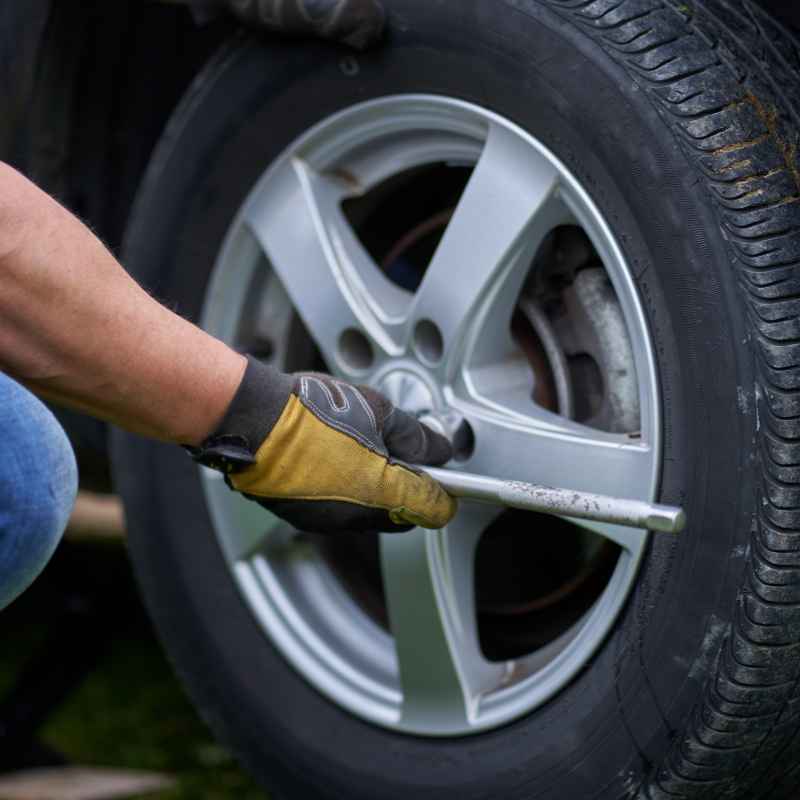
Before lifting the car, use the lug wrench to loosen each lug nut by turning counterclockwise. Do not remove them completely, just break the resistance. Loosening them while the tire is on the ground is much easier than after the car is jacked up.
Step 3: Jack Up the Car
Position the jack under the designated jack point near the flat tire. Consult your owner manual if you are unsure where this is. Pump the jack until the tire lifts about six inches off the ground.
Double-check that the car is stable before proceeding.
Step 4: Remove the Flat Tire
Finish unscrewing the lug nuts and place them in a safe spot, like the hubcap or a pocket. Carefully pull the flat tire straight off the wheel studs and lay it flat on the ground. This prevents it from rolling away.
Step 5: Mount the Spare Tire
Align the spare tire holes with the wheel studs and push it onto the hub. Hand-tighten the lug nuts in a star pattern to ensure even pressure. Do not fully tighten them yet.
Step 6: Lower the Car and Tighten
Lower the car back to the ground using the jack. Once the tire touches the ground, use the lug wrench to tighten the nuts fully in the same star pattern. Apply firm pressure but do not jump on the wrench.
| Step | Action | Key Caution |
|---|---|---|
| 1 | Park and wedge | Use parking brake and wheel wedges |
| 2 | Loosen lug nuts | Do not remove completely yet |
| 3 | Jack up car | Use designated jack point only |
| 4 | Remove flat tire | Lay flat to prevent rolling |
| 5 | Mount spare | Hand-tighten in star pattern |
| 6 | Lower and tighten | Fully tighten in star pattern |
After completing these steps, stow the flat tire and tools securely. Get to a tire shop as soon as possible to have the puncture inspected and professionally repaired or replaced. Do not exceed 50 miles per hour on a donut spare tire.
What Tools Do You Need for a Tire Repair?
Having the right tools on hand makes a huge difference when you face a tire puncture. Most modern cars come with a spare tire and a basic jack, but not all vehicles include them anymore. Check your trunk or under the cargo floor to see what your car provides.
If your car does not have a spare, consider investing in a compact tire repair kit that includes a sealant and air compressor. These kits can get you to the nearest shop without needing to change the tire on the roadside.
- Spare tire – full-size spare or temporary donut
- Car jack – scissor jack or hydraulic jack rated for your vehicle weight
- Lug wrench – cross-shaped or telescoping for better leverage
- Wheel wedges – rubber or wood blocks to chock the opposite tires
- Tire pressure gauge – digital or analog to check inflation after repair
- Tire plug kit – for temporary repairs of small punctures in the tread
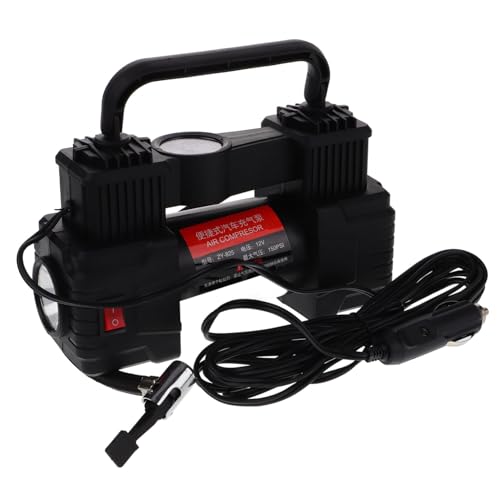
- Portable air compressor – 12V powered from the car cigarette lighter
- Gloves and a reflective vest – for safety and visibility
- Flashlight – LED with extra batteries for nighttime emergencies
- Owner manual – for jack points and lug nut torque specifications
| Tool | Purpose | Essential? |
|---|---|---|
| Spare tire | Replace flat immediately | Yes |
| Car jack | Lift vehicle for tire change | Yes |
| Lug wrench | Remove lug nuts | Yes |
| Plug kit | Temp fix for small punctures | Optional |
| Air compressor | Reinflate after plug | Optional |
Store all these items in a compact roadside emergency kit in your trunk. Check the spare tire pressure every time you check your main tires. A flat spare does you no good when you need it most.
When to Use a Tire Repair Kit vs. Calling for Help
Not every puncture requires a full tire change. If the puncture is small, located in the tread area, and you have a tire repair kit, you may be able to handle it yourself. Tire plug kits are inexpensive and can seal punctures up to a quarter inch in diameter effectively.
However, there are situations where you should never attempt a DIY repair. Sidewall punctures, large gashes, or damage from running over debris at high speed are not repairable with a plug. In those cases, your only option is to replace the tire or call for professional help.
- Puncture in the tread – Repairable with a plug if smaller than 1/4 inch.
- Puncture in the sidewall – Not repairable. Requires tire replacement.
- Large gash or tear – Not repairable. Tire is structurally compromised.
- Slow leak from a nail – Repairable. Use a plug kit and reinflate.
- Bubble or bulge on sidewall – Not repairable. Indicates internal damage.
- Run-flat tire puncture – Can often be driven on for a limited distance (usually 50 miles at 50 mph). Check owner manual.
Tip: If you are on a busy highway, in bad weather, or at night, call roadside assistance instead of attempting a repair yourself. Your safety is more important than saving money.
If you decide to use a tire repair kit, follow the instructions carefully. Insert the plug into the puncture hole, pull it through, and trim the excess. Then reinflate the tire with your air compressor and check the pressure.
Drive slowly to a tire shop for a permanent patch inside the tire.
How to Prevent Future Tire Punctures
Prevention is always better than cure when it comes to tire punctures. Simple habits can dramatically reduce your risk of experiencing a flat tire on the road. The most effective step is maintaining proper tire pressure.
Underinflated tires generate excessive heat and are more prone to punctures and blowouts.
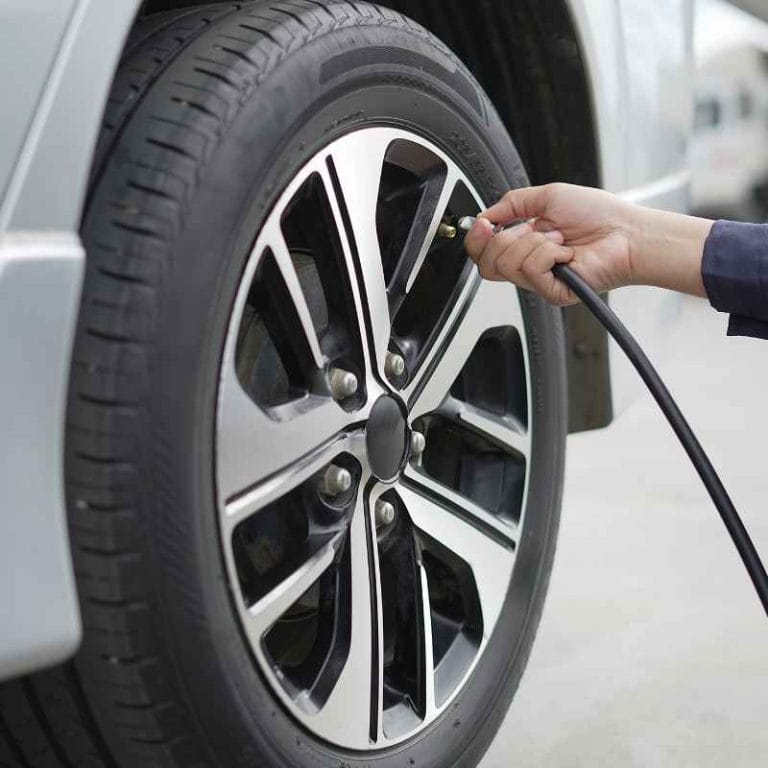
According to the Rubber Manufacturers Association (RMA), proper inflation can extend tire life by up to 25% and improve fuel efficiency by 3%. Check your tire pressure at least once a month and before long trips. Use the recommended pressure listed on the driver door jamb label, not the maximum pressure printed on the tire sidewall.
- Check tire pressure monthly – Use a reliable gauge when tires are cold.
- Inspect tread depth – Replace tires when tread reaches 2/32 inch. Use the penny test.
- Avoid road debris – Keep distance from construction zones and loose gravel.
- Rotate tires every 5,000-7,500 miles – Promotes even wear and extends life.
- Avoid potholes and curbs – Impact damage can cause hidden internal punctures.
- Check for visible damage – Look for cuts, bulges, nails, or uneven wear monthly.
- Do not overload your vehicle – Excess weight stresses tires and increases puncture risk.
Important: The penny test is simple: insert a penny into the tread with Lincoln’s head facing down. If you see the top of his head, the tread is below 2/32 inch and the tire needs replacement.
Regular tire maintenance also includes wheel alignment and balancing. Misaligned wheels cause uneven wear, making certain sections of the tire thinner and more vulnerable to punctures. Have your alignment checked annually or whenever you notice the car pulling to one side.
Common Mistakes to Avoid When Handling a Puncture
Even experienced drivers make errors when dealing with tire punctures. Being aware of these common mistakes can save you time, money, and stress. The most frequent error is driving too far on a flat tire.
Even a short distance on a deflated tire can ruin the sidewall and damage the wheel rim.
Another mistake is using a tire plug as a permanent fix. While plugs are excellent for temporary repairs, they are not a substitute for a professional patch from the inside. A plug alone can leak over time, especially under high-speed driving conditions.
- Driving on a flat tire – Destroys the sidewall and damages the rim.
- Removing the nail or screw – Causes rapid air loss and makes the tire undrivable.
- Over-tightening lug nuts – Can strip threads or damage the wheel studs.
- Using a plug only without a patch – Not a permanent solution for a car tire puncture.
- Ignoring the spare tire pressure – A flat spare is useless when you need it.
- Stopping in a dangerous location – Always prioritize finding a safe, flat surface.
- Forgetting to check the tire pressure after repair – Always verify proper inflation before driving.
Warning: Do not use a tire sealant aerosol can as a permanent fix. These products can damage tire pressure monitoring systems (TPMS) sensors and create a mess inside the tire that makes professional repair difficult.
Finally, do not forget to re-tighten your lug nuts after driving 50 miles on a newly changed tire. Nuts can loosen slightly as the tire settles. Use a torque wrench set to the manufacturer specification for best results.
What Does a Tire Puncture Repair Cost?
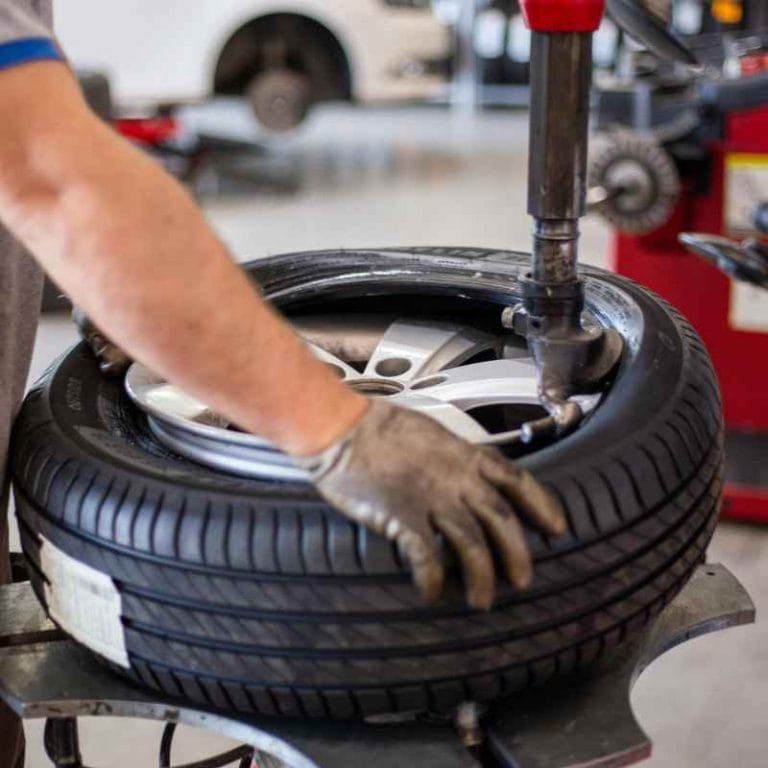
Understanding the cost of a tire puncture repair helps you decide between DIY and professional service. A professional tire repair typically ranges from $20 to $40 for a simple puncture in the tread that can be patched from the inside. This includes removing the tire from the rim, inspecting the interior, applying a patch, and remounting and balancing the tire.
If the puncture is in the sidewall or the damage is extensive, replacement is necessary. A new tire costs anywhere from $80 to $300 or more depending on the brand, size, and type of your vehicle. Performance and run-flat tires tend to be at the higher end of the price range.
| Service | Average Cost | When Needed |
|---|---|---|
| Professional patch repair | $20 – $40 | Small puncture in tread area |
| Tire replacement (economy) | $80 – $150 | Sidewall damage or large gash |
| Tire replacement (premium) | $150 – $300+ | Performance or run-flat tires |
| Roadside assistance call | $50 – $100 | If you cannot change tire yourself |
| DIY plug kit | $10 – $20 | Temporary fix only |
Many tire shops offer free flat tire inspection if you are a regular customer. Some chain stores also provide free rotation and inspection services, which can catch small punctures before they become emergencies.
Frequently Asked Questions
Can I drive with a nail in my tire?
You should not drive with a nail in your tire. Even if the tire is holding air, the nail can work its way deeper or cause a sudden blowout. If you notice a nail, drive slowly to the nearest tire shop for inspection and repair.
How long does a tire plug last?
A tire plug is considered a temporary repair and should last long enough to get you to a professional shop. The Rubber Manufacturers Association recommends plugging only as an emergency fix. A proper patch from the inside is the only permanent solution for a car tire puncture.
Can a sidewall puncture be repaired?
No, a sidewall puncture cannot be safely repaired. The sidewall flexes during driving and any repair there is prone to failure. The tire must be replaced to ensure safety.
Some tire shops may refuse to attempt a sidewall repair due to liability concerns.
Do I need a new tire after a puncture?
Not always. If the puncture is in the tread area, smaller than 1/4 inch, and there is no sidewall damage, the tire can usually be professionally patched. However, if the tire is old, worn, or the puncture is large, replacement is the safer option.
How much air pressure should I put in a repaired tire?
Always inflate the repaired tire to the pressure recommended by your vehicle manufacturer. This information is on the driver side door jamb sticker. Do not use the maximum pressure printed on the tire sidewall as a reference.
Final Thoughts
Dealing with a car tire puncture is never convenient, but staying calm and following the right steps keeps you safe and minimizes damage. Keep essential tools in your trunk, check your tire pressure monthly, and know when to call for professional help. A little preparation goes a long way in turning a stressful roadside emergency into a manageable situation.
See also best car tires for winter top picks for safe driving. See also how do car tires hold air without leaking here is why.
Products related to this article
Sponsored / affiliate links. As an Amazon Associate I earn from qualifying purchases. I may earn additional commission from eligible campaigns.