When Do Car Tires Expire? Here’S What the Date Means
Every driver knows that proper car maintenance is essential for safety, performance, and peace of mind. Yet, one of the most overlooked aspects of car ownership is the condition and age of your tires. Many drivers assume that as long as their tires have tread and aren’t visibly damaged, they’re safe to use. But did you know that car tires can expire even if they look perfectly fine? Understanding tire expiration dates and the science behind them is crucial—not just for your wallet, but for your safety.
Most people have seen a cryptic string of numbers and letters on their tire’s sidewall and wondered what it means. This date code isn’t just a manufacturing detail; it’s a critical safety indicator. If you’ve ever asked yourself, “When do car tires actually expire?
” or “Is it safe to use old but unused tires? ”—this comprehensive guide will answer all your questions, debunk common myths, and arm you with the expert knowledge needed to make informed decisions about your vehicle’s tires.
Key Takeaways
- Tire expiration is real: Most experts recommend replacing tires 6-10 years after manufacture, regardless of tread.
- DOT date codes reveal when your tire was made—knowing how to read them is essential.
- Aging tires can become dangerously compromised even if they look “new.”
- Environmental factors like heat, UV exposure, and storage conditions affect tire lifespan.
- Regular inspections and proper maintenance can help maximize tire safety and longevity.
- Always check the tire’s age before buying new or used tires.

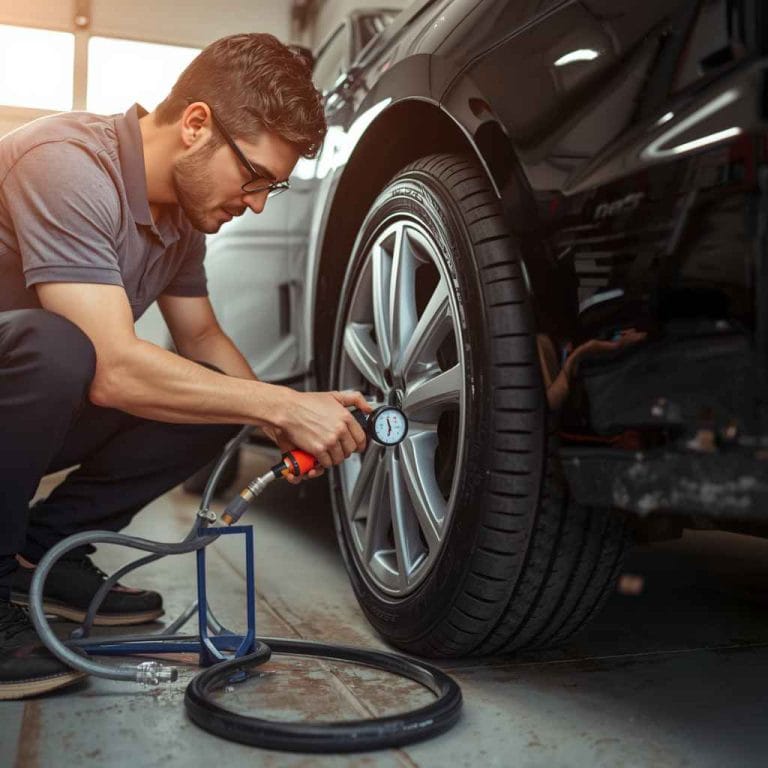
Credit: www.jcofontario.com
Understanding Tire Expiration: The Science Behind Aging
Tires are more than just circles of rubber; they’re complex, engineered products designed to keep you safe at high speeds and under varying conditions. But what actually happens as they age?
Chemical Breakdown: Oxidation And Its Effects
Over time, the rubber compounds in tires undergo oxidation—a chemical reaction with oxygen that causes hardening and loss of elasticity. While manufacturers add anti-oxidizing chemicals to slow this process, it’s inevitable. As a tire ages:
- The rubber dries out, leading to cracks, especially in the sidewall and tread grooves.
- Flexibility decreases, making tires more prone to blowouts under stress.
- Internal structures such as steel belts and fabric layers can separate, further compromising safety.
The process of oxidation is gradual, but relentless. Even the best tire manufacturing technologies cannot halt the slow march of time. Rubber is inherently susceptible to environmental exposure, and every tire is affected differently depending on how and where it is used.
The anti-aging compounds, such as antioxidants and antiozonants, are most effective during the tire’s early life but lose potency over years.
Example: Daily Drivers Vs. Garage Queens
A daily-driven tire may show visible wear sooner, but a rarely used tire sitting in a garage can still suffer from the unseen chemical breakdown. This is why classic cars, which are often driven infrequently, may need new tires even though their tread looks nearly untouched.
Uv Light, Ozone, And Heat
Exposure to UV rays and ozone accelerates the breakdown of rubber. High temperatures, especially in hot climates, can speed up the aging process significantly. According to the National Highway Traffic Safety Administration (NHTSA), tires age faster in warmer climates like Arizona or Florida compared to cooler states like Washington or Maine.
UV radiation causes the rubber’s molecular bonds to break down, leading to a loss of elasticity and the formation of micro-cracks. Ozone, a reactive gas found in the atmosphere, also attacks rubber. Tire manufacturers try to combat this by adding ozone-resistant chemicals, but their effectiveness diminishes over time.
Heat acts as a catalyst, intensifying all these reactions and making the tire’s rubber brittle much sooner.
Example: Parking Habits
A vehicle that is parked outdoors in direct sunlight will experience faster tire aging compared to one kept in a garage. Even the difference between parking on asphalt versus grass can influence how much heat the tires absorb and how quickly they degrade.
Storage Conditions Matter
Even if a tire has never been mounted, improper storage can dramatically shorten its lifespan. Storing tires in direct sunlight, near sources of ozone (like electric motors), or in fluctuating temperatures can cause them to deteriorate faster than those stored in cool, dry, and dark environments.
Proper storage involves placing tires in a climate-controlled environment, ideally away from windows and electrical equipment. Tires should be kept upright and covered to prevent exposure to dust and contaminants. For long-term storage, some tire manufacturers recommend placing tires in airtight plastic bags to slow the aging process.
Example: Warehouse Storage Vs. Home Garage
Tires stored in commercial warehouses are often rotated and inspected, but those kept in a home garage may be exposed to temperature swings and ozone from nearby appliances. The difference in storage practices can mean years of additional safe use—or premature expiration.
Real-world Example: Florida Vs. Alaska
A tire manufactured in 2015 and used in Miami, Florida, is likely to degrade faster than the same tire stored in a temperature-controlled warehouse in Alaska. This difference highlights why miles driven isn’t the only measure of tire life—age and environment are just as important.
In Florida, high humidity, intense UV exposure, and warm temperatures combine to create a harsh environment for tires. Conversely, Alaska’s cooler climate and less intense sunlight slow the chemical breakdown of rubber. This means that even low-mileage tires in hot states may need replacement much sooner than their northern counterparts.

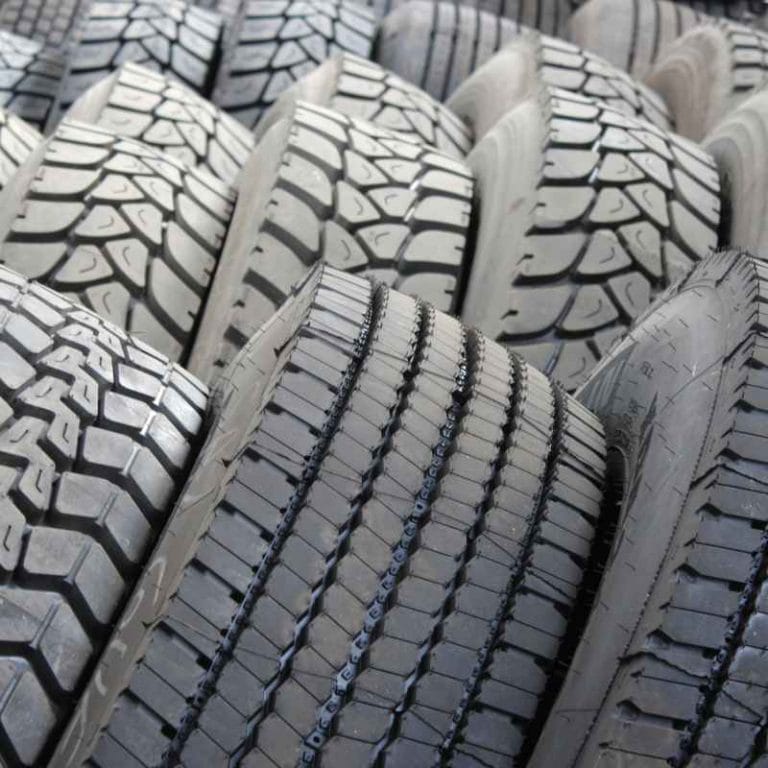
Credit: www.northamptonvolkswagen.com
How To Read The Tire Date Code (dot Code)
The most reliable way to determine a tire’s age is by examining the DOT code on its sidewall. This alphanumeric string is mandated by the U.S. Department of Transportation and is a universal feature on all tires sold in the United States.
Locating The Dot Code
- Find the letters “DOT” followed by a series of up to 12 characters.
- The last four digits indicate the week and year of manufacture.
Many tires display the DOT code on only one sidewall, so check both sides if you don’t see it immediately. The DOT code is typically located near the rim edge, and it may be preceded by other manufacturer codes.
Decoding The Date
For example, a DOT code ending in 4221 means:
- “42” = the 42nd week of the year
- “21” = the year 2026
So, this tire was manufactured in October 2026.
If you find a code like “2517,” the tire was made in the 25th week of 2017. This information is critical for calculating the tire’s age and determining its safety.
Pre-2000 Tires
For tires made before 2000, the DOT code used three digits. For example, “348” means the 34th week of 1998 (or possibly 1988). However, any tire this old is far past safe usage and should be replaced immediately.
Older tires may lack modern safety features and are more susceptible to catastrophic failure. If you encounter a three-digit code, consider it a warning sign that the tire is unsafe.
Table: Sample Dot Codes And Manufacture Dates
| DOT Code Ending | Manufacture Week | Manufacture Year | Should Replace? |
|---|---|---|---|
| 2418 | 24th | 2018 | Yes (if 6+ years old) |
| 1519 | 15th | 2019 | Maybe (check for cracks/age) |
| 4822 | 48th | 2026 | No (if in good condition) |
| 358 | 35th | 1998 | Yes (far expired) |
Why Date Codes Matter When Buying Tires
It’s essential to check the DOT code when purchasing new or used tires. Unscrupulous sellers may try to pass off old “new” stock as fresh inventory. Tires sitting in a warehouse for years can be unsafe, even if never driven on.
Many online retailers now display DOT codes, but it’s still best to verify in person. When buying from local shops, ask to see the tires before installation and examine the codes yourself. If the tire is more than two years old, insist on a fresher replacement.
For more information on tire codes, visit the NHTSA Tire Safety Page.
How Long Do Tires Last? Industry Guidelines And Real-world Data
Manufacturers, safety organizations, and independent experts generally agree on a window of 6 to 10 years for tire lifespan. However, several factors influence this recommendation.
Manufacturer Recommendations
- Bridgestone, Michelin, Continental, and Goodyear all recommend replacing tires every 6-10 years, regardless of tread wear.
- Some, like Michelin, specifically suggest that tires should “never be used more than 10 years past their date of manufacture.”
Manufacturers emphasize that their recommendations apply regardless of tread depth, visible wear, or even unused status. This is because the chemical and structural integrity of the tire deteriorates over time.
Example: Manufacturer Warnings
Michelin’s official guidance states: “Even if the tires appear usable, after ten years from the date of manufacture, they should be replaced.” Bridgestone echoes this, noting that tires older than ten years should be discarded, even if unused.
Table: Tire Manufacturer Expiry Guidelines
| Brand | Recommended Max Age | Reference |
|---|---|---|
| Michelin | 10 years | Michelin |
| Bridgestone | 10 years | Bridgestone |
| Goodyear | 6 years (inspect after 6, replace at 10 max) | Goodyear |
| Continental | 10 years | Continental |
Nhtsa And Independent Research
The NHTSA and various research organizations have found that the risk of tire failure increases dramatically after six years, regardless of tread depth. According to a study published by the National Transportation Safety Board (NTSB), tires older than six years were significantly overrepresented in fatal accidents caused by tire failure.
Read the full NTSB report here: NTSB Safety Study.
Real-world Examples
- Case Study: 8-Year-Old Spare Tire Blowout
- In 2018, a family in Texas experienced a catastrophic blowout on a highway using a spare tire that was over 8 years old. The tire looked unused but had dry rot and internal separation, leading to a rollover accident. This case highlights the dangers of old, unused tires.
- Example: Low-Mileage Collector Car
- Classic car owners often drive very few miles per year. Even with minimal tread wear, tires over 6-10 years old can still fail due to age-related degradation.
Factors That Shorten Tire Lifespan
- High temperatures (e.g., southern states)
- UV exposure (parking outdoors)
- Improper storage
- Heavy loads or aggressive driving
- Poor maintenance (under-inflation, alignment issues)
Example: Commercial Fleet Management
Fleet managers often replace tires based on age, not just tread, because vehicles in heavy use may be subjected to extreme environments. Proper record-keeping is essential for ensuring tire safety and compliance.

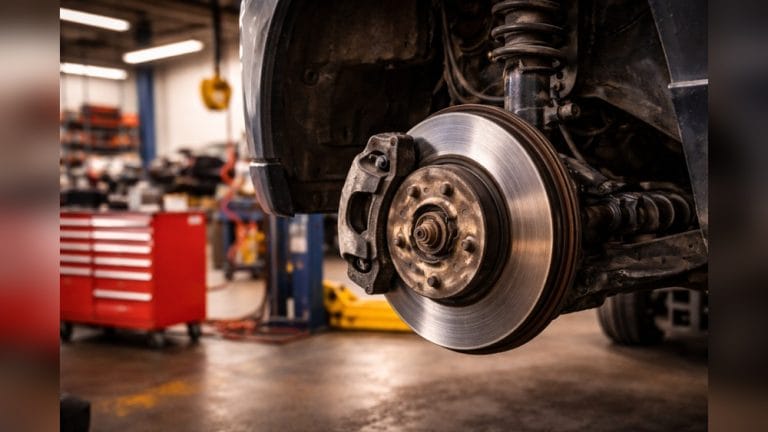
Credit: www.familyhandyman.com
The Dangers Of Using Expired Tires
The consequences of driving on expired tires can be severe. Aging tires are especially prone to:
- Tread and sidewall cracking
- Tread separation
- Blowouts at high speed
Increased Accident Risk
The NHTSA attributes thousands of crashes annually to tire failures. Many of these incidents involve tires that are old but appear fine externally.
Tire failure often occurs at highway speeds, where the consequences can be catastrophic. Loss of control due to a blowout can lead to rollovers, multi-car collisions, or even fatal accidents.
Insurance And Legal Liability
If you’re involved in an accident caused by an expired tire, you could be found negligent—potentially affecting your insurance claim and legal standing.
Insurance companies may deny claims if they determine that the driver knowingly used tires beyond their safe lifespan. Legal proceedings have increasingly recognized tire age as a factor in liability, especially for commercial operators and rental agencies.
Real-world Example: Rental Car Liability
A 2014 case in California saw a rental company held liable for an accident involving a vehicle equipped with nine-year-old tires. The court found the company responsible for not checking the tire’s age, even though the tread was above minimum standards.
Rental fleets often rotate vehicles, but tire inspections for age are sometimes overlooked. This case set a precedent for greater accountability and has led to stricter tire policies in the rental industry.
Table: Visible Signs Of Aging Vs. Hidden Risks
| Visible Signs | Hidden Risks | Inspection Needed? |
|---|---|---|
| Cracks in sidewall | Internal separation | Yes |
| Dry, brittle rubber | Loss of flexibility | Yes |
| Bulges | Steel belt corrosion | Yes |
| Uneven wear | Loss of grip | Yes |
External Guidance
For more on tire safety and legal liabilities, refer to the SaferCar.gov Tire Safety page.
How To Inspect Tires For Age And Safety
Regular tire inspections are a cornerstone of safe driving. Here’s how to check your tires for age-related risks.
Step 1: Find And Read The Dot Code
- Locate the DOT code on the tire’s sidewall.
- Check the last four digits for week and year of manufacture.
- If the tire is over 6 years old, plan for inspection or replacement.
Checking the DOT code should become a routine habit, especially before long trips or after buying a used vehicle. If you’re uncertain about the code’s meaning, ask your tire shop or refer to manufacturer guidelines.
Step 2: Visual Inspection Checklist
- Check for sidewall cracks: Small, web-like cracks indicate oxidation and aging.
- Look for tread separation: Any lifting or bubbling of the tread suggests internal failure.
- Inspect for bulges or blisters: These are signs of structural weakness.
- Assess the rubber feel: Dry, brittle rubber is a red flag.
Other signs include discoloration or fading, which often indicates UV damage. Inspect all four tires, including the spare, and pay special attention to areas near the rim and tread edges.
Step 3: Professional Tire Shop Inspection
If you’re unsure about a tire’s condition, have it inspected by a certified tire technician. They can:
- Check for internal damage not visible from the outside.
- Use specialized tools to measure tread depth and rubber hardness.
- Advise on safe replacement timelines.
Professional inspections should be part of your regular maintenance schedule. Many shops offer free tire checks, and some even provide digital reports showing tread and age.
Step 4: Monitor Tire Pressure And Tread
- Underinflated or overinflated tires age faster.
- Maintain proper tire pressure as recommended by your vehicle’s manufacturer.
Proper inflation helps preserve tire integrity and extends life. Use a quality gauge and check pressures monthly or before long trips.
Example: Discovering Dry Rot Before A Road Trip
Before a cross-country trip, a driver checked the DOT code on his little-used sedan and found the tires were 9 years old. A closer look revealed tiny cracks in the sidewalls—so he replaced them, avoiding a potential blowout on the highway.
This simple pre-trip inspection likely prevented a dangerous situation, highlighting the importance of being proactive about tire safety.
Factors That Impact Tire Expiry And Longevity
Several variables can accelerate or slow the aging process of your tires.
Climate And Environmental Exposure
- Hot climates (e.g., Texas, Arizona) cause faster oxidation and breakdown.
- Cold climates slow chemical reactions but don’t eliminate aging.
- Frequent outdoor parking exposes tires to more UV radiation.
Humidity can also play a role, as moist environments may promote internal corrosion of steel belts. Urban environments with high ozone levels can further accelerate rubber degradation.
Driving Habits
- Aggressive driving, sharp cornering, and heavy braking stress tires.
- High-mileage driving wears out tread faster, but age still matters.
Frequent stop-and-go traffic, as well as driving on rough roads, can increase wear. Even if tread is worn evenly, older tires may still be unsafe.
Storage Conditions
- Stored tires in cool, dark, dry places age more slowly.
- Spare tires and trailer tires often age out before they wear out.
Spare tires are often forgotten, but they can be the oldest tires on your vehicle. Always check their DOT code and condition, especially before using them.
Maintenance Practices
- Regular rotations and alignments extend tire life.
- Neglected maintenance accelerates aging and increases risk.
Routine maintenance can help detect early signs of aging and prevent uneven wear, which can mask underlying structural issues.
Table: Fastest Vs. Slowest Tire Aging Scenarios
| Scenario | Expected Tire Age Limit | Notes |
|---|---|---|
| High heat, outdoor parking, aggressive driving | 6 years or less | Replace sooner due to accelerated aging |
| Cool, indoor storage, low mileage | 8–10 years max | Still replace at 10 years, regardless of tread |
| Spare tires (unused) | 6 years | Check for dry rot and cracks |
What To Do With Expired Or Old Tires
Once your tires reach the end of their safe lifespan, proper disposal or recycling is important for safety and environmental reasons.
Safe Tire Disposal
- Never use expired tires for driving—even as spares or on trailers.
- Take old tires to a licensed recycling center or tire retailer.
- Many retailers offer free disposal with the purchase of new tires.
Local regulations may require you to pay a small disposal fee, but this ensures tires are processed safely and not dumped illegally.
Tire Recycling Options
- Recycled tires can be used for playground surfaces, athletic tracks, or as fuel in certain industries.
- Some states offer incentives for proper tire recycling.
Tire recycling helps reduce landfill waste and creates useful products. Some tire retailers partner with recycling companies to handle old tires responsibly.
Find out more about tire recycling at the EPA’s Tire Management Page.
Repurposing Old Tires
- Garden planters or playground swings (only for non-structural uses)
- DIY projects: Old tires can be creatively reused, but never for applications involving safety or load-bearing.
Creative uses for tires include landscaping, obstacle courses, and furniture. However, these applications should never involve load-bearing or safety-critical uses.
Legal Restrictions
Many states prohibit tires over a certain age from being sold or installed on passenger vehicles. Always check local regulations before buying or selling used tires.
The penalties for violating these laws can be steep, and liability in case of an accident is significant.
Buying Tips: How To Avoid Old Or Expired Tires
Whether you’re buying new or used tires, a few smart steps can help ensure you get safe, fresh products.
Ask For The Dot Code
- Request to see the DOT code before purchasing.
- Don’t accept tires more than 1-2 years old as “new,” especially for critical applications.
For specialty vehicles or performance cars, insist on tires manufactured within the past year. Fresh stock offers maximum safety and performance.
Buy From Reputable Retailers
- Large chains and authorized dealers have higher turnover and fresher stock.
- Online tire sellers should clearly display DOT manufacture dates.
Reputable retailers are more likely to honor warranties and offer support if issues arise. Avoid buying from sellers who refuse to show DOT codes or provide clear age information.
Avoid Deep Discounts On “new Old Stock”
- Steeply discounted tires may be older stock being cleared out.
- Always weigh the cost savings against potential safety risks.
Discounted tires may seem attractive but could cost more in the long run due to premature replacement or increased risk.
Insist On Proper Storage
- If buying tires for future use, store them in a cool, dark, dry environment.
- Avoid buying tires that have been stored outdoors or in fluctuating temperatures.
Proper storage preserves tire quality. Ask retailers about their storage practices and avoid tires that have been exposed to the elements.
Example: Used Tire Purchase Gone Wrong
A bargain hunter bought “like new” used tires from a private seller but later discovered the DOT codes were over 7 years old. The tires failed inspection and had to be replaced, erasing any savings.
This story is common among used tire buyers, emphasizing the importance of checking DOT codes and buying from reputable sources.
For more consumer guidance, check the Consumer Reports Tire Buying Guide.
Frequently Asked Questions
How Do I Find The Expiration Date On My Tires?
Look for the DOT code on the tire’s sidewall. The last four digits indicate the week and year of manufacture (e.g., “2519” = 25th week of 2019). Use this to calculate the tire’s age.
If you are unsure how to read it, your tire shop or manufacturer website can help. Many vehicles have this information in the owner’s manual as well.
Are Tires Safe To Use If They Have Never Been Driven On But Are Several Years Old?
No. Unused tires can still degrade due to age, storage conditions, and environmental exposure. Most manufacturers recommend replacing tires after 6-10 years, even if they haven’t been used.
The chemical changes happen regardless of use, so new-old-stock tires are not a safe bet.
Is Tread Depth More Important Than Tire Age?
Both are important, but tire age can be a greater safety risk. Tires with adequate tread but advanced age may suffer from hidden structural damage, increasing the risk of blowouts.
Don’t rely on tread alone; always check the age and inspect for signs of aging.
Can I Use An Old Spare Tire In An Emergency?
While it’s tempting, using an old spare (over 6 years) is risky. The rubber may be compromised, even if it looks new. Replace spares according to age, not just appearance.
It’s a good practice to rotate the spare into normal use and buy a fresh one every few years.
Does Tire Aging Differ Between Brands?
Most major brands use similar anti-aging additives, but environmental factors have a bigger effect than brand differences. Always follow the manufacturer’s guidelines for maximum age limits.
Premium brands may offer slightly better resistance to aging, but no tire is immune.
If you want to learn more, the Wikipedia page on tires offers an in-depth overview.
Your tires are your only contact with the road. Knowing when they expire—and acting on that knowledge—can mean the difference between a safe journey and a dangerous accident. Always check the DOT code, inspect for signs of aging, and follow expert guidelines for replacement.
When in doubt, invest in new tires and enjoy the peace of mind that comes from putting safety first.
Products related to this article
Sponsored / affiliate links. As an Amazon Associate I earn from qualifying purchases. I may earn additional commission from eligible campaigns.