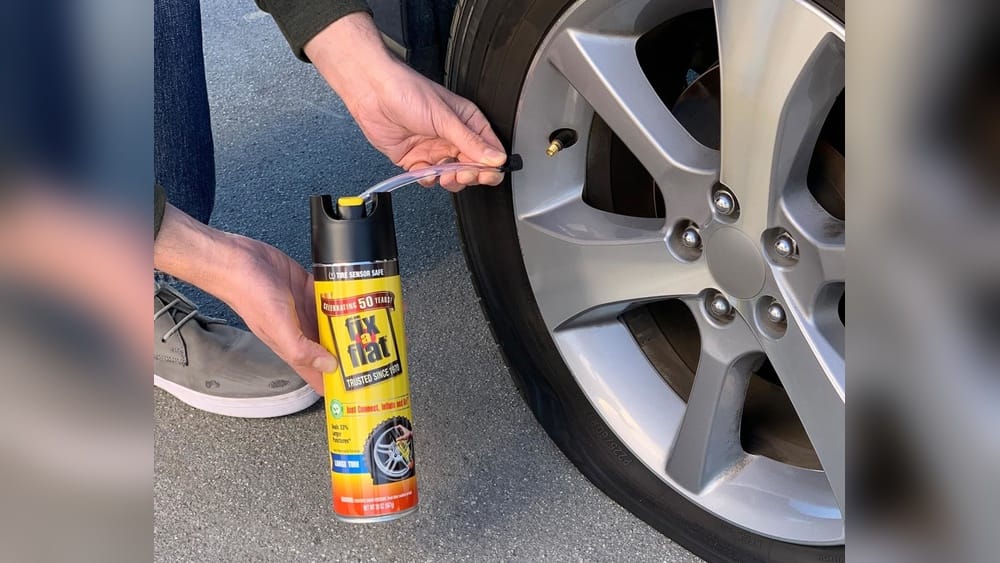
Car Tire Sensor Not Working? How to Diagnose And Fix It
Car Tire Sensor Not Working? How to Diagnose And Fix It
A sudden dashboard warning or persistent tire pressure error can quickly turn your drive into an anxiety-inducing experience. The culprit is often a malfunctioning car tire sensor, officially known as the Tire Pressure Monitoring System (TPMS). This technology is essential for both safety and performance, alerting drivers to underinflated or overinflated tires that can increase accident risk, reduce fuel efficiency, and wear out tires prematurely. Despite their importance, TPMS sensors are prone to issues, leaving many drivers with confusing alerts and uncertain next steps.
Addressing a faulty tire sensor isn’t just about silencing dashboard warnings—it’s about restoring your vehicle’s safety standards. This comprehensive guide dives deep into the causes, diagnosis, and solutions for TPMS sensor failures. Whether you drive a modern vehicle equipped with direct TPMS or an older model with indirect systems, you’ll learn step-by-step troubleshooting techniques, repair strategies, and tips for preventing future failures.
Real-world examples, comparison tables, and actionable advice ensure you’re equipped to handle sensor problems efficiently and confidently.
Key Takeaways
- TPMS sensors are crucial for maintaining tire safety and vehicle performance.
- Common causes of sensor failure include battery depletion, physical damage, and electronic interference.
- Diagnosing sensor issues requires a systematic approach, including visual inspection and specialized tools.
- Fixing a tire sensor may involve resetting, recalibration, replacement, or professional servicing.
- Preventive maintenance and regular checks can significantly extend sensor lifespan.
- Understanding the difference between direct and indirect TPMS is vital for effective troubleshooting.

Credit: www.autozone.com
Understanding Car Tire Sensors (tpms)
Car tire sensors, or TPMS, have become mandatory in many countries, including the US, since 2007. These sensors monitor tire pressure in real time and alert the driver to potential issues. Understanding how TPMS works is the foundation for diagnosing and fixing sensor problems.
Types Of Tpms
There are two main types of TPMS:
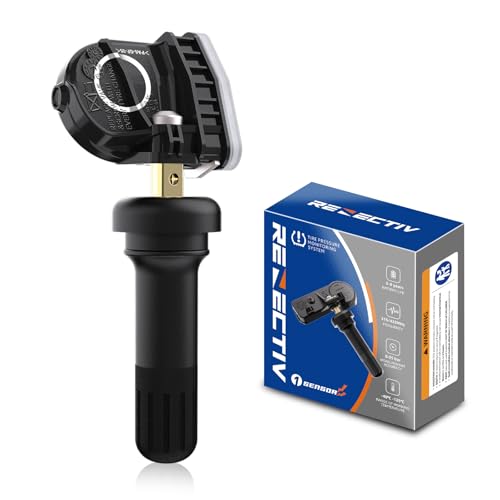
- Direct TPMS: Uses battery-powered sensors mounted inside each wheel to measure actual air pressure.
- Indirect TPMS: Uses the vehicle’s ABS wheel speed sensors to infer tire pressure based on rotational speed differences.
| Feature | Direct TPMS | Indirect TPMS |
|---|---|---|
| Accuracy | High (measures actual pressure) | Moderate (estimates pressure) |
| Maintenance | Needs battery replacement | Requires recalibration |
| Cost | Higher (sensor replacement) | Lower (uses existing sensors) |
| Common Issues | Battery failure, sensor damage | Calibration error, false alerts |
Additional Considerations
Direct TPMS is generally considered more reliable because it measures actual air pressure, offering more immediate and accurate alerts. This is especially critical for vehicles carrying heavy loads or operating in variable climates. Indirect TPMS, while less costly, can be thrown off by uneven tire wear or differences in tire size, sometimes resulting in inaccurate readings after tire replacements or repairs.
How Tpms Works
Direct TPMS sensors transmit data via radio frequency (RF) signals to the vehicle’s onboard computer. The system constantly monitors pressure and can detect rapid drops, such as those caused by punctures or blowouts, in real time. Some advanced systems even display the actual pressure of each tire on the dashboard, helping drivers identify which tire needs attention.
Indirect TPMS systems, in contrast, rely on algorithms that monitor the rotational speed of each wheel. When a tire loses pressure, its circumference decreases, causing it to spin faster than the others. The ABS or ESC module interprets this discrepancy as a potential underinflation and triggers a warning. However, indirect systems can sometimes be confused by uneven loading, worn tires, or mismatched tires, requiring more frequent recalibration.
Why Tpms Matters
Proper tire pressure reduces the risk of blowouts, improves handling, and maximizes fuel efficiency. According to the National Highway Traffic Safety Administration (NHTSA), underinflated tires contribute to over 11,000 tire-related crashes annually in the US (NHTSA).
Incorrect tire pressure also affects braking distance, vehicle stability, and cornering ability. Especially in emergency situations, the difference of just a few PSI can mean the difference between a near miss and a collision. Additionally, TPMS helps reduce carbon emissions by maintaining optimal tire inflation, supporting broader environmental goals.
Common Causes Of Tire Sensor Failure
Understanding what causes TPMS sensors to malfunction is critical for effective troubleshooting. Several factors can trigger sensor failures, ranging from environmental conditions to component wear.
Battery Depletion
TPMS sensors rely on built-in batteries, typically lasting 5-10 years. Once depleted, the sensor stops transmitting data, resulting in persistent warning lights. Notably, sensor batteries are usually sealed and not user-replaceable, which means the entire sensor must often be replaced. In climates with extreme hot or cold temperatures, battery life may be shortened due to increased internal resistance or chemical degradation.
- Symptoms: Intermittent or permanent TPMS warning, especially after several years of use.
- Solution: Replace the sensor or battery (if user-replaceable).
Physical Damage
Sensors are vulnerable to road debris, curb impacts, or improper tire servicing. Even something as simple as a tire technician using excessive force during mounting or demounting can crack the sensor housing or dislodge it from its position. Off-road driving or driving over pothole-riddled urban streets increases the risk of impact-related sensor damage.
- Symptoms: Sensor error after tire change, hitting a pothole, or following off-road driving.
- Solution: Inspect and replace damaged sensor.
Electronic Interference
Wireless devices or electromagnetic fields can disrupt sensor signals, especially in urban environments or near powerful electronic equipment. For example, parking garages with dense RF traffic, areas near radio towers, or even certain aftermarket electronics can overwhelm sensor transmissions.
- Symptoms: TPMS warning near certain locations, clears elsewhere; intermittent alerts.
- Solution: Move vehicle or shield sensors from interference sources; if persistent, consult a professional to check for electronic compatibility issues.
Corrosion And Water Ingress
Moisture, salt, and road chemicals corrode sensor housings and air valve stems, leading to sensor failure. Vehicles in coastal or snowy regions are particularly susceptible, as salt accelerates oxidation and corrosion.
- Symptoms: Slow leak, sensor error during wet weather, visible rust or pitting on valve stems.
- Solution: Clean or replace corroded components; use corrosion-resistant valve stem caps and periodic maintenance.
Sensor Displacement Or Installation Error
Improper installation during tire rotation or replacement can dislodge sensors, preventing them from functioning correctly. This is common when sensors are not properly torqued or aligned, or when universal sensors are not correctly programmed.
- Symptoms: Sensor not detected after tire service; frequent warnings post-servicing.
- Solution: Reinstall or recalibrate sensor; ensure technicians are familiar with your vehicle’s TPMS system.
Software Or Calibration Issues
TPMS systems require periodic calibration, especially after tire changes. Indirect systems are especially sensitive to improper tire sizes, uneven wear, or rotation patterns.
- Symptoms: Warning after tire rotation, replacement, or use of non-OEM tires.
- Solution: Perform system recalibration as per the vehicle’s manual; update TPMS software if available.
Environmental Factors And Aging
Over time, exposure to UV light, ozone, and varying temperatures can degrade the plastic and rubber components of TPMS sensors. Additionally, aging sensors may develop small leaks around the seal, further compounding pressure issues.
- Symptoms: Unexplained, gradual loss of pressure; sensor errors in extreme weather.
- Solution: Inspect sensor integrity during regular tire maintenance and replace aging units proactively.

Credit: www.ajc.com
How To Diagnose A Faulty Tire Sensor
Diagnosing a TPMS sensor issue involves a systematic process. Identifying the root cause saves time and money, preventing unnecessary replacements.
Step 1: Visual Inspection
Begin with a thorough visual inspection:
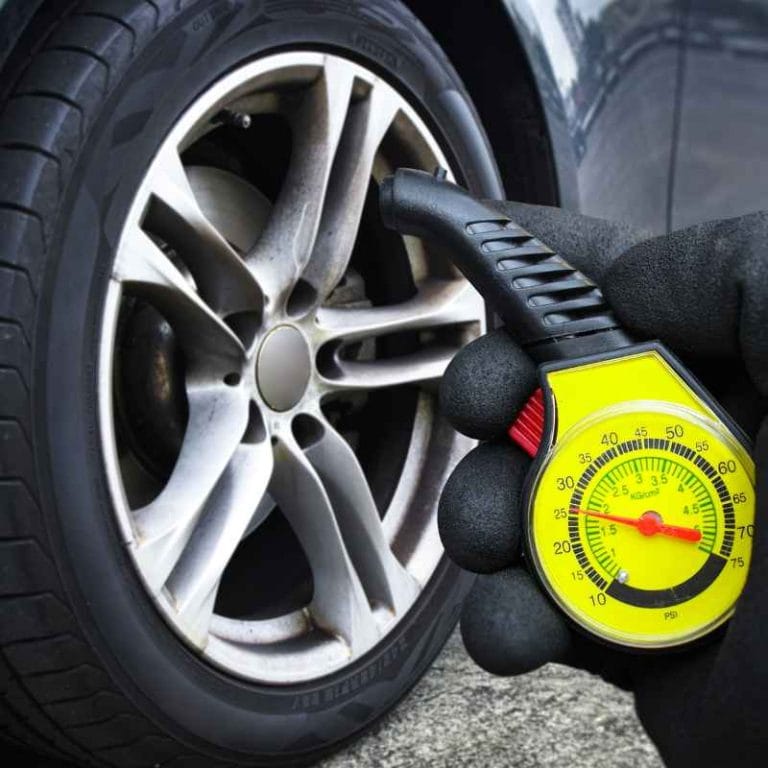
- Check tire pressure manually using a gauge to confirm or refute the dashboard alert.
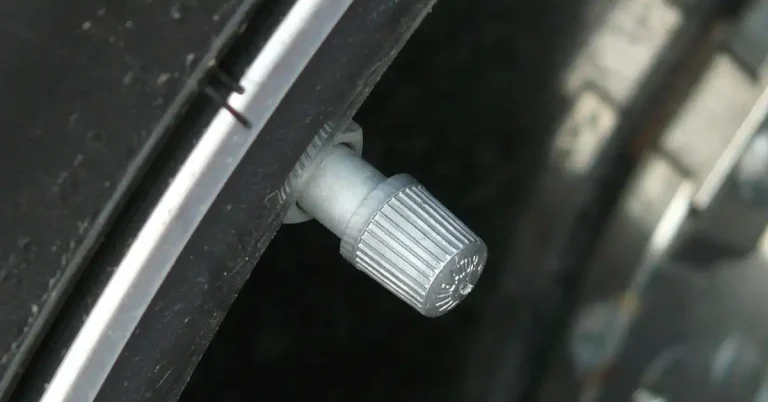
- Inspect valve stems for corrosion, cracks, or damage. Look for missing or loose valve stem caps, which can allow dirt and moisture to enter.
- Look for physical sensor damage inside the wheel, such as cracked housings, loose sensors, or evidence of recent impacts.
A careful inspection can often reveal corrosion, physical displacement, or visible cracks that point directly to the problem.
Step 2: Check Dashboard Alerts
Modern vehicles provide detailed TPMS error codes on the dashboard or infotainment display. Some systems even indicate which tire is affected. Note whether the alert is for a specific tire or a system-wide failure, as the latter may indicate a receiver or wiring issue rather than a single sensor.
- Tip: Record the exact wording or code of the warning message, as this can help identify the issue when consulting manuals or professionals.
Step 3: Use A Tpms Diagnostic Tool
TPMS scan tools are available at auto shops and online. These tools can:
- Read sensor IDs and battery status
- Detect signal strength and communication errors
- Identify which sensor is malfunctioning
- In some cases, display the last transmission time, which helps diagnose intermittent issues
| Diagnostic Tool | Function | Cost Range |
|---|---|---|
| Handheld TPMS Scanner | Reads sensor status, battery life, and ID | $50-$150 |
| OBD-II Scanner | Displays error codes and some sensor data | $20-$100 |
| Professional TPMS Analyzer | Advanced diagnostics, reprogramming, and activation | $200-$500 |
Step 4: Cross-check Tire Pressure
Compare sensor readings with manual measurements. If sensor and gauge readings differ significantly, the sensor is likely faulty or the system is out of calibration. This step is crucial in distinguishing between an actual tire leak and a sensor error.
Step 5: Test Wireless Signal
If equipped, use a wireless signal tester to check for sensor transmission. Weak or absent signals confirm sensor failure. Some advanced TPMS tools can even “wake up” dormant sensors, which is useful if the sensor is in sleep mode after prolonged inactivity.
Step 6: Review Recent Tire Service
Sensor issues often arise after tire changes, rotations, or repairs. Check service records and confirm correct installation, sensor programming, and recalibration procedures were followed.
Real-world Example: Diagnosing Tpms Failure
A 2017 Toyota Camry owner noticed a TPMS warning after tire rotation. Manual pressure check showed all tires were properly inflated. A TPMS scan tool revealed one sensor was not transmitting—likely due to accidental dislodgement during service. Reinstalling the sensor resolved the issue.
Another case involved a 2016 Mazda CX-5 that displayed a persistent TPMS warning after new tires were installed at a third-party shop. Inspection showed that two sensors were swapped between wheels, and the system required reprogramming to match the new sensor locations. After recalibration, the warning light was cleared.
Step-by-step Guide To Fixing A Tire Sensor
Once you’ve diagnosed the problem, fixing a TPMS sensor depends on the nature of the failure. Some solutions are DIY-friendly, while others require professional help.
Resetting The Tpms System
Many vehicles allow TPMS reset via dashboard controls or a dedicated button.
To reset:
- Inflate all tires to the recommended pressure as listed in your owner’s manual or door jamb placard.
- Turn the ignition on (without starting the engine).
- Locate and press the TPMS reset button (often under the steering wheel or in the glove box).
- Hold for 3-5 seconds until the warning light blinks or goes off.
- Drive for 10-20 minutes at speeds above 20 mph to allow the system to recalibrate.
Note: Some vehicles require more complex reset procedures, including using special scan tools or following a sequence involving turning the ignition on and off. Always consult your owner’s manual for model-specific instructions.
Recalibrating Indirect Tpms
Indirect systems require recalibration after tire rotation or replacement.
To recalibrate:
- Inflate all tires to the recommended pressure.
- Use vehicle controls, often found in the vehicle’s settings menu, to start the calibration process.
- Drive as instructed by the manual—some systems require you to maintain a certain speed or drive for a specific distance.
Tip: After recalibration, pay attention to any subsequent warnings, as they may indicate ongoing issues with tire balance or wear.
Replacing A Faulty Sensor
If the sensor is damaged or battery-dead, replacement is necessary.
Replacement steps:
- Remove the wheel and tire from the vehicle.
- Carefully detach the sensor from the valve stem, often requiring special tools to avoid damaging the wheel.
- Install a new sensor, ensuring proper alignment and torque specifications.
- Reinstall the tire and wheel, making sure to rebalance the assembly.
- Program the sensor to the vehicle’s TPMS system using a diagnostic tool or following manufacturer instructions.
Tip: Always use compatible sensors for your vehicle make and model. Some aftermarket sensors are programmable and can be configured to mimic OEM sensors, but incorrect programming can lead to persistent errors.
Addressing Corrosion
Corroded valve stems or sensor housings can cause leaks and sensor failure.
To fix:
- Remove affected components and inspect for pitting, rust, or other damage.
- Clean using a wire brush and corrosion inhibitor, such as a light application of anti-seize compound.
- Replace parts if corrosion is severe, especially if the valve core is compromised.
Preventive Tip: Use high-quality valve stem caps and avoid contact with corrosive chemicals.
Professional Servicing
Complex issues or persistent errors may require professional help. Certified technicians have specialized tools for advanced diagnostics and repairs.
When to seek professional help:
- Persistent TPMS warning after DIY fixes
- Multiple sensor failures or system-wide TPMS malfunctions
- Vehicles requiring advanced programming tools, such as high-end European or luxury models
Professionals can also check the TPMS receiver module, wiring harness, and perform software updates that may not be accessible to DIYers.
Case Study: Sensor Battery Replacement
A 2014 Honda Accord began showing intermittent TPMS warnings. Diagnostic scanning revealed low battery voltage on one sensor. The owner opted for professional replacement at a cost of $85, restoring full TPMS functionality.
In another scenario, a 2011 Toyota RAV4 owner noticed that all sensors began failing within a few months of each other after nearly a decade of use. The shop recommended replacing all sensors simultaneously to avoid repeated visits, which proved cost-effective and restored the system to like-new reliability.
Preventive Maintenance And Best Practices
Preventing TPMS sensor failure is easier and less costly than fixing it. Regular maintenance and proper handling extend sensor lifespan and reliability.
Regular Tire Pressure Checks
Check tire pressure monthly, even with TPMS. Manual checks can catch issues before sensors fail. Using a high-quality, calibrated tire gauge ensures accuracy. Check pressures when tires are cold for the most reliable readings.
Avoid Physical Damage
Be cautious during tire servicing. Inform technicians about TPMS sensors to prevent accidental damage. If you perform your own tire rotations or seasonal wheel swaps, familiarize yourself with sensor locations and handling instructions.
Protect Against Corrosion
- Use valve stem caps to block moisture and salt.
- Clean valve stems regularly, especially in winter or after exposure to road chemicals.
- Consider using anti-corrosion sprays designed for aluminum parts, but ensure compatibility with TPMS components.
Timely Battery Replacement
TPMS sensors typically last 5-10 years. Replace sensors proactively if your vehicle is approaching this age range. Some manufacturers recommend sensor replacement with every second set of new tires, especially if mileage is high.
Update Tpms Software
Some vehicles require software updates for TPMS calibration. Check manufacturer recommendations, especially after system repairs or tire size changes. Staying current with updates can improve sensor compatibility and reduce false alerts.
Real-world Example: Preventive Tpms Care
A 2019 Ford F-150 owner regularly checks tire pressure and cleans valve stems. After 60,000 miles, all sensors remain functional, preventing downtime and repair costs.
Similarly, a fleet operator managing delivery vans implemented a policy of monthly tire inspections and annual TPMS checks. As a result, sensor-related downtime dropped by over 70%, and premature tire replacements were virtually eliminated.
Tpms Maintenance Checklist
- Monthly manual pressure check
- Annual sensor inspection
- Clean valve stems every 6 months
- Replace sensors every 5-10 years
- Document sensor replacements and calibrations for warranty and resale purposes
Comparing Tpms Solutions: Oem Vs Aftermarket Sensors
When replacing TPMS sensors, owners face a choice between OEM (Original Equipment Manufacturer) and aftermarket products. Each option has distinct advantages.
| Feature | OEM TPMS Sensors | Aftermarket TPMS Sensors |
|---|---|---|
| Compatibility | Guaranteed fit and function | May require programming or adapter kits |
| Warranty | Typically 1-2 years (sometimes longer) | Varies (often shorter, but some offer lifetime) |
| Cost | $50-$120 per sensor | $30-$70 per sensor |
| Reliability | High, factory-tested | Variable, dependent on brand and installation quality |
| Availability | Dealerships and authorized service centers | Auto parts stores, online retailers |
Oem Sensors
- Designed specifically for your vehicle, ensuring seamless integration and minimal programming needs.
- Easier installation and programming, often requiring only a simple relearn process.
- Higher cost but greater reliability and warranty support.
- May be required to maintain manufacturer warranty or lease agreements.
Aftermarket Sensors
- Lower cost, especially when replacing multiple sensors at once.
- May require additional programming, specialized tools, or adapter kits to work correctly.
- Variable quality—choose reputable brands with good reviews and clear vehicle compatibility charts.
- Some universal sensors can be programmed to mimic OEM signals, offering a balance of cost and compatibility.
Tip: Research compatibility and customer reviews before purchasing aftermarket sensors. When in doubt, consult with your mechanic or the sensor manufacturer for compatibility support.
Real-world Examples And Case Studies
Examining real-world examples helps illustrate the challenges and solutions for TPMS sensor issues.
Example 1: Urban Interference
A 2020 Nissan Altima owner experienced TPMS warnings only when parking near a major broadcasting tower. Diagnosis revealed electromagnetic interference affecting sensor signals. Parking elsewhere resolved the issue, highlighting the impact of environmental RF noise on sensor reliability.
Example 2: Tire Service Error
After a tire change at a local shop, a 2018 Subaru Outback displayed a TPMS alert. Inspection showed a sensor was incorrectly installed—specifically, it was mounted upside down, preventing proper signal transmission. Proper reinstallation and recalibration cleared the warning, emphasizing the importance of technician experience.
Example 3: Corrosion-induced Failure
A 2015 Chevrolet Silverado owner noticed slow tire leaks and TPMS errors during winter. Inspection revealed severe corrosion of valve stems. Replacing corroded components and sensors restored functionality, and anti-corrosion valve caps were added as a preventive measure.
Example 4: Battery Life Exceeded
A 2012 BMW 3 Series hit 110,000 miles and began showing TPMS errors. Sensor batteries had reached end-of-life. Replacing all four sensors eliminated warnings, and the owner opted for a reputable aftermarket brand, saving money without sacrificing reliability.
Example 5: False Alerts Due To Tire Mismatch
A 2016 Honda Pilot owner installed non-OEM tire sizes, resulting in frequent indirect TPMS alerts. After switching back to recommended sizes and recalibrating the system, the issue resolved, underscoring the importance of using manufacturer-specified tires.
When To Seek Professional Help
While many TPMS issues are DIY-friendly, some situations call for expert intervention.
Persistent System-wide Errors
If multiple sensors fail simultaneously, the issue may be with the vehicle’s TPMS receiver, antenna, or wiring harness. Diagnosing electronic faults often requires specialized equipment and advanced knowledge.
Programming And Calibration Complexity
Modern vehicles often require specialized tools for sensor programming. Incorrect programming can lead to system-wide malfunctions, repeated warning lights, or even loss of other vehicle functions.
Warranty And Insurance Considerations
Professional repairs may be required to maintain warranty coverage or fulfill insurance requirements. Always keep records of TPMS repairs and replacements to document compliance.
Advanced Diagnostics
Certified technicians can perform advanced diagnostics, including:
- Signal spectrum analysis to identify RF interference or module failure
- Receiver testing to ensure proper sensor data reception
- System software updates to address known bugs or compatibility issues
Tip: Choose reputable service centers with TPMS expertise for complex repairs. Ask if they have the latest diagnostic equipment and experience with your vehicle make.
The Impact Of Tpms On Safety And Performance
TPMS sensors play a pivotal role in vehicle safety and efficiency. Ignoring sensor warnings can have serious consequences.
Accident Prevention
According to the National Transportation Safety Board (NTSB), TPMS-equipped vehicles are 30% less likely to experience tire-related accidents (NTSB). Early alerts give drivers the chance to correct pressure before a dangerous blowout or loss of control occurs.
Fuel Efficiency
Proper tire pressure improves fuel economy by up to 3%. Underinflated tires increase rolling resistance, causing higher fuel consumption. Over tens of thousands of miles, this can add up to hundreds of dollars in extra fuel costs.
Tire Longevity
Maintaining correct pressure extends tire lifespan by 20-30%, reducing replacement costs and environmental waste. Underinflated tires wear more on the shoulders, while overinflated tires wear out the center tread more quickly.
Legal Compliance
Since 2007, US law mandates TPMS in new vehicles. Ignoring sensor issues may result in failed inspections or legal penalties (Wikipedia). In some regions, vehicles with inoperative TPMS cannot pass annual safety inspections.
Environmental Benefits
Properly inflated tires reduce rolling resistance, which lowers emissions and fuel consumption. This supports cleaner air and contributes to meeting environmental standards.
Emerging Trends In Tpms Technology
TPMS technology continues to evolve, offering improved reliability and convenience.
Bluetooth And Smartphone Integration
Newer sensors connect directly to smartphones, providing real-time data and alerts. Brands like Continental and VDO offer Bluetooth-enabled TPMS (Continental Tires). Apps can display detailed pressure and temperature data and allow users to track historical trends.
Intelligent Tpms
Some systems integrate with vehicle ADAS (Advanced Driver Assistance Systems) for enhanced safety. These intelligent TPMS can communicate with traction control and stability systems to adjust vehicle behavior in the event of pressure loss.
Solar-powered Sensors
Solar-powered sensors eliminate battery depletion issues, extending lifespan and reducing maintenance. These are especially popular in aftermarket external TPMS kits for trailers, RVs, and motorcycles.
Global Adoption
TPMS adoption is expanding worldwide, with regulations in Europe, Asia, and North America (UNECE Regulation). As more regions require TPMS on new vehicles, sensor technology will continue to improve in terms of durability and ease of integration.
Data Integration And Predictive Maintenance
Fleet operators and tech-savvy consumers are using cloud-based TPMS platforms to monitor entire fleets, receive alerts, and predict failures before they happen, reducing downtime and improving safety.
Frequently Asked Questions
What Does The Tpms Warning Light Mean?
The TPMS warning light indicates that one or more tires are underinflated or that the system has detected a sensor malfunction. It’s important to check tire pressure immediately and address any issues, as driving with underinflated tires is unsafe and may damage your tires. In some vehicles, a blinking TPMS light indicates a system fault, while a steady light indicates low pressure.
Can I Drive With A Faulty Tire Sensor?
Driving with a faulty tire sensor is not recommended. Without accurate tire pressure monitoring, you risk reduced safety, poor fuel efficiency, and premature tire wear. While the vehicle will still operate, it’s best to fix the sensor promptly to ensure you’re alerted to real pressure losses.
How Much Does It Cost To Replace A Tpms Sensor?
TPMS sensor replacement costs vary by vehicle and sensor type. OEM sensors typically cost $50–$120 each, while aftermarket sensors range from $30–$70. Professional installation may add $20–$50 per sensor. It’s advisable to replace sensors in pairs or sets for consistent performance and to reduce future labor costs.
Can Tpms Sensors Be Reset Without Special Tools?
Some vehicles allow TPMS reset via dashboard controls or a reset button. However, many modern vehicles require a TPMS scan tool or OBD-II device for sensor programming and calibration. Consult your owner’s manual for instructions specific to your model, as procedures vary widely.
How Long Do Tpms Sensors Last?
Most TPMS sensors last 5–10 years, depending on battery life and operating conditions. Regular maintenance and careful tire handling can extend sensor lifespan. Replace sensors proactively as your vehicle ages to prevent unexpected failures, especially before long road trips.
Car tire sensors are a critical component of modern vehicle safety and performance. Diagnosing and fixing TPMS issues quickly not only resolves dashboard warnings but also ensures optimal tire health, fuel efficiency, and accident prevention. By understanding sensor types, common failure causes, and repair strategies, drivers can confidently maintain their vehicles and avoid costly breakdowns.
As TPMS technology advances, proactive maintenance and timely repairs remain the cornerstone of safe and efficient driving.
Products related to this article
Sponsored / affiliate links. As an Amazon Associate I earn from qualifying purchases. I may earn additional commission from eligible campaigns.