Do Tires Expire If Not Used? What Every Driver Must Know
Every driver knows the vital role tires play in road safety, vehicle performance, and overall driving comfort. Yet, one crucial question often lingers in the minds of car owners, fleet managers, and even automotive enthusiasts: Do tires expire if not used? It’s tempting to think that a tire kept in perfect storage is as good as new years later, but the reality is more complex—and potentially more dangerous—than most realize. Understanding tire aging is not just about extending their life; it’s a matter of safety and cost-efficiency.
The consequences of ignoring tire age can be severe. From catastrophic blowouts on the highway to subtle loss of traction in wet conditions, the risks increase as tires age, even if they haven’t touched the pavement. This article explores the science behind tire degradation, breaks down the factors that influence tire lifespan, and provides actionable guidance so every driver can make informed decisions and avoid costly or hazardous mistakes.
Dive in to learn what every driver must know about tire expiration—and why the answer isn’t as simple as a date on the sidewall.
Key Takeaways
- Tires can expire even if never used, due to chemical aging and environmental exposure.
- Most major manufacturers recommend replacing tires every 6-10 years, regardless of tread depth.
- Storage conditions, climate, and material quality significantly affect how long unused tires remain safe.
- Visual inspections and date code checks are essential for assessing tire age.
- Driving on expired tires increases the risk of blowouts, poor handling, and accidents.
- Proper storage and regular checks can extend tire life, but not indefinitely.

Credit: keynnectlogistics.com
How Tire Aging Works: The Science Behind Tire Expiration
Tires are complex products engineered for durability and safety, but they are not immune to the effects of time. To understand tire expiration, it’s crucial to grasp the underlying chemical and physical processes that occur—even when a tire is never mounted or driven.
Chemical Breakdown Of Rubber Compounds
Tires are primarily made of synthetic and natural rubber, combined with additives like carbon black, silica, antioxidants, and curing agents. Over time, these compounds undergo oxidation and ozone exposure, leading to:
- Hardening and cracking of the rubber surface as the volatile oils and plasticizers slowly evaporate or break down.
- Loss of elasticity, which reduces grip and increases brittleness, making the tire less able to deform and grip the road during acceleration, braking, and cornering.
- Degradation of internal structure, as the steel belts, fabric plies, and bead wires may also corrode or weaken, making blowouts or tread separations more likely.
Even tires stored in apparently pristine conditions are still undergoing these chemical changes at a molecular level. The process can be accelerated by exposure to oxygen and ozone, which are both present in the air and can permeate the rubber over time.
The Role Of Antioxidants And Anti-ozonants
To delay aging, manufacturers add antioxidants and anti-ozonants to tire compounds. These chemicals form a protective barrier, but their effectiveness diminishes over the years—regardless of whether the tire is in use.
- Antioxidants help slow the reaction between oxygen and rubber, but as they are consumed, the rubber becomes more vulnerable to oxidation.
- Anti-ozonants are especially critical in protecting tires from ozone in the air, which causes fine cracks (ozone cracking) to develop on surfaces. This protection is temporary and less effective as time goes on.
Eventually, these protective additives migrate to the surface and are depleted, leaving the rubber exposed to the full impact of environmental stressors.
Uv And Environmental Exposure
Even unused tires can be affected by UV radiation, ozone, fluctuating temperatures, and humidity. Small cracks known as “ozone cracking” can develop on the sidewall and tread, signaling underlying deterioration.
- Sunlight is particularly damaging due to its UV content, which breaks down the molecular bonds in rubber and causes discoloration, brittleness, and surface checking.
- Temperature extremes—both hot and cold—can cause expansion and contraction that accelerates cracking, especially at the molecular level where the tire’s flexibility is compromised.
Even tires stored indoors can be exposed to ozone from electrical equipment, such as furnaces or motors, which release ozone as a byproduct.
Real-world Example: The Spare Tire Dilemma
Consider the spare tire tucked away in your trunk or under your SUV. It may never touch the road, but after 6-10 years, its material integrity is compromised. This is why experts advise inspecting and possibly replacing spares, even if they appear “brand new.
” Many drivers have experienced the shock of a spare tire failure during an emergency, only to discover that the tire had aged out of safety despite perfect tread.
What The Data Shows
A study published by the National Highway Traffic Safety Administration (NHTSA) found that the risk of tread separation and blowouts increases significantly after tires reach six years of age, regardless of usage (NHTSA). Laboratory testing and crash data confirm that a tire’s performance characteristics—traction, flexibility, structural integrity—degrade steadily with age.
Furthermore, the Rubber Manufacturers Association (now USTMA) has corroborated these findings, emphasizing that the reduction in tire performance over time is not always detectable through visual inspection alone.
Manufacturer Guidelines And Industry Standards
Tire manufacturers and safety organizations offer specific recommendations regarding tire lifespan, but these guidelines can vary slightly. Understanding these standards is critical for safe driving.
Major Manufacturer Recommendations
| Manufacturer | Max Recommended Age (Years) | Official Source |
|---|---|---|
| Michelin | 10 | Michelin |
| Bridgestone | 10 | Bridgestone |
| Continental | 10 | Continental |
| Goodyear | 6 | Goodyear |
| NHTSA (US Gov) | 6-10 | NHTSA |
What Industry Standards Say
- The British Tyre Manufacturers’ Association and the Japan Automobile Tire Manufacturers Association both recommend replacing tires every 10 years at the latest, and inspecting closely after 5 years.
- The NHTSA recommends not using tires older than six years in most situations, especially for high-speed or high-load vehicles.
- The German Federal Motor Transport Authority (KBA) also aligns with a 6-10 year window and urges regular inspections after five years.
Why These Recommendations Exist
The data behind these guidelines is based on laboratory testing, real-world accident reports, and material science research. The consensus is clear: Tire age matters even more than tread depth when it comes to safety. A tire with full tread but advanced age may be more dangerous than a newer tire with moderate wear.
Manufacturers base these limits on the degradation rate of the tire’s structural and chemical composition, not just on visual cues or physical wear. They take into account the gradual but inevitable breakdown of protective additives, as well as the unpredictable effects of storage environments and climate.
Tires In Storage Vs. In Use
Even when stored in climate-controlled warehouses, tires begin the slow process of aging the moment they are manufactured. Usage can accelerate wear, but time alone is enough to compromise safety.
- Shelf life is not the same as service life. A tire that’s never been mounted can be unsafe after years in storage, while one in constant use may wear out its tread first but still be chemically fresher if newer.
- Fleet operators and retailers often rotate stock to ensure that tires do not sit for too long before sale or installation.
Case Study: 8-year-old Unused Tires
A 2014 case in Florida involved a fatal accident when a vehicle’s 8-year-old spare tire, never previously used, suffered a catastrophic tread separation on the highway. The investigation found no visible signs of damage, highlighting the invisible risks of aged rubber (Wikipedia). This tragedy underscores the importance of following not only tread depth but also age-based replacement intervals.

Credit: www.findlaycadillac.com
Factors Affecting Unused Tire Longevity
Not all tires age at the same rate. Several environmental and manufacturing factors can accelerate or slow down the aging process—even if the tire is never driven.
Storage Conditions
Proper storage can significantly extend the usable life of a tire:
- Cool, dry, and dark environments slow aging. Ideally, tires should be stored at temperatures between 10°C and 25°C (50°F and 77°F).
- Exposure to heat, sunlight, and ozone accelerates chemical breakdown. Sunlit garages, sheds, or outdoor areas are poor choices for long-term storage.
- Stacking tires improperly can cause deformation. Prolonged pressure flattens the lower sidewalls and can result in permanent out-of-roundness, negatively affecting ride quality and safety.
Additionally, the presence of solvents, gasoline, or even cleaning chemicals in the storage area can accelerate rubber degradation.
Climate And Geography
- Hot climates (e.g., Arizona, Texas, Middle East) age tires faster due to higher ambient temperatures. Consistent heat speeds up the breakdown of rubber compounds and accelerates loss of flexibility.
- Coastal regions with high humidity and salt air also accelerate degradation. Salt can increase the rate at which steel belts inside the tire corrode.
- Rural vs. urban storage: Urban environments often have more ozone pollution, a known rubber degrader, thanks to higher concentrations of industrial activity and vehicle emissions.
Tire Compound And Quality
- High-performance tires with softer compounds may age faster than harder, all-season varieties. The extra grip comes at the cost of shorter chemical lifespan.
- Premium brands often use advanced anti-aging additives, but no tire is immune to time. Even the best-engineered tires will eventually lose their protective chemistry.
- Some specialty tires, such as run-flats or ultra-high-performance variants, may have different aging profiles due to their unique construction and materials.
Manufacturing Date
The DOT code stamped on every tire’s sidewall provides the week and year of manufacture. For example, a code ending in “4019” means the tire was made in the 40th week of 2019.
- Always check the DOT code when purchasing new or used tires, especially from online sources or smaller retailers where stock rotation may not be as frequent.
Real-world Example: Climate-controlled Warehouse Storage
Tires stored for five years in a climate-controlled warehouse were found to be in better condition than identical tires kept in a hot, sunlit shed for the same period. However, both sets exhibited signs of aging beyond the six-year mark, reinforcing the inevitability of expiration.
Some tire retailers offer to show customers the storage area or explain their stock rotation practices, giving added peace of mind when purchasing.
Table: Storage Condition Impact On Tire Longevity
| Storage Condition | Expected Max Safe Age | Notes |
|---|---|---|
| Climate-controlled, dark, upright | 8-10 years | Minimal ozone, UV, and heat exposure |
| Garage, moderate climate | 6-8 years | Some temperature fluctuation |
| Outdoor, direct sunlight | 3-5 years | Rapid degradation from UV and ozone |
| High humidity, near chemicals | 3-5 years | Accelerated by ozone and solvents |

Credit: www.chemicalguys.com
Risks Of Using Expired Or Aged Tires
Operating a vehicle with expired or aged tires—even if they look brand new—poses significant safety risks. These risks are not always visible, making them especially dangerous.
Tread Separation And Blowouts
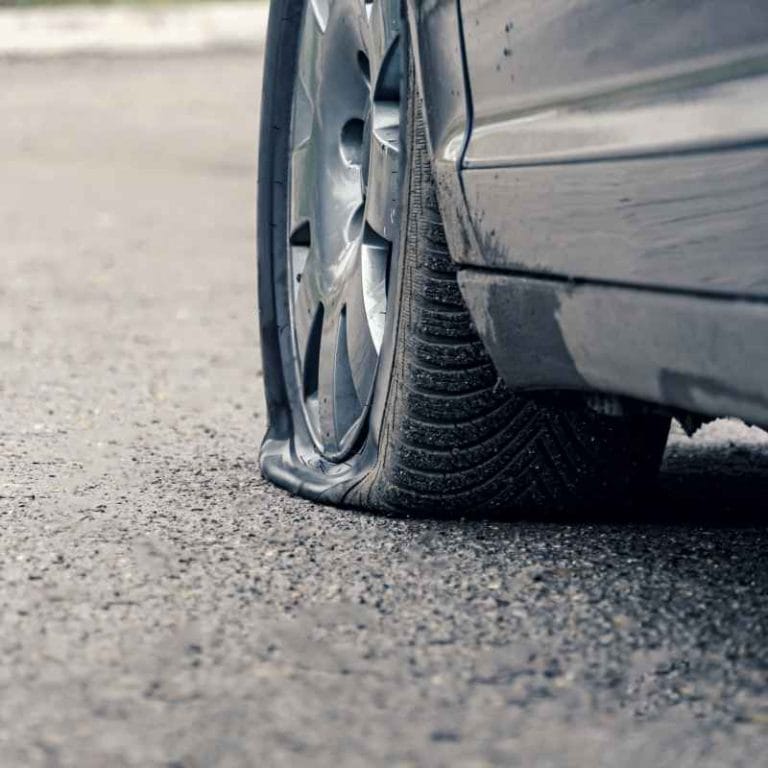
Tread separation is the most severe risk associated with aged tires. The bond between the tread and the casing deteriorates over time, leading to sudden, catastrophic failures—often at highway speeds.
- According to the NHTSA, tread separation is a leading cause of tire-related accidents in the US, resulting in hundreds of injuries and fatalities each year.
- The problem is especially acute in warm weather and at high speeds, where the stresses on the tire are greatest.
Loss Of Traction And Handling
Aged rubber loses its flexibility and grip, especially in wet or cold conditions. Even with full tread depth, traction can be dangerously compromised, increasing stopping distances and the risk of hydroplaning.
- Loss of grip can be subtle, manifesting as longer braking distances, less responsive steering, and a “hard” ride quality that reduces comfort and control.
- In emergency maneuvers, such as swerving to avoid a hazard, aged tires can fail to deform as needed, increasing the chance of skidding or rollover.
Increased Risk For Vulnerable Vehicles
- SUVs and vans are more prone to rollover accidents if a tire fails. The higher center of gravity amplifies the impact of sudden tire loss.
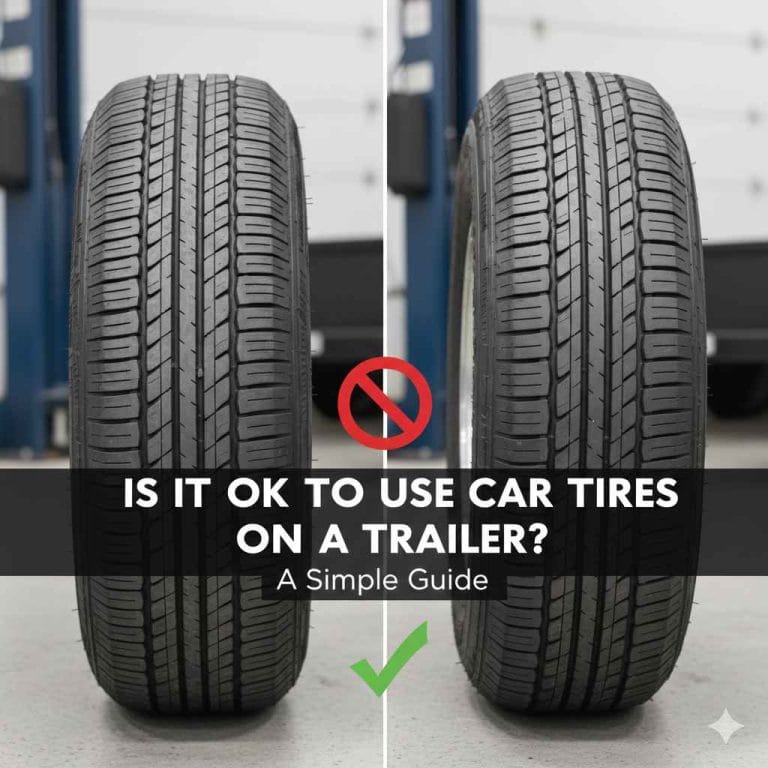
- RV and trailer tires, which often sit unused for months, are at particular risk for age-related blowouts. Due to infrequent use, these tires may not show obvious wear but still be chemically compromised.
- Classic and collector cars often have very low mileage but may be driven occasionally at higher speeds, compounding the risk if tires are aged.
Insurance And Legal Liability
Driving on expired tires may impact insurance claims after an accident. Some insurers may deny coverage if tires are found to be past their manufacturer-recommended lifespan.
- Legal liability may extend to commercial fleets and rental companies, which can face lawsuits or regulatory penalties if they fail to maintain tire safety standards.
Real-world Example: Rv Tire Failures
A 2020 survey by the Recreational Vehicle Industry Association revealed that 28% of RV tire blowouts occurred on tires more than six years old, despite appearing unused and having adequate tread. Many RV owners reported skipping recommended replacement due to low mileage, not realizing the true risk.
Table: Risks Of Aged Vs. Fresh Tires
| Risk Factor | Fresh Tire (0-3 yrs) | Aged Tire (6+ yrs, unused) |
|---|---|---|
| Tread Separation | Low | High |
| Blowout Risk | Very Low | High |
| Traction Loss | Minimal | Significant |
| Legal/Insurance Issues | None | Possible claim denial |
How To Check Tire Age And Condition
Ensuring the safety of your tires starts with understanding how to check their age and assess their condition—even if they look new.
Reading The Dot Code
Every tire sold in the US has a DOT (Department of Transportation) code. The last four digits indicate the week and year of manufacture.
- Example: “DOT X0XX 1618” means the tire was made in the 16th week of 2018.
- Replace any tire older than six years, regardless of use or storage.
- For imported tires, or those manufactured before 2000, the code may be three digits and require additional decoding, but such tires should not be used under any circumstance.
Visual Inspection Techniques
Look for these warning signs:
- Cracks or crazing on the sidewall or tread, which may appear as fine lines or spiderweb patterns.
- Bulges, blisters, or deformation of the casing, often indicating internal separation or ply damage.
- Discoloration or fading, indicating UV damage or chemical breakdown.
- Loss of pliability—a hard, brittle feel to the rubber, which can be tested by pressing or flexing the sidewall.
- Uneven wear patterns or evidence of dry rot, particularly in areas exposed to sun or ozone.
Professional Inspections
For peace of mind, have tires checked by a certified technician annually after five years, especially before long trips or heavy loads.
- Professionals use specialized tools and experience to detect early signs of aging not visible to the untrained eye.
- Some shops use durometer gauges to measure rubber hardness, a key indicator of chemical aging.
App-based Tracking
Modern tire retailers and fleet managers use apps to log tire age and alert users when replacement is due. These digital tools help avoid accidental usage of expired inventory.
- Apps can be integrated with vehicle maintenance logs for fleets, or with reminders for individual drivers.
Case Study: Fleet Vehicle Maintenance
A national delivery company implemented an app-based tire age tracking system, reducing tire-related accidents by 35% over two years and saving on insurance costs (Tire Review). This proactive approach ensures that no tire stays in service past its safe lifespan, regardless of mileage.
Best Practices For Storing Unused Tires
Proper storage can delay—but not prevent—tire aging. Adopting best practices ensures you maximize safety and value.
Ideal Storage Conditions
- Store tires in a cool, dry, and dark place. Basements, climate-controlled garages, or dedicated tire racks in tire shops are ideal.
- Keep away from direct sunlight, ozone sources (like electric motors), and solvents. Even brief exposure can start the degradation process.
- Place tires upright, not stacked, to prevent deformation. If stacking is necessary, limit the stack to four tires and rotate the position periodically.
Short-term Vs. Long-term Storage
- For short-term storage (weeks to months), keep tires bagged and off the concrete floor. Concrete can draw moisture into the tires, accelerating degradation.
- For long-term storage (months to years), rotate their position periodically and maintain stable temperatures. Tires should be stored at least several inches off the ground, ideally on pallets or racks, to prevent flat-spotting.
Using Tire Covers And Bags
Specialized tire covers and plastic bags can reduce exposure to ozone, UV, and moisture. Never use airtight wraps, as trapped humidity can accelerate degradation.
- Commercially available tire totes or zippered bags are designed for this purpose and can be reused seasonally.
Avoiding Common Storage Mistakes
- Don’t store tires outdoors or in attics/basements with temperature swings. Rapid temperature changes cause expansion and contraction, which stresses the rubber.
- Avoid placing tires near chemicals, fuel, or lubricants that can attack rubber. Even proximity to paint or cleaning supplies can introduce harmful vapors.
Table: Storage Checklist For Unused Tires
| Storage Step | Why It Matters |
|---|---|
| Store upright, not stacked | Prevents sidewall deformation |
| Bag tires in plastic | Reduces ozone and moisture exposure |
| Keep in dark, cool place | Slows UV and heat degradation |
| Rotate position periodically | Minimizes flat spots |
| Avoid chemicals nearby | Prevents rubber attack |
When (and Why) To Replace Unused Tires
Knowing when to replace an unused tire is just as important as replacing a worn one. Here’s how to make the right call.
Follow Manufacturer Age Limits
- Replace all tires after six years if possible, and never exceed ten years regardless of appearance.
- RV, trailer, and spare tires should be inspected or replaced at six-year intervals.
- If in doubt, consult your vehicle’s owner’s manual or the tire manufacturer’s website for specific recommendations.
Watch For Storage-related Damage
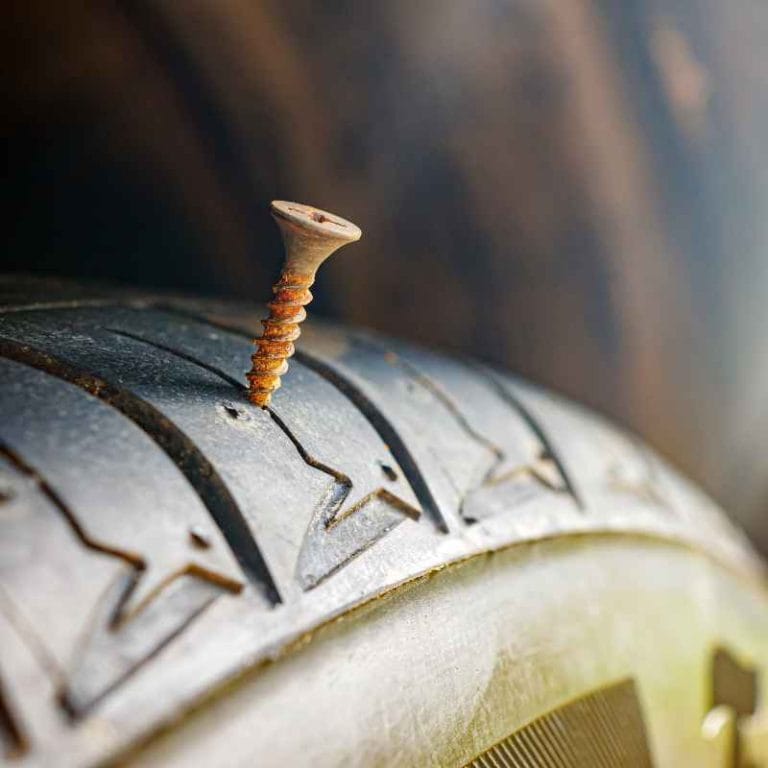
- Replace any tire with visible cracks, discoloration, or deformation—even if it has never been mounted.
- Pay close attention to the inside surfaces as well, especially if the tire has been partially inflated or handled.
- If in doubt, err on the side of caution. The cost of premature replacement is far less than the potential consequences of tire failure.
Factor In Vehicle Use
- High-speed, heavy, or off-road vehicles should err on the side of caution and replace at the lower end of age recommendations.
- For classic or collector cars, consider specialist tire brands that manufacture fresh rubber in vintage styles. Avoid “new old stock” tires, which may look perfect but are past their safe life.
Real-world Example: Classic Car Restoration
A 1965 Ford Mustang, restored with unused but 12-year-old “new old stock” tires, suffered a blowout on its first test drive. The lesson: age trumps mileage when it comes to tire safety (Classic Car Restoration Club). Restorers and collectors should always source fresh tires for safety—even at the expense of originality.
Budget Vs. Safety Considerations
While it might seem wasteful to discard an unused tire, the cost of a blowout or accident far outweighs the price of replacement. Many tire retailers offer rebates or disposal programs for aged tires.
- Some manufacturers offer pro-rated warranties that may help offset the cost of replacing tires that age out before their tread is worn.
- Disposal programs ensure that old tires are recycled safely, reducing environmental impact.
Frequently Asked Questions
How Can I Tell If My Tires Are Too Old To Use?
Check the DOT code on the sidewall for the manufacture date. If the tire is more than six years old—regardless of appearance or tread depth—consider replacement. Also, look for cracks, discoloration, or loss of flexibility.
- If you are unsure how to read the code, most tire retailers can interpret it for you.
Is It Safe To Use An Unused Spare Tire That’s Over 10 Years Old?
No. Even if an unused spare looks perfect, the rubber and internal structure deteriorate over time. Most manufacturers and safety agencies recommend replacing any tire over 10 years old, including spares.
- The risk of sudden failure is too great, especially during emergency situations.
Do Tires Stored Indoors Last Longer Than Those Kept Outside?
Yes, but only to a point. Indoor storage slows aging by reducing exposure to UV, ozone, and temperature swings. However, all tires will eventually expire due to chemical aging—even in ideal conditions.
- Periodic inspection and adherence to age guidelines remain essential.
Can I Buy “new” Tires That Are Actually Several Years Old?
It’s common for “new” tires to be up to a year old when purchased. However, avoid buying tires more than two years old, especially for high-performance or safety-critical vehicles. Ask your retailer to check the manufacture date before installation.
- Some manufacturers offer guarantees or will exchange tires if they are older than a set threshold at the time of purchase.
What Should I Do With Expired Or Old Tires?
Never use expired or visibly aged tires. Take them to a certified tire retailer or recycling center for proper disposal. Many states and provinces have regulations against dumping tires due to environmental risks (EPA).
- Proper disposal helps prevent environmental hazards, such as fires or mosquito breeding in discarded tires.
Driving is one of life’s great conveniences, but it comes with serious responsibilities—none more important than tire safety. While it’s tempting to think that unused tires are immune to time, the evidence is clear: tires do expire even if not used. By following manufacturer guidelines, checking tire age and condition regularly, and committing to timely replacements, drivers can protect themselves, their families, and everyone else on the road. Don’t let old rubber put your journey at risk—stay informed, stay vigilant, and drive with peace of mind.
Products related to this article
Sponsored / affiliate links. As an Amazon Associate I earn from qualifying purchases. I may earn additional commission from eligible campaigns.