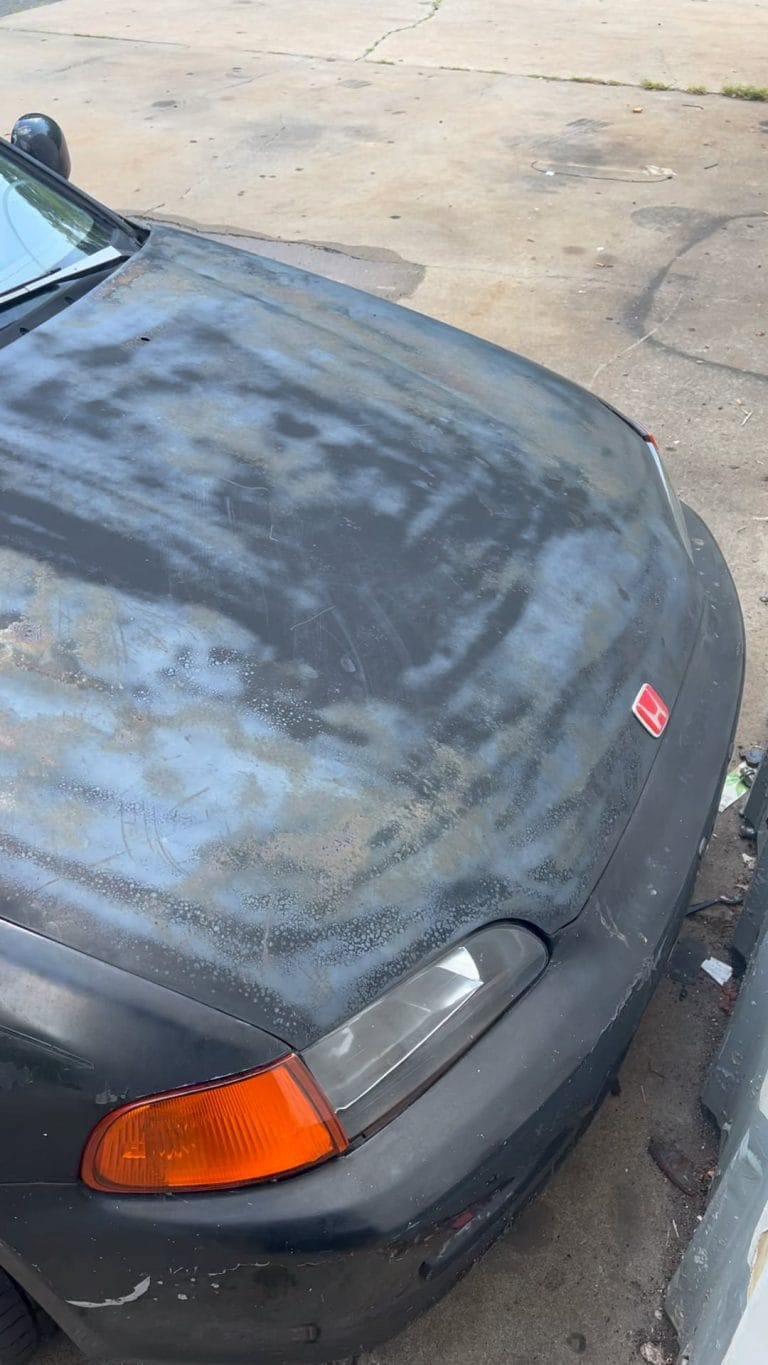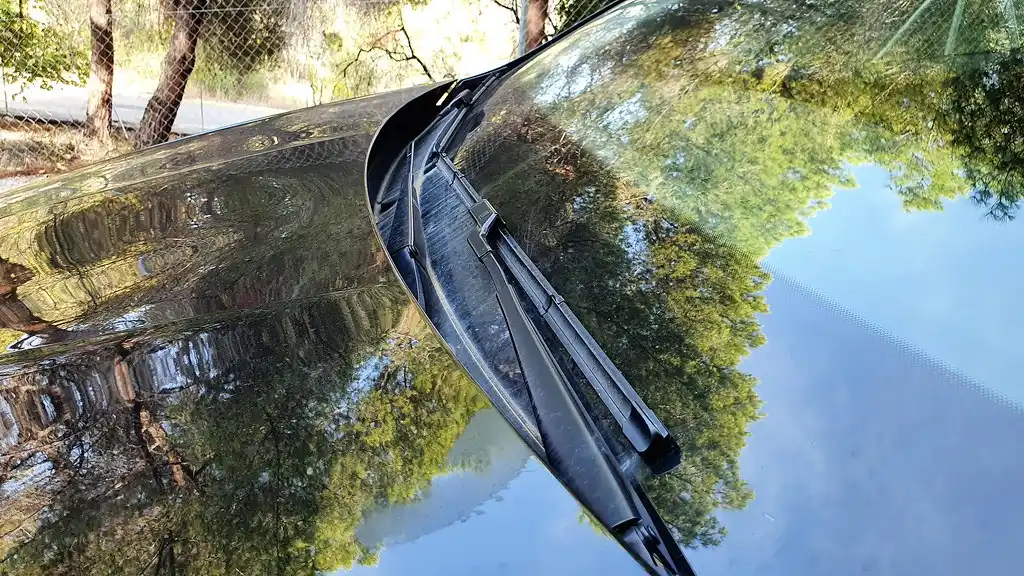
Best Wiper Blades for Honda Civic (2006-2015): we compared
For a Honda Civic, many owners replace wiper blades roughly every 6–12 months. In hot sun, ice, or heavy road grit, replacement often comes sooner, sometimes around 6 months, and sooner if the blades streak, chatter, or miss patches. Bad blades cut wet-night visibility fast and turn a small fix into a safety risk. This guide shows the safe, marginal, and overdue signs for Civic sedans, hatchbacks, and hybrids, plus how climate changes the interval.
This guide is part of our Honda Civic maintenance guide series.
Honda Civic wiper blade replacement: best interval for safety

For many Civic owners, about 12 months is a common baseline. Six months is the safer call when heat, UV, winter salt, frequent rain, or dust wear the rubber faster. Around 18 months is only reasonable when the blades still pass a quick visibility check and the car is used under easy conditions.
Quick comparison
| Product | Badge | Best for | Price | ||
|---|---|---|---|---|---|
|
26"+22" Silicone Wiper Blades Replacement For Honda CivicGavimnal | Our pick | 26"+22" · 2006-2015 Honda Civic 4-door | $19.99
Price as of 3 Oct 2026
|
View |
 |
AUTOBOO Windshield Wiper Blade Replacement for Honda CivicAUTOBOO | Also great | Fits 2022-2026 Honda Civic, CR-V, Integra | $20.67
Price as of 3 Oct 2026
|
View |
Use this table as a one-page decision rule, not a calendar rule. If visibility drops at speed, the blade is already past the safe point, even if the rubber still looks tidy.
Heat and UV age rubber from the top down. Ice, salt, and gritty winter spray attack the edge the windshield depends on first.
| Interval | Best for | Visible condition | Safety read |
|---|---|---|---|
| 6 months | Hot sun, strong UV, winter salt, frequent rain, dust, road grime | Light streaking, occasional chatter, early edge wear | Safer choice when exposure is harsh or the car sleeps outside |
| 12 months | Normal mixed driving with regular rain | Blade still clears cleanly, no skips, no rubber splits | Baseline interval for most Honda Civics |
| 18 months | Mild climate, garage-kept, low exposure, light use | Passes a one-minute inspection and still clears at speed | Ceiling, not a goal |
Most Civic owners land at 12 months. The interval drops fastest when heat, UV, ice, salt, or heavy spray are constant companions.

How we chose the interval
The best interval for a Honda Civic depends on exposure, symptoms, and fitment risk, not mileage alone. A car with low miles but constant sun and street parking can age blades faster than a higher-mileage commuter in a mild climate.
Streaking and highway spray loss matter more than age. If the blade leaves a micro-streak at 25 mph, that same flaw usually gets worse at night and in heavy rain.
What pushed the recommendation toward 6 months
Heat, UV, winter salt, dust, and heavy rain all shorten useful life. Those conditions harden rubber, weaken the wiping edge, and make the blade skip long before the arm or frame looks worn.
Why OEM fitment and correct size matter
Honda Civic sedan, hatchback, and hybrid variants may use different front blade lengths and, on some trims, a rear blade as well. A correct-size blade that fits the arm properly clears better and reduces the chance of lift, chatter, or incomplete contact.
6 months: best for harsh weather use
Choose 6 months when the Civic lives in hot sun, sees winter salt, or runs through dusty, grimy roads and frequent downpours. In those conditions, the blade can still look acceptable while the wiping edge has already lost clean contact.
Hot sun and UV exposure
Direct sun dries the rubber, then the first rain exposes the damage. On parked-out cars, the edge often hardens unevenly, which shows up first as a light streak or a skipped patch near the center of the sweep.
Ice, snow, and winter salt
Frozen blades can tear, and salt crystals act like fine abrasive grit. If the Civic regularly gets scraped off in winter, 6 months is the safer planning point even when the driver has not noticed obvious wear yet.
Dust, road grime, and heavy-rain commuting
Dust and oily film load the blade edge and the glass. Heavy-rain commuting makes the weakness obvious: the blade may pass a dry check in the driveway, then smear badly once water and highway speed load the arm.
12 months: best for most Honda Civics
For normal mixed driving, 12 months is the practical baseline for Honda Civic wiper blade replacement. That assumes regular rain use, ordinary parking conditions, and no sign of streaking, chatter, skipping, or split rubber.
What a healthy blade still looks and feels like
A healthy blade wipes clean in one pass, glides quietly, and leaves no repeated streaks after a quick spray test. The rubber edge should look continuous, flexible, and even, with no cracks, curled corners, or chunks missing.
When to keep it at 12 months and when to shorten it
Keep the interval at 12 months when the car sees average weather and the windshield stays clear at speed. Shorten it when the Civic spends long hours in sun, sees winter road salt, or spends a lot of time on wet highways.
18 months: best for mild climate and low use
Eighteen months is only a ceiling for mild climate, garage-kept Civics with low exposure and blades that still pass inspection. It is not the default, and it should never be used to excuse streaking or visibility loss.
Garage-kept cars in mild weather
When the car avoids direct UV, snow, salt, and abrasive grime, the rubber ages more slowly. Even then, the blades should be checked on a schedule, because parked time does not guarantee clean wiping.
Low-mileage drivers who still pass the visibility check
Low mileage helps less than people expect. A Civic that barely moves but lives in mild weather can stretch longer only if the blade still clears water cleanly and the edge remains supple and intact.
How do you know the blades are overdue?
Replace the blades as soon as they begin streaking, chattering, skipping, or leaving reduced visibility. If the windshield looks only partially cleared in rain, especially at speed, the blades are already overdue for safety purposes.
The 60-second inspection checklist
- Spray the windshield and turn the wipers on.
- Watch for streaks, missed patches, or hazy lines in the swept area.
- Listen for chatter or skipping across the glass.
- Inspect the rubber edge for splits, cracking, or curled corners.
- Check both front blades for uneven wear, then inspect the rear blade if the trim has one.
Go/no-go safety rule for rain at highway speed
If the Civic loses clear visibility in rain at highway speed, treat that as a no-go. Replace the blades now; do not wait for the calendar to catch up.
When to replace both front blades together
Replace both front blades together when one is worn enough to fail inspection. The second blade is usually close behind, and matching the pair keeps wipe quality consistent across the windshield.
Which interval should you choose?

Choose 6 months if the Civic sees harsh sun, winter salt, heavy rain, dust, or frequent outdoor parking. Choose 12 months for normal mixed driving. Choose 18 months only when the blades still pass the quick check and the climate is mild.
How to confirm the correct blade sizes
Check the owner’s manual before ordering. Verify the driver-side length, passenger-side length, and rear blade if equipped, because trim-specific fitment can differ by model year, body style, and hybrid configuration.
Honda Genuine Accessories versus aftermarket blades
Honda Genuine Accessories make sense when exact fitment matters most, especially on dealer-purchased parts and newer Civics with trim-specific hardware. Aftermarket blades can be fine, but the arm attachment and length should match the specific vehicle, not just the badge.
Honda Civic sedan, hatchback, and hybrid fitment notes
The Civic Sedan, Civic Hatchback, Civic Sedan Hybrid, and Civic Hatchback Hybrid can share the same family name while still needing different parts by year and trim. Don’t assume one blade set fits every Civic body style.
Honda’s 2026 Civic lineup shows how widely the model spans: Civic Sedan starting MSRP of $24,695, Civic Sedan Hybrid starting MSRP of $29,395, Civic Hatchback starting MSRP of $27,895, and Civic Hatchback Hybrid starting MSRP of $30,595. The range also includes the Civic Si Sedan at $31,495 and the Civic Type R at $47,395. Those trims may use different hardware or fitment details, so size verification still matters.
Can I replace Honda Civic wiper blades myself?
Yes. Many Honda Civic blade swaps can be no-tool DIY jobs, but the owner’s manual should still be checked first for arm position, release tab use, and exact sizes. The main risk is fitment error, not mechanical difficulty.
What you’ll need
- Replacement front wiper blades sized for the exact Civic trim and model year
- Rear blade if the vehicle is equipped with one
- Owner’s manual
- Clean towel or soft cloth
- Soft surface or folded towel to protect the glass if the arm snaps back
Basic replacement steps
- Park the Civic on level ground and switch the ignition off.
- Lift the wiper arm into its service position if the manual allows it.
- Press the release tab and slide the old blade off the arm.
- Snap the new blade on until it clicks firmly into place.
- Lower the arm carefully, then test the new blade with washer fluid.
If that didn’t work, try this next
- Recheck the owner’s manual for the exact attachment style.
- Verify the blade length against the manual and the packaging.
- Inspect the adapter for incomplete locking or upside-down installation.
- Swap the blade again if it feels loose or wipes unevenly.
How much does it cost to replace Honda Civic wiper blades?
Cost depends on whether the blades are OEM from Honda or aftermarket replacements. For a Civic, the practical budget is usually low enough that a bad fit matters more than chasing the cheapest option.
Honda Genuine Accessories from a dealer are usually the more expensive route, while aftermarket blades often cost less. The right choice is the one that fits the exact Civic trim, wipes cleanly, and installs without adapter guesswork.
Should I replace both blades at the same time on a Honda Civic?
Yes, replacing both front blades together is usually the safer move. They age under the same sun, rain, and salt exposure, so if one blade has failed inspection, the other is often close enough to justify a pair swap.
This matters even more on Civics used daily in rain or winter grime. A matched pair keeps wipe quality even across the windshield and avoids one side looking fine while the other starts leaving streaks.
What size wiper blades does a Honda Civic use?
Honda Civic blade sizes vary by model year, body style, trim, and whether the car is a sedan, hatchback, or hybrid. The correct answer is the size listed in the owner’s manual or on the vehicle-specific fitment chart for that exact trim.
Check driver-side length, passenger-side length, and rear blade if equipped. Never assume a Civic blade set is universal across all years or body styles, because trim-specific fitment changes are common.
Frequently asked questions
How often should Honda Civic wiper blades be replaced?
Plan on 12 months for most Civics, then shorten to 6 months if the car sees strong sun, winter salt, dust, or heavy rain. Stretching to 18 months only makes sense when the blades still clear water cleanly and pass a quick inspection.
What signs mean my Civic wiper blades are worn out?
Look for streaking, chatter, skipping, split rubber, curled edges, or patchy clearing. If the windshield stays hazy at speed or needs repeated passes to clear, the blades are already past the safe point.
Can I replace Honda Civic wiper blades myself?
Yes. Most Civic blade changes are no-tool jobs that use a release tab and a simple slide-off, slide-on motion. Check the owner’s manual first for the correct service position and attachment style before pulling the arm up.
What size wiper blades does a Honda Civic use?
It depends on model year, trim, and body style. Confirm the driver-side length, passenger-side length, and rear blade if equipped in the owner’s manual before ordering, because sedan, hatchback, and hybrid fitment can differ.
Do Honda Civic hybrid models use different wiper blades?
They can. The Civic Sedan Hybrid and Civic Hatchback Hybrid may share some parts with non-hybrid trims, but blade length and attachment details still need a model-year check. Use the exact vehicle fitment, not the badge alone.
Is it safer to replace wiper blades before they start streaking?
Yes. Once streaking begins, the blade is already losing contact, and that loss can get worse fast in rain or at night. Replacing before visible streaking is the safer approach, especially for drivers who commute in bad weather.
Products related to this article
Sponsored / affiliate links. As an Amazon Associate I earn from qualifying purchases. I may earn additional commission from eligible campaigns.