Honda Civic B1 Service: Tasks, Cost, and Timing Guide
Honda Civic B1 service generally includes an oil and filter change, tire rotation, and a multi-point inspection; it is usually booked within about 500 miles or a month of the code, and it may cost roughly $120–$250 at an independent shop or $250–$450 at a dealer. Skip it and the oil ages out, tires wear unevenly, and small faults get missed until they cost more. This guide breaks down Honda-required B1 tasks, dealer add-ons, realistic pricing, and when you can wait versus book now.
What does a Honda Civic B1 code mean?

A Honda Civic B1 code means the Maintenance Minder wants two things: the “B” service and the “1” service. The B side calls for an oil change, oil filter replacement, and a mechanical inspection. The 1 side means tire rotation. It comes from Honda’s reminder system, not a fault light.
What the B code covers
Honda Ride says B1 includes an oil and filter change plus a tire rotation. That “B” also carries the inspection work Honda ties to the service. It is scheduled service, not an urgent warning by itself.
What the 1 code covers
The “1” in B1 specifically means a tire rotation. On a Civic, that should also go with tire pressure checks and tread inspection so the shop can catch uneven wear, a slow leak, or a tire that is wearing faster than the others.
Why the code appears when it does
The minder looks at driving pattern, oil life, and operating conditions. Short trips, stop-and-go use, and repeated cold starts can bring the code on sooner. Highway use can stretch the interval, but the reminder still rules the timing.
According to wolfchasehonda.com — B1 service means an oil change, mechanical inspection, and tire rotation.
What tasks are included in Honda Civic B1 service?
Honda Civic B1 service includes an oil and filter change, a tire rotation, and a mechanical inspection. On a Civic, that inspection should cover brakes, suspension, steering, exhaust, fuel lines, and fluid levels and condition. The owner’s manual or maintenance schedule is the source of truth for the exact scope on a specific car.
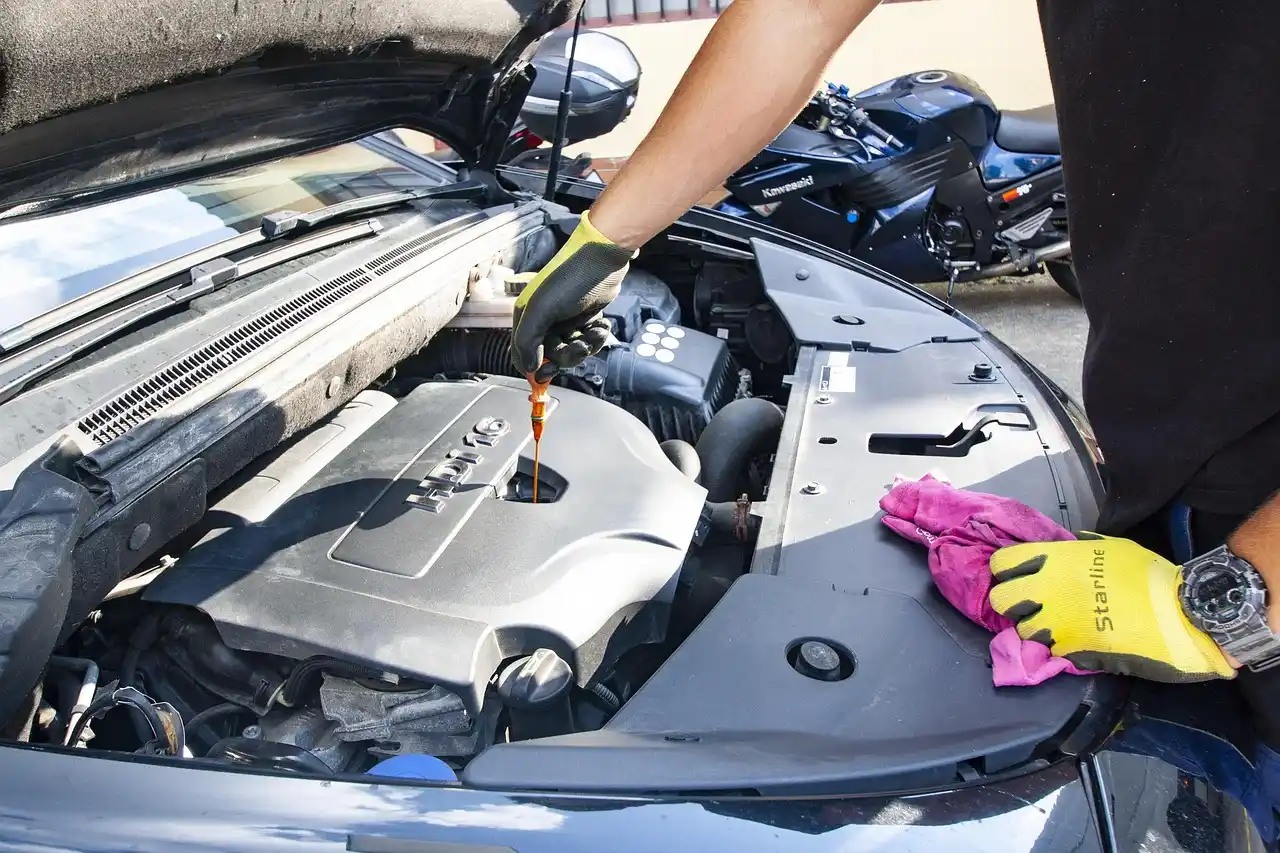
Engine oil and oil filter replacement
B service includes the oil change, and Honda Ride notes that the B side differs from A service because B includes a new oil filter. That matters. A code can call for oil service without the same filter replacement, while B service should include both.
Tire rotation, pressure check, and tread inspection
Rotation keeps wear even across all four tires. On a Civic, that is the part many owners can feel first if they wait too long: a faint pull, noise, or a steering wheel that feels slightly off center after tire wear starts to split across the axles.
Mechanical inspection items
The inspection should cover front and rear brake pads and rotors, suspension components, steering parts, exhaust, fuel lines, and fluids. Honda B1 service also includes checking fluid levels and condition such as brake fluid, transmission fluid, and coolant. That is the real value of the B code.
How much does Honda Civic B1 service cost?
Honda Civic B1 service often lands around $170 to $210 at a dealer, and quotes can climb higher when add-ons are stacked into the visit. An independent shop is usually cheaper, but the final price still depends on oil type, tire size, and whether the car is a gas or hybrid Civic.
Typical dealer quote range
One independent source says B1 service typically costs $170 to $210 at a dealership. That is the base comparison point. At the counter, the price often rises once the advisor adds brake cleaning, fluid packages, or cabin filter work that Honda does not require for B1.
Independent shop pricing expectations
Independent pricing is usually lower because labor rates are lower and the shop may quote only the required work. For a Civic owner, that often makes the independent route attractive when the car is out of Service Pass coverage and the maintenance minder is the only issue.
What changes the price on gas and hybrid Civics
Gas and hybrid Civics may not cost the same to service. Oil type, access time, and dealer pricing all move the number. A hybrid may also get quoted differently if the shop assumes more time for underbody access, but the maintenance minder still decides the needed service items.
What dealer add-ons are not part of Honda’s B1 code?
Dealer add-ons are where B1 quotes get inflated. Brake cleaning, caliper service, extra fluid exchanges, cabin filter replacement, engine air filter replacement, and broad “multi-point” inspection packages are often sold alongside B1, but they are not automatically required by the B code. The owner’s manual decides that.
Brake cleaning and caliper service
Brake cleaning is a common upsell. So is caliper service. Unless the inspection finds a brake problem, those items are maintenance extras, not part of Honda’s standard B1 code. If the quote adds them without a clear reason, ask the advisor to split required work from optional work.
Extra fluid exchanges and top-off packages
Fluid exchanges for brake fluid, transmission fluid, or coolant are not the same thing as checking fluid condition during B service. A top-off package is also separate from Honda’s B1 code. If the manual does not call for that service yet, it can wait.
Cabin filter, engine air filter, and deferred items
Cabin filters and engine air filters are common maintenance items, but they are not part of B1 by default. If the advisor points to a dirty filter, that is a separate decision. A Civic owner can approve those only when they are actually due or visibly dirty.
B1 service quote comparison table
This table separates Honda-required B1 work from common dealer add-ons and gives a practical booking call for each line. If a quote bundles everything into one number, ask for it itemized before authorizing work.
| Line item | Honda-required for B1? | Common dealer quote pattern | Book now vs. wait |
|---|---|---|---|
| Oil and filter change | Yes | Included in B service; often the core charge | Book now if the code is due or overdue |
| Tire rotation | Yes | Usually added to the same visit | Book now when B1 appears |
| Mechanical inspection | Yes | Sometimes folded into labor with no clear line item | Book now; ask for the checklist |
| Brake cleaning | No, unless inspection finds a problem | Frequently sold as an add-on | Wait unless there is brake noise, drag, or wear |
| Brake fluid exchange | No, unless the manual or condition says it is due | Often pitched with B service | Wait unless the schedule says it is due now |
| Cabin filter replacement | No | Common add-on at service counters | Wait if airflow is fine and the filter is not due |
| Engine air filter replacement | No | Often added after a quick visual check | Wait unless inspection shows it is dirty or restricted |
When should you book B1 service on a Civic?
Book B1 as soon as the code appears if the car is overdue, slightly earlier if the schedule is tight, and on time if the mileage or time window is near. A good rule is to book within 500 miles or 1 month of the code, because the service is preventive, not an emergency warning.
If the code shows up early
If B1 appears before the usual interval, check the owner’s manual first. Gas and hybrid Civics can behave differently under the minder, and short-trip use can pull the code forward. If the code is early by a little, booking soon is sensible; if it is far early, confirm the reading before paying for service.
If the code is due now
If B1 is due now, book it. Honda B1 service is often recommended every 5,000 to 7,500 miles or every six months. That is the normal decision point where oil condition, tire wear, and the inspection checklist all matter.
If the code is overdue
If B1 is overdue, do not keep waiting for a convenient weekend. Old oil and uneven tire wear get worse with time. The inspection can also catch brakes or fluid problems before they become expensive repairs, which is the whole point of the minder.
Does Honda Service Pass cover B1 service?
Honda Service Pass can cover B1 service for the first 12 months or 12,000 miles on some 2025 and 2026 models. Coverage is not automatic for every Civic, so the VIN, model year, and service terms should be checked before the appointment. If the car is outside that window, expect to pay normally.
Coverage window on new Civics
Some new Civics, including 2025 and 2026 models, may qualify for the coverage window. That can make the first B1 visit much cheaper or fully covered. The terms still matter, and the customer should confirm what labor and materials the plan actually includes.
What to confirm before booking
Confirm the in-service date, mileage, and whether the exact B1 visit is inside the pass window. Also confirm whether tire rotation and the inspection are included, since those should be part of the service. Do not assume every line on the estimate is covered.
When coverage may not apply
Coverage may not apply if the car is past 12 months or 12,000 miles, or if the quote includes add-ons outside the B1 code. That is where many owners get surprised: the required service may be covered, while the upsells are not.
What inspections are supposed to happen during B1 service?
During B1 service, the inspection should usually cover brakes, suspension, steering, exhaust, fuel lines, and fluid condition. It is not a vague glance. On a Civic, the point is to catch wear, leaks, and uneven tire or brake problems before they turn into a repair bill.
Brake checks
Front and rear brake pads and rotors should be inspected. If the shop cannot explain what they found, ask for the measurement or condition note. A proper B inspection should tell you whether the brakes are normal, near limit, or already showing uneven wear.
Suspension and steering checks
Suspension components and steering parts should be checked for looseness, leaks, torn boots, and abnormal play. Those checks matter on a Civic because minor wear often shows up as noise, vibration, or poor tracking long before a warning light appears.
Fluid and leak checks
The service should include fluid levels and condition, including brake fluid, transmission fluid, and coolant. The technician should also look for leaks around lines, hoses, and fittings. If a dealer quote turns these into separate paid items without a problem, that is a sales add-on, not the base B1 service.
How often does a Civic need B1 service?
Honda B1 service is often recommended every 5,000 to 7,500 miles or every six months. That range is a practical planning window, not a hard fault threshold. The vehicle’s maintenance reminder and the owner’s manual decide the actual timing for a specific Civic.
Gas Civic timing
A gas Civic usually follows the normal Maintenance Minder rhythm, but driving style changes the timing. Frequent short trips, long idle periods, and heavy stop-and-go use can bring B1 on sooner than a highway-focused driver expects.
Hybrid Civic timing
Hybrid Civic trims can have different maintenance needs, so the minder should not be read like a one-size-fits-all calendar. The owner’s manual and maintenance schedule matter more on hybrid models because the service pattern can differ from a gas Civic.
Can I get Honda B1 service at an independent shop?
Yes. An independent shop can perform Honda B1 service if it follows the required oil service, tire rotation, and inspection items. The main advantage is price. The main risk is not the shop type itself, but whether the advisor understands Honda’s B1 scope and does not sell extras as required work.
What to ask the shop
- Will the quote include oil and filter change, tire rotation, and inspection?
- Will the shop follow the Civic owner’s manual for the exact B1 scope?
- Will the estimate list add-ons separately?
- Will the shop document brake, suspension, steering, exhaust, fuel line, and fluid checks?
When the independent route makes sense
The independent route makes sense when the car is outside Honda Service Pass coverage or when the dealer quote includes items the owner does not want. It is also a good fit for owners who want a smaller bill and are willing to verify that the inspection was done properly.
Frequently asked questions
What does B1 mean on a Honda Civic?
B1 means the Honda Maintenance Minder is asking for B service and 1 service together. The B side calls for an oil and filter change plus a mechanical inspection. The 1 side means tire rotation. It is scheduled maintenance, not a fault code or emergency warning.
Is Honda B1 service just an oil change and tire rotation?
No. Those are the two headline items, but B1 also includes a mechanical inspection. On a Civic, that inspection should cover brakes, suspension, steering, exhaust, fuel lines, and fluid levels and condition. That inspection is part of why B1 matters.
What extra work do dealers sometimes try to add to B1 service?
Common add-ons may include brake cleaning, caliper service, fluid exchanges, cabin filter replacement, and engine air filter replacement. None of those are automatically part of B1. Ask for the estimate to be split into required Honda work and optional extras before you approve anything.
How much does Honda Civic B1 service cost at a dealer?
One independent source says B1 service typically costs $170 to $210 at a dealership. Real quotes can go higher when add-ons are bundled in. If the number jumps quickly, ask whether the extra line items are actually due or just suggested.
Products related to this article
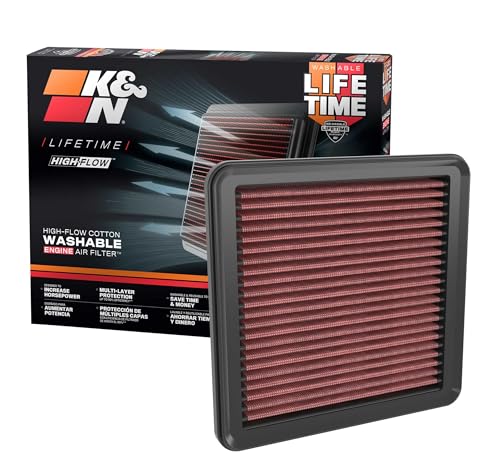
Sponsored / affiliate links. As an Amazon Associate I earn from qualifying purchases. I may earn additional commission from eligible campaigns.