Best Used Honda Civic to Buy: Year & Trim Guide
The Honda Civic has long been recognized as one of the most reliable, fuel-efficient, and value-driven compact cars in the world. Its reputation for durability and low ownership costs makes it a favorite among used car buyers. But with decades of production, multiple generations, and a range of trims, choosing the best used Honda Civic can be a complex decision. Whether you’re a first-time buyer, a college student seeking affordable transportation, or a car enthusiast hunting for a sporty Si, finding the ideal balance between price, features, and reliability is crucial.
In this guide, we break down which Honda Civic model years and trims stand out as the smartest buys on the used market today. Drawing on real-world owner experiences, reliability data, and expert reviews, we’ll help you pinpoint the Civics with the best blend of longevity, value, and driving enjoyment. You’ll discover which years to prioritize, which trims deliver the most for your money, and how to avoid common pitfalls. Let’s dive into the ultimate year and trim guide for the used Honda Civic.
Key Takeaways
- The 2012, 2015 and 2016, 2026 Civics are top picks for reliability, value, and modern features.
- EX and EX-L trims usually offer the best balance of price, equipment, and resale value.
- Sporty models like the Si and Type R provide performance but may cost more to maintain.
- Focus on maintenance history and avoid years with known transmission or engine issues.
- Certified Pre-Owned (CPO) Civics provide added peace of mind and warranty coverage.
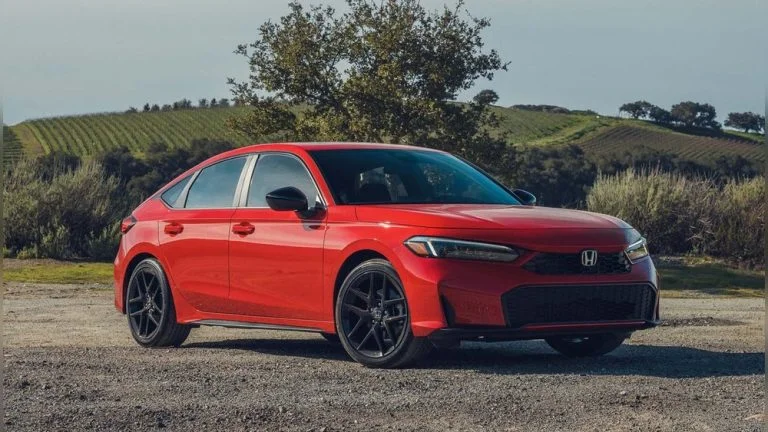
Credit: www.silkohonda.com
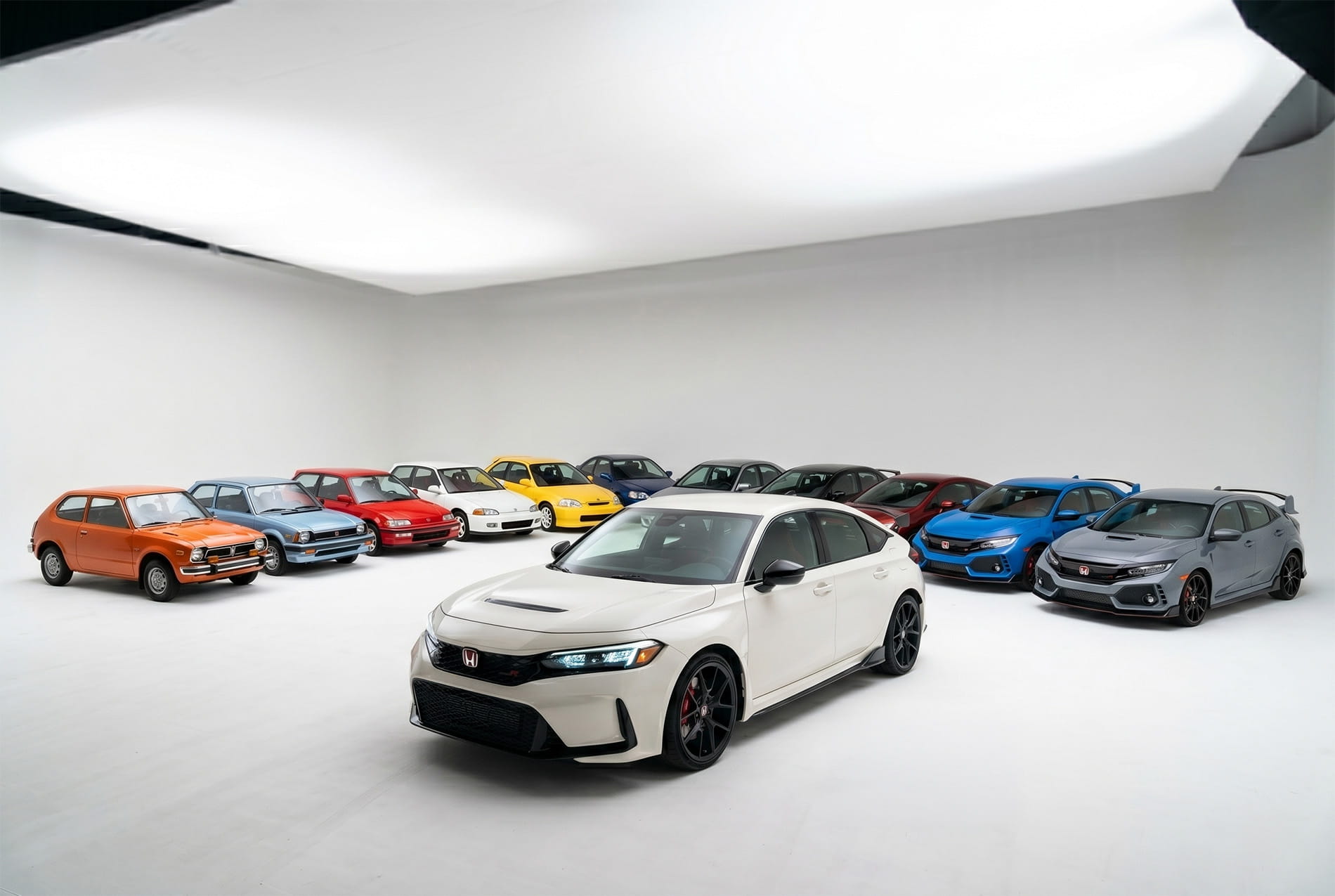
Honda Civic Generations: Which Years Stand Out?
The Civic has evolved through several generations, each with distinctive strengths and potential drawbacks. Understanding which years excel can help narrow your search for the best used Honda Civic.
Eighth Generation (2006, 2011): Proven Reliability
The eighth-generation Civic is often lauded for its bulletproof reliability. These Civics feature a well-proven 1.8L engine, straightforward maintenance, and a comfortable ride. While they lack modern infotainment, they offer excellent fuel economy and low running costs.
Notable years:
- 2008, 2011 models benefited from mid-cycle updates and improved build quality.
- 2006, 2007 models may experience cracked engine blocks (especially in cold climates), so a thorough inspection is advised.
Pros:
- Reliable powertrain
- Affordable parts and repairs
- High owner satisfaction ratings
Cons:
- Limited tech features
- Potential rust in northern climates
Ninth Generation (2012, 2015): Comfort And Value
The ninth-generation Civic (2012, 2015) refocused on comfort, refinement, and improved safety. The 2013 refresh addressed earlier criticisms, adding higher-quality interior materials and better ride comfort. These Civics are an excellent choice for buyers wanting modern amenities at a reasonable price.
Notable years:
- 2013, 2015 models are considered the sweet spot, with upgraded infotainment and better crash-test scores.
Pros:
- Excellent reliability ratings
- Improved interior and safety
- Good resale value
Cons:
- 2012 models have a less refined interior
- Base LX trims lack advanced features
Tenth Generation (2016, 2026): Modern Features And Turbo Power
The tenth-generation Civic represented a leap forward with new turbocharged engines, advanced safety features, and cutting-edge styling. The 1.5L turbo offers a strong blend of power and efficiency, while Honda Sensing driver aids became widely available.
Notable years:
- 2017, 2026 models have fewer early-production bugs and more standard safety tech.
- 2016 models are a good value but check for recalls related to the AC system and fuel pump.
Pros:
- Contemporary infotainment and safety features
- Strong turbocharged engine options
- Spacious interior
Cons:
- Some CVT transmission complaints (mainly in turbo models)
- Infotainment interface can be unintuitive
Eleventh Generation (2026, Present): Premium Feel On The Used Market
While still relatively new, used 2026 Civics have begun appearing on the market. They offer a more mature design, upscale cabin materials, and the latest tech. These are ideal for buyers seeking near-new quality at a discounted price.
Notable years:
- 2026 is currently the only used option; limited availability but strong initial reliability.
Pros:
- Refined driving experience
- Best-in-class safety technology
- Excellent fuel economy
Cons:
- Higher used prices due to recency
- Fewer choices in the used market
Key Generation Comparison Table
| Generation | Model Years | Key Strengths | Potential Issues |
|---|---|---|---|
| 8th (2006, 2011) | 2008, 2011 | Reliability, low cost | Rust, engine block (2006, 07) |
| 9th (2012, 2015) | 2013, 2015 | Comfort, value | Basic base trims |
| 10th (2016, 2026) | 2017, 2026 | Modern tech, turbo engines | CVT issues (turbo) |
| 11th (2026, Present) | 2026 | Premium, safety | Price, availability |

Credit: www.motorbiscuit.com
Best Trims For Value, Features, And Performance
Honda Civics come in a variety of trims, each catering to different priorities. Understanding what each trim offers will help you select the best fit for your needs and budget.
Lx: Simplicity And Affordability
The LX trim is the Civic’s entry-level model, typically featuring essential amenities like air conditioning, power windows, and basic audio systems. If your focus is reliability and the lowest possible purchase price, the LX is a solid choice.
Key features:
- Basic cloth interior
- Manual or automatic transmission options
- Minimalist infotainment (pre-2016)
Who should buy:
- Budget-conscious drivers
- First-time car buyers
- Commuters seeking simplicity
Downsides:
- Fewer luxury or tech features
- Lower resale value compared to higher trims
Ex And Ex-l: The Sweet Spot
The EX and EX-L trims are highly recommended for buyers wanting the best mix of comfort, technology, and value. These trims often include sunroofs, upgraded infotainment, and Honda Sensing safety features (in later years).
Key features:
- Touchscreen infotainment (2014+)
- Sunroof, alloy wheels
- Available leather seats (EX-L)
- Honda Sensing suite (2016+)
Who should buy:
- Families
- Tech-focused drivers
- Buyers prioritizing resale value
Advantages:
- Strong balance of features and affordability
- Higher demand in the used market
Sport: Style And Driving Enjoyment
Introduced in the tenth generation, the Sport trim adds visual flair and some performance touches, such as larger wheels, sport pedals, and a center exhaust. It’s ideal for those who want a Civic with a sporty edge without the higher insurance and maintenance of the Si or Type R.
Key features:
- Unique exterior styling
- Upgraded audio system
- Paddle shifters (CVT models)
Who should buy:
- Younger drivers
- Enthusiasts on a budget
- Style-conscious shoppers
Si: Affordable Performance
The Civic Si is Honda’s iconic sport compact, offering a more powerful engine, manual transmission, and enhanced suspension. Used Si models are prized for their fun-to-drive nature and relative affordability compared to other performance cars.
Key features:
- Turbocharged (2017+) or high-revving (pre-2017) engines
- Short-throw 6-speed manual
- Sport-tuned suspension
Who should buy:
- Enthusiasts
- Manual transmission fans
- Drivers seeking a fun daily car
Warning:
Insurance and maintenance costs are higher, and many used Si models may have been driven aggressively.
Touring: Luxury And Technology
The Touring trim represents the top of the Civic lineup, featuring navigation, premium audio, leather, and advanced driver aids. While pricier, a used Touring can rival entry-level luxury sedans for comfort and tech.
Key features:
- Navigation system
- Leather, power-adjustable seats
- Full Honda Sensing suite
Who should buy:
- Tech enthusiasts
- Drivers seeking a near-luxury experience
Trim Comparison Table
| Trim | Key Features | Best For | Potential Downsides |
|---|---|---|---|
| LX | Basic features, low price | Budget buyers | Few amenities |
| EX / EX-L | Sunroof, infotainment, safety tech | Most buyers | More expensive than LX |
| Sport | Sporty styling, upgrades | Younger/enthusiast buyers | Not as fast as Si |
| Si | Performance engine, manual | Car enthusiasts | Higher insurance/maintenance |
| Touring | Luxury, top tech | Luxury seekers | Highest price |

Credit: www.cargurus.com
Reliability, Maintenance, And Common Issues
A key reason for the Civic’s enduring popularity is its reputation for reliability. Still, certain model years and trims have known issues that savvy buyers should consider.
Engine And Transmission Reliability
- Eighth and ninth generations are known for robust engines, though early 8th-gens (2006, 2007) had some reports of cracked engine blocks.
- The 1.5L turbo (2016, 2026) offers great performance but has seen rare cases of oil dilution, especially in cold climates. Honda issued technical service bulletins to address this.
- The CVT transmission in 2016+ Civics is generally reliable but can develop shuddering if fluid changes are neglected.
Electrical And Infotainment Systems
Later Civics (2016+) introduced advanced infotainment, but owners reported issues such as:
- Unresponsive touchscreens (especially 2016, 2018 models)
- Bluetooth connectivity problems
- Backup camera glitches
Most issues can be resolved with software updates or dealer resets.
Rust And Body Integrity
Older Civics (especially 2006, 2011) are susceptible to rust in regions with harsh winters. Carefully inspect undercarriage and wheel wells for corrosion.
Pro Tip:
Always request a maintenance history and perform a pre-purchase inspection, ideally with a mechanic who knows Honda vehicles.
Real-world Example: High-mileage Civic Ownership
A 2010 Civic EX owner reported reaching over 200,000 miles with only routine maintenance (oil, brakes, tires) and no major repairs. This aligns with data from Consumer Reports, which consistently rates the Civic among the most reliable compact cars for longevity.
Cost Of Ownership And Value Retention
A used Honda Civic’s appeal extends beyond reliability. Its low running costs and strong resale value make it one of the most cost-effective cars in the segment.
Depreciation And Resale
According to Kelley Blue Book, the Honda Civic is regularly ranked among the top compact cars for resale value. A well-maintained Civic retains its value better than most competitors, especially in EX and higher trims.
- Three-year depreciation: Typically 30, 35% for Civics, compared to 40, 45% for rivals like the Ford Focus or Hyundai Elantra.
- Sport and Si trims often hold value better due to enthusiast demand.
Fuel Economy
Honda Civics are renowned for excellent fuel efficiency. For example:
- 2016, 2026 1.5L Turbo: EPA-rated at 32 mpg city / 42 mpg highway (source: fueleconomy.gov).
- 2012, 2015 1.8L: EPA-rated at 28 mpg city / 39 mpg highway.
Insurance And Maintenance Costs
- Insurance: The Civic is generally affordable to insure, though Si and Type R models command higher premiums.
- Maintenance: Annual maintenance costs are among the lowest for compact cars, averaging $350, $450 per year (source: Edmunds True Cost to Own).
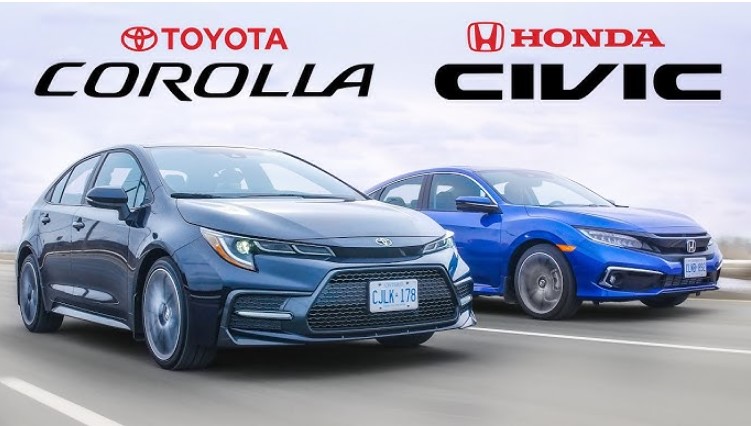
Example: Civic Vs. Corolla Vs. Mazda3
| Model | 3-Year Depreciation | Annual Maintenance | Fuel Economy (Combined) |
|---|---|---|---|
| Honda Civic | ~32% | $400 | 36 mpg |
| Toyota Corolla | ~33% | $410 | 34 mpg |
| Mazda3 | ~38% | $440 | 31 mpg |
Source:Kelley Blue Book
Certified Pre-owned And Where To Buy
Choosing a Certified Pre-Owned (CPO) Honda Civic provides added assurance, as these vehicles undergo thorough inspections and come with extended warranties.
Benefits Of Cpo Civics
- Comprehensive inspection: Honda CPO Civics are subject to a 182-point inspection.
- Warranty: Typically includes a 7-year/100,000-mile powertrain warranty.
- Roadside assistance: Included for the duration of the warranty.
Where To Shop For The Best Used Honda Civic
- Honda dealerships: Offer CPO inventory with factory-backed warranties.
- Reputable used car retailers: CarMax, AutoNation, and local dealers often have a wide selection.
- Private sellers: Can offer lower prices, but require careful vetting and inspection.
Pro Tip:
When buying from a private seller, request a Carfax or AutoCheck report to verify title status, accident history, and mileage.
Real-world Case Study: Cpo Vs. Private Sale
A buyer compared a 2018 Civic EX-L from a Honda dealer (CPO) priced at $20,500 with a similar model from a private seller for $18,000. The CPO car included a year of bumper-to-bumper coverage and a detailed inspection, while the private-sale Civic had a less comprehensive maintenance record. The buyer ultimately chose the CPO for peace of mind, despite the higher price.
Special Considerations: Enthusiast Models And Hybrids
While most Civics are chosen for daily driving, some buyers seek performance or eco-friendly options.
Civic Si And Type R
- Civic Si: Delivers engaging performance at a modest price. Look for models with full service records and minimal modifications.
- Type R: The ultimate Civic for enthusiasts, but used prices remain high due to limited supply and collector demand.
Warning: Modified Civics may have been raced or driven hard. Prioritize stock examples with clear maintenance history.
Civic Hybrid And Natural Gas
- Civic Hybrid (2003, 2015): Offers higher fuel economy, but battery replacement can be costly.
- Civic Natural Gas (2001, 2015): Extremely rare and best suited for specific regional needs.
Example: A 2012 Civic Hybrid owner reported battery replacement at 90,000 miles costing approximately $2,000, making traditional gas models a better value for most buyers.
Pro Tip:
For maximum reliability and resale value, stick to conventional gasoline Civics unless you have a compelling reason to choose a hybrid or alternative-fuel model.
How To Inspect And Buy A Used Honda Civic
A thorough inspection is essential when shopping for a used Civic. Here’s a step-by-step approach:
Pre-purchase Checklist
- Service Records: Request detailed maintenance history and check for evidence of regular oil changes, fluid flushes, and timing belt/chain service (where applicable).
- Accident History: Obtain a vehicle history report to check for accidents, title issues, or odometer discrepancies.
- Test Drive: Listen for unusual engine, suspension, or transmission noises. Pay attention to brake performance and steering feel.
- Interior and Electronics: Test all power windows, locks, infotainment, and climate controls.
- Undercarriage Inspection: Look for rust, leaks, or signs of repair.
Red Flags To Watch For
- Check engine light or warning messages
- Transmission slipping or shuddering
- Flood damage (musty odors, water lines in trunk/spare tire well)
- Aftermarket modifications that may affect reliability
Negotiating Price
Consult pricing guides such as Kelley Blue Book and Edmunds to determine a fair market value based on year, trim, mileage, and condition. Don’t hesitate to walk away if the seller can’t provide documentation or if the vehicle fails inspection.
Frequently Asked Questions
What Is The Most Reliable Used Honda Civic Year?
Based on owner surveys and industry data, the 2013, 2015 and 2017, 2019 Civics are widely regarded as the most reliable. These years benefit from improved build quality, updated technology, and minimal major recalls.
Are Used Honda Civic Hybrids A Good Buy?
Used Civic Hybrids can provide excellent fuel economy, but battery replacement costs are substantial and can offset long-term savings. If considering a hybrid, choose a model with documented battery health and factor potential replacement into your budget.
How Many Miles Can A Honda Civic Last?
With proper maintenance, many Civics easily reach 200,000, 300,000 miles. Key factors include regular oil changes, timely timing belt/chain service (where applicable), and addressing small issues before they become major repairs.
Is The Honda Civic Si Worth The Extra Cost?
For driving enthusiasts, the Civic Si delivers sharper handling and more power than standard trims at a reasonable price. However, expect higher insurance and maintenance costs, and be cautious of heavily modified or raced examples on the used market.
What’s The Difference Between Honda Sensing And Non-honda Sensing Civics?
Honda Sensing is a suite of driver assistance features including adaptive cruise control, lane-keeping assist, and collision mitigation braking. Introduced widely in the 2016+ Civic, it greatly enhances safety and is recommended for buyers seeking advanced technology.
Honda Civics have earned their reputation as one of the best-used car choices for a reason. By focusing on the right years and trims, you can secure a vehicle that offers unmatched reliability, strong resale value, and enjoyable daily driving. In my experience, prioritizing a well-maintained EX or EX-L from the ninth or tenth generation strikes the ideal balance for most buyers. Whether you opt for a basic commuter or a spirited Si, a smartly chosen used Civic will serve you faithfully for years to come. For additional research, consult trusted resources like Consumer Reports before making your final decision.
Products related to this article
Sponsored / affiliate links. As an Amazon Associate I earn from qualifying purchases. I may earn additional commission from eligible campaigns.