Honda Civic maintenance: Costs and intervals by mileage
For a 2019 Honda Civic, plan on oil changes roughly every 7,500 miles or about 12 months, brake fluid around every 3 years, and a major 30,000- to 60,000-mile budget that can run roughly $150 to $900 depending on dealer or independent shop. Skip service and you can end up with early brake wear, dirty fluids, and repair bills that climb quickly. This guide breaks down what is due now, what can wait, and what each service usually costs by mileage band.
What a 2019 Honda Civic usually needs and when


The 2019 Civic does not follow one fixed plan in real use. Sedan, hatchback, and Si models share many service items, but engine and transmission choices change the timing and the bill. Most owners will see oil service, tire rotation, and inspection work first, then fluids, plugs, and brake service later.
Sedan and hatchback differences that can affect service items
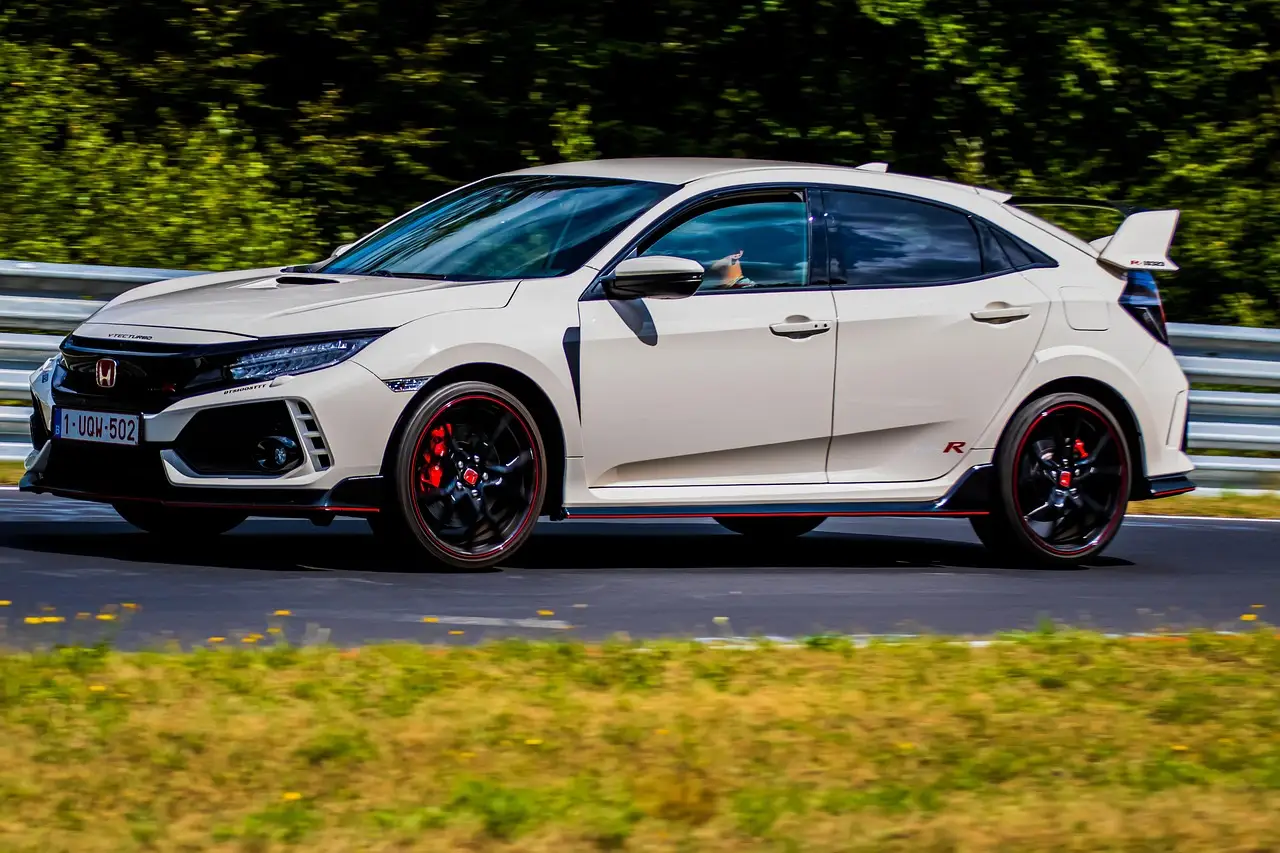
Most 2019 Civic sedans use the 2.0-liter or 1.5-liter turbo engine, while hatchback and Si buyers are more likely to see the turbo setup and a different service pattern tied to the transmission. A CVT changes fluid service cost and cadence. Manual cars shift the budget toward clutch-related inspection rather than CVT fluid work.
Normal use versus severe use intervals
Normal driving usually means a longer gap between services, while severe use pulls the calendar in. Short trips, long idling, dusty roads, steep grades, hot weather, and repeated stop-and-go traffic shorten oil life and fluid life. I’d use the Maintenance Minder first, then shorten the interval if the car sees hard use.
How to read the schedule against mileage, not guesses
Budget by mileage bands instead of waiting for a warning lamp. That means planning for inspection-only visits early, then stacking in tires, brakes, filters, and fluids as mileage climbs. The routine items are predictable. The expensive items usually show up when a visit was delayed too long.
According to automobiles.honda.com — Honda’s current vehicle lineup page lists a 2026 Civic Sedan with a starting MSRP of $24,695.
How Honda Maintenance Minder works on a 2019 Civic
The Maintenance Minder is Honda’s reminder system, and on a 2019 Civic it is the best guide for timing routine service. It uses oil life percentage plus A and B service codes, with sub-codes that point to specific work. When the oil life drops low enough, the service due soon or maintenance required alert appears.
What A and B service codes mean
A service generally means an engine oil change and related inspection. B service is broader and usually adds a more complete inspection set, including brake parts, steering, suspension, and fluid checks. The code tells the shop what to do, but it does not erase the need to inspect wear items for real-world condition.
What sub-codes 1, 2, 3, and 7 mean
Sub-code 1 points to tire rotation. Sub-code 2 usually means the air cleaner and cabin filter should be inspected or replaced, and the drive belt should be checked. Sub-code 3 is transmission fluid service. Sub-code 7 is brake fluid replacement, which matters because old brake fluid can add cost if it contributes to rusted or sticky hydraulic parts.
Oil life percentage, service due soon lights, and maintenance required alerts
Honda’s system is based on oil life, not a fixed mileage alone. The car watches driving conditions and estimates remaining oil life. Once the reminder appears, schedule the visit soon rather than putting it off for months. This matters most on turbo cars and on owners who stack short trips or hard use.

How much does 2019 Civic maintenance cost by mileage band?
Costs vary by region, shop type, and vehicle condition, but a useful budget starts with mileage bands. The table below separates routine work from the surprises that push a visit higher. Dealer pricing usually lands at the top of the range, independent shops often sit in the middle, and DIY costs depend on tools and access.
| Mileage band | Typical line items | Oil and filter | Tires | Brakes | Fluids | Spark plugs | Inspection-only visit | Dealer vs independent shop vs DIY |
|---|---|---|---|---|---|---|---|---|
| 0–15k | Oil change, tire rotation, basic inspection | $60–$120 | $0–$30 for rotation; replacement usually not due | $0 unless pad wear is already abnormal | $0–$40 for top-offs or checks | Not due | $20–$80 | Dealer: $90–$180; independent: $60–$140; DIY: $35–$70 |
| 15k–30k | Oil change, rotation, cabin/engine filter timing, brake check | $60–$120 | $25–$100 for rotation and alignment check | $0–$250 if pads are near limit | $0–$120 for minor fluid service | Not due | $40–$100 | Dealer: $140–$280; independent: $100–$220; DIY: $40–$95 |
| 30k–60k | Oil change, transmission fluid, brake fluid, filters, brakes as needed | $60–$130 | $25–$120 rotation; replacement if tread is low | $180–$450 for pads; $350–$700 with rotors | $80–$220 | Usually not yet; manual and hard-use cars may vary | $60–$140 | Dealer: about $300–$900; independent: about $180–$600; DIY: about $90–$280 |
| 60k–100k | Oil change, spark plugs, coolant timing, belt inspection, brakes | $60–$130 | $25–$120 rotation; tires may now be due | $180–$700 depending on wear and rotor condition | $120–$280 | $180–$450 | $60–$140 | Dealer: $500–$1,200; independent: $320–$900; DIY: $140–$450 |
What gets checked at oil changes and inspection-only visits?
Oil changes on a 2019 Civic are more than draining oil. A good visit also checks the filter, tire condition, brake lining, fluids, battery condition, hoses, and visible leaks. An inspection-only visit is cheaper, but it should still catch the problems that turn a routine appointment into a repair bill.
Engine oil and filter service points
The Civic uses synthetic oil in routine service, and the filter should be replaced with every oil change. The technician should check for leaks, drain plug condition, oil level, and evidence of contamination. If oil life was ignored too long, sludge or dark contamination can add time and cost.
Tire wear, brake lining, and fluid level checks
Tire rotation and tread inspection belong in the same visit. Uneven shoulder wear can point to low pressure or alignment trouble. Brake lining should be measured, and rotor surface condition matters too. Low fluid levels can signal wear or a leak, and that is where a cheap visit can become a diagnosis.
Battery, lights, hoses, and underbody inspection items
A solid inspection includes battery health, headlight and brake light function, cracked hoses, exhaust hangers, and splash shield damage. These items do not always trigger a warning light. They do, however, explain squeaks, slow starts, and small leaks before they turn into a breakdown.
What should I budget for brakes, tires, and alignment?
Brake, tire, and alignment work is where many Civic owners get surprised. Pads and tires wear with driving style, while alignment problems create uneven wear that shortens tire life. Budget for these items separately from oil service, because they often arrive on their own timetable.
Pad thickness and rotor condition
Brake pads are usually a wear item first, while rotors become a cost driver when they are scored, warped, or below service spec. Thin pads can make noise and damage rotors. That is how a moderate brake job becomes a larger one. A car with normal use may only need pads; an overdue car may need pads and rotors.
Brake fluid timing and symptoms that increase cost
Brake fluid is usually on a time-based cycle, often around 3 years for many owners. Spongy pedal feel, dark fluid, ABS warnings, or corrosion in the hydraulic system can push the bill higher. If fluid is ignored for years, bleeding the system may be only part of the fix.
Rotation interval, uneven wear, and alignment checks
Tire rotation is one of the cheapest ways to slow wear. If the Civic pulls to one side, shakes at speed, or wears tires unevenly, an alignment check should follow. Alignment work itself is usually cheaper than a set of tires worn out early.
When do transmission fluid, coolant, spark plugs, and the drive belt come due?
These are the services that separate a routine year from a big year. Automatic and manual cars do not share the same transmission schedule, coolant is time-sensitive as well as mileage-sensitive, spark plugs are labor-heavy, and the drive belt needs inspection before it fails.
Automatic versus manual transmission service timing
Automatic Civics, especially CVT-equipped cars, should have fluid service on the Maintenance Minder schedule, often in the 30,000- to 60,000-mile window depending on use. Manual transmission service is usually less expensive, but it still needs attention. Waiting too long can turn a fluid change into a wear problem.
Long-life coolant interval and time-based replacement
Honda long-life coolant lasts a long time, but it is not forever. Time matters as much as mileage. A Civic that sees low annual miles can still need coolant age-related service. Overdue coolant raises the odds of corrosion, weak water pump performance, and heat-related failures.
Spark plug mileage and labor cost
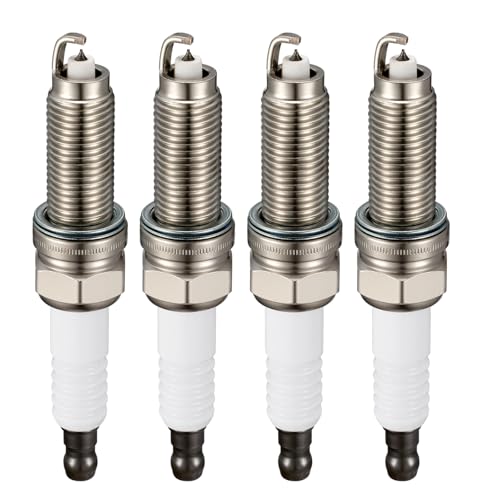
Spark plugs are usually a higher-mileage item, and labor drives the price more than the plugs themselves. Access is tighter on some turbo setups, so the job can be slower than owners expect. Misfires, rough idle, and poor fuel economy are the usual signs the plugs are overdue.
Drive belt inspection and replacement triggers
The drive belt should be inspected for cracking, glazing, fraying, and noise. Age matters here too. A belt can look fine at a glance and still be near failure. If it squeals on cold start or with steering load, the inspection should happen sooner rather than later.
Dealer, independent shop, or DIY: where the money goes
Dealer service is usually the most expensive, but it can be the easiest fit for owners who want factory parts, recall handling, and Maintenance Minder resets done in one stop. Independent shops often give the best balance of price and flexibility. DIY works best for oil, filters, and some rotation work.
Typical price spread by service type
Oil changes are the cleanest example. Dealers often charge roughly double a DIY oil change once labor and shop supplies are included. Brake work shows a larger spread because rotor replacement and fluid bleeding add labor. Spark plugs and transmission fluid sit in the middle, where labor is the main cost.
When dealer pricing makes sense
Dealer pricing can make sense when the car is still under warranty, when the owner wants a factory scan for a warning light, or when a software reset and service record matter. It also helps on tricky complaints like intermittent transmission behavior or a Maintenance Minder issue that does not clear correctly after service.
What a DIY owner can realistically save
DIY owners usually save most on oil, filters, air filters, and some brake and tire rotation work. The limits are real: brake fluid bleeding, spark plugs on tight engines, and transmission fluid service can get messy fast without the right tools. Cheap parts help less than good process.
What repairs are most common on a 2019 Honda Civic?
Common repairs on a 2019 Civic are usually wear-related first: brakes, tires, batteries, filters, and fluids. More serious repairs show up when maintenance was delayed. Repair listings for this model also commonly include brake pad replacement, alternator replacement, transmission replacement, and water pump replacement.
What warning signs push the bill higher
Noisy brakes, vibration under braking, harsh shifting, coolant loss, and repeated warning lights are the red flags. These symptoms often mean the car has moved past simple maintenance. A brake job becomes rotors and fluid. A fluid service becomes a diagnosis. A small leak becomes a failed component.
How overdue service changes the bill
Overdue oil service can mean contamination and more inspection time. Overdue brake fluid can mean seized hardware. Old transmission fluid can make a service more cautious and more expensive. That is why the cheaper visit is the one that happens on time.
Frequently asked questions
What is the maintenance schedule for a 2019 Honda Civic?
The schedule centers on oil changes, tire rotations, inspections, and maintenance minder codes. Most owners will see 7,500-mile or 12-month oil service, with brakes, transmission fluid, coolant, plugs, and belt inspections added later. Severe use shortens the timing, so mileage and driving pattern both matter.
How often does a 2019 Honda Civic need service?
Routine service usually comes every 7,500 miles or once a year, with more frequent visits if the car sees hard use. The Maintenance Minder is the practical trigger. If the oil life drops and the reminder appears, the next service should not be delayed for months.
How much does Honda Civic maintenance cost for a 2019 model?
Basic visits can stay under $150, while larger 30,000- to 100,000-mile service windows often land between $300 and $1,200 depending on wear and shop type. Dealer pricing usually runs highest. Independent shops often cost less. DIY can cut the bill, but only for jobs the owner can actually handle.
What does the maintenance minder mean on a 2019 Civic?
It is Honda’s service reminder system. A and B codes point to oil service and broader inspections, while sub-codes call out tire rotation, filters, transmission fluid, and brake fluid. Oil life percentage and the reminder lights tell the owner when service is due soon.
What services are usually done at 30,000 miles on a 2019 Honda Civic?
Thirty thousand miles is where the budget often grows. Expect oil service, tire rotation, filter checks, brake inspection, and possibly transmission or brake fluid depending on the Maintenance Minder. If the tires are wearing unevenly or the brakes are thin, that visit can jump in price fast.
Are maintenance costs different for Civic sedan, hatchback, or Si models?
Yes. The core schedule overlaps, but body style, engine, and transmission change the bill. Hatchback and Si models may carry different fluid and labor costs, and CVT-equipped cars often cost more to service than manuals. The best budget is the one matched to the exact powertrain.
Products related to this article
Sponsored / affiliate links. As an Amazon Associate I earn from qualifying purchases. I may earn additional commission from eligible campaigns.