Why Won’t My Honda Civic Turn On? Common Causes & Fixes
If your Honda Civic won’t turn on, you’re likely dealing with a battery, starter, or fuel system issue. This post walks through the most common reasons your Civic won’t start and how to diagnose each one yourself.
Simply put, a Honda Civic that won’t turn on usually points to a dead or weak battery, a failing starter motor, a faulty alternator, or a fuel system problem. A systematic check of these components can save you time and money before calling a mechanic.
Key Takeaways
- Honda Civic won’t turn on is most often caused by a dead battery — check battery voltage first.
- A rapid clicking sound when turning the key almost always indicates a low battery or poor connection.
- Starter and alternator failures are common in Civics with over 100,000 miles and require specific tests.
- Fuel system issues like a clogged fuel pump or empty tank can prevent starting even with electrical power.
- Always check the ignition switch, fuses, and immobilizer system before replacing major parts.
Common Reasons Why Your Honda Civic Won’t Turn On
When you turn the key or press the start button and nothing happens, several systems could be responsible. The most frequent culprits involve the electrical system, fuel delivery, or ignition components.
According to the National Institute for Automotive Service Excellence, battery-related issues account for roughly 55% of all no-start complaints in compact cars like the Honda Civic. Understanding the symptoms can help you pinpoint the problem quickly.
Here are the most common reasons a Honda Civic fails to start:
- Dead or weak battery — The battery drops below 12.4 volts and can’t deliver enough power to crank the engine
- Faulty starter motor — The starter solenoid clicks but the motor doesn’t engage the flywheel
- Bad alternator — The alternator fails to recharge the battery while driving, leaving you stranded later
- Clogged fuel pump — The pump cannot deliver fuel at proper pressure to the injectors
- Ignition switch failure — The switch doesn’t send the start signal to the starter circuit
- Blown main fuse or relay — A single blown fuse can disable the entire starting system
- Immobilizer system error — The security system doesn’t recognize the key chip and cuts power to the starter
Tip: If your Civic’s dashboard lights come on but the engine doesn’t crank, the battery is likely fine — focus on the starter and ignition circuit instead.
How to Diagnose a Dead Battery in Your Honda Civic
The battery is the easiest component to test and the most common cause of a Honda Civic that won’t turn on. You can check it with a simple multimeter or by observing the dashboard behavior.
When you turn the key, if the dashboard lights are dim or flickering, or if you hear a rapid clicking noise from under the hood, the battery is almost certainly the problem. A healthy battery should read between 12.4 and 12.7 volts when the car is off.
| Battery Voltage (Engine Off) | Condition | Action Needed |
|---|---|---|
| 12.6V or higher | Fully charged | Battery is fine — check other components |
| 12.4V – 12.5V | Moderate charge | May still start, but recharge soon |
| 12.0V – 12.3V | Low charge | Likely won’t start — charge or jump the battery |
| Below 12.0V | Very low / dead | Replace or fully recharge the battery |
Check the battery terminals for corrosion as well. White or blue buildup on the terminals can block electrical flow even if the battery has good voltage. Clean the terminals with a wire brush and baking soda solution if needed.
If the battery voltage is below 12.0 volts, try jump-starting the Civic. If it starts and then dies shortly after, your alternator may also be failing.
Warning: Never attempt to jump-start a frozen battery. If the temperature is below freezing and the battery is completely dead, warm it up first to avoid explosion risk.
Why Does My Honda Civic Click But Not Start?
A rapid clicking sound when you turn the key is one of the most telltale signs of a starting system problem. This clicking usually comes from the starter solenoid trying to engage but lacking enough power to turn the engine over.
The clicking noise means the starter solenoid is receiving some current, but not enough to complete the circuit. You’ll typically hear a series of fast clicks — that’s the solenoid pulling in and dropping out repeatedly.
Here are the most likely causes of a clicking sound with no engine crank:
- Weak battery — The battery has enough power to trigger the solenoid but not enough to spin the starter motor
- Corroded battery terminals — Loose or dirty connections prevent full current from reaching the starter
- Bad starter solenoid — The solenoid itself is stuck or has burned contacts
- Poor ground connection — The ground strap from the battery to the chassis or engine block is loose or rusted
- Engine seized — Less likely, but if the engine is mechanically locked, the starter can’t turn it
The American Automobile Association (AAA) reports that corroded battery terminals account for roughly 17% of roadside assistance calls for no-start conditions. Cleaning the terminals is a quick fix that often resolves the clicking symptom.
If the clicking is a single loud click followed by silence, the starter motor itself may be locked or the engine could be seized. Try turning the crankshaft pulley by hand with a socket wrench to see if the engine rotates freely.
Important: If your Civic clicks but won’t start and the battery tests fine, the starter is the next component to check. A starter replacement on a Honda Civic typically costs between $350 and $550 including labor.
How to Test the Starter and Alternator in a Honda Civic
If the battery checks out fine, the starter and alternator are the next suspects. These two components work together — the starter cranks the engine, and the alternator keeps the battery charged once the car is running.
Testing the starter on a Honda Civic is straightforward. You’ll need a multimeter and a helper to turn the key while you listen and measure. Here’s the step-by-step process:
- Set your multimeter to DC voltage (20V scale)
- Connect the red lead to the starter solenoid’s main terminal (the large wire from the battery)
- Connect the black lead to a clean ground on the engine block
- Have your helper turn the key to the START position
- The voltage should drop below 12V — if it stays at battery voltage, the solenoid isn’t engaging
For the alternator test, start the car (if it will start) and measure the battery voltage with the engine running. A healthy alternator should produce between 13.8 and 14.8 volts at the battery terminals. If the voltage is below 13.5 volts while running, the alternator isn’t charging properly.
| Component | Test Method | Healthy Reading | Common Symptoms |
|---|---|---|---|
| Starter | Voltage drop test with key turned | Solenoid clicks, motor spins | Single click, grinding noise, silence |
| Alternator | Voltage at battery while running | 13.8V – 14.8V | Dim lights, dead battery, whining noise |
| Battery Cables | Visual inspection and continuity test | Clean terminals, no corrosion | Intermittent starting, clicking |
According to a 2023 survey by the Car Care Council, 31% of vehicles tested had weak or failing alternators. If your Civic starts but the battery dies again after driving, the alternator is almost certainly the cause.
What Are the Fuel System Causes for a No-Start?
Even if your Civic has perfect electrical power, it won’t start without fuel reaching the engine. Fuel system problems can mimic electrical failures, so it’s important to check this system if the engine cranks but doesn’t fire up.
When you turn the key to the ON position (before cranking), you should hear a faint whirring sound from the rear of the car — that’s the fuel pump pressurizing the system. If you don’t hear that sound, the fuel pump or its relay may be dead.
Here are the most common fuel system issues that prevent a Honda Civic from starting:
- Empty fuel tank — The most obvious but often overlooked cause, especially if the gauge is inaccurate
- Clogged fuel filter — A restricted filter starves the engine of fuel, causing a no-start or rough idle
- Faulty fuel pump — The pump motor fails due to age or debris contamination
- Bad fuel pump relay — The relay controls power to the pump; if it fails, the pump won’t run
- Fuel line blockage — Debris or rust in the fuel lines restricts flow to the engine
- Old or contaminated fuel — Gasoline degrades over time, especially if the car has been sitting for months
Tip: If you suspect a fuel pump issue, turn the key to ON and listen near the rear seat. A healthy pump whirs for 1-2 seconds then stops. No sound means the pump isn’t running.
You can test fuel pressure with a gauge connected to the fuel rail. A Honda Civic should show between 40 and 50 psi at the rail when the pump primes. If the pressure is below 30 psi, the pump or filter is likely restricted.
Honda recommends replacing the fuel filter every 30,000 miles on older Civic models. If you’ve skipped that service, a clogged filter could be the reason your Civic won’t turn over after starting briefly.
How to Check the Ignition System on a Honda Civic
The ignition system delivers the spark that ignites the fuel-air mixture in the cylinders. If the battery and starter crank the engine but it still won’t fire, the fault lies in the ignition system or fuel delivery.
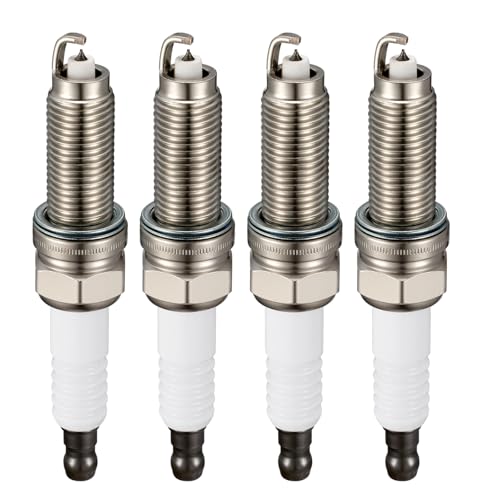
On a Honda Civic, the ignition system includes the spark plugs, ignition coils, distributor (on older models), and the crankshaft position sensor. Any one of these can cause a no-start condition even if the engine turns over normally.
Here’s how to systematically check the ignition components:
- Spark test — Pull one spark plug wire, insert an old spark plug, ground it to the engine, and crank. A strong blue spark means the ignition system is working
- Check spark plugs — Remove and inspect each plug for wear, carbon buildup, or oil fouling
- Inspect ignition coils — Look for cracks or burn marks on the coil packs; measure primary and secondary resistance with a multimeter
- Test the crank sensor — A failed crankshaft position sensor will prevent the engine control unit from firing the coils
- Check the distributor — On models like the 2000-2005 Civic, the distributor cap and rotor can wear out and block spark
| Ignition Component | Average Lifespan | Replacement Cost |
|---|---|---|
| Spark Plugs | 30,000 – 100,000 miles | $40 – $100 |
| Ignition Coils | 80,000 – 100,000 miles | $150 – $300 per set |
| Distributor | 60,000 – 80,000 miles | $250 – $450 |
| Crank Sensor | 100,000+ miles | $80 – $150 |
According to Honda technical service bulletins, the crankshaft position sensor is a known failure point on 8th and 9th generation Civics (2006-2015). If your Civic cranks but won’t start and the tachometer doesn’t move during cranking, the crank sensor is likely the culprit.
Important: The immobilizer system on 2006 and newer Civics can also prevent starting. If the green key light on the dash flashes rapidly, the system doesn’t recognize your key chip. Try your spare key before replacing parts.
When to DIY vs. Call a Mechanic for Your Honda Civic
Some no-start issues are simple enough for any DIYer to fix at home, while others require professional diagnostic equipment. Knowing where to draw the line can save you frustration and prevent unnecessary repairs.
Battery cleaning, jump-starting, fuel pump relay replacement, and spark plug changes are all safe DIY jobs. But starter replacement, alternator testing, and internal fuel pump work often require lifting the car or special tools.
Here’s a quick guide to help you decide:
- DIY-friendly: Battery terminal cleaning, jump-starting, checking fuses, replacing spark plugs, swapping the fuel pump relay
- Intermediate: Battery replacement, alternator replacement (if accessible), starter replacement on some models
- Professional needed: Crankshaft position sensor diagnosis, internal fuel pump replacement, engine mechanical issues, immobilizer reprogramming
Warning: If you’ve checked the battery, starter, alternator, and fuel system and still can’t find the problem, stop guessing. Replacing parts at random is expensive. A professional diagnostic scan can pinpoint the issue in minutes.
Most independent repair shops charge between $100 and $150 for a no-start diagnostic. That fee is often applied to the repair cost if you choose to have them fix it. Dealership diagnostics run higher but include access to Honda-specific software.
If your Civic is in the driveway and not leaving you stranded, it’s worth spending a Saturday working through the checks in this guide. But if you’re stuck in a parking lot, a mobile mechanic or roadside assistance is often the better choice.
Frequently Asked Questions
Why won’t my Honda Civic start but the radio and lights work?
This typically points to a weak battery that has enough power for accessories but not enough to crank the starter. The battery may have a bad cell or be drained too low to handle the high current draw of the starter motor. Test the battery voltage under load to confirm.
Can a bad alternator cause a Honda Civic not to start?
Yes, a bad alternator can drain the battery completely if the car was driven with a failing alternator. However, the alternator itself doesn’t prevent starting — it only charges the battery. If the battery is dead because the alternator failed, the car won’t start until the battery is recharged or replaced.
What does it mean when my Honda Civic clicks once and won’t start?
A single loud click usually means the starter solenoid is engaging, but the starter motor itself is stuck or the engine is seized. It can also indicate a severely corroded battery terminal that allows just enough current for the solenoid but not the motor. Check the battery cables first, then test the starter.
Why does my Honda Civic crank but not fire up?
If the engine cranks (turns over) but doesn’t start, the problem is in the fuel system or ignition system. Check for spark at the plugs and fuel pressure at the rail. Common causes include a dead fuel pump, clogged fuel filter, bad ignition coils, or a failed crankshaft position sensor.
How do I reset the immobilizer on my Honda Civic?
If the green key light is flashing, the immobilizer system needs to be reset. Try turning the key to the ON position and leaving it for 10-15 minutes until the light stops flashing. If that doesn’t work, you may need a dealer scan tool to reprogram the keys.
Using your spare key is the simplest fix.
Final Thoughts
A Honda Civic that won’t turn on is almost always caused by one of a few common problems: a dead battery, a failing starter, a bad alternator, or a fuel system issue. By following the diagnostic steps in this guide, you can identify the root cause quickly and avoid unnecessary repairs. Start with the battery and work your way through the starting, charging, and fuel systems in order.
Most issues are fixable at home with basic tools and a little patience.
Products related to this article
Sponsored / affiliate links. As an Amazon Associate I earn from qualifying purchases. I may earn additional commission from eligible campaigns.