Ford Brake Pedal Feels Soft: What It Means
A soft, mushy, or sinking brake pedal on a Ford usually points to air in the hydraulic system, low fluid from a leak, worn master cylinder seals, or a brake-booster problem; if the pedal sinks to the floor or braking is weak, do not drive it. Ignoring it can mean longer stopping distances, brake loss, or damage from a fluid leak. This guide helps you match pedal feel to the likely fault and decide whether to drive, inspect, or tow.
Causes of a soft or spongy brake pedal

A soft brake pedal means the brake system is losing hydraulic pressure. Ford brakes depend on a master cylinder, brake fluid, brake lines, calipers, and, on some vehicles, rear wheel cylinders to transfer pedal force to the wheels. Because brake fluid does not compress much, changes in pedal feel usually point to air, fluid loss, heat-related vapor pockets, or internal bypass inside the master cylinder.
On a Ford, the brake pedal can feel “mushy” or travel farther than it used to when pressure is not reaching the wheel brakes cleanly. That is different from a hard pedal with poor assist, which points more toward vacuum booster or assist issues than hydraulic loss. Keep that split in mind. It narrows the diagnosis fast.
What air, fluid loss, and internal bypass do to feel
Air in the brake lines compresses under pressure. That creates a spongy pedal, extra travel, and a pedal that may firm up after pumping. Fluid loss does the opposite in a different way: it reduces the amount of hydraulic pressure available, so the pedal can go low, feel inconsistent, or sink farther than normal. A master cylinder with internal seal bypass can let pressure leak past its own seals, which often shows up as a pedal that slowly sinks while held steady.
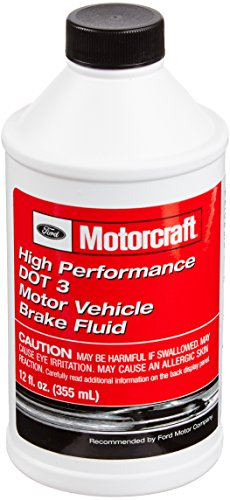
Moisture-contaminated brake fluid can also lower boiling point and create vapor pockets when heat builds. That can make the pedal feel mushy after braking, towing, hill driving, or repeated stops. Brake fluid should be replaced every 2 to 3 years for that reason.
Why pedal feel matters more than pad thickness
Worn brake pads are a different issue from a soft pedal. Pad wear can increase pedal travel a little as the caliper pistons move outward, but it does not usually create a truly soft or sinking pedal by itself. If the pedal feels soft from the first press, focus on hydraulic causes first, not pad thickness alone.
Say your F-150 pedal feels normal at the start of a commute, then gets long after a few hard stops on a steep road. That pattern points more toward heat, fluid condition, or vapor pockets than pad wear. The fix path is different, and the driving risk is higher.
Brake pedal triage table
| Symptom pattern | Likely cause | Quick driveway check | Urgency | Next step |
|---|---|---|---|---|
| Pump firms then sinks | Air in the lines or a slow leak | Press the pedal 2–3 times with the engine on; if it firms then drops back, suspect trapped air or pressure loss | High | Do not push normal driving; inspect for leaks and plan a bleed |
| Soft from the first press | Air, low fluid, or fluid contamination | Compare first press to second press; check reservoir level and look under the vehicle | High | Inspect fluid level, lines, hoses, calipers, and wheel cylinders before driving far |
| Pedal slowly sinks held steady | Master cylinder internal bypass | Hold steady pressure for 20–30 seconds; if the pedal keeps dropping, note the change | Critical | Do not drive; the master cylinder may need replacement |
| Brake or ABS light is on | Low fluid, wheel-speed sensor fault, ABS hydraulic control unit issue, or related hydraulic problem | Check fluid level and scan for codes if available | High | Inspect soon; if braking feels soft, tow instead of driving |
| Recent brake service | Air introduced during pad, caliper, hose, or ABS work | Check whether the pedal changed right after service or after a brake bleed | High | Return for a proper bleed; some Ford ABS systems need a scan-tool bleed procedure |
| Visible fluid loss | External leak at a line, hose, caliper, wheel cylinder, or fitting | Look for a puddle of clear to slightly yellow fluid, wet backing plates, or damp hose sections | Critical | Do not drive; tow and repair the leak first |
Does the pump test point to air in the lines?
A firmer second press often points to air in the brake lines or a hydraulic system that has not been bled correctly. The pump test can reveal air or a slow leak if the pedal firms then sinks. If the pedal improves with repeated pumping, air is high on the list, but it does not rule out a leak or a master cylinder fault.
What a firmer second press usually means
Air compresses, so the first press uses some pedal travel to squeeze that air instead of moving the caliper pistons fully. The second or third press can feel better because the trapped air has already been compressed. That is why a spongy pedal after brake work often points to incomplete bleeding.
When pumping does not rule out a leak
A pump test can look better for a moment even when a leak is present. A small leak may not empty the system instantly, but it still lowers pressure over time. If the reservoir is low, the pedal changes while driving, or the same soft feel returns after a short wait, treat it as a hydraulic problem, not a temporary pedal quirk.
Recent brake work matters. A pad or caliper replacement on a Ford can open the hydraulic system long enough to trap air, and some ABS-equipped trucks, SUVs, and hybrids need an ABS bleed procedure to clear air from the hydraulic control unit. A normal hose bleed may not be enough.
What if the pedal sinks while you hold it?
A pedal that slowly sinks under steady pressure can indicate master cylinder failure. If the pedal moves downward while your foot holds a constant force, the master cylinder may be bypassing fluid internally. That is a strong warning sign, and it is more serious than a simple soft pedal that firms up with pumping.
Master cylinder internal seal bypass
Inside the master cylinder, seals should hold pressure in separate hydraulic circuits. If those seals wear or bypass, fluid slips past the piston instead of staying under pressure. The result is a pedal that feels okay at first, then drifts down. That is a different pattern from air, which usually gives a springy or spongy feel.
External leaks at lines, hoses, calipers, or wheel cylinders
Brake lines and flexible hoses can leak externally, corrode, pinhole, or swell and reduce braking pressure. On older Ford trucks and salt-exposed vehicles, steel line corrosion is common enough to inspect carefully along frame rails, union points, and rear axle sections. Look for wet fittings, rusty swollen lines, damp hose blisters, or fluid near a caliper or wheel cylinder.
A visible puddle of clear to slightly yellow fluid near a wheel, inside a front tire, or under the master cylinder area is a strong clue. If the fluid level in the reservoir is dropping, do not keep testing the pedal on the road.
When the car should not be driven
If the pedal keeps sinking, reaches the floor, or braking confidence is poor, the vehicle should generally not be driven. A sudden drop to the floor mid-drive is treated as catastrophic failure. Tow it. A short trip to “see if it gets worse” is a bad trade when the hydraulic system may already be failing.
Suppose a Transit van has a pedal that slowly sinks at a stoplight, but the reservoir still shows fluid. That does not make it safe. Internal master cylinder bypass can happen before the reservoir empties, so the problem can be real even without a puddle on the ground.
Can old brake fluid make the pedal mushy?
Yes. Moisture-contaminated brake fluid lowers boiling point and can create vapor pockets, which changes pedal feel and braking consistency. Fluid that has absorbed water over time can also support internal corrosion in the master cylinder, ABS hydraulic control unit, calipers, and wheel cylinders. That is why old fluid can produce a mushy pedal even when the system has no obvious external leak.
Reservoir level clues
A low reservoir can point to pad wear, but it can also point to a leak. Check the level against the marks on the reservoir, then inspect for wetness at the master cylinder, brake lines, hose ends, calipers, and rear wheel cylinders on drum-brake models. If the level is below the minimum mark, treat the system as unsafe until the cause is found.
Flush timing and fluid condition
Brake fluid should be replaced every 2 to 3 years because fluid absorbs moisture over time. A flush is a common fix for air in the lines, but a flush is not a cure for a leak, a failed hose, or a bypassing master cylinder. If the pedal was soft after service, the repair may need a re-bleed rather than a separate part replacement.
Brake pedal feel tests and likely causes
First press vs repeated press
- Press the pedal once with normal force and note the travel.
- Release it and press again two or three times.
- If the pedal firms up, air in the lines rises on the list.
- If it stays soft from the first press, look harder for low fluid, a leak, or a fluid condition problem.
Steady-pressure sink test
Hold the pedal with steady pressure for 20–30 seconds. A pedal that slowly sinks under that load points toward master cylinder internal bypass. If the pedal stays steady but feels spongy, trapped air is more likely. If the pedal drops suddenly, stop testing and treat it as unsafe.
Normal pedal versus soft pedal comparison
A normal Ford brake pedal should feel firm and predictable, with little extra travel after the pads take up clearance. A soft pedal travels too far, feels compressible, or changes noticeably between presses. If one Ford in the same household feels firm and another does not, that comparison is useful: the bad one is usually not “normal for the model.”
Is it safe to drive with a soft brake pedal?
Not usually. A soft pedal means the brake system is losing hydraulic pressure, and braking distance can increase fast. If the pedal is only slightly lower than normal and still stops the vehicle confidently, you can move it a very short distance to a shop with caution. If it sinks, reaches the floor, or needs pumping to stop well, do not drive it.
Brake booster problems can be confused with hydraulic problems, but they feel different. A booster fault usually gives a hard pedal with poor assist, not a mushy one. If the pedal is soft, focus on the hydraulic side first: fluid, lines, hoses, master cylinder, calipers, wheel cylinders, and ABS hydraulic components.
Frequently asked questions
Why does my Ford brake pedal feel soft?
On a Ford, a soft brake pedal usually means the hydraulic system is not holding pressure well. Air in the lines, low fluid from a leak, moisture-contaminated fluid, a bypassing master cylinder, or a rarer ABS hydraulic fault are the main causes. The exact feel pattern helps narrow which one is most likely.
What does it mean if the pedal firms up when I pump it?
That often points to air in the brake lines. Air compresses under pressure, so the first press feels long or spongy, and the next press can feel firmer. A pump test can reveal air or a slow leak if the pedal firms then sinks, so better feel after pumping is useful but not a final diagnosis.
Can worn brake pads make the brake pedal soft?
Worn pads can increase pedal travel a little, but they are usually not the main cause of a true soft or mushy pedal. If the pedal feels compressible, sinks, or changes after pumping, look at hydraulic causes first. Pad wear and hydraulic pressure loss are different problems and need different repairs.
How do I tell if a brake line is leaking?
Look for wet fittings, damp hoses, rusty or swollen steel lines, and a puddle of clear to slightly yellow fluid under the vehicle or near a wheel. A low reservoir adds weight to that clue. On older Fords, corrosion along the frame or rear axle hard lines is a common place to inspect closely.
Should I drive or tow my Ford if the pedal sinks to the floor?
Tow it. A pedal that sinks to the floor or suddenly drops mid-drive is treated as catastrophic failure. That pattern can mean a major leak or master cylinder failure, and the brake system may not stop the vehicle reliably. Do not try to “get home slowly” with that symptom.
Can old brake fluid make the pedal feel mushy?
Yes. Old fluid absorbs moisture, which lowers boiling point and can create vapor pockets under heat. That can make the pedal feel mushy, especially after repeated braking. Fluid age also matters because contaminated fluid can damage internal parts over time, so a flush is often part of the repair plan.
Products related to this article
Sponsored / affiliate links. As an Amazon Associate I earn from qualifying purchases. I may earn additional commission from eligible campaigns.