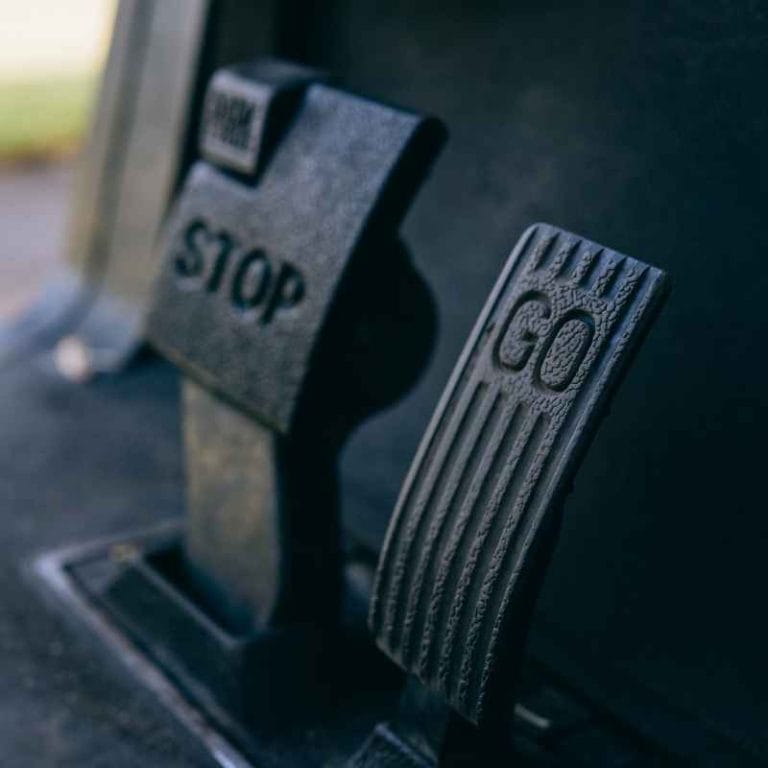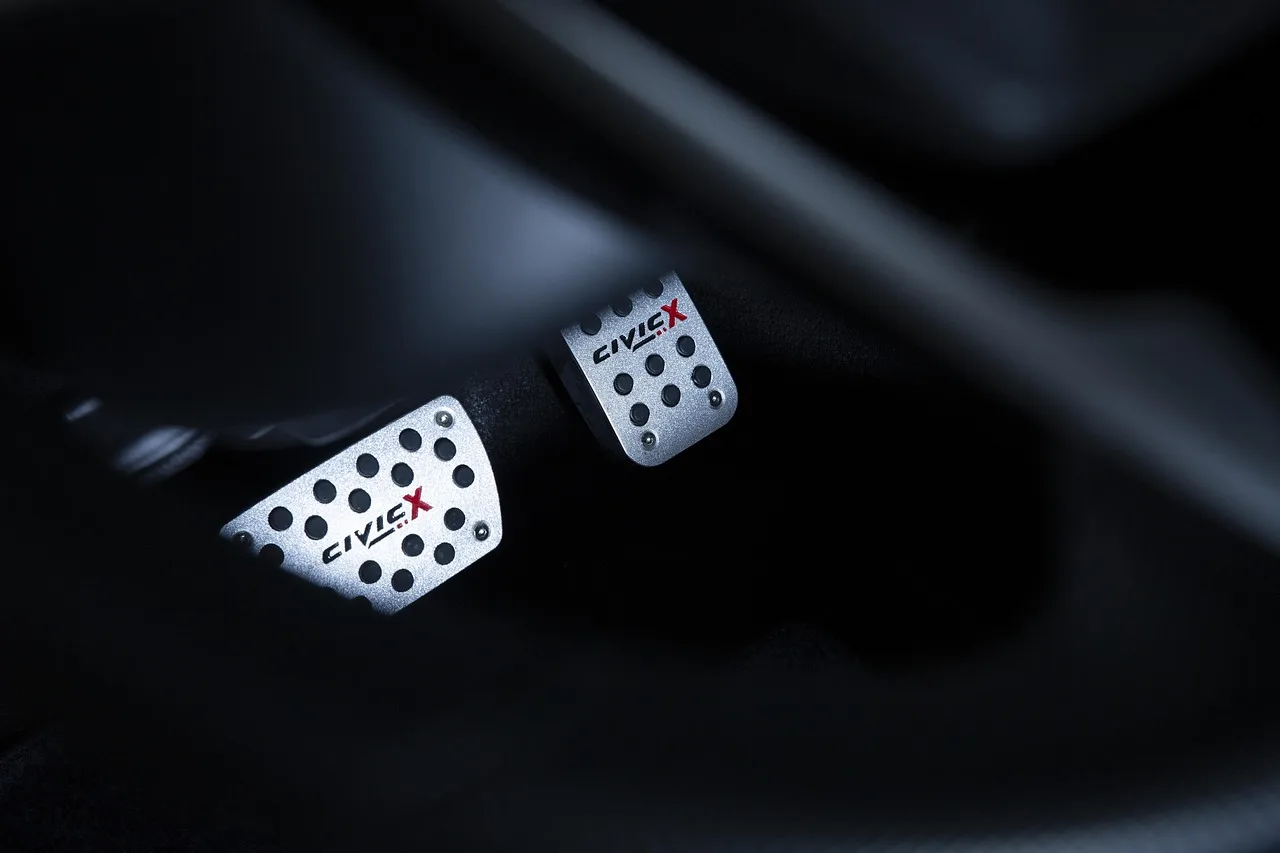
Why does my brake pedal feel soft? Common causes and fixes
A soft or spongy brake pedal often points to low brake fluid from a leak, air in the hydraulic lines, or a master cylinder that may be bypassing internally; if the pedal sinks toward the floor or braking feels weak, stop driving and have the car towed. Ignoring it can turn a longer stopping distance into a crash. This guide explains how soft, spongy, and sinking pedals differ, the common causes, and when to inspect, drive carefully, or tow.
This guide is part of our Car pedals: usage, problems and fixes series.
Why does my brake pedal feel soft?

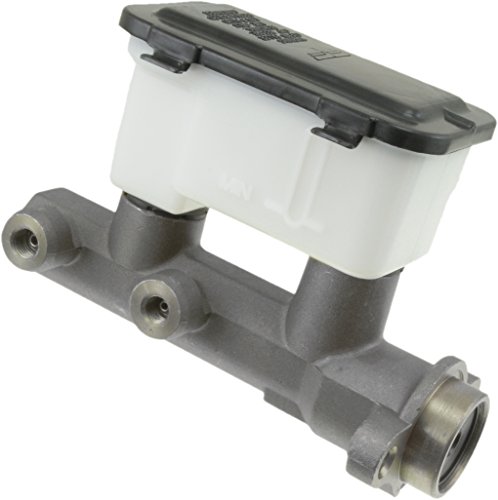
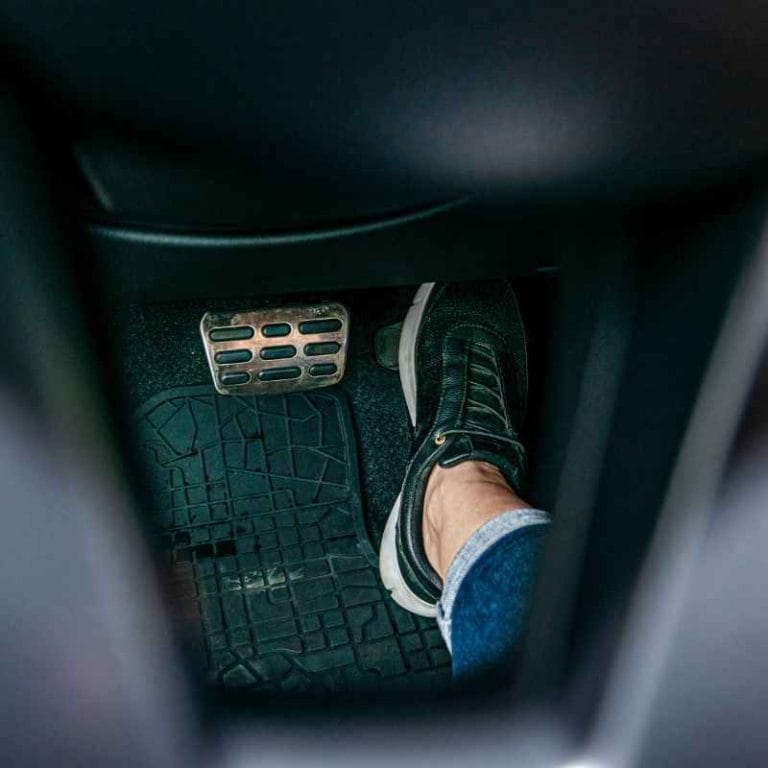
A soft brake pedal feels easier to press than normal and often travels farther before the brakes bite. That feel usually points to a hydraulic problem, such as low fluid, air in the lines, or a leak. A pedal that gets softer with repeated presses often signals trapped air or internal bypass in the master cylinder.
What a soft pedal feels like
A soft pedal usually has long travel, then a delayed but still firm stop. It may not sink on its own. The key clue is reduced firmness, not necessarily a complete loss of braking. If the pedal still stops the car but feels vague, the issue is usually within the hydraulic path rather than the brake booster.
How it differs from a spongy or sinking pedal
“Soft” and “spongy” are often used interchangeably, but they are not identical. Spongy usually means the pedal compresses like a spring, which strongly suggests air or a flexible hose that expands under pressure. A sinking pedal drops toward the floor while steady pressure is held, which can point more directly to a master cylinder seal bypass or a leak.
Why pedal feel matters for braking safety
Brake fluid must pass force from the pedal to the wheels without shrinking the pressure wave. If air, leaks, or swollen hoses steal that pressure, stopping distance grows fast. A pedal that changes feel from stop to stop should be treated as a diagnostic clue, not a nuisance. The car may still roll to a halt, but with less reserve if traffic or road conditions change.
What a soft brake pedal usually points to
Low fluid can be a clue, but it is rarely the whole diagnosis. Air in the brake lines, fluid loss from a leak, or worn pads that have extended the caliper pistons farther than usual can all change pedal feel. The fluid level and the condition of the hydraulic system should be checked together.
Say your sedan’s brake pedal starts feeling long after a brake light warning appears. If the reservoir is low and one rear wheel is damp inside the wheel well, the level drop is not the cause by itself. It is telling you that fluid left the sealed system somewhere.
Why does my brake pedal feel soft after brake work?
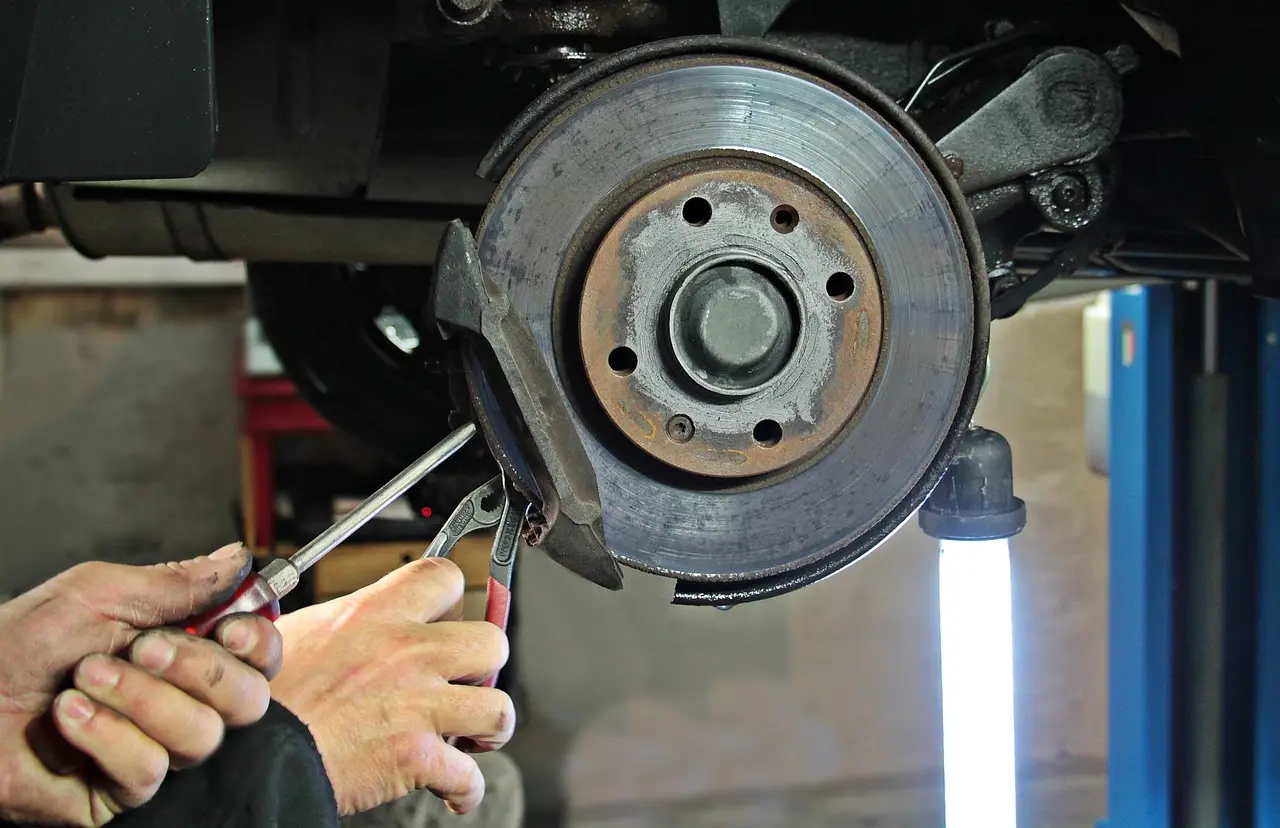
After pad, rotor, caliper, or hose work, a soft pedal usually means air entered the system or the hydraulic circuit was not bled in the right order. Recent service also can reveal pad knockback, a sticking caliper, or rear drum brakes that were not self-adjusted back to the shoes. That timing matters.
Air introduced during pad, rotor, or caliper service
Any time a brake line, caliper, or wheel cylinder is opened, air can enter the hydraulic system. Air compresses, so the pedal feels soft or spongy until it is removed by proper bleeding. If fluid was allowed to drain low during the job, the chance of air trapped in the circuit rises sharply.
Incorrect bleeding sequence
Bleeding sequence matters because air migrates through the lines in a predictable path. Many vehicles require a specific wheel order, and some ABS-equipped cars need scan-tool procedures or a pressure bleeder after service. A pedal that remains soft after a bleed often means the air was not removed from the highest point in the circuit.
Rear drum self-adjustment and pad knockback issues
Rear drum brakes can create a long pedal if the shoes are out of adjustment. On some cars, drum self-adjusters do not move enough after service or if hardware is worn. Disc brakes can also suffer pad knockback if a rotor runs out of true or a wheel bearing has play, which pushes the pads back from the rotor.
A common first-timer mistake is assuming new pads alone should make the pedal feel firm. If a caliper piston was retracted, a hose was opened, or rear drums were disturbed, the system may need a full bleed and a mechanical check before the pedal returns to normal.
What to check first after brake work
- Check the reservoir level and look for a fresh drop after a short drive.
- Inspect the bleeder screws, hose connections, calipers, and wheel cylinders for dampness.
- Confirm the correct bleeding order was used for that vehicle.
- Verify rear drum adjustment or rear caliper operation if the car has rear drums or a parking brake-linked adjuster.
- Stop driving and tow it if the pedal is near the floor or brake effort changes suddenly.
How the brake hydraulic system creates pedal firmness
The brake hydraulic system uses the master cylinder to turn pedal force into fluid pressure, then sends that pressure through brake lines and hoses to calipers or wheel cylinders. Brake fluid should transmit force with very little compression. If the fluid column contains air, leaks, or swelling hoses, the pedal feel changes before full brake failure appears.
Master cylinder function
The master cylinder has internal seals that convert pedal movement into hydraulic pressure. When those seals seal properly, pressure rises quickly and stays steady. If the seals bypass internally, fluid slips past the piston instead of holding pressure, and the pedal can sink or feel unusually soft.
Brake fluid as the force-transmitting medium
Brake fluid carries pressure from the master cylinder to the wheel ends. It must remain clean and within the correct DOT specification for the vehicle. Moisture in the fluid lowers boiling point, and boiled fluid can create vapor pockets that compress like air. That is why fluid condition matters as much as the level.
Brake lines, hoses, calipers, and wheel cylinders
Hard lines carry pressure through the chassis, while flexible hoses let suspension and steering move. Calipers on disc brakes and wheel cylinders on drum brakes convert pressure back into mechanical clamp force. A bulging hose, rusted hard line, leaking caliper seal, or leaking wheel cylinder can all reduce the pressure that reaches the wheel.
How do I tell if my master cylinder is bad?
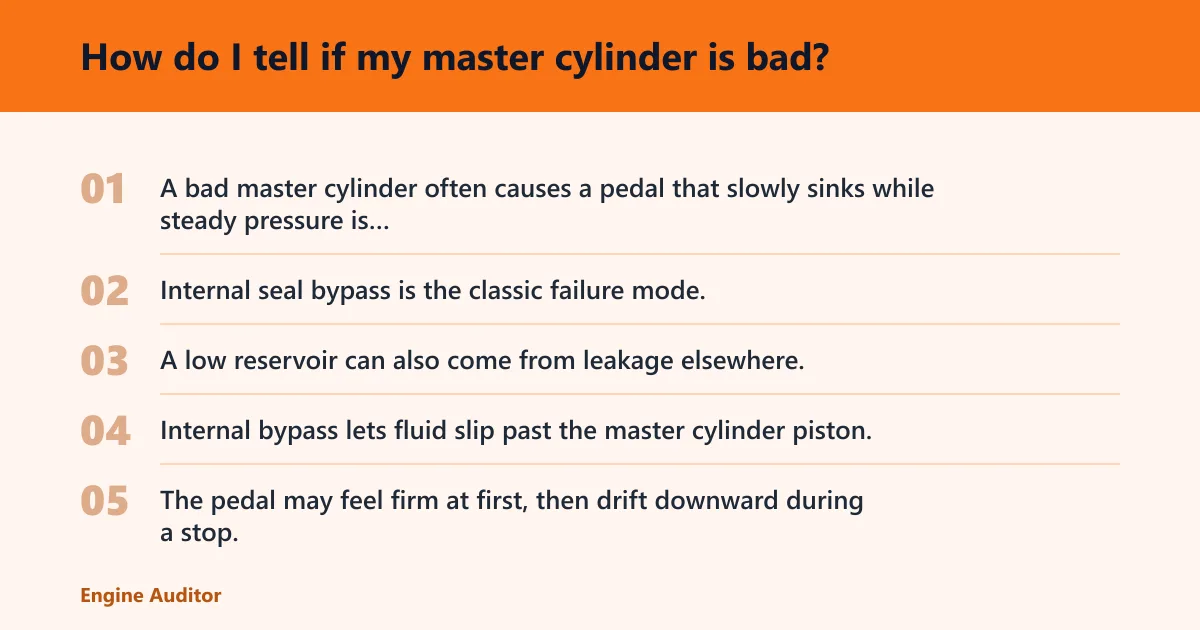
A bad master cylinder often causes a pedal that slowly sinks while steady pressure is held, especially if the reservoir level stays normal and no external leak is visible. Internal seal bypass is the classic failure mode. A low reservoir can also come from leakage elsewhere, so the level alone does not identify the master cylinder.
Internal seal bypass and slow pedal sink
Internal bypass lets fluid slip past the master cylinder piston. The pedal may feel firm at first, then drift downward during a stop. If pumping the pedal temporarily improves it, that does not clear the fault; it can simply move fluid back into position long enough to mask the leak path inside the cylinder.
External leakage clues
External leakage often leaves wetness at the rear of the master cylinder, under the booster, or around line fittings. Fluid can also drip onto the firewall or frame rail near the lines. Any visible leak should be taken seriously, because the reservoir can empty without an obvious puddle if the leak lands on hot parts or road spray scatters it.
Reservoir level and pedal-hold checks
Start with the reservoir. If it is low, refill only with the correct DOT fluid for the vehicle, then inspect why it dropped. Next, with the engine off, hold steady pressure on the pedal for a short time. A pedal that sinks under constant force points more toward master cylinder bypass or a system leak than booster trouble.
Could the brake booster be the problem?
The brake booster mainly changes pedal effort, not hydraulic softness. A booster fault usually makes the pedal hard, not spongy. The engine running-versus-engine off comparison helps separate assist problems from hydraulic ones. If the pedal is soft in both cases, look first at fluid, air, leaks, and the master cylinder.
Pedal assist versus pedal softness
The booster multiplies the driver’s force through vacuum assist or a similar system. It does not create braking pressure by itself. A failing booster commonly causes a high-effort pedal or hissing vacuum noise, while a soft pedal still points back to the hydraulic side unless another fault is present at the same time.
Engine running versus engine off comparison
With the engine off, the booster loses assist after a few presses and the pedal should feel firmer. Start the engine and the pedal should drop slightly as assist comes in. If the pedal remains soft in both states, the issue is usually not the booster. If effort changes a lot but firmness does not, booster diagnosis becomes more likely.
Vacuum supply and related symptoms
On vacuum-assisted systems, a broken vacuum hose, leaking check valve, or low engine vacuum can reduce assist. That can make braking feel unusually hard, especially at idle. It does not usually make the pedal spongy, so a soft-feel complaint should not be assigned to the booster until the hydraulic system has been checked.
How do I check for a brake fluid leak?
Check the reservoir first, then inspect the master cylinder, all four corners, and every visible brake line and hose for wetness. Brake fluid often strips dirt and leaves a clean, washed area around the leak. If the reservoir is dropping, there is a leak or another fluid-loss condition somewhere in the hydraulic circuit.
Where leaks often show up
Common leak points include line fittings at the master cylinder, rubber hose crimps, caliper seals, wheel cylinders, and rusted steel lines along the chassis. On vehicles with rear drums, look inside the backing plate area for damp linings or fluid streaks. A leak can be small enough to miss on flat pavement but still lower the reservoir over time.
How contamination, moisture, and boiling affect feel
Brake fluid absorbs moisture over time. That lowers the boiling point and can create vapor when the brakes get hot on a long descent or during repeated stops. Vapor compresses, so the pedal can feel soft after heat builds. Moisture also speeds internal corrosion in lines, calipers, and wheel cylinders.
Use this diagnostic table to narrow the cause
Use pedal feel, engine state, recent brake work, and fluid level together. One clue rarely solves it. The table below sorts common patterns into the most likely cause, the first inspection step, and whether the car should be driven, checked, or towed.
| Pedal feel and situation | Most likely cause | First inspection step | Action |
|---|---|---|---|
| Soft or spongy, engine off or on, recent brake repair, fluid level low | Air in brake lines or a leak after service | Inspect the work area, bleeders, hose joints, and reservoir | Check only; tow if pedal is near the floor |
| Soft with long travel, reservoir low, visible wetness at one wheel | Brake fluid leak at caliper, wheel cylinder, hose, or line | Look for damp backing plates, cracked hoses, or rusted hard lines | Tow |
| Pedal slowly sinks while held steady, reservoir stays near normal | Master cylinder internal seal bypass | Hold pressure with engine off and watch for sink | Tow |
| Soft after pad or rotor change, fluid level normal, no leak seen | Air introduced during service, pad knockback, or drum adjustment issue | Confirm bleeding order, rotor runout, and rear shoe adjustment | Check before driving far |
| Hard pedal, weak assist, engine running only | Brake booster or vacuum supply fault | Inspect vacuum hose, check valve, and engine vacuum source | Check, then repair |
| Soft after repeated hard braking, brake warning lamp on, fluid dark or old | Boiled or contaminated brake fluid | Inspect fluid color and service history, then bleed if needed | Check; tow if braking worsens |
Is a soft brake pedal dangerous?
Yes. A soft brake pedal is a safety issue because it can mean reduced pressure at the wheels, a longer stopping distance, or a system that may not be holding fluid properly. If the pedal is sinking, the car should not be driven. If the pedal is merely soft but still stopping poorly, treat it as urgent and inspect it before normal driving.
When to stop driving and get repairs
Stop driving if the pedal is sinking, the reservoir is dropping, brake warning lamps are on, or the car needs repeated pumping to stop. Those signs suggest a leak, master cylinder fault, or air trapped in the system. A brief neighborhood move is one thing; regular traffic is another. The safe margin is too small.
When bleeding is part of the fix
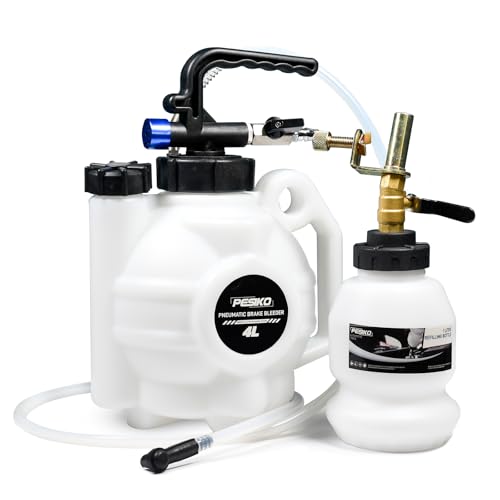
Bleeding is needed after air enters the system, after many hydraulic repairs, or after a fluid flush. It is not a cure for a leaking hose, worn seal, or rusted line. If bleeding improves the pedal only briefly, the fault remains in the system and should be found before more driving.
Frequently asked questions
Can low brake fluid cause a soft brake pedal?
Yes. Low fluid can cause a soft pedal because it lets air enter the hydraulic system or indicates that fluid has escaped through a leak. The fluid level is only the starting clue. The reason for the loss matters more, because topping off a leaking system does not restore safe braking.
Can air in the brake lines make the pedal feel soft?
Yes. Air compresses, so it turns a firm hydraulic system into one with extra pedal travel and a spongy feel. Air usually enters after brake work, hose replacement, caliper service, or a fluid loss event. Removing it requires bleeding the brakes in the correct sequence for that vehicle.
What causes a spongy brake pedal?
A spongy pedal is usually caused by air in the system, moisture-contaminated fluid, flexible hoses that expand under pressure, or less commonly pad knockback or drum adjustment issues. It feels springy rather than simply low. The brake booster is a weaker suspect unless the pedal is also hard or has changed assist.
What does it mean if the brake pedal slowly sinks?
A pedal that slowly sinks while steady pressure is held points strongly to internal bypass in the master cylinder or an active hydraulic leak. If the reservoir level is not dropping and no outside leak is visible, the master cylinder becomes the prime suspect. That symptom should be treated as a tow-level problem.
Why does my brake pedal feel soft when the engine is running?
If the pedal feels soft only with the engine running, compare assist behavior carefully. A booster problem usually changes effort more than softness, but a vacuum issue can make the pedal feel unusual. If the softness remains in both engine states, the brake hydraulic system is the more likely fault.
How do I tell if my master cylinder is bad?
Look for a pedal that sinks during a steady hold, especially with no external leak and a reservoir that stays full. Inspect the rear of the master cylinder for wetness, then test the pedal with the engine off. If the pedal slowly drops under pressure, the master cylinder should be suspect until proven otherwise.
Products related to this article
Sponsored / affiliate links. As an Amazon Associate I earn from qualifying purchases. I may earn additional commission from eligible campaigns.