Best Car Types List: Every Style Ranked for Every Driver
The automotive world is a vast landscape, offering vehicles for every lifestyle, personality, and driving need. Whether you’re shopping for your first car, upgrading to fit a growing family, or seeking adrenaline on the open road, understanding car types is crucial.
With technology and consumer preferences evolving rapidly, the line between categories often blurs, making it more important than ever to know what each style offers and which might suit you best.
This comprehensive guide ranks and explains every major car type on the market, from compact commuters to rugged off-roaders and luxury cruisers. We’ll explore strengths, drawbacks, and which drivers each style best serves, using real-world examples and data-backed comparisons. If you’re overwhelmed by choices or unsure which car class fits your lifestyle, this ranked list provides clarity, actionable advice, and a roadmap to your ideal drive.
Key Takeaways
- Every car type serves a distinct set of driver needs, from efficiency to performance and versatility.
- SUVs and crossovers dominate sales in the US, but sedans and hatchbacks remain popular for urban commuters.
- Electric vehicles (EVs) are rapidly expanding in every category, including trucks and luxury models.
- Consider your lifestyle, cargo needs, passenger count, and driving environment when choosing a car type.
- Comparison tables and real-world examples in this guide help clarify differences and assist your decision.
- No single car type is best for everyone, the top choice depends on individual priorities and use cases.
Compact Cars: Efficient, Affordable, And Urban-friendly
What Defines Compact Cars?
Compact cars are small, nimble vehicles designed for efficiency and practicality. Typically seating four to five passengers, they excel in fuel economy and are easy to park and maneuver in crowded cities. Popular examples include the Honda Civic, Toyota Corolla, and Mazda3.
Who Should Choose A Compact Car?
- Urban commuters who value fuel savings
- Students and first-time buyers seeking affordability
- Drivers with minimal cargo needs
Compact cars are especially attractive to younger buyers or those looking for a reliable daily driver without the higher costs associated with larger vehicles.
Strengths And Drawbacks
Strengths:
- High fuel efficiency (many models exceed 30 mpg combined)
- Lower purchase price and insurance premiums
- Easy to park in tight spaces
Drawbacks:
- Limited cargo and rear passenger space
- Less powerful engines compared to larger car types
- Not ideal for rough terrain or inclement weather
Real-world Example
The Toyota Corolla remains one of the world’s best-selling vehicles, in part due to its balance of efficiency, reliability, and low cost of ownership. According to Wikipedia, over 50 million Corollas have been sold globally as of 2026, a testament to the enduring appeal of compact cars.
Comparison Table: Compact Vs. Subcompact Vs. Midsize
| Feature | Subcompact | Compact | Midsize |
|---|---|---|---|
| Average Length | ~160 in | ~175 in | ~190 in |
| Seating | 4 | 5 | 5 |
| Combined MPG | 34-38 | 30-36 | 25-34 |
| Base Price (USD) | $16,000+ | $20,000+ | $25,000+ |

Credit: www.motor1.com
Sedans: Balance, Comfort, And Versatility
What Sets Sedans Apart?
Sedans are four-door cars with a traditional trunk and a focus on comfort, spaciousness, and balanced handling. They come in various sizes: compact, midsize, and full-size. Iconic models like the Honda Accord, Toyota Camry, and Hyundai Sonata have long been favorites for families and professionals alike.
Sedans For Different Drivers
- Midsize sedans are ideal for small families or those who regularly transport passengers.
- Full-size sedans offer more rear legroom and luxury features, targeting executives and those valuing comfort.
- Sport sedans (e.g., BMW 3 Series) blend performance with practicality for driving enthusiasts.
Strengths And Drawbacks
Strengths:
- Comfortable ride quality and interior space
- Typically better fuel economy than SUVs
- Wide range of price points and feature options
Drawbacks:
- Lower ground clearance than SUVs or crossovers
- Less cargo capacity compared to hatchbacks or wagons
- Market trend shifting toward SUVs reduces model variety
Example: Honda Accord
The Honda Accord is renowned for its spacious cabin, reliability, and strong resale value. In my experience, driving an Accord provided a blend of comfort and responsive handling rarely matched by SUVs at the same price point.
Pro Tip:
If you often carry large or awkward cargo, consider a hatchback or wagon instead of a sedan, as the trunk opening is much larger and easier to load.
Data Table: Sedan Sizes And Features
| Model | Segment | Rear Legroom (in) | Cargo Space (cu ft) | MSRP (Base) |
|---|---|---|---|---|
| Toyota Camry | Midsize | 38.0 | 15.1 | $26,420 |
| Honda Accord | Midsize | 40.4 | 16.7 | $27,295 |
| Chrysler 300 | Full-size | 40.1 | 16.3 | $34,295 |

Credit: robbreport.com
Suvs And Crossovers: Versatility For Modern Lifestyles
Defining Suvs Vs. Crossovers
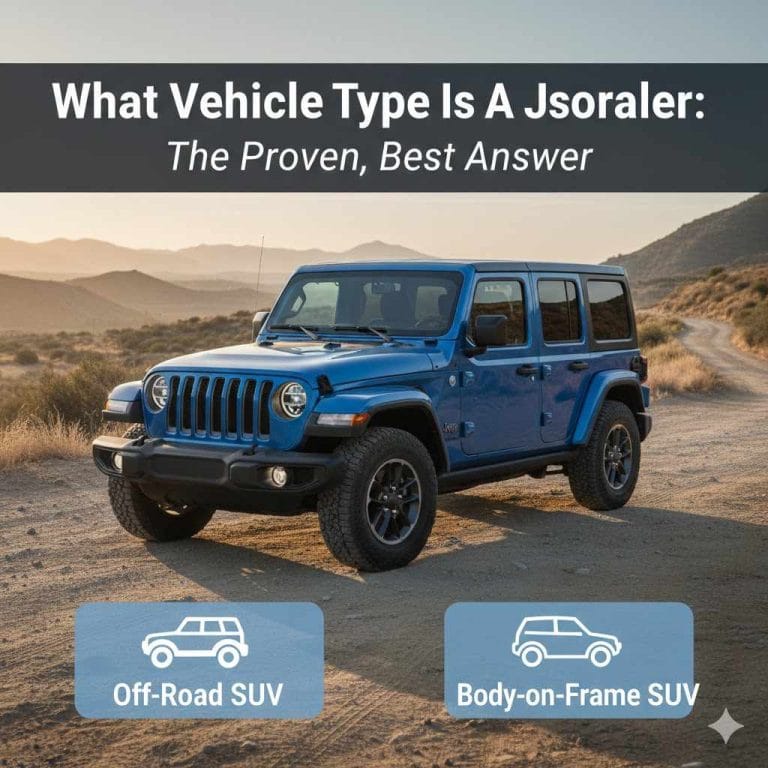
SUVs (Sport Utility Vehicles) and crossovers have overtaken sedans as the most popular car types in the US, offering elevated ride height, flexible cargo space, and available all-wheel drive. While traditional SUVs are built on truck frames (body-on-frame), crossovers use car-based platforms (unibody), making them lighter and more fuel-efficient.
Types Of Suvs And Crossovers
- Subcompact and Compact Crossovers: (e.g., Mazda CX-5, Honda CR-V) Perfect for city dwellers needing extra space.
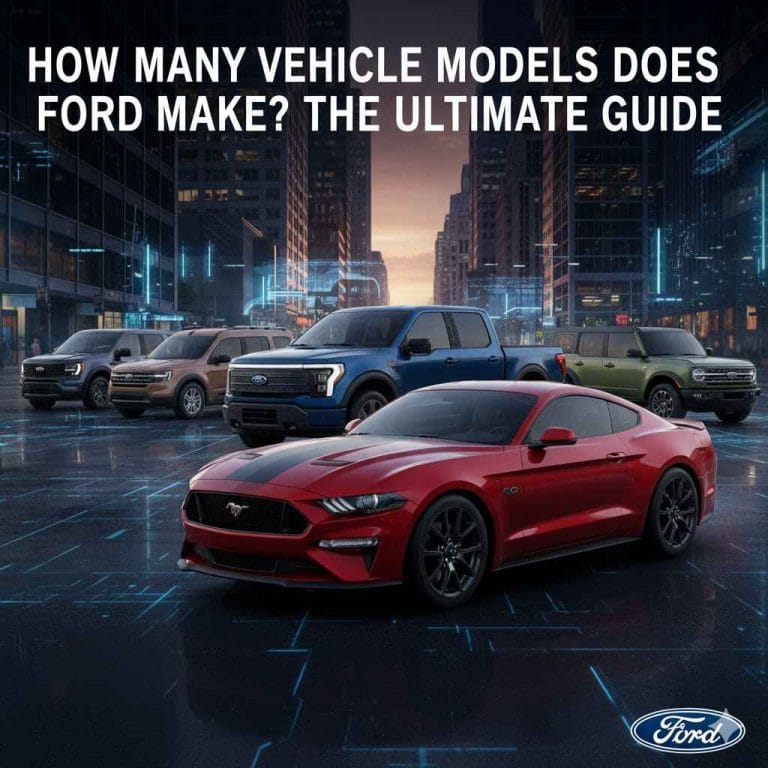
- Midsize SUVs: (e.g., Toyota Highlander, Ford Explorer) Balance space and drivability for families.
- Full-Size SUVs: (e.g., Chevrolet Tahoe, Ford Expedition) Maximize seating and towing for large families or heavy-duty needs.
- Off-Road SUVs: (e.g., Jeep Wrangler, Toyota 4Runner) Built for adventure and rough terrain.
Strengths And Drawbacks
Strengths:
- Elevated driving position and improved visibility
- Flexible interior configurations for passengers and cargo
- All-wheel or four-wheel drive options for adverse conditions
Drawbacks:
- Lower fuel efficiency than sedans or hatchbacks
- Higher purchase prices and potential maintenance costs
- Bulky size can be challenging in urban environments
Example: Ford Explorer
The Ford Explorer exemplifies the modern midsize SUV, offering three-row seating, advanced safety features, and multiple powertrain options. Its popularity among families highlights the SUV’s role as a versatile all-rounder.
Comparison Table: Suv Classes
| Type | Seating | Average MPG | AWD Availability | Best For |
|---|---|---|---|---|
| Subcompact Crossover | 5 | 28-34 | Optional | Urban drivers, singles |
| Midsize SUV | 5-7 | 22-28 | Standard/Optional | Families |
| Full-Size SUV | 7-8 | 15-22 | Standard | Large families, towing |
| Off-Road SUV | 4-5 | 15-22 | Standard | Outdoor enthusiasts |

Credit: www.pcgamer.com
Hatchbacks And Wagons: Practicality Meets Fun
Why Choose A Hatchback Or Wagon?
Hatchbacks and wagons blend the driving dynamics of sedans with extra cargo flexibility. Hatchbacks feature a rear door that swings upward, while wagons extend the roofline for even more space. These cars are favored in Europe and are gaining traction in the US for their clever use of space.
Strengths And Drawbacks
Strengths:
- Versatile cargo area with fold-flat rear seats
- Compact footprint but greater utility than sedans
- Often deliver sporty, engaging driving experiences
Drawbacks:
- Fewer model options in the US due to SUV popularity
- Some buyers perceive wagons as less stylish
Example: Volkswagen Golf
The Volkswagen Golf is a classic hatchback known for its fun-to-drive nature and practical cargo space, making it a top pick for city dwellers who occasionally need to haul gear.
Wagons: The Underrated All-rounder
Wagons like the Subaru Outback offer SUV-like capability with car-like handling and efficiency. Their standard all-wheel drive and generous cargo capacity make them ideal for outdoor enthusiasts and families alike.
Pro Tip:
If you need SUV space but prefer better handling and efficiency, a wagon is often the sweet spot, especially models like the Volvo V60 or Audi A4 Allroad.
Pickup Trucks: Power, Utility, And American Heritage
What Makes Pickup Trucks Unique?
Pickup trucks are defined by their open cargo beds and rugged construction. They’re indispensable for tradespeople, outdoor adventurers, and anyone needing to haul or tow heavy loads. The segment ranges from midsize trucks like the Toyota Tacoma to full-size icons such as the Ford F-150.
Who Should Drive A Truck?
- Contractors, landscapers, and anyone with frequent hauling or towing needs
- Outdoor enthusiasts transporting gear, boats, or campers
- Drivers living in rural areas or on rough roads
Strengths And Drawbacks
Strengths:
- Unmatched towing and payload capacity
- Versatility with bed sizes, cab layouts, and off-road packages
- Increasingly luxurious interiors, rivaling premium SUVs
Drawbacks:
- Bulky size and challenging city parking
- Lower fuel economy (though hybrid and EV trucks are improving)
- Higher maintenance and insurance costs
Example: Ford F-150
The Ford F-150 has been America’s best-selling vehicle for decades, offering configurations for work, play, or family. Its hybrid version delivers improved efficiency without sacrificing capability.
Comparison Table: Truck Classes
| Truck Type | Towing Capacity (lbs) | Bed Length (ft) | Seating | Base Price |
|---|---|---|---|---|
| Midsize | 3,500, 7,000 | 5, 6 | 4, 5 | $28,000+ |
| Full-Size | 7,000, 13,000 | 5.5, 8 | 5, 6 | $34,000+ |
| Heavy Duty | 14,000, 37,000 | 6, 8 | 5, 6 | $43,000+ |
Sports Cars And Performance Vehicles: Thrill For Enthusiasts
Defining Sports And Performance Cars
Sports cars and performance vehicles prioritize speed, handling, and driver engagement. From lightweight coupes like the Mazda MX-5 Miata to powerful muscle cars such as the Ford Mustang and exotic supercars, this segment embodies automotive passion.
Who Should Consider A Sports Car?
- Enthusiasts seeking thrilling acceleration and sharp handling
- Drivers who value design, exclusivity, and brand prestige
- Weekend drivers or collectors
Strengths And Drawbacks
Strengths:
- Exciting driving experience and head-turning looks
- Cutting-edge technology and engineering
- High resale value for certain models and brands
Drawbacks:
- Limited practicality (small trunks, two seats in many cases)
- Higher insurance and maintenance costs
- Not ideal for year-round, daily driving in harsh climates
Example: Chevrolet Corvette
The Chevrolet Corvette delivers supercar performance at a fraction of the price of European rivals, making it an attainable dream car for many enthusiasts.
Sports Sedans: The Everyday Performance Option
If you crave excitement but need practicality, sports sedans like the BMW 3 Series or Audi S4 offer a balanced blend of performance and daily usability.
Pro Tip:
Some sports cars depreciate rapidly, while others (like the Porsche 911) can maintain or even increase in value over time. Research resale trends before purchasing.
Electric Vehicles (evs) And Hybrids: The Future Of Driving
Understanding Evs And Hybrids
Electric vehicles (EVs) and hybrids represent the fastest-growing car categories, driven by advances in battery technology, environmental concerns, and government incentives. EVs run exclusively on electricity, while hybrids combine a gasoline engine with electric assistance for improved efficiency.
Who Should Consider An Ev Or Hybrid?
- Environmentally conscious drivers
- Urban commuters with access to charging
- Early adopters of new technology
Strengths And Drawbacks
Strengths:
- Lower running costs (fuel and maintenance)
- Instant torque and smooth acceleration
- Qualify for tax credits and incentives
Drawbacks:
- Range limitations (improving rapidly with new models)
- Charging infrastructure may be sparse in rural areas
- Higher upfront costs (offset by lower operating expenses)
Example: Tesla Model 3
The Tesla Model 3 has become the benchmark for mainstream electric sedans, offering up to 358 miles of range and rapid acceleration. According to the US Department of Energy, it was the top-selling plug-in vehicle in the US in 2026.
Plug-in Hybrids: The Best Of Both Worlds
Plug-in hybrids (PHEVs) allow for short all-electric trips and switch to gasoline for longer journeys, reducing range anxiety for those not ready to go fully electric.
Pro Tip:
Check for local or state-specific incentives when purchasing an EV or plug-in hybrid, as these can significantly offset the higher initial price.
Luxury Cars: Comfort, Technology, And Status
What Defines A Luxury Car?
Luxury cars offer premium materials, advanced technology, and superior ride comfort. This category spans sedans, SUVs, coupes, and convertibles from brands like Mercedes-Benz, BMW, Audi, and Lexus.
Who Should Opt For Luxury?
- Drivers prioritizing comfort, quietness, and prestige
- Tech enthusiasts who value the latest safety and infotainment features
- Executives and professionals seeking a status symbol
Strengths And Drawbacks
Strengths:
- Highest quality interiors and materials
- Leading-edge safety and convenience tech
- Powerful engines and refined driving experiences
Drawbacks:
- High purchase and maintenance costs
- Steep depreciation rates (except for certain brands)
- Repair costs can be significant after warranties expire
Example: Mercedes-benz S-class
The Mercedes-Benz S-Class is often regarded as the gold standard for luxury sedans, introducing innovations that later trickle down to mainstream vehicles.
Luxury Suvs: The New Flagship
Many luxury buyers now prefer luxury SUVs such as the BMW X7 or Range Rover, which combine opulence with all-weather versatility and commanding presence.
Frequently Asked Questions
What Is The Safest Car Type For Families?
The safest car type for families typically falls within the midsize to full-size SUV category, especially those equipped with the latest advanced driver assistance systems (ADAS) such as automatic emergency braking, lane-keeping assist, and adaptive cruise control. According to the Insurance Institute for Highway Safety (IIHS), vehicles like the Toyota Highlander and Honda Pilot consistently earn top safety ratings. However, it’s important to check crash-test scores and safety feature availability for specific models before making a purchase.
Which Car Type Is Best For Long Road Trips?
For long road trips, full-size sedans and midsize-to-large SUVs are often preferred due to their comfortable seating, ample cargo space, and smooth highway ride. Wagons like the Subaru Outback or luxury crossovers such as the Lexus RX also excel, offering both comfort and fuel efficiency on extended journeys. Features such as adaptive cruise control and ventilated seats can further enhance travel comfort.
How Do I Choose Between An Suv And A Crossover?
The decision between an SUV and a crossover hinges on your needs for off-road capability, towing, and fuel economy. Traditional SUVs (body-on-frame) like the Jeep Wrangler or Toyota 4Runner are better suited for rugged terrain and towing heavier loads. Crossovers (unibody construction) such as the Honda CR-V or Mazda CX-5 offer a smoother ride, better fuel economy, and are easier to handle in urban environments. Evaluate your typical driving conditions and cargo needs to make the best choice.
Are Electric Vehicles Practical For Cold Climates?
Electric vehicles (EVs) can be practical in cold climates, but range can decrease in low temperatures due to battery chemistry and increased energy use for heating. Many modern EVs include battery thermal management systems and pre-conditioning features to minimize range loss in winter. It’s advisable to install a home charger and select models with heat pumps or heated seats for maximum comfort and efficiency during cold weather.
What’s The Difference Between A Hatchback And A Wagon?
While both hatchbacks and wagons feature a rear liftgate and flexible cargo space, wagons are generally longer and offer more interior room, especially behind the rear seats. Hatchbacks tend to have a shorter footprint, making them easier to maneuver in cities, while wagons are better suited for families or those needing to transport large items regularly. If you want sedan-like handling but require significant cargo capacity, a wagon is usually the superior choice.
The world of cars is rich with options, each designed to serve specific lifestyles and preferences. By understanding the unique strengths and ideal use cases for every car type, you can confidently choose the vehicle that best fits your needs, ensuring years of satisfaction, whether your priority is efficiency, performance, comfort, or adventure.
Products related to this article
Sponsored / affiliate links. As an Amazon Associate I earn from qualifying purchases. I may earn additional commission from eligible campaigns.