Best Way to Clean Car Tires And Keep Them Looking Fresh
Keeping your car tires looking fresh isn’t just about aesthetics—it’s a sign of proper maintenance, contributing to your vehicle’s performance, longevity, and even resale value. Sparkling wheels and jet-black, clean tires can make any car look showroom-ready, turning heads on the road and reflecting your commitment to care.
But achieving and maintaining this look goes beyond a quick spray and rinse; it requires the right products, techniques, and a little know-how.
In today’s world, where cars are exposed to harsh weather, road salts, brake dust, and urban grime, tires can quickly lose their luster, developing unsightly browning or caked-on debris. This comprehensive guide will walk you through the best ways to clean car tires and keep them looking fresh, with proven methods, expert tips, and product recommendations backed by data and industry experience.
Whether you’re a weekend warrior or a daily commuter, you’ll find actionable advice to elevate your tire care routine and keep your vehicle looking its absolute best.
Key Takeaways
- Proper tire cleaning enhances both appearance and longevity, preventing premature wear and damage.
- Selecting the right products—cleaners, brushes, and dressings—makes a significant difference in results and safety.
- Consistent maintenance and protection routines keep tires looking deep black and fresh for months.
- Avoiding common mistakes like using harsh chemicals or skipping drying steps can prevent tire degradation.
- Professional-level results are achievable at home with the right step-by-step techniques and tools.

Credit: squeegeedetail.com
The Science Behind Tire Cleaning And Appearance
Why Tires Lose Their Fresh Look
Over time, car tires accumulate brake dust, road grime, UV damage, and oxidation, leading to browning (known as “blooming”) and fading. The main culprit is a chemical called antiozonant, added to rubber to prevent cracking, which reacts with ozone and oxygen, forming a brown residue. Additionally, exposure to sunlight breaks down the rubber, causing it to lose its deep black sheen.
Beyond antiozonant blooming, tires are also constantly exposed to fluctuating temperatures, moisture, and airborne pollutants. These elements can trigger chemical reactions within the rubber matrix, resulting in a dull, chalky appearance. In urban environments, airborne industrial fallout and tar can build up, while in rural or off-road settings, mud and organic debris further compromise tire aesthetics.
Road construction zones often leave behind asphalt oils, paint, or even small bits of concrete that adhere to tire surfaces and are tough to remove with water alone.
Impacts Of Dirty Tires
- Safety Risks: Embedded debris can compromise traction, especially if it accumulates in treads or sidewall areas. This is particularly critical during wet or icy conditions when maximum grip is essential.
- Premature Aging: Chemicals and grime accelerate drying, cracking, and sidewall damage. Long-term neglect can lead to hardening of the rubber, which reduces flexibility and increases the likelihood of blowouts or tread separation.
- Decreased Curb Appeal: Dirty, faded tires detract from your car’s overall appearance and value. This is especially important if you’re considering selling or trading in your vehicle, as first impressions matter significantly in resale scenarios.
The Role Of Tire Maintenance In Longevity
Routine cleaning and protection can increase tire lifespan by up to 30%, according to industry research. By removing harmful contaminants and applying protective dressings, you reduce the risk of dry rot and sidewall cracking, preserving both performance and aesthetics.
Regular care also ensures that tire pressure remains more stable, as neglected tires are prone to slow leaks from micro-cracks and valve stem corrosion. This, in turn, helps maintain optimal fuel efficiency and handling characteristics. Additionally, well-maintained tires offer better resistance to environmental factors like road salt, UV rays, and ozone, which can otherwise dramatically shorten tire life.
Real-world Example: Tire Neglect Vs. Regular Care
A 2026 case study by a major detailing shop compared two identical vehicles over 12 months:
- Car A received monthly tire cleaning and protection.
- Car B was washed but tires were never specifically cleaned or dressed.
After a year, Car A’s tires maintained their deep black color and had fewer microcracks, while Car B’s tires showed significant browning and early signs of dry rot—despite similar driving conditions.
In addition, the owner of Car A reported fewer issues with air retention and observed less frequent tire pressure warnings. Car B required two tire replacements due to sidewall cracking, leading to higher maintenance costs and vehicle downtime.

Credit: www.wjbf.com
Essential Tools And Products For Cleaning Car Tires
Choosing The Right Tire Cleaners
Tire cleaners come in various formulations—alkaline, acidic, and solvent-based. Each targets specific contaminants but may have different effects on rubber and wheels.
| Type | Effectiveness | Best For | Drawbacks | Example Product |
|---|---|---|---|---|
| Alkaline | High | Oily, greasy dirt | May dull alloy wheels if not rinsed | Meguiar’s Non-Acid Tire & Wheel Cleaner |
| Acidic | Very High | Brake dust, mineral stains | Can etch sensitive wheels | Sonax Wheel Cleaner Plus |
| Solvent-based | Moderate | Old dressings, stubborn grime | Potentially harsh on rubber | Stoner Tarminator |
Pro Tip: Always check your wheel type—some finishes (like polished aluminum or anodized) require pH-neutral cleaners.
A growing trend is the use of gel-based or foaming tire cleaners, which offer longer dwell times and increased surface contact, resulting in deeper penetration and better cleaning. These are especially useful for heavily soiled tires or those with intricate tread patterns.
Must-have Tire Brushes And Tools
- Stiff-bristled tire brush: Removes embedded dirt from sidewalls. Look for ergonomic handles to reduce hand fatigue and bristle designs that match tire curves.
- Wheel brush or mitt: For cleaning around the rim and lug nuts. Soft bristles or microfiber options protect delicate wheel finishes.
- Detailing swabs: Reach tight spaces and lettering. These are particularly useful for raised white letters or custom tire branding.
- Microfiber towels: For drying and applying dressings. Choose high-pile, lint-free towels for maximum absorption and minimal streaking.
- Foam applicator pads: Ensure even application of dressings and minimize waste.
Investing in quality tools not only makes cleaning more effective but also saves time and reduces the risk of scratching or damaging your wheels and tires.
Tire Dressings And Protectants
Tire dressings fall into two main categories: water-based and solvent-based.
- Water-based dressings: Provide a natural satin finish, are less likely to sling, and are safer for rubber. They’re ideal for those who prefer a subtle, factory-fresh look.
- Solvent-based dressings: Offer a high-gloss shine but may degrade rubber over time if overused. These are favored by enthusiasts who want a wet, glossy appearance, especially for car shows.
Top Choices:
- CarPro PERL (water-based, UV protection)
- Meguiar’s Endurance Gel (solvent-based, high gloss)
When choosing a dressing, consider climate and driving conditions. Water-based dressings perform better in hot climates and don’t attract as much dust, while solvent-based products often last longer in rainy or snowy environments.
Real-world Example: Budget Vs. Premium Products
A controlled test by Autogeek compared a $5 generic tire cleaner to a $20 professional product. The premium cleaner removed 25% more grime in a single pass, and tires stayed cleaner 40% longer, justifying the investment for enthusiasts.
This difference becomes even more pronounced over several cleaning cycles, as premium products often require less product per use and reduce the frequency of reapplication. For those maintaining multiple vehicles or running a detailing business, the cost savings and enhanced results of higher-quality products are substantial.
Step-by-step Process: Best Way To Clean Car Tires
Preparing Your Workspace
- Park in a shaded area to prevent premature drying. Direct sunlight can cause cleaning solutions to evaporate too quickly, reducing their effectiveness and potentially leaving behind residue.
- Gather all tools, cleaners, and towels. Organizing your workspace ahead of time streamlines the process and ensures you don’t miss any steps.
- Rinse tires and wheels with water to remove loose debris. A pre-rinse helps prevent scratching and allows cleaners to focus on bonded contaminants.
For added protection, consider placing mats or an old towel beneath each tire to collect runoff and protect your driveway.
Step 1: Apply Tire Cleaner Generously
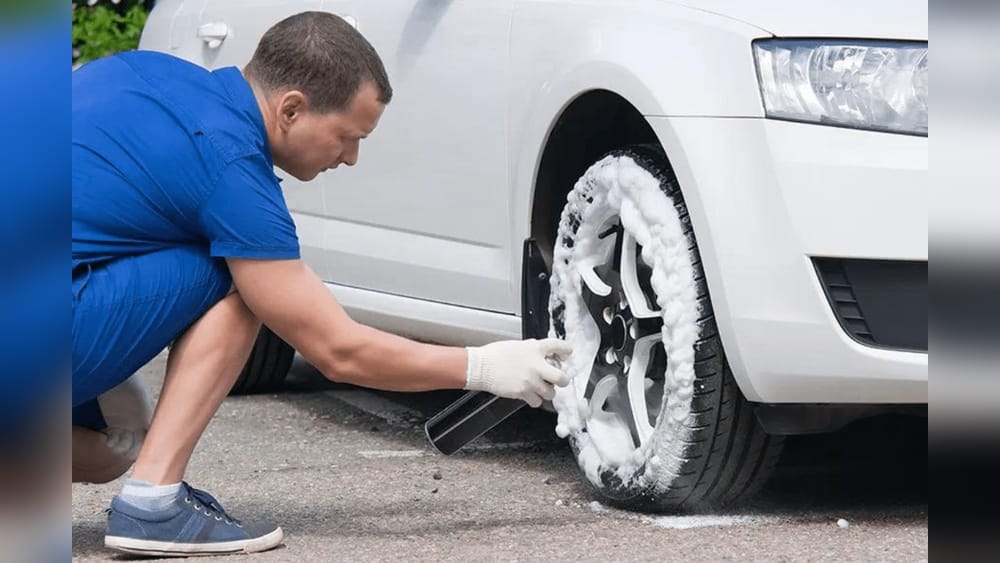
Spray a liberal amount of tire cleaner onto the sidewall and let it dwell for 30-60 seconds. This breaks down built-up grime, oils, and old dressings. For heavily soiled tires, a second application may be needed.
For best results, apply cleaner from the bottom up to prevent streaking and ensure full coverage. On tires with white lettering or whitewalls, use a dedicated cleaner formulated to brighten without yellowing.
Step 2: Agitate With The Right Brush
Using a stiff tire brush, scrub the sidewall in circular motions. Pay attention to raised lettering and textured areas where dirt hides. For wheels, use a dedicated wheel brush to avoid transferring brake dust to the tires.
Apply moderate pressure—enough to dislodge grime but not so much that you damage the rubber. On intricate tread patterns or mud-terrain tires, use a smaller detailing brush to access deep grooves and sipes.
Step 3: Rinse Thoroughly
Rinse off all cleaner and dirt with a strong stream of water. Any residue left behind can cause spotting or degrade tire rubber.
Use a hose with a spray nozzle or a pressure washer set to a gentle setting. Make sure to rinse not just the tire, but also the wheel wells, as trapped debris in these areas can quickly migrate back onto clean surfaces.
Step 4: Dry Completely
Use clean microfiber towels to dry tires and wheels. This step is crucial before applying dressings, as water can dilute the protectant and cause uneven shine.
If possible, use a separate towel for each tire to prevent cross-contamination. For a professional touch, consider using a leaf blower to remove water from hard-to-reach areas around lug nuts and valve stems.
Step 5: Apply Tire Dressing Or Protectant
- Use an applicator pad or sponge to spread a thin, even layer of dressing.
- Let it cure for at least 10-15 minutes.
- Buff off any excess to prevent sling onto paint.
Apply dressing in small sections, working around the tire to ensure uniform coverage. Less is more—over-application can lead to sling and attract dirt.
Step 6: Final Inspection
Check for missed spots, streaks, or excess product. Touch up as needed for a uniform, fresh look.
Inspect both in sunlight and shade to catch any imperfections. If desired, apply a second coat of dressing for a deeper gloss, but always allow the first layer to fully cure.
Example: Time-saving Weekend Routine
For busy car owners, the “Two-Bucket” method—one bucket for soapy water, one for rinsing—saves time and reduces the risk of scratching. Pairing this with a foaming tire cleaner can cut total cleaning time by 30% without sacrificing results.
If you’re pressed for time, focus on cleaning two tires at a time, alternating between wheels to allow dwell time for cleaners and dressings. This assembly-line approach maximizes efficiency and minimizes waiting.

Credit: www.chicagotribune.com
Comparison Of Popular Tire Cleaning Techniques
To help you choose the right method, here’s a data-driven comparison of common tire cleaning techniques, based on ease, effectiveness, and long-term results.
| Technique | Cleaning Time | Required Tools | Effectiveness | Best For |
|---|---|---|---|---|
| Manual Scrubbing (Brush & Cleaner) | 15-20 min/set | Brush, tire cleaner, towels | Excellent | Routine cleaning, deep grime |
| Pressure Washer | 10 min/set | Pressure washer, cleaner | Very Good | Heavy soil, time-saving |
| Foaming Spray Only | 5-8 min/set | Foaming cleaner, towels | Moderate | Light soil, quick touch-ups |
| Professional Detailing | 30-40 min/set | Full kit, specialty tools | Outstanding | Show cars, resale prep |
Pro Tip: For most drivers, manual scrubbing every 2-4 weeks strikes the best balance between effort and results.
When considering cost and convenience, a hybrid approach often works best: regular at-home cleaning with periodic professional detailing for deep restoration.
Advanced Tips For Keeping Tires Looking Fresh Longer
Establish A Tire Care Schedule
- Weekly: Rinse off loose dirt and debris.
- Bi-weekly to Monthly: Deep clean and apply protectant.
- Quarterly: Inspect for cracks, bulges, or embedded objects.
Consistency is key. Setting reminders or including tire care as part of your regular car wash routine ensures you never overlook this crucial maintenance step.
Use Uv Protection
UV rays are a major cause of tire fading. Select dressings with UV inhibitors to guard against sun damage and preserve the rich black look.
Some advanced dressings contain additional polymers that create a sacrificial layer on the tire, repelling water and contaminants for weeks. This is particularly beneficial in regions with intense sun or high ozone concentrations.
Avoid Common Mistakes
- Don’t use household cleaners: Products like bleach or dish soap can dry out rubber and strip away protective oils, leading to cracking.
- Avoid oily dressings on treads: Only apply to sidewalls to prevent traction issues. Oily surfaces reduce grip and can compromise braking performance, especially in wet conditions.
- Never skip drying: Water left under dressings causes uneven finish and sling. Take the time to fully dry every nook and cranny.
Also, avoid using abrasive pads or steel wool, which can permanently scar the rubber or wheel finishes.
Rotate Dressings For Desired Finish
Switch between satin and gloss dressings based on your preference or season. Matte looks are popular for modern vehicles, while classic cars often benefit from a deep gloss.
For special occasions, double-layer your dressing (allowing full curing between coats) for maximum depth and shine.
Real-world Case Study: Fleet Maintenance
A delivery company implemented a monthly tire cleaning and dressing protocol for its 30-vehicle fleet. After one year, tire replacement costs dropped by 18%, and vehicles maintained a more professional appearance, contributing to improved brand image and customer trust.
Drivers also reported fewer instances of tire-related downtime, and regular inspections during cleaning led to early detection of nail punctures and sidewall damage.
Product Recommendations: What Really Works
Top Tire Cleaners
- Meguiar’s Non-Acid Tire & Wheel Cleaner: Safe for all finishes, highly effective on embedded grime. Ideal for both enthusiasts and professionals.
- Turtle Wax Hybrid Solutions Hyper Foam Wheel Cleaner: Good for routine maintenance, pH-balanced. Its thick foam clings to vertical surfaces, enhancing dwell time and cleaning power.
- Sonax Wheel Cleaner Plus: Excellent for removing stubborn brake dust. Features a color-change indicator to show when contaminants are dissolved.
Best Tire Brushes
- Chemical Guys Tire and Rubber Cleaning Brush: Ergonomic, tough bristles. Suitable for aggressive cleaning without damaging rubber.
- Mothers Contoured Tire Brush: Designed to match tire curves, reduces effort. The unique shape allows for faster, more thorough cleaning.
Leading Tire Dressings
- CarPro PERL: Water-based, versatile for tires, trim, and interior. Offers adjustable gloss depending on dilution ratio.
- Meguiar’s Endurance Gel: Long-lasting gloss, water-resistant. Its thick formula resists rain and repeated washes.
- 303 Aerospace Protectant: Advanced UV protection, natural finish. Popular for both cars and RVs due to its non-greasy feel.
Where To Buy
Look for reputable automotive retailers or online stores like Autogeek, AutoZone, and Amazon for authentic products and reviews.
Read customer reviews and check for product certifications or professional endorsements to ensure you’re purchasing effective and safe solutions.
Budget Vs. Premium: Is Price Worth It?
A 2026 independent test by Consumer Reports found that premium tire cleaners and dressings lasted up to 2x longer than entry-level options, reducing the frequency of applications and total cost over a year.
While initial outlay may be higher, the improved protection, appearance, and reduced maintenance intervals make premium products a wise investment for those committed to long-term car care.
Preventing Tire Damage: Maintenance And Protection Strategies
Inspecting For Tire Wear And Damage
Regular cleaning is the perfect time to check for:
- Cracks and dry rot: Early signs include small, spiderweb-like fissures on the sidewall or tread.
- Bulges or blisters: Indicate internal structural damage and require immediate attention.
- Uneven tread wear: May signal alignment or suspension issues.
- Embedded stones or glass: Can cause slow leaks or punctures if not removed.
Document any changes and consult a tire professional if you notice worsening damage or recurring issues.
Protecting Against Environmental Hazards
- Avoid prolonged exposure to direct sunlight: Whenever possible, park in garages or use tire covers. UV rays are particularly harsh in southern and coastal regions.
- Wash off winter road salts: Salts accelerate rubber degradation and cause corrosion. During winter, rinse tires and undercarriage weekly.
- Clean after off-road or construction site visits: Mud and chemicals can embed in the rubber, leading to decay. Address contamination as soon as possible to avoid permanent staining.
For those living near the coast, rinsing tires with fresh water helps remove salt spray, which can be as damaging as road de-icers.
Storage Tips For Unused Tires
If you use seasonal tires or store your car for extended periods:
- Clean and fully dry tires before storage to prevent mold and chemical breakdown.
- Store in a cool, dry place, away from direct sunlight or ozone sources (motors, generators). Basements or climate-controlled garages are ideal.
- Use tire bags or covers to minimize air exposure. Stack tires vertically if possible to avoid flat spots, or use tire cradles for long-term storage.
Rotate stored tires every few months to maintain their shape and check for signs of aging or hardening.
Tire Longevity Data Table
| Maintenance Routine | Average Tire Lifespan | Estimated Cost Savings/Year |
|---|---|---|
| Regular cleaning & protection | 5-7 years | $120-$250 |
| Basic wash only | 3-4 years | $0 |
| No maintenance | 2-3 years | -$200 (higher replacement costs) |
Fact: According to the National Highway Traffic Safety Administration, properly maintained tires are up to 50% less likely to suffer catastrophic failure.
Eco-friendly Tire Cleaning: Green Solutions For A Fresh Look
Choosing Biodegradable Products
Many leading brands now offer eco-friendly tire cleaners that use plant-based surfactants, free from phosphates or harsh solvents. These options are safer for your driveway, landscaping, and local waterways.
Look for labels such as “readily biodegradable,” “non-toxic,” or “VOC-free. ” Brands like Chemical Guys, Simple Green, and Griot’s Garage offer green alternatives that don’t sacrifice cleaning power.
Water Conservation Techniques
- Use a trigger spray bottle to target only the tire, minimizing runoff.
- Employ waterless or rinse-less washes for light soil.
- Collect rinse water with a wet vac or on a permeable surface.
Consider using a portable water reclamation mat when washing in residential areas to further prevent runoff into storm drains.
Diy Natural Tire Cleaner Recipe
For those seeking a homemade alternative:
- Mix 1 cup distilled white vinegar with 1 cup water.
- Add a few drops of mild dish soap.
- Apply with a spray bottle, scrub with a brush, and rinse.
While not as powerful as commercial products, this solution is effective for routine cleaning and safe for the environment.
For added cleaning power, sprinkle baking soda on the tire before scrubbing—its mild abrasiveness helps lift stubborn grime without harming rubber.
Example: Community Car Wash Fundraiser
A local school switched to eco-friendly tire cleaners and captured all rinse water during their annual car wash. They received positive community feedback and earned a local environmental award for reducing chemical runoff.
This approach also educated students and parents about sustainable car care, turning routine maintenance into a teachable moment about environmental responsibility.
Recognized Green Product Certifications
Look for products certified by organizations like EPA Safer Choice or Green Seal for proven environmental safety (EPA Safer Choice).
Certifications ensure products meet stringent health and environmental standards, providing peace of mind for eco-conscious car owners.
Frequently Asked Questions
How Often Should I Clean My Car Tires?
For optimal appearance and longevity, clean your car tires at least once a month. If you drive in harsh conditions—such as salty roads, off-road trails, or urban environments with heavy brake dust—consider cleaning every two weeks.
Seasonal factors also play a role; increase frequency during winter or pollen-heavy months to prevent buildup.
What’s The Best Way To Avoid Tire Browning (“blooming”)?
Regular cleaning with a dedicated tire cleaner and application of a UV-protective dressing prevents antiozonant buildup and oxidation, which cause browning. Avoid using harsh household cleaners or petroleum-based products, as these can accelerate blooming.
Storing your vehicle away from direct sunlight and using tire covers when parked for extended periods can also help reduce blooming.
Can I Use Tire Shine Products On All Tire Types?
Most tire shine products are safe for standard passenger tires, but always check the label for compatibility with specialty tires (e.g., whitewalls, off-road, or performance tires). Water-based dressings are recommended for delicate or specialty tires.
For classic cars or collector vehicles with rare tires, consult the tire manufacturer for recommended care products.
Is It Safe To Use A Pressure Washer On Car Tires?
A moderate-pressure washer (under 2000 PSI) is safe for tires and wheels, provided you use a fan tip and keep the nozzle at least 12 inches away from the surface. Avoid using a high-pressure stream near sidewalls or valve stems to prevent damage.
Always follow the manufacturer’s guidelines for both your tires and pressure washer to avoid accidental harm.
Are There Any Professional-grade Products I Can Use At Home?
Yes, many professional-grade tire cleaners and dressings—such as Meguiar’s Non-Acid Tire & Wheel Cleaner or CarPro PERL—are available for consumer purchase. These offer superior cleaning power and durability compared to basic retail products and are often used by detailing shops (The Drive).
Online detailing communities and forums are excellent resources for discovering and comparing professional-grade products available to enthusiasts.
No matter your driving habits or car type, maintaining clean, fresh-looking tires is within reach. With the right products, tools, and regular care, your vehicle will not only look more appealing but also enjoy the benefits of safer, longer-lasting tires.
Make tire maintenance a part of your car care routine—and let your wheels make a statement on every drive.
Products related to this article
Sponsored / affiliate links. As an Amazon Associate I earn from qualifying purchases. I may earn additional commission from eligible campaigns.