What Is an Electric Vehicle Body Type? Common Categories
An electric vehicle body type is the vehicle’s exterior shape and packaging layout, such as hatchback, sedan, SUV, wagon, van, or pickup. It affects passenger room, cargo space, and often efficiency because the battery sits in the floor. In EV shopping, body style and drivetrain packaging are related but not the same; see EV body styles and vehicle categories for the broader classification. Pick the wrong one, and you may lose rear-seat room, cargo flexibility, or range that fits your daily drive. This guide explains the common EV body types, how battery packaging changes space, and how to choose the right one for your needs.
What is an electric vehicle body type?
An EV body type is the way the vehicle is shaped, packaged, and organized around people and cargo. In practical terms, it tells you where the roof ends, how the rear opening works, how much room the cabin gets, and how the battery pack changes the floor, seating position, and storage shape. Manufacturer dimension glossaries and body-style definitions used by safety and design organizations treat these as separate from the powertrain itself. [NHTSA, IIHS]
Body shape and layout
The same battery hardware can sit under very different bodies. A sedan keeps a separate trunk, a hatchback opens the rear glass and liftgate as one piece, and an SUV or crossover raises the roof and seating position to make entry and cargo loading easier. A pickup trades enclosed cargo volume for an open bed, while a minivan prioritizes easy third-row access and wide sliding doors.
Why EV packaging matters
Battery packs are often placed in the floor, so EVs can have a flatter cabin floor than gas vehicles. That helps center of gravity and frees up space where an engine tunnel would normally go, but it can also raise the floor slightly, which changes seating height, foot room, and cargo floor shape. SAE and manufacturer EV platform descriptions consistently note that skateboard-style underfloor batteries shape cabin packaging and load-floor height. [SAE, manufacturer platform resources]
How battery placement changes proportions
Because the pack takes up thickness under the cabin, designers must choose between a lower roof, a taller body, or a longer wheelbase. That is why some EVs feel roomy without looking huge, while others look bulky but still have awkward cargo openings or high load floors. Shape matters as much as raw size.
Electric drivetrain and body type are not the same
The electric drivetrain is the motor, inverter, reduction gear, and battery system that move the vehicle; the body type is the shape wrapped around that hardware. The layout of the drivetrain can still change the cabin. A flat battery floor can lower the center of gravity, affect floor height, alter wheelbase packaging, and make a frunk possible when there is no front engine. [SAE, manufacturer EV architecture resources]
What drivetrain layout changes
EVs with underfloor battery packs often have a flatter cabin, a lower center of gravity, and different weight distribution than comparable gas vehicles. That can improve stability and create more usable interior volume, but it can also push the seating position higher relative to the floor. The result is often better packaging efficiency, not simply more space in every direction.
What body type still controls
Body type still determines the roofline, door openings, cargo shape, and how easy it is to load people or objects. A sedan can use the same basic drivetrain as a crossover and still feel completely different inside. That is why shoppers should compare both the drivetrain layout and the body style before judging range or practicality.
Electric vehicle body types decision matrix
This matrix compares the major EV body styles on the factors shoppers feel most often: space, cargo access, likely efficiency, and typical use. The point is not to rank every model the same way, but to show how each body style changes the tradeoffs before you compare trims and range numbers. EPA and DOE range guidance stresses that vehicle shape, mass, and aerodynamics affect real-world efficiency, especially at highway speeds. [EPA, DOE/fueleconomy.gov]
| Body type | Passenger space | Cargo flexibility | Efficiency and range impact | Best-use scenario |
|---|---|---|---|---|
| Sedan | Good for 4 adults; rear headroom can be limited by roofline | Trunk opening is narrower; rear seats may fold on some models | Usually strong; low drag = low efficiency penalty | Commuting, highway driving, best for 2-row efficiency-focused use |
| Hatchback | Good for 4 to 5 passengers in a compact footprint | Very flexible rear opening; easiest bulky-cargo fit in a small car | Usually efficient; low-to-medium efficiency penalty | City driving, tight parking, mixed daily hauling, easy child-seat access |
| Crossover / SUV | Strong front and rear space; easiest entry for most families | Wide rear opening and higher cargo bay; best for 2-row family use | Often lower efficiency than a sedan because of height and mass; medium penalty | Families, child seats, daily utility, all-weather use |
| Wagon | Similar to a sedan, with more rear headroom and length | Long cargo area with low load floor and wide opening; strong bulky-cargo fit | Often efficient; low efficiency penalty versus SUVs | Drivers who want car-like manners and more cargo room |
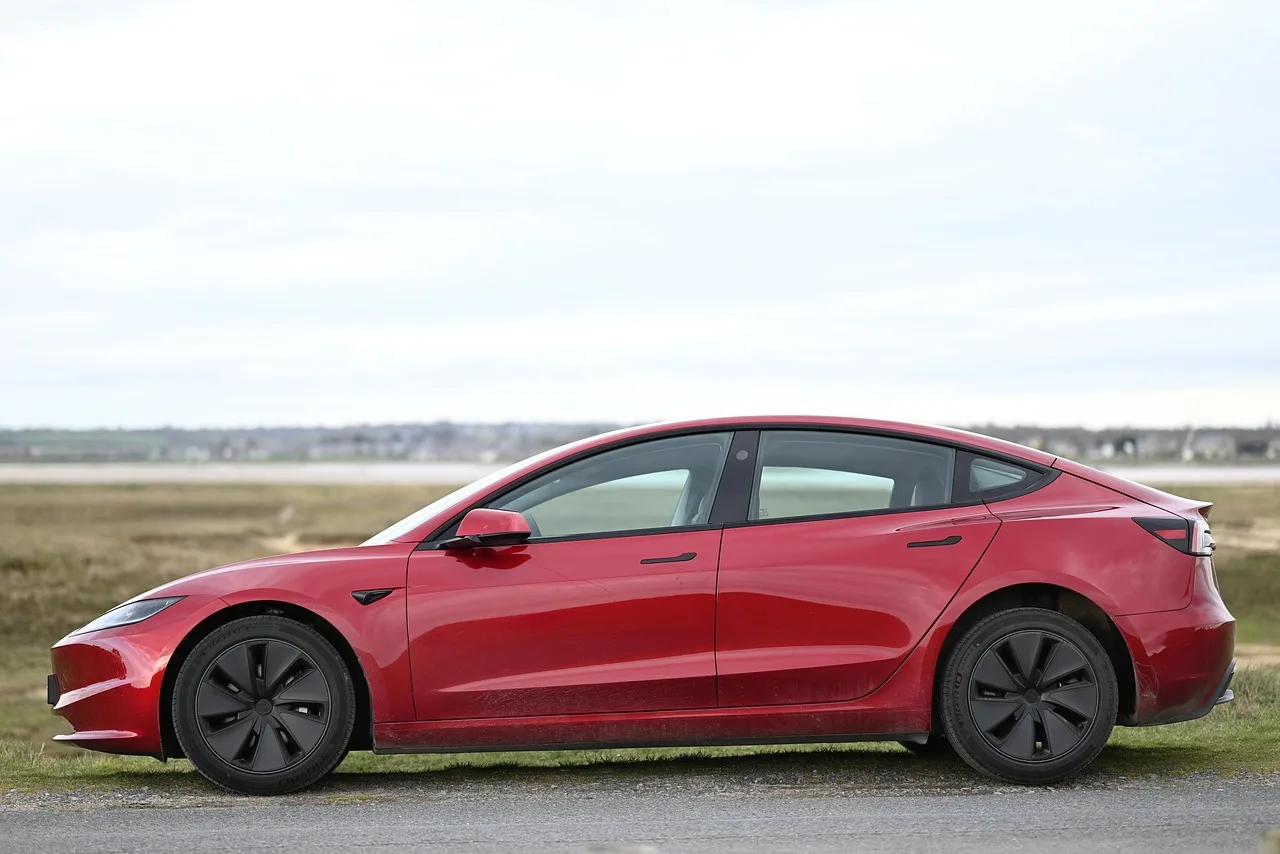
| Coupe | Front seat space is usually fine; rear seat is tighter | Less practical cargo access than a hatch or wagon | Can be efficient if low and sleek, but trim and tires matter; low-to-medium penalty | Style-first buyers and performance-oriented use |
| Minivan | Excellent; often the best people-moving layout | Very flexible with sliding doors and fold-flat seating; strongest child-seat access | Can be decent, but tall body and size add drag and weight; medium penalty | Large families, child seats, airport runs, carpool duty |
| Pickup truck | Crew cabs can be spacious; rear seat comfort varies | Bed size and cab configuration determine utility; strongest open-hauling fit | Usually the most efficiency-challenged shape because of mass and drag; high penalty | Towing, hauling, tools, work sites, mixed lifestyle use |
Passenger space comparison
Passenger room depends on wheelbase, roofline, and seat height as much as overall length. A crossover or SUV often makes access easier because you sit higher and step in less. A sedan may offer excellent front seating but a lower rear opening. A minivan usually wins on usable seating for people, especially when you need easy third-row access.
Cargo flexibility comparison
Hatchbacks, wagons, minivans, and pickups are the most flexible for odd-shaped cargo, but they do it in different ways. Hatchbacks and wagons give you a wide opening and fold-down rear seats. Minivans add sliding doors and a low floor. Pickups offer an open bed for dirty or bulky items that should not go in a cabin.
Efficiency and range impact comparison
Lower, flatter bodies usually move through air with less effort. That is why sedans and some wagons often have an efficiency edge over taller crossovers, SUVs, and pickups. EPA and DOE range tools note that speed, vehicle weight, tire choice, and aerodynamics all affect range; taller bodies usually pay a highway-speed penalty because they push more air. [EPA, DOE/fueleconomy.gov]
Best-use scenario comparison
Think about use cases, not appearance. A sedan suits a commuter with predictable luggage needs. A hatchback fits a driver who parks in tight spaces and still hauls boxes or strollers. A crossover or SUV suits a family that wants easy entry. A pickup fits towing or equipment duty. A minivan is the strongest choice for maximum people-moving.
How does EV packaging change space and range?
Battery placement changes the floor, the seating position, and the way the cabin and cargo area are shaped. It can improve weight balance and lower the center of gravity, but it also adds mass and thickness under the floor, which affects comfort, visibility, and how much air the vehicle pushes aside at speed. DOE and EPA range guidance both emphasize that mass, drag, and driving speed are major range factors. [DOE/fueleconomy.gov, EPA]
Battery pack location and floor height
Many EVs place the battery pack under the cabin floor. That makes the floor flatter, but often a little higher than in a comparable gas car. The result can be easier legroom and a more open cabin, while rear passengers may sit with their knees slightly higher if the floor rises to clear the pack.
Weight distribution and efficiency
A floor-mounted battery can improve balance because the mass sits low and between the axles. That helps stability. But more battery usually means more weight, and a larger, taller body creates more aerodynamic drag. A sedan often starts with an advantage because its shape helps the pack’s extra mass work against less air resistance.
Cabin, cargo, and ride-height tradeoffs
Higher ride height helps entry and road visibility, yet it can raise drag and make the vehicle feel less efficient at highway speeds. Lower vehicles can feel easier to place in traffic and garages. A common first-timer mistake is choosing a tall EV for “more room” without checking the cargo opening: a high floor and small tailgate can make loading bulky items harder than expected.
Say your daily use is a 20-mile commute plus one weekly grocery run. A sedan or hatchback may cover that with lower energy use and easier parking, while still giving enough room for a small stroller or two suitcases. If you move to a taller SUV body for the same task, you may gain entry height but give up some efficiency.
Sedan, hatchback, and wagon explained
Sedans, hatchbacks, and wagons are the most car-like EV body styles, but they solve storage in different ways. Sedans lean toward a separate trunk and cleaner airflow. Hatchbacks trade some shape discipline for loading ease. Wagons stretch the roof and cargo area without moving all the way to SUV height.
Sedan: trunk-based efficiency
A sedan uses a three-box shape: engine or front storage area, passenger cabin, and separate trunk. In EVs, that layout often pairs well with a low roof and efficient aerodynamics. The downside is cargo access. Large boxes and irregular bags must fit through a smaller opening than in a hatchback.
- Choose a sedan if you want a lower, more efficient shape.
- Choose a sedan if most cargo is luggage, backpacks, or groceries.
- Choose a sedan if you value highway range over tall-seat access.
Hatchback: liftgate flexibility
A hatchback uses a rear liftgate that opens the cargo area with the rear glass. That gives you a larger opening and easier loading for boxes, pet crates, or folded strollers. The compact footprint helps city driving, and the rear seat usually folds flatter than in a sedan.
- Choose a hatchback if you want easy cargo loading in a small footprint.
- Choose a hatchback if you often carry mixed-size items.
- Choose a hatchback if parking space is tight but flexibility matters.
Wagon: long roof, low ride height
A wagon extends the roofline and cargo bay farther back while keeping a lower ride height than an SUV. That can create impressive usable cargo length without moving into tall-body territory. EV wagons are still rare, but they are one of the smartest layouts for buyers who want car-like handling and more storage.
- Choose a wagon if you want long cargo space without an SUV stance.
- Choose a wagon if you carry dogs, luggage, or sports gear often.
- Choose a wagon if you prefer lower seating and easier roof airflow.
Are EV crossovers and SUVs the same?
No. The terms overlap, but they are not identical. A crossover usually uses car-based architecture, while an SUV typically has a more upright body shape and higher ride height. In EVs, that difference affects floor height, visibility, passenger posture, and how much mass the body carries through the air. [NHTSA, manufacturer body-style definitions]
Car-based crossover architecture
A crossover is built more like a car than a truck, even when it looks SUV-like. That usually means better road manners, lower step-in effort, and a shape that balances comfort with utility. Many EVs in this class use a skateboard-style platform with a flat battery floor and a body tuned for everyday driving.
SUV shape and ride height
An SUV body is typically taller and more upright. That extra height can improve outward visibility and make child-seat loading less awkward, but it also adds frontal area and often more weight. In EV form, the bigger shell may need a larger battery to maintain range, especially at highway speeds.
Why shoppers confuse the two
Manufacturers often use the words loosely, especially when the vehicle sits on a common EV platform. That is why two models can look similar but still differ in roof height, load floor, and rear-seat posture. If you care about parking garages, visibility, or range, check the measurements and seating position, not just the badge.
Coupe, minivan, and pickup body types
These body types matter because they show how far EV packaging can move beyond the usual sedan-and-SUV split. Coupes trade utility for style. Minivans maximize people space. Pickups make room for beds, towing hardware, and work gear. Availability varies widely by brand and market.
Coupe: sporty shape, less rear space
A coupe usually has a sloping roofline and a sportier stance. That shape can reduce rear headroom and make the back seat less useful for adults or child seats with tall carriers. Cargo space may also be smaller or harder to access, even when the vehicle looks sleek from the outside.
- Choose a coupe if styling and a lower, sportier feel matter most.
- Choose a coupe if rear-seat use is occasional.
- Choose a coupe if you do not need broad cargo flexibility.
Minivan: sliding doors and family utility
A minivan is often a strong family layout, especially in EV form where a flat floor can help seat packaging. Sliding doors make tight-parking child-seat loading easier, and the three-row layout can carry people more efficiently than many SUVs. Availability is still limited, so shoppers may have fewer choices.
- Choose a minivan if you need easy child-seat access.
- Choose a minivan if third-row use is frequent, not occasional.
- Choose a minivan if maximum passenger utility matters more than image.
Pickup: open bed and work use
A pickup truck is a valid EV body type. It combines a crew cab or extended cab with an open bed, and some models offer different bed lengths. That makes it useful for hauling dirty materials, tools, and tow gear, though the shape and weight can work against range more than on smaller body styles.
- Choose a pickup if you tow, haul, or carry equipment often.
- Choose a pickup if an open bed is more useful than enclosed cargo space.
- Choose a pickup if you need crew cab seating plus utility.
Suppose you live in an apartment garage with a tight turning radius and a low ceiling. A long-bed pickup may be the wrong fit even if you like the idea of truck utility, while a hatchback or compact crossover can solve parking and loading with less hassle.
How do I choose the right EV body type for my needs?
Start with the tasks the vehicle must do every week, not the tasks it might do once a year. Family seating, parking space, pet transport, and cargo shape should drive the decision before range charts or styling do. If you need easy loading and frequent rear-seat access, body style matters as much as battery size.
Families and child seats
For families, look closely at rear door opening size, seat height, and how the battery floor affects foot room. Crossovers, SUVs, and minivans usually make child-seat loading easier than low sedans. If third-row use matters, a minivan usually gives the clearest answer because it is designed around people movement, not just cargo volume.
Commuting and parking
For commuting, a sedan or hatchback often makes the most sense because both are easier to park and usually more efficient than taller body styles. If your garage is narrow or street parking is tight, lower width and shorter length may matter more than having a higher seating position.
Pets, gear, and road trips
For pets and road trips, focus on cargo opening shape, rear seat fold pattern, and floor height. A hatchback or wagon often handles crates and luggage better than a sedan. A crossover or SUV may be easier for passengers, while a wagon can give you long cargo space without the extra height penalty of a taller body.
Towing and hauling
For towing and hauling, pickup trucks still matter because of bed access and chassis setup, though EV range can drop fast under load. If your use is more gear than heavy towing, a crossover or wagon may be the better balance. Choose the smallest body that still handles your real load pattern.
- List your top three uses: commuting, family duty, cargo, towing, or road trips.
- Check whether you need easy child-seat access, a low load floor, or an open bed.
- Compare floor height, rear opening shape, and cargo length, not just overall size.
- Think about range loss from taller shape, extra weight, and larger tires.
- Pick the body style that matches your most common day, not your rare one.
Frequently asked questions
What are the common EV body styles?
The common EV body styles are sedan, hatchback, crossover, SUV, wagon, coupe, minivan, and pickup truck. Each one changes the balance between passenger room, cargo access, and range. Some are common across the market, while others, like wagons and minivans, remain less widely offered.
Is an electric SUV different from an electric crossover?
Yes. A crossover is usually more car-based, while an SUV is typically taller and more upright. In EVs, that often means the crossover drives more like a car, while the SUV prioritizes entry height and a larger presence. The difference can affect efficiency, seating position, and cargo shape.
What body type is best for an EV family car?
A crossover, SUV, or minivan usually works best for a family EV. The right choice depends on whether you value easy child-seat loading, a third row, or better efficiency. Minivans win on passenger utility. Crossovers and SUVs are easier to find and often strike a more common compromise.
Do EV body types affect range and efficiency?
Yes. Lower, sleeker bodies usually use less energy at highway speed than taller, heavier ones. Sedans often have an advantage, while crossovers, SUVs, and pickups can need larger batteries to reach the same range. Tire size, mass, and roof height all play a part.
Which EV body style has the most cargo space?
For enclosed cargo, minivans and some SUVs often offer the most usable volume, while pickups offer the most open-bed capacity. If you care about easy loading rather than raw volume, hatchbacks and wagons can be more practical than sedans. The best answer depends on cargo shape, not just cubic space.
Products related to this article
Sponsored / affiliate links. As an Amazon Associate I earn from qualifying purchases. I may earn additional commission from eligible campaigns.