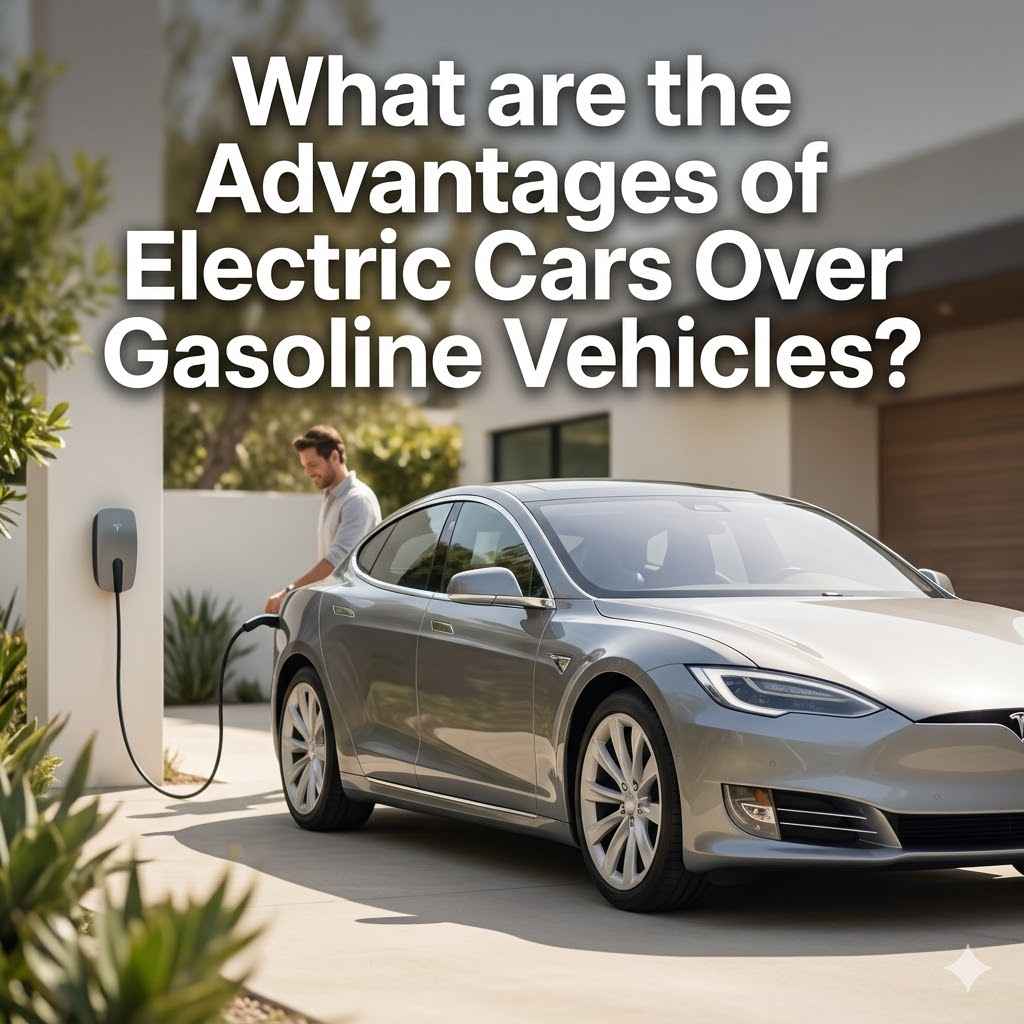
What are the Advantages of Electric Cars Over Gasoline Vehicles?
Electric cars are changing the way we think about driving. Just a decade ago, most people did not take electric vehicles (EVs) seriously. They were seen as slow, expensive, and impractical for daily use. But in recent years, the world has witnessed a massive shift.
Today, electric cars are becoming more common on roads everywhere. Some people are even calling them the future of transportation. But why are so many people making the switch from gasoline-powered vehicles to electric ones? What are the real benefits?
If you are trying to decide between an electric car and a gasoline vehicle, it’s important to understand the advantages that electric cars offer. This article explores these benefits in detail, using simple language and real examples to help you make an informed choice.
Lower Running Costs
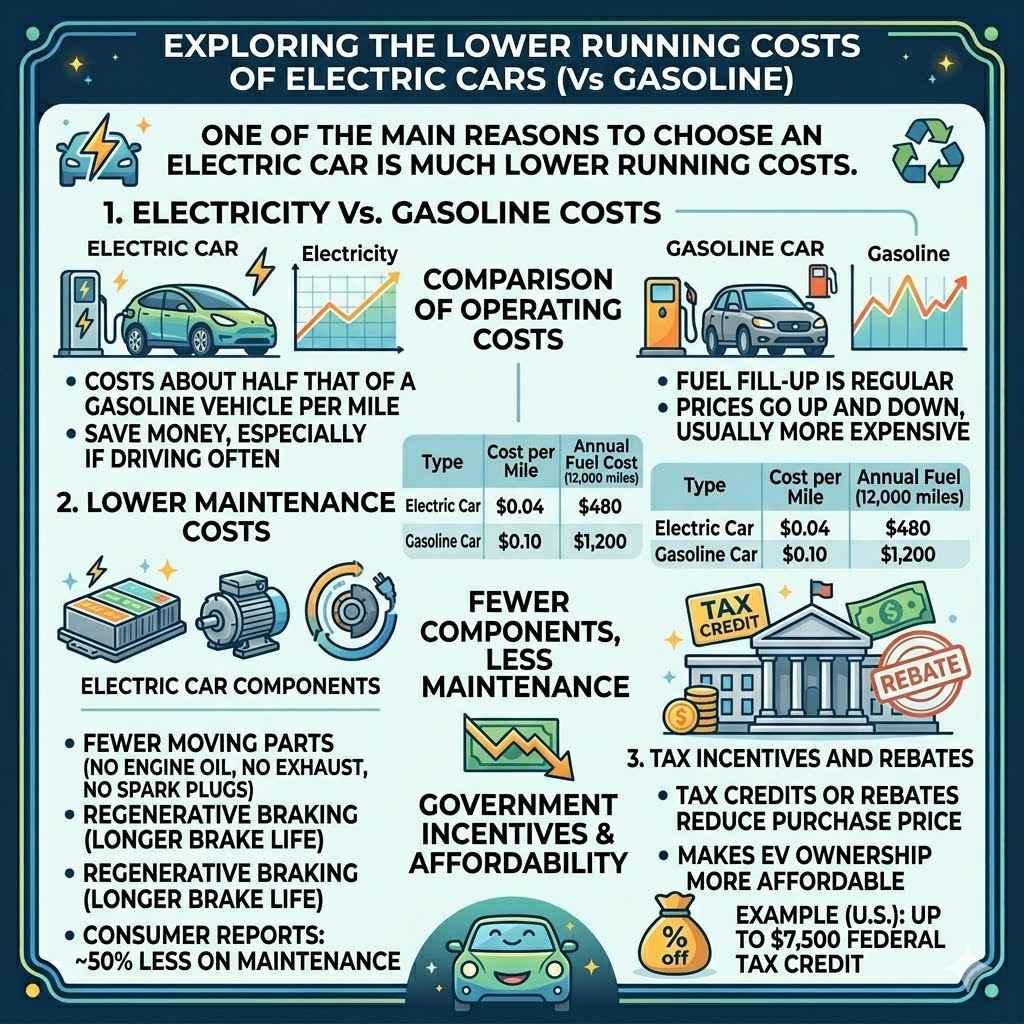
One of the main reasons people choose electric cars is that running costs are much lower than gasoline vehicles. Let’s break this down.

VIKTOR JURGEN
VIKTOR JURGEN Shiatsu Back Massager with Heat…
- BACK MASSAGER WITH HEAT: The VIKTOR JURGEN back massager is designed with two buttons. The massage pillow does not change the mass…
- RELIEVE BACK NECK PAIN: Nowadays, people stay in front of the computer for a long time or are in a state of muscle tension for a l…
- BEST GIFTS FOR EVERYONE: Back massager is made of high-quality motor , soft and breathable stretch cloth. Neck massager is a very…
As an Amazon Associate I earn from qualifying purchases.
Electricity Vs. Gasoline Costs
When you drive a gasoline car, you need to fill up with fuel regularly. Gasoline prices go up and down, but over time, they are usually more expensive than charging an electric car. According to the U.S. Department of Energy, the cost to drive an electric car is about half that of a gasoline vehicle per mile. This means you can save a lot of money, especially if you drive often.
Here is a comparison to illustrate the difference:
| Type | Cost per Mile | Annual Fuel Cost (12,000 miles) |
|---|---|---|
| Electric Car | $0.04 | $480 |
| Gasoline Car | $0.10 | $1,200 |
As you can see, electric vehicles offer real savings over time. The difference becomes even bigger if gasoline prices rise.
Lower Maintenance Costs
Electric cars have fewer moving parts than gasoline cars. There is no engine oil to change, no exhaust system to maintain, and no spark plugs to replace. Most electric cars also use regenerative braking, which means the brakes last longer. According to Consumer Reports, electric vehicle owners spend about 50% less on maintenance and repairs. This is a big relief for many people, especially as cars get older.
Tax Incentives And Rebates
Many governments offer tax credits or rebates for buying electric cars. These incentives reduce the purchase price and make owning an EV more affordable. For example, in the United States, buyers can receive up to $7,500 in federal tax credits. Some states and countries offer even more savings. This financial help is not usually available for gasoline cars.
Better For The Environment
One of the strongest reasons to choose an electric car is the positive impact on the environment. Gasoline cars burn fossil fuels, which release harmful gases into the air. Electric cars are much cleaner.
Lower Emissions
Electric cars produce zero tailpipe emissions. This means they do not release carbon dioxide (CO2), nitrogen oxides, or other pollutants while driving. According to the EPA, transportation is responsible for about 29% of greenhouse gas emissions in the United States. By switching to electric cars, we can lower air pollution and slow down climate change.
Even if the electricity for charging comes from fossil fuels, electric cars are still cleaner. Power plants are more efficient than car engines, and the electricity grid is getting cleaner every year as more renewable energy is used.
Reduced Noise Pollution
Electric cars are much quieter than gasoline cars. They do not have loud engines or exhaust noise. This makes cities and neighborhoods more peaceful. In fact, some electric cars are so quiet at low speeds that manufacturers add artificial sounds to alert pedestrians.
Less Use Of Oil
Driving electric cars reduces our need for oil. Oil extraction, shipping, and refining can damage the environment. By using electricity—especially from renewable sources—we can reduce the negative effects of oil use.
Smooth And Enjoyable Driving Experience
Electric cars are not just good for your wallet and the planet. They also offer a unique driving experience that many people enjoy.
Instant Torque And Acceleration
Electric motors deliver power instantly. When you press the accelerator, the car moves quickly and smoothly. There is no delay, and the ride feels very responsive. Some electric cars, like the Tesla Model S, can accelerate from 0 to 60 mph in under 2 seconds.
Even basic models feel faster than similar gasoline cars.
Quiet And Comfortable Ride
The absence of an engine and complex transmission makes electric cars much quieter inside. You can enjoy music or conversation without engine noise. The ride is also smoother, as electric cars often have a lower center of gravity (because of heavy batteries placed low in the car). This improves handling and makes the drive more stable.
Simple Operation
Electric cars are easy to drive. There are usually fewer buttons, and many models have just one gear. This makes them great for new drivers or people who want a simple, stress-free ride.
Home Charging Convenience
One big advantage of electric cars is the ability to charge at home. This means you can start every day with a full “tank” without visiting a gas station.
Overnight Charging
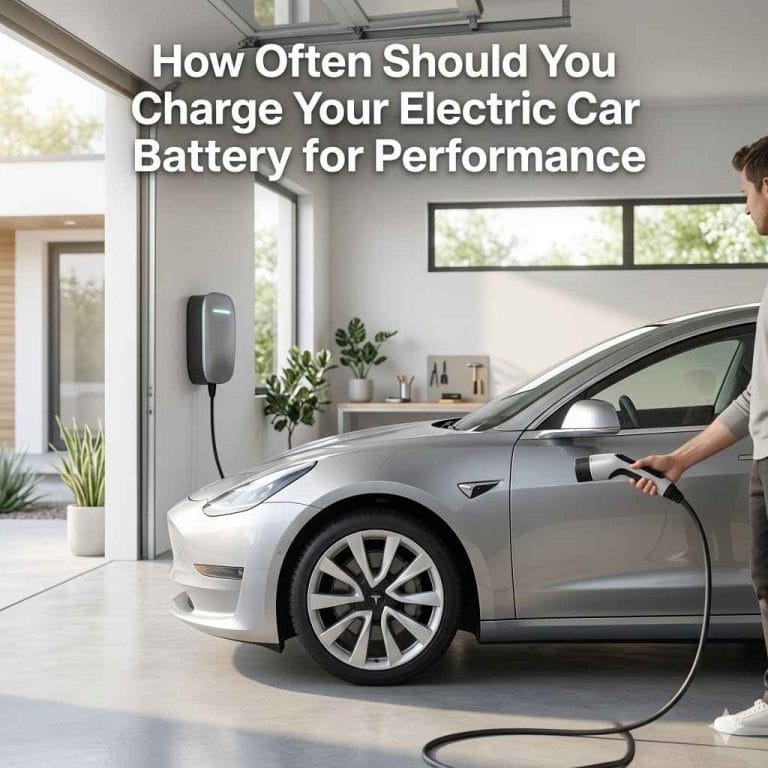
Most people plug in their electric car at night, just like charging a phone. In the morning, the car is ready to go. For daily driving needs, this is much more convenient than stopping for gas.
Flexibility And Control
You have control over when and how you charge. Some electricity providers offer lower rates at night, so you can save even more money by charging during off-peak hours. For people who own their home, installing a home charger is usually straightforward.
Public Charging Networks
For longer trips, public charging stations are available in many places. Networks like Tesla Supercharger or ChargePoint are growing every year. Fast charging can add hundreds of miles of range in about 30 minutes. While charging is still not as fast as filling a gas tank, the network is improving rapidly.
Advanced Technology And Features
Electric cars are often built with the latest technology. This is because they are newer designs and are made by companies focused on innovation.
Smart Displays And Connectivity
Most electric cars come with large touchscreens and simple dashboards. They offer easy navigation, smartphone integration, and even voice commands. Over-the-air software updates are common, so your car can get better features even after you buy it.
Safety Features
Electric cars often include advanced driver-assistance systems like automatic braking, lane-keeping, and adaptive cruise control. The heavy battery pack under the floor also makes the car more stable in accidents. In safety tests, many electric cars earn top ratings.
Remote Monitoring And Control
Many electric cars can be controlled with your smartphone. You can check the battery level, start charging, or even pre-heat the car on cold days—all from your phone. This level of control is rare in gasoline cars.
Lower Carbon Footprint Over Lifetime
Some people worry that making electric cars, especially batteries, uses a lot of energy. While it’s true that building an EV can create more emissions at first, studies show that electric cars have a lower total carbon footprint over their lifetime compared to gasoline cars.
Manufacturing And Recycling
The production of electric car batteries does require energy and resources. However, as battery recycling improves and factories use more renewable energy, the environmental impact is getting smaller. Many carmakers are also working on ways to reuse old batteries in other products.
Cleaner Energy Mix
As countries add more solar, wind, and hydro power to their electric grids, charging an EV becomes even cleaner. This means the benefits of driving electric cars will only increase over time.
Energy Efficiency
Electric cars are much more energy-efficient than gasoline cars. Here’s why:
- Gasoline engines lose a lot of energy as heat. Only about 20%–30% of the energy in gasoline is used to move the car.
- Electric motors convert about 77% of electrical energy into movement.
This means electric cars waste less energy and make better use of what they consume. For people who care about efficiency, this is a big advantage.
Reduced Dependence On Fossil Fuels
Switching to electric cars helps countries reduce their dependence on oil and fossil fuels. This has several benefits:
- Less exposure to oil price changes and supply problems
- Improved national energy security
- Support for local renewable energy industries
By using more electricity from clean sources, countries can build a more stable and independent energy system.
Health Benefits For Society
Air pollution from gasoline cars causes many health problems. This includes asthma, heart disease, and even cancer. By reducing tailpipe emissions, electric cars help make the air cleaner—especially in cities. According to the World Health Organization, air pollution kills around 7 million people worldwide each year. Electric cars can play a part in reducing this number.
Government Support And Future Proofing
Governments around the world are encouraging the shift to electric cars. Some cities are planning to ban new gasoline car sales in the future. By choosing an electric car now, you are future-proofing your transportation.
Charging Infrastructure Expansion
Major investments are being made in charging infrastructure. In the next few years, finding a place to charge will become even easier. This will make electric cars more practical for everyone.
Higher Resale Value
As more people want electric cars, their resale value is rising. In some markets, used electric cars hold their value better than comparable gasoline models. This is important if you plan to sell or trade in your car later.
Flexibility With Renewable Energy
Electric cars can be charged directly from solar panels or other renewable sources at home or work. This is not possible with gasoline cars. If you have solar panels, you can drive using the sun’s energy, which is both clean and free.
Some electric cars even support vehicle-to-grid (V2G) technology. This means they can send electricity back to the grid or power your home during a blackout. This level of flexibility is unique to electric vehicles.
Easier Urban Driving And Parking
Electric cars are often designed for city use. Many models are compact, easy to maneuver, and offer special features for urban drivers.
Access To Restricted Areas
Some cities have low-emission zones where only electric cars are allowed. Driving an EV can mean access to these areas, less traffic, and even free or reduced parking.
Special Lanes And Benefits
In some places, electric cars can use carpool lanes even with one person inside. They may also get free charging or discounted tolls. These perks save time and money, especially in busy urban areas.
Quicker Response To Market Changes
Automakers are focusing more on electric vehicles. This means new features and models are coming out faster. If you want the latest technology, electric cars are often ahead of gasoline models.
Software Updates
Electric cars can get new features through software updates. For example, Tesla often adds new functions, like improved autopilot, by sending updates over the internet. This keeps your car fresh and up-to-date, even years after you buy it.
Customization And New Designs
Electric cars do not need a traditional engine, transmission, or exhaust system. This allows designers to create more innovative shapes and interiors. Many EVs offer more space inside, flat floors, and creative storage solutions.
Some companies are even developing small electric trucks, vans, and SUVs that would be hard to build with a gasoline engine.
Less Vibration And Wear
Because electric cars have fewer moving parts, they experience less vibration and wear than gasoline cars. This means parts last longer and need replacement less often. For example, electric motors can run for hundreds of thousands of miles with very little maintenance.
Energy Regeneration
Most electric cars use regenerative braking. When you slow down or go downhill, the motor turns into a generator and sends electricity back to the battery. This improves efficiency and makes driving in traffic smoother.
Real-world Example: Family Savings Over 5 Years
Let’s look at a practical example to show the real benefits. Imagine a family who drives 12,000 miles a year. They switch from a gasoline car to an electric one.
| Factor | Gasoline Car | Electric Car |
|---|---|---|
| Fuel/Energy Cost (5 Years) | $6,000 | $2,400 |
| Maintenance Cost (5 Years) | $2,000 | $1,000 |
| Total Savings | – | $4,600 |
| CO2 Emissions Saved | – | ~25,000 lbs |
The family saves thousands of dollars and helps the environment at the same time.
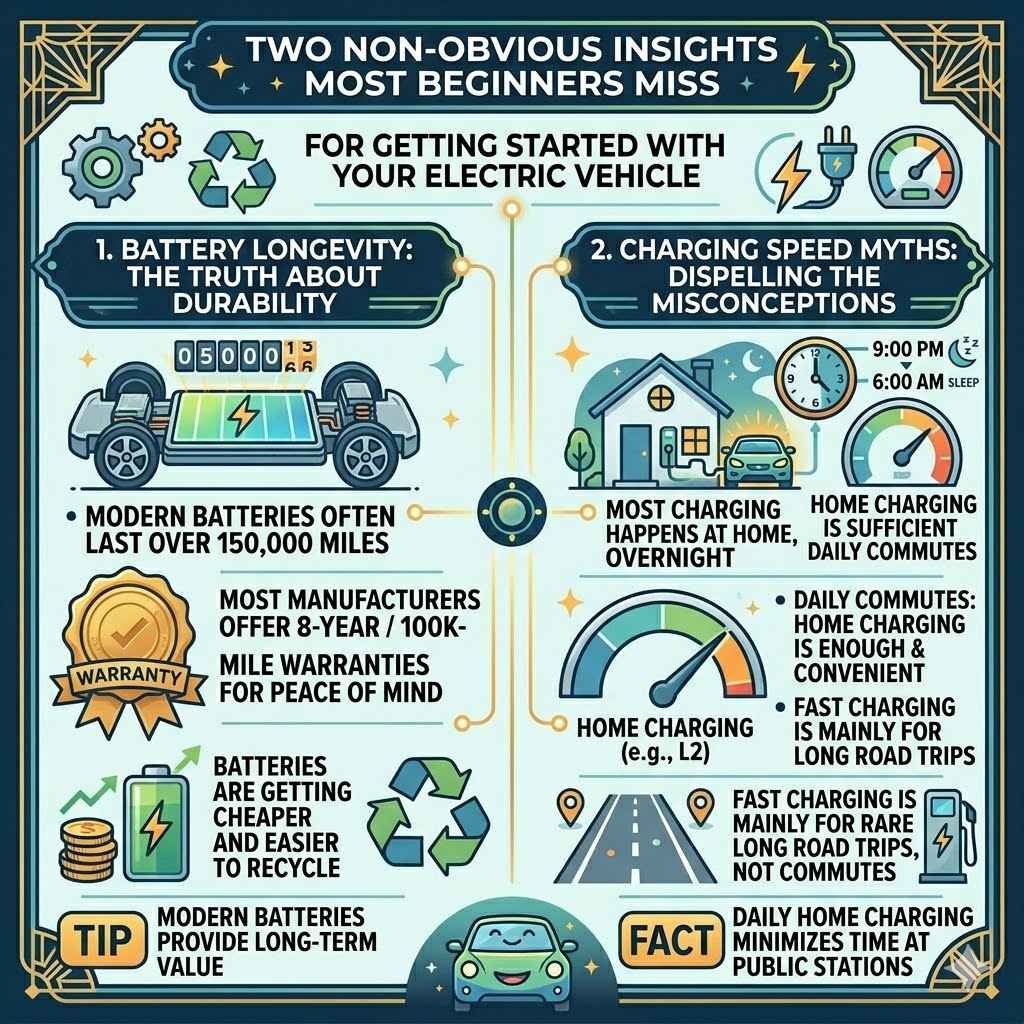
Two Non-obvious Insights Most Beginners Miss
- Battery Longevity: Many people worry that electric car batteries will not last long, but modern batteries often last over 150,000 miles. Most manufacturers offer 8-year warranties for peace of mind. Batteries are also getting cheaper and easier to recycle.
- Charging Speed Myths: Some believe charging is always slow. In reality, most people charge at home overnight and rarely need public fast charging. For daily driving, home charging is more than enough. Fast charging is mainly for long road trips, which are not as common as daily commutes.
Frequently Asked Questions
What Happens If My Electric Car Runs Out Of Battery?
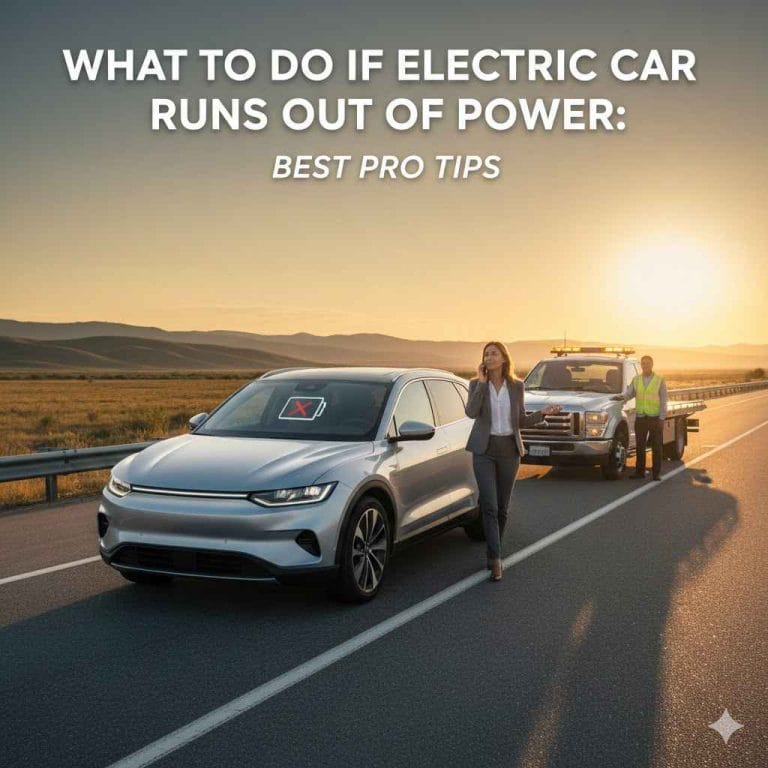
If your electric car battery is empty, the car will stop, just like a gasoline car with an empty tank. Most EVs warn you long before the battery is empty. There are also mobile charging services and roadside assistance to help in emergencies.
Are Electric Cars Really Better For The Environment?
Yes, electric cars produce fewer emissions than gasoline cars, even when considering battery production. As the electricity grid becomes cleaner, the benefits increase. For more details, visit the EPA’s electric vehicle myths page.
How Long Does It Take To Charge An Electric Car?
Charging time depends on the charger type. At home, it can take 6–12 hours for a full charge using a standard charger. Fast chargers can add 100–200 miles of range in 30 minutes. Most people charge overnight and rarely have to wait during the day.
Is It Expensive To Install A Home Charger?
The cost varies. A basic home charger can cost $500–$1,000 plus installation. Some governments offer incentives to lower this cost. Over time, the savings from home charging usually make up for the initial expense.
What About Long Road Trips With An Electric Car?
Long trips are possible with modern electric cars. Many highways now have fast-charging stations. Planning is important, but most EV drivers find road trips manageable with a bit of preparation.
Switching to an electric car is a big decision, but the advantages are clear. Lower running costs, better environmental performance, and a smoother driving experience make electric vehicles an excellent choice for the future. As technology and infrastructure improve, these benefits will only grow.
If you are considering making the switch, now is a great time to enjoy all that electric cars have to offer.
Related pick: Check today's price on Amazon